
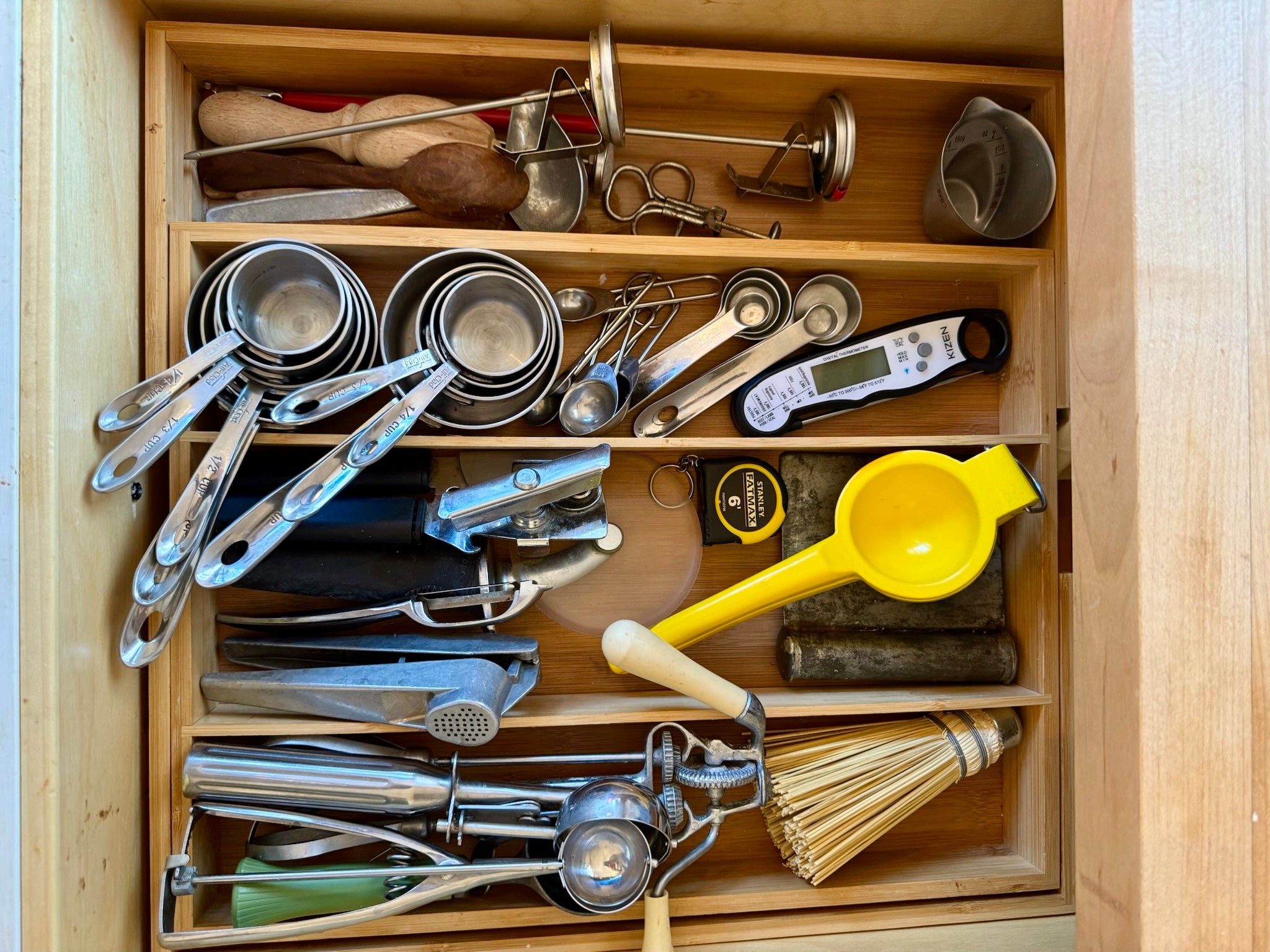
How to Organize Utensils Drawer in Kitchen: Is your utensil drawer a messy jumble where finding a simple spoon feels impossible? You’re not alone.
A cluttered drawer can slow you down and add unnecessary stress to your cooking routine. But imagine opening that drawer and instantly seeing exactly what you need—neatly arranged, easy to grab, and ready to use. You’ll discover simple, practical steps to organize your utensil drawer so it works for you, saves time, and makes your kitchen feel more inviting.
Keep reading, and transform your daily cooking experience starting now.
Sort Utensils By Type
Sorting utensils by type creates a clear and tidy drawer. This makes finding tools easy and saves time during cooking. Grouping similar items together also protects delicate utensils from damage. Start by dividing your utensils into categories based on their use and function.
Separate Cooking Tools
Place spatulas, ladles, whisks, and tongs in one section. These tools are used for food preparation and cooking. Keep heavier tools like meat tenderizers or peelers apart to avoid clutter. Use drawer dividers to keep everything in place.
Group Eating Utensils
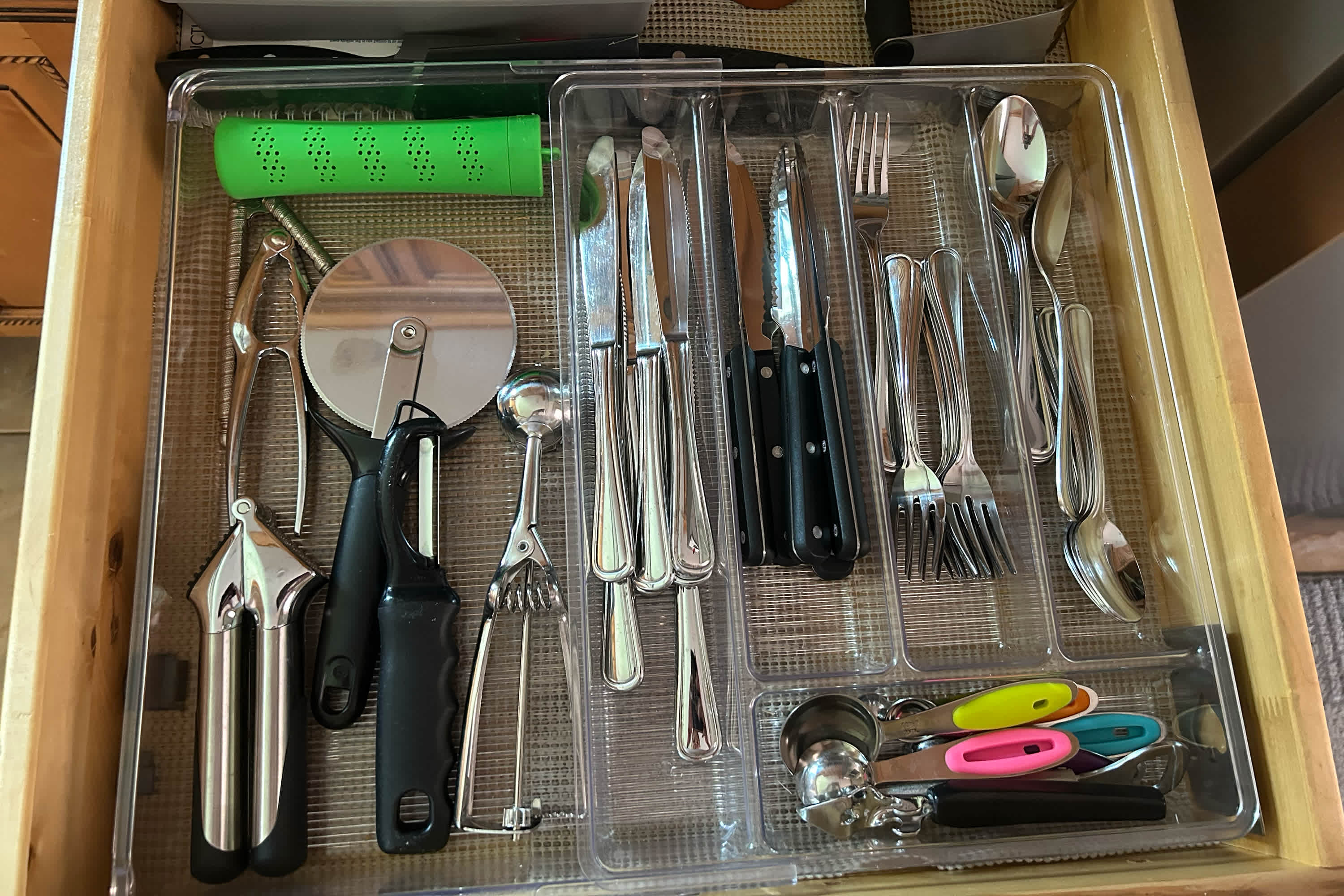
Forks, knives, spoons, and teaspoons belong together. Sort them by size and type for easy access. Consider using small containers or trays to separate forks from spoons. This grouping helps during mealtime and quick cleanups.
Set Aside Specialty Items
Gather unique utensils like melon ballers, garlic presses, or chopsticks. Store these in a separate space to avoid confusion. Specialty items do not fit daily use groups, so keep them distinct. This keeps your drawer organized and efficient.
Credit: www.apartmenttherapy.com
Choose The Right Organizer
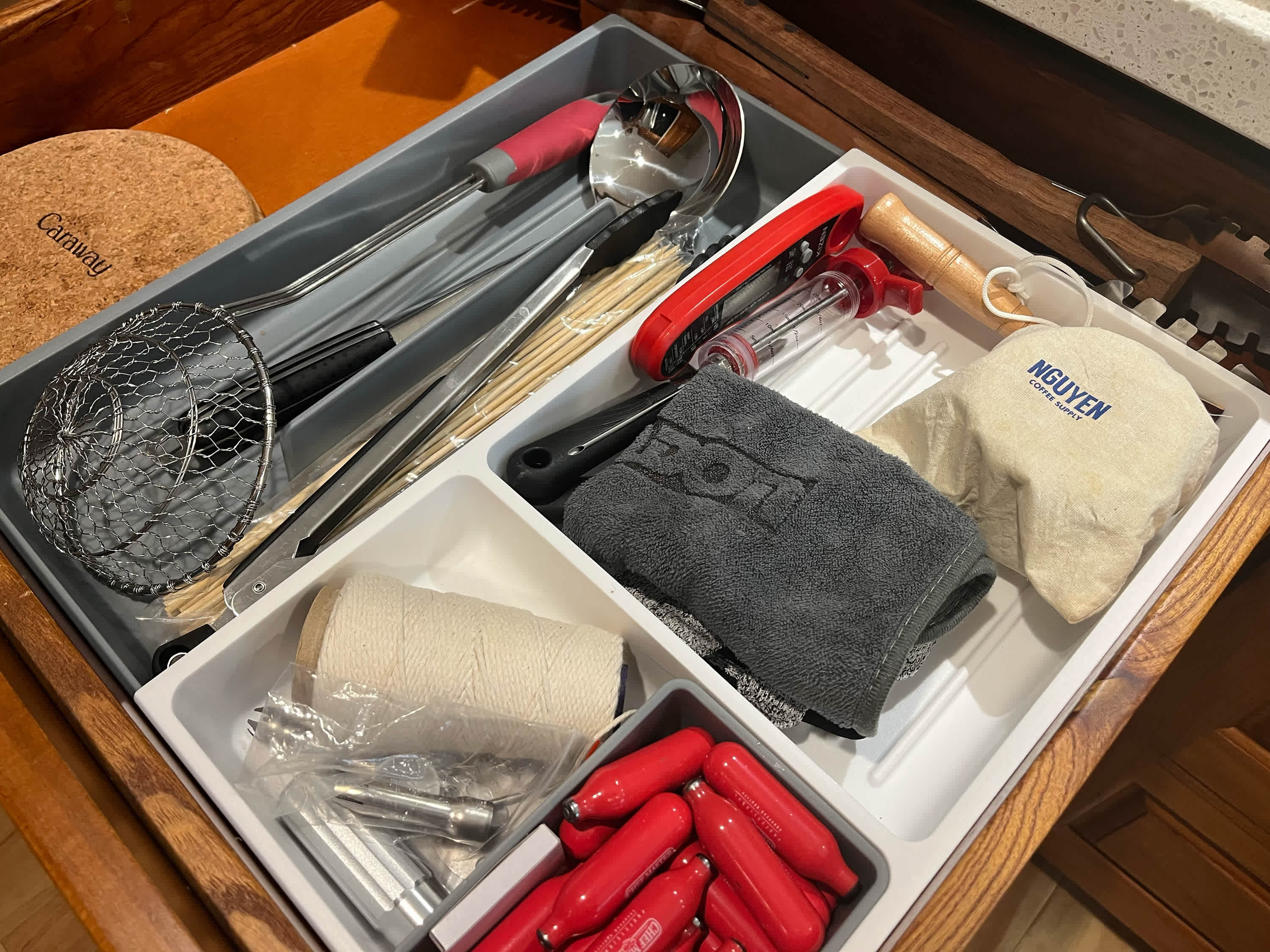
Choosing an organizer that fits your drawer size helps keep utensils neat and easy to find. Dividers with different compartments separate spoons, forks, and knives effectively. Select materials that are easy to clean and durable for long-lasting use.
Choosing the right organizer for your kitchen utensils drawer is essential. An organized drawer makes cooking more enjoyable and efficient. A good organizer helps you find what you need quickly. It also keeps your utensils neat and tidy. Let's explore some options to make your kitchen drawer a pleasant space.
Use Drawer Dividers
Drawer dividers are simple and effective. They create sections within your drawer. You can customize them to fit your utensils perfectly. Dividers are great for separating spoons, forks, and knives. They keep everything in its place. This makes your drawer look neat and organized.
Consider Utensil Trays
Utensil trays are another excellent option. They come in various sizes and materials. Trays fit snugly in your drawer and hold utensils securely. They have designated slots for different types of utensils. This helps you find what you need without hassle. Trays make cleaning easy too. Just lift them out and wipe them down.
Try Adjustable Inserts
Adjustable inserts offer flexibility. They adapt to your changing needs. You can resize them to fit new utensils. This makes them a versatile choice for any kitchen. Adjustable inserts also maximize space. They ensure no area of your drawer goes unused. With these, your kitchen stays organized as your collection grows.
Maximize Drawer Space
Maximizing drawer space helps keep your kitchen tidy and efficient. A well-organized utensil drawer saves time and reduces clutter. Small changes can make a big difference in how much you store and access daily tools.
Stack Items Wisely
Stack similar utensils to save room. Place small bowls or trays at the bottom and nest larger ones on top. Keep flat items like baking sheets upright to avoid wasting space. Use shallow trays for forks, spoons, and knives, stacking them by size or type.
Use Vertical Storage
Store utensils vertically for easy access and visibility. Use containers or dividers to separate types like spatulas, whisks, and ladles. Vertical storage keeps things organized and prevents items from mixing. Tall containers work well for long-handled tools.
Label Sections
Label each section or container in the drawer. Clear labels help everyone find items quickly. Use simple words like "Spoons," "Knives," or "Measuring Tools." Labels maintain order and remind you where each utensil belongs.

Credit: www.yahoo.com
Maintain Accessibility
Keeping your utensils drawer easy to access saves time and effort. Organize it so you reach what you need quickly. Accessibility means less mess and more efficiency in your kitchen.
Keep Daily Use Items Front
Place utensils you use every day at the front of the drawer. This includes forks, spoons, knives, and cooking tools like spatulas. Arrange them neatly in compartments or trays. It helps you grab items fast without digging through the drawer.
Use dividers to separate types of utensils. This keeps things tidy and easy to find. Clear containers or labeled sections work well. The goal is to reduce clutter and save time during meal prep.
Store Rarely Used Tools Separately
Put tools you use less often in the back or in a different drawer. Items like melon ballers, garlic presses, or special measuring spoons fit here. This prevents crowding your main utensil space.
Use small bins or boxes to keep these tools organized. Label the containers for quick identification. This system keeps your daily tools handy and your drawer neat.
Clean And Declutter Regularly
Keeping your utensil drawer clean and clutter-free improves kitchen efficiency. Regular cleaning stops dirt buildup and keeps utensils safe. It also helps you spot missing or broken items early. Setting a routine for this task makes a big difference over time.
Remove Unused Utensils
Take out all utensils from the drawer. Sort them by use and frequency. Set aside items you rarely use or never reach for. Donate or recycle unused utensils to free up space. Keep only the tools you need daily or weekly.
Wipe Drawer Interiors
Use a damp cloth and mild soap to clean the drawer. Remove crumbs, dust, and grease spots thoroughly. Dry the drawer completely before putting utensils back. A clean drawer prevents odors and keeps utensils hygienic.
Inspect For Damages
Check each utensil for cracks, rust, or loose parts. Broken utensils can be unsafe and should be discarded. Repair or replace items that are worn out. Maintaining good condition utensils saves money and ensures safety.
Incorporate Smart Storage Hacks
Incorporating smart storage hacks can transform a cluttered utensil drawer into a neat, functional space. These clever ideas save time and keep utensils easy to find. Simple adjustments can make your kitchen more organized and pleasant to work in.
Use Magnetic Strips
Magnetic strips hold metal utensils securely. Attach a strip inside the drawer or on the wall nearby. This keeps knives, forks, and spoons in place. Magnetic storage frees up drawer space and prevents items from sliding around.
Repurpose Containers
Old jars, small boxes, or trays make great utensil holders. Group similar items like spatulas, whisks, and peelers. Use containers to separate items and reduce clutter. Clear containers help see contents easily, speeding up cooking tasks.
Add Non-slip Liners
Place non-slip liners at the drawer bottom. Liners stop utensils from sliding when opening or closing. They protect the drawer surface from scratches. Choose liners that are easy to clean and cut to size for the best fit.
Credit: www.thekitchn.com
Frequently Asked Questions
How Do I Start Organizing My Utensil Drawer?
Begin by emptying the drawer completely. Sort utensils by type and frequency of use. Use organizers or dividers to separate categories for easy access.
What Are The Best Organizers For Utensil Drawers?
Use adjustable dividers, trays with compartments, or bamboo utensil holders. These keep items separated, prevent clutter, and maximize drawer space efficiently.
How Often Should I Clean And Reorganize Utensil Drawers?
Clean and reorganize every 3 to 6 months. This helps remove unused items, maintain hygiene, and keep the drawer clutter-free and functional.
Can I Store Large Utensils In The Same Drawer?
Store large utensils separately if the drawer is small. Use a deeper drawer or countertop holders to keep them accessible and organized.
Conclusion
Organizing your utensil drawer saves time and reduces kitchen mess. Keep similar items together for easy access. Use dividers or small containers to separate tools. Regularly remove unused utensils to free space. A tidy drawer makes cooking more enjoyable. Start small and adjust as needed for your needs.
A well-organized drawer helps maintain a clean kitchen. Your daily routine becomes smoother with simple steps. Try these tips and enjoy a clutter-free cooking space.