
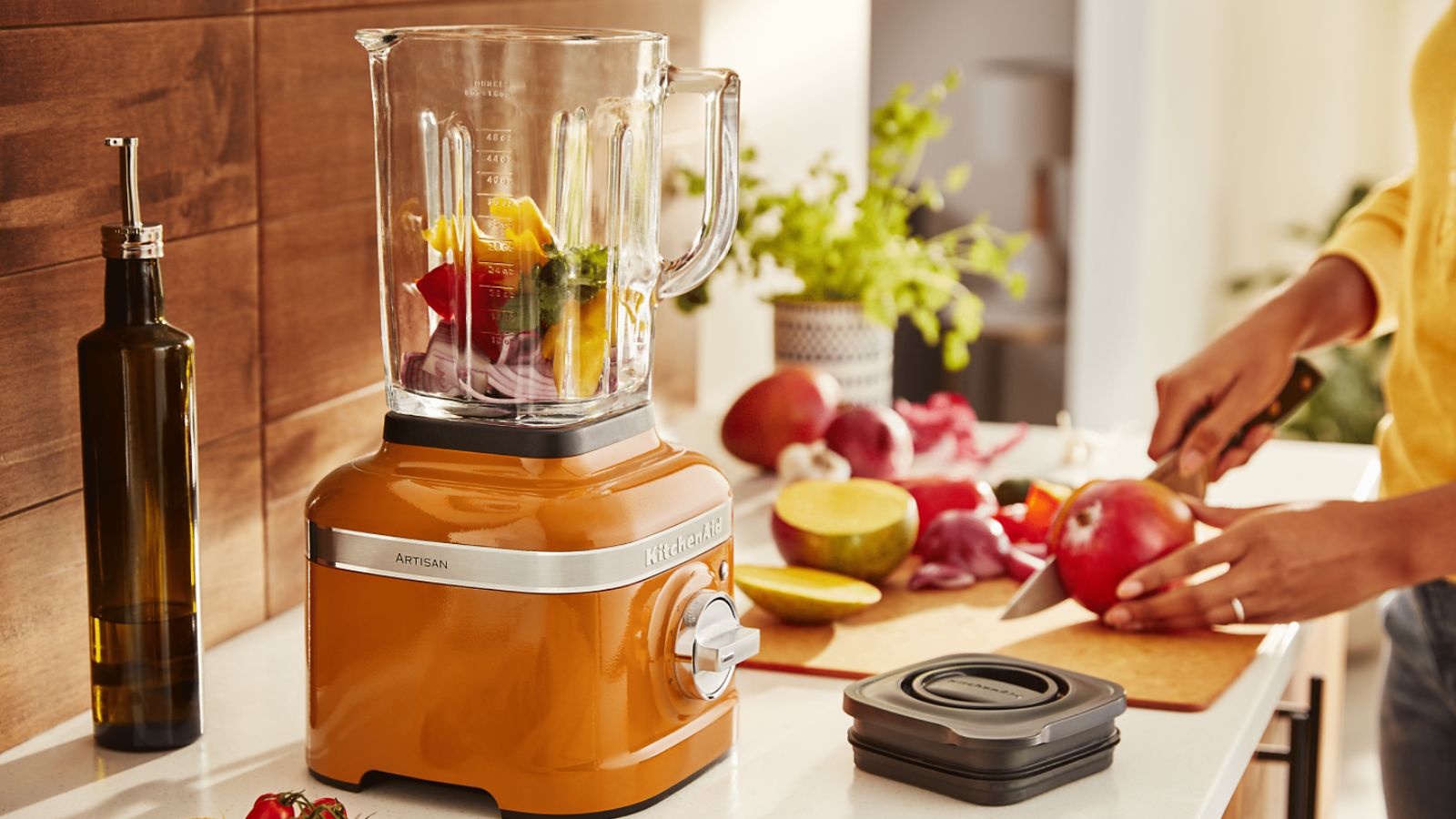
Have you ever wondered if a blender counts as a kitchen utensil? You might think of utensils as simple tools like spoons or knives, but where does a blender fit in?
Understanding this can change how you see your kitchen setup and even how you cook every day. Keep reading, and you’ll discover why this common appliance might be more important than you realize. By the end, you’ll know exactly how a blender can make your cooking easier and more enjoyable.
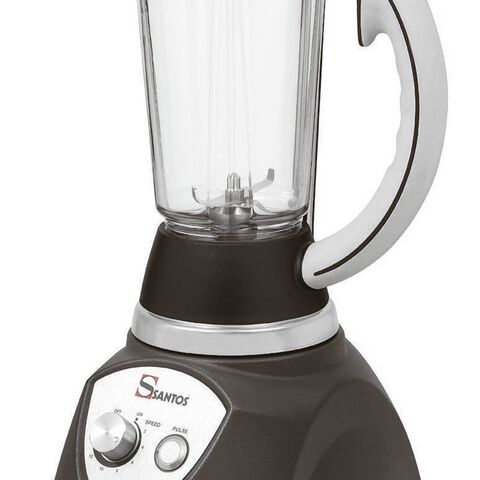
Credit: www.paderno.it
Blender Basics
Understanding the basics of a blender helps you see why it is more than just another kitchen utensil. It’s a powerful tool designed to make food preparation faster and more efficient. Whether you’re whipping up a smoothie or making soup, knowing what goes into a blender and the types available can change how you use it.
What Makes A Blender
A blender consists of a few key parts that work together to turn solid ingredients into smooth mixtures. At the heart is the motor, which powers the blades to chop and blend. The container, often made of glass or plastic, holds your ingredients while the lid keeps everything inside.
The blades are sharp and angled to create a vortex, pulling food down for even blending. Controls let you adjust speed and pulse settings, giving you more control over texture. Have you noticed how some blenders handle ice and frozen fruit better? That’s usually because of stronger motors and tougher blades.
Common Blender Types
- Countertop Blenders:These are the most common and versatile. They come with various speed settings and large containers, perfect for families or meal prep.
- Immersion Blenders:Also called hand blenders, these are great for blending directly in pots or bowls. They are compact and easy to clean but less powerful.
- Personal Blenders:Designed for single servings, these are handy for quick smoothies and easy to carry with you. They usually have smaller containers and simpler controls.
- High-Performance Blenders:Built for heavy-duty tasks, these can crush nuts, ice, and even make nut butter. They’re a bit pricier but offer excellent durability and power.
Which type fits your kitchen habits best? Consider what you blend most often and how much space you have. Knowing the basics helps you choose wisely and use your blender to its full potential.
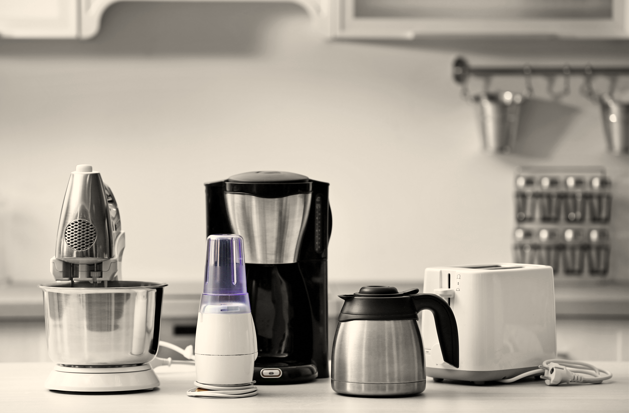
Credit: www.aspire-ave.com
Kitchen Utensil Defined
A kitchen utensil is any tool used to prepare, cook, or serve food. It includes items that help make tasks easier and faster in the kitchen. These tools can be simple or complex but serve a clear purpose related to food handling. Understanding what counts as a kitchen utensil helps clarify whether a blender fits the category.
Typical Kitchen Utensils
Common kitchen utensils include items like spoons, knives, forks, peelers, and spatulas. These tools are usually handheld and do not require electricity. They assist in cutting, stirring, mixing, or serving food. Utensils are often made from metal, plastic, or wood. Their main role is to support cooking tasks manually.
Tool Vs Appliance Debate
A kitchen tool is often small and used by hand. An appliance usually runs on electricity and performs more complex tasks. A blender blends, chops, and mixes using a motor. This power separates it from simple utensils. The blender’s function leans more toward a kitchen appliance than a utensil. The debate arises because it shares some utensil-like uses but needs electricity to work.
Blender's Role In The Kitchen
A blender is a common kitchen tool used for mixing, chopping, and blending ingredients quickly. It helps prepare smoothies, soups, and sauces with ease. Many consider it an essential utensil in modern cooking.
Blender's Role in the Kitchen A blender is more than just a kitchen appliance; it's a culinary powerhouse. Whether you're a seasoned chef or a home cook, its role in the kitchen is indispensable. It effortlessly transforms ingredients into delicious creations, making your cooking experience smoother and more enjoyable.
Blender Functions
Blenders excel at a wide array of tasks. From making smoothies to pureeing soups, they handle it all with ease. You can crush ice for cocktails or whip up a quick pancake batter. Their sharp blades and powerful motors make them a reliable partner for various kitchen tasks.
Versatility In Cooking
You might be surprised at the versatility a blender offers. It's not just for liquids; you can make almond flour, grind spices, or even create homemade baby food. Imagine preparing a creamy hummus or a spicy salsa in minutes. Do you want to experiment with new recipes? A blender can help you explore cuisines from around the world. It enables you to create sauces, dips, and even desserts without much hassle. The possibilities are endless, and the convenience is unmatched. What will you create with your blender today?

Credit: www.amazon.ca
Comparing Blenders To Utensils
Blenders often spark debate about whether they fit into the category of kitchen utensils. To answer this, let's look closely at how blenders stack up against traditional utensils. Understanding their differences and similarities can help you decide how essential a blender really is in your kitchen toolkit.
Manual Vs Electric Tools
Traditional kitchen utensils like spoons, whisks, and knives rely entirely on your physical effort. You control the speed, pressure, and technique directly. Blenders, however, use electricity to do the heavy lifting, making tasks quicker and often more consistent.
Think about chopping vegetables by hand versus using a blender. The blender’s motor-powered blades can process food in seconds, saving you time and energy. But does this convenience mean blenders should be considered more than just utensils? Or do they belong in a different category altogether?
Size And Portability
Most kitchen utensils are compact and easy to store. You can grab a whisk or spatula quickly without much hassle. Blenders, on the other hand, tend to be larger and require counter space or storage room.
Portable blenders have started to change this, offering a handheld, travel-friendly option. Still, their bulk and need for power set them apart from simple utensils. How much does size influence your idea of what counts as a kitchen utensil?
Expert Opinions
Experts provide valuable insights on whether a blender qualifies as a kitchen utensil. Their views help clarify its role in cooking and food preparation. This section shares opinions from chefs and industry standards.
Chef Perspectives
Many chefs see blenders as essential tools, not just utensils. They use blenders to mix, puree, and emulsify ingredients quickly. Chefs value blenders for saving time and ensuring smooth textures.
Some chefs differentiate between handheld utensils and electric appliances like blenders. They consider blenders a small appliance, separate from basic utensils such as spoons or knives. Yet, all agree blenders play an important role in the kitchen.
Industry Standards
Industry definitions often classify blenders as small kitchen appliances. These appliances require electricity and have multiple functions. Kitchen utensils, in contrast, usually refer to manual tools.
Appliance manufacturers list blenders under kitchen gadgets or appliances. This classification affects how consumers view and use blenders. It also guides safety and maintenance standards for the product.
Choosing The Right Tools
Choosing the right tools for your kitchen can make cooking more efficient and enjoyable. A blender is often seen as a versatile gadget, but understanding when it fits best in your culinary toolkit is key. Knowing its strengths and limitations helps you decide if it’s the right utensil for your task or if another tool would serve you better.
When To Use A Blender
A blender excels at tasks that require smooth, even textures. It’s perfect for making smoothies, pureeing soups, and creating sauces where you want a creamy consistency.
Think about those mornings when you need a quick breakfast shake or when you want to whip up a fresh salsa in seconds. Blenders save you time and effort in these cases.
However, if you need to chop ingredients roughly or blend thick doughs, a blender might struggle or even damage the motor. It’s important to match the tool to the job.
Alternatives To Blenders
If a blender isn’t quite right, other kitchen utensils can fill the gap effectively. A food processor, for example, is better for chopping, slicing, or kneading dough.
Hand mixers and immersion blenders offer more control for delicate tasks like whipping cream or blending small quantities directly in a pot. They can be more convenient in certain situations.
Using the right alternative can prevent frustration and improve your cooking results. What kitchen tasks do you find a blender can’t handle well? Trying out different tools might surprise you with new possibilities.
Frequently Asked Questions
Is A Blender Considered A Kitchen Utensil?
Yes, a blender is considered a kitchen utensil. It helps with food preparation by mixing, pureeing, and blending ingredients efficiently.
How Does A Blender Differ From Other Kitchen Utensils?
A blender uses motorized blades to process food quickly. Unlike manual utensils, it automates blending, saving time and effort in the kitchen.
Can A Blender Replace Traditional Kitchen Utensils?
A blender can replace some utensils like whisks or mashers. However, it cannot fully substitute tools needed for chopping or cutting.
What Types Of Kitchen Tasks Require A Blender?
Blenders are ideal for smoothies, soups, sauces, and purees. They handle liquid and soft ingredients better than many other utensils.
Conclusion
A blender is more than just a tool; it is a kitchen utensil. It helps prepare many dishes quickly and easily. From smoothies to soups, it mixes and blends ingredients well. Everyone can use it, no matter the cooking skill.
Owning a blender adds convenience to daily cooking tasks. It saves time and effort while making food taste better. So, a blender truly belongs in every kitchen utensil collection. Simple, useful, and effective—just what a kitchen needs.