
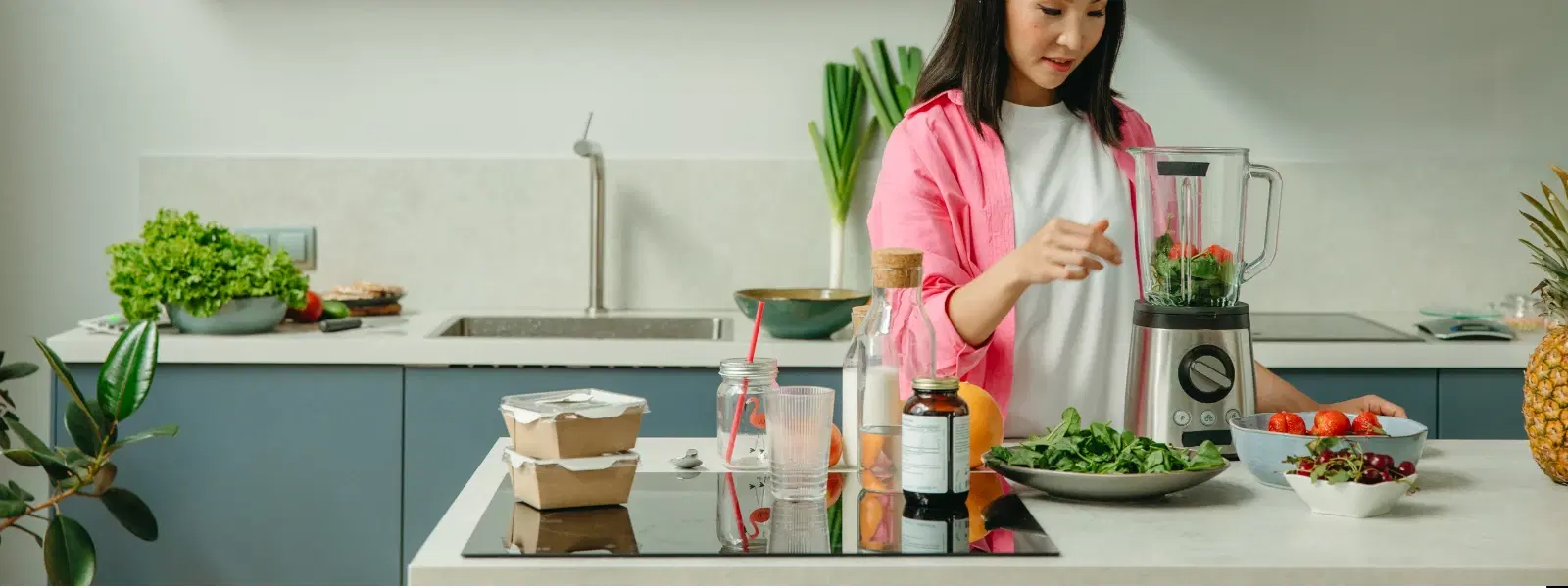
Are you ready to make your time in the kitchen easier and more fun? Learning how to use a blender can transform the way you prepare meals.
Imagine whipping up smoothies, soups, sauces, and even desserts with just one powerful tool. You don’t need to be a chef or have fancy gadgets—just a blender and a little know-how. You’ll discover simple tips and tricks that will help you get the most out of your blender every time.
Keep reading, and you’ll be blending like a pro in no time!
Choosing The Right Blender
Choosing the right blender can make a huge difference in your kitchen experience. With so many options available, it’s important to understand what suits your cooking style and needs. The right blender should not only fit your budget but also handle the tasks you expect it to perform efficiently.
Types Of Blenders
Blenders come in various types, each designed for specific uses. Countertop blenders are the most common and versatile, great for smoothies, soups, and sauces. Personal blenders are smaller and perfect for quick, single servings.
Immersion blenders, or stick blenders, let you blend directly in pots or bowls, saving time and cleanup. High-performance blenders offer powerful motors and can crush ice and nuts with ease, ideal if you want a machine that can do it all.
Key Features To Look For
Look for a blender with a strong motor, ideally above 500 watts, to handle tough ingredients without overheating. Variable speed settings give you control over texture and consistency, which is useful for different recipes.
Consider the jar material—glass jars are sturdy and don’t retain odors, while plastic jars are lighter and less fragile. Easy-to-clean designs, dishwasher-safe parts, and safety features like locking lids can save you time and hassle.
Budget Considerations
Your budget will shape your choices but don’t sacrifice quality for a lower price. Entry-level blenders can cost as little as $30 and work fine for simple tasks. Mid-range models, between $70 and $150, often provide better power and durability.
If you blend daily or want a machine that lasts, investing in a high-end blender above $200 might pay off. Think about how often you’ll use it and what you’ll blend most—this helps you decide if spending more will bring real value to your kitchen.
Essential Blender Accessories
Using a blender in the kitchen becomes easier and more efficient with the right accessories. These tools help expand the blender’s functions and improve your cooking experience. Knowing which accessories to have can save time and effort.
Essential blender accessories come in different types. Each type serves a unique purpose. Choosing the right ones depends on what you want to make and how often you use the blender.
Blades And Attachments
Blades are the heart of any blender. Different blades handle various tasks:
- Standard blades for smoothies and soups
- Ice-crushing blades for frozen drinks
- Grinding blades for nuts and seeds
Some blenders come with extra attachments such as whiskers or dough hooks. These attachments allow you to whisk eggs or knead dough easily.
Containers And Jars
Blender containers vary in size and material. Common options include glass, plastic, and stainless steel jars. Choose containers based on your needs:
- Small jars for single servings
- Large jars for family meals
- Travel cups for on-the-go blending
Look for lids that seal tightly to prevent spills. Some jars have measurement marks for easy ingredient addition.
Cleaning Tools
Cleaning your blender quickly keeps it ready for use. Special cleaning brushes help reach tight spots. Some key cleaning tools include:
- Brushes with long handles for blades and jars
- Sponges designed for delicate parts
- Dishwasher-safe containers for easy cleaning
Regular cleaning prevents buildup and keeps flavors fresh. Always clean accessories right after use for best results.
Preparing Ingredients For Blending
Chop ingredients into small, even pieces to help the blender work better. Remove any hard seeds or skins that might damage the blades. Gather all items before blending for smooth, quick mixing.
Preparing ingredients for blending is crucial in achieving the perfect texture and flavor in your recipes. Whether you're whipping up a smoothie, soup, or sauce, understanding how to prepare your ingredients can make all the difference. Let’s dive into some practical tips and insights that will help you get the most out of your blender.
Chopping And Sizing Tips
Cutting your ingredients into uniform pieces ensures even blending. Large chunks can strain the motor and result in uneven textures. Aim for pieces that are about one to two inches long. Soft fruits like bananas or avocados blend smoothly even if cut into larger sections. However, tougher vegetables like carrots or celery should be chopped into smaller bits to ease the blending process. Do you often find that some ingredients remain unblended at the bottom? This might be your solution.
Best Liquids To Use
The choice of liquid can dramatically affect your blend's consistency. Water, milk, or plant-based options like almond milk are great for a neutral taste. If you want a touch of sweetness, juices can be a flavorful addition. For a creamy texture, you might consider adding yogurt or coconut milk. Just remember to adjust the quantity based on your desired thickness. Have you ever considered using tea as a liquid base? It could add a unique twist to your blend.
Avoiding Common Mistakes
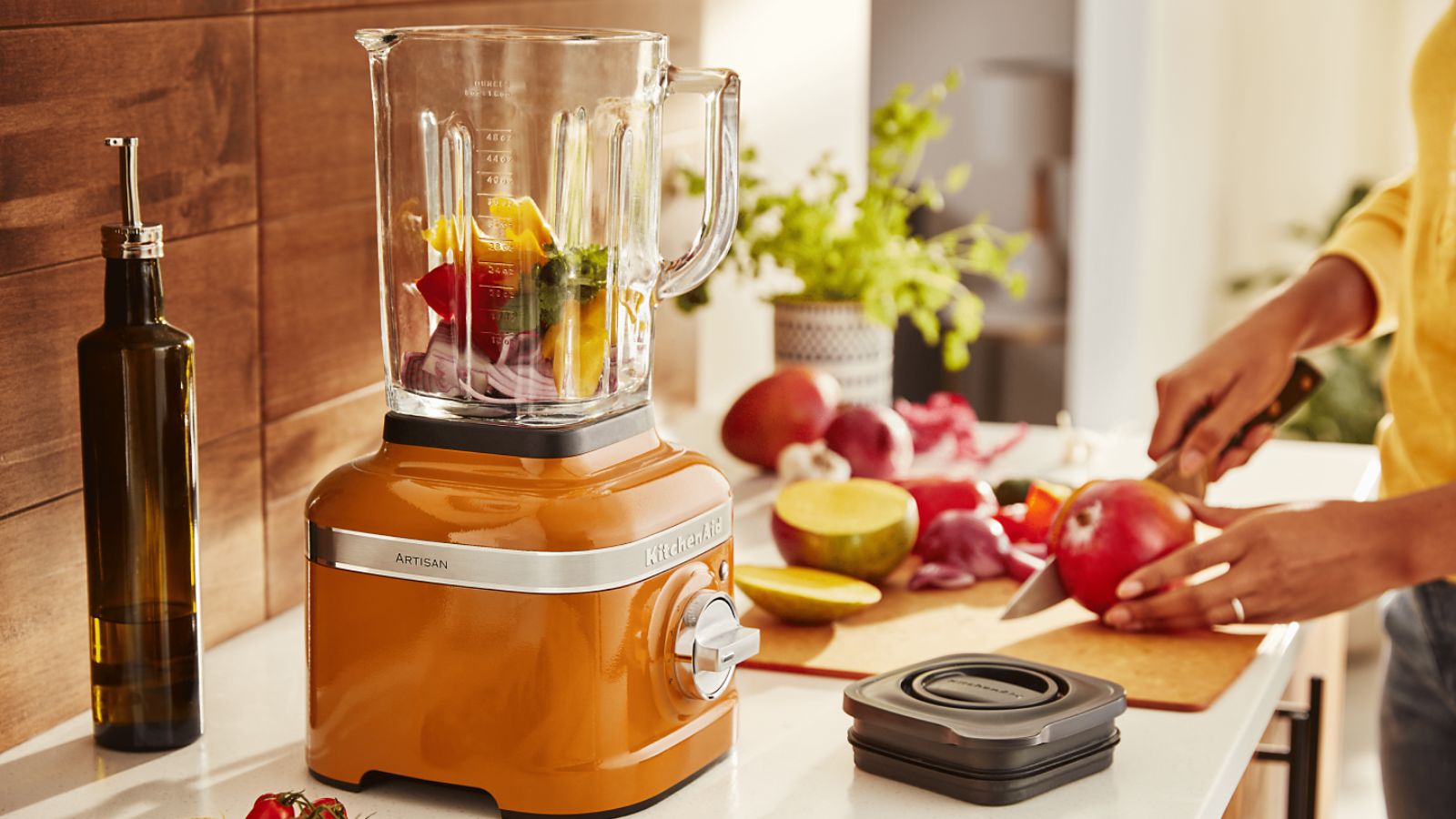
Overloading the blender is a common mistake that can lead to poor results. Always check your blender's capacity before filling it up. Overfilling can cause the motor to overwork and might damage the appliance. Another pitfall is blending at too high a speed too soon. Start on a low setting, then gradually increase the speed. This technique not only protects your blender but also ensures a smoother blend. Avoid blending hot ingredients without venting. The steam can create pressure, leading to potential spills or even accidents. Have you ever experienced a blender mishap? A little preparation goes a long way in preventing them.
Credit: www.homesandgardens.com
Basic Blending Techniques
Mastering basic blending techniques can transform your kitchen routine. Whether you’re making smoothies, sauces, or soups, knowing how to control your blender makes all the difference. Simple adjustments in how you use your blender can improve texture and flavor every time.
Pulse Vs. Continuous Blending
Pulse blending is great for chunky textures or when you want to combine ingredients without over-processing them. It works in short bursts, giving you more control over the consistency.
Continuous blending runs non-stop until you stop it. Use this for smooth soups, purees, or drinks where you want everything fully blended. Have you noticed how pulse helps keep nuts or veggies from turning into paste? That control can save your recipe.
Speed Settings Explained
Most blenders come with multiple speed options, usually low, medium, and high. Low speeds are perfect for mixing soft ingredients or stirring thick mixtures gently.
Medium speed works well for chopping and combining harder ingredients. High speed is best for completely pureeing fruits, vegetables, or ice.
Try starting slow and increasing speed gradually. This approach helps avoid splattering and gives you better control over texture. Have you tried adjusting speeds mid-blend to improve your recipe’s outcome?
Safety Tips
- Always secure the lid:Never blend without the lid tightly in place to prevent spills and accidents.
- Avoid overfilling:Overloading the blender can cause overheating or damage the motor.
- Unplug before cleaning:Always disconnect your blender before removing blades or cleaning to prevent injuries.
- Handle blades carefully:Blender blades are sharp—use caution when assembling or washing.
Have you ever faced a blender mishap? Taking these safety steps seriously can keep your kitchen safe and your blender lasting longer.
Smoothies And Juices
Blenders are perfect for making smoothies and juices quickly. They help combine fruits, vegetables, and liquids into smooth, tasty drinks. These drinks can be refreshing and healthy. Using a blender in the kitchen saves time and effort.
Smoothies and juices are great for breakfast or snacks. They provide energy and nutrients in an easy-to-drink form. Blending keeps the fiber from fruits and vegetables, which helps digestion and fullness. You can control the ingredients to suit your taste and health needs.
Classic Smoothie Recipes
Classic smoothies use simple, common ingredients. Start with a base like milk, yogurt, or juice. Add fruits such as bananas, berries, or mangoes. For sweetness, use honey or maple syrup if needed. Blend until smooth and creamy.
- Banana and strawberry smoothie: banana, strawberries, yogurt, milk.
- Mango and orange smoothie: mango, orange juice, yogurt.
- Berry mix smoothie: blueberries, raspberries, blackberries, almond milk.
Green Juice Blends
Green juices are full of vitamins and minerals. Use leafy greens like spinach, kale, or celery. Add cucumber or green apple for freshness and sweetness. Blend with water or coconut water for a smooth texture. Green juices can boost energy and detoxify the body.
- Spinach and apple juice: spinach, green apple, cucumber, water.
- Kale and celery blend: kale, celery, lemon, coconut water.
- Mixed greens juice: spinach, parsley, cucumber, green grapes.
Boosting Nutritional Value
Enhance smoothies and juices with healthy extras. Add chia seeds, flaxseeds, or protein powder for more nutrients. Include nuts or oats for fiber and energy. Use fresh herbs like mint or ginger for flavor and health benefits. Small changes can make your drinks more nutritious.
- Chia seeds: rich in omega-3 and fiber.
- Protein powder: supports muscle health.
- Fresh ginger: aids digestion and reduces inflammation.

Credit: www.yahoo.com
Soups And Sauces
Blenders are great tools for making soups and sauces fast and easy. They help mix ingredients smoothly, creating rich textures and balanced flavors. Using a blender saves time and effort in the kitchen.
Creamy Soup Ideas
Blenders turn cooked vegetables into creamy soups without cream. Try pureeing pumpkin, carrot, or tomato for warm, smooth dishes. Add herbs like basil or thyme for extra taste. For a thicker soup, blend cooked potatoes or beans with broth.
Homemade Sauce Recipes
Use a blender to create fresh sauces like pesto, marinara, or salsa. Blend tomatoes, garlic, and herbs for a quick tomato sauce. Mix nuts, cheese, and olive oil to make a creamy pesto. Control the texture by blending longer or shorter.
Heating And Blending Tips
- Cool hot soups slightly before blending to avoid splashes.
- Blend in small batches for even texture and safety.
- Use the pulse setting for chunky sauces or smooth blending for creamy results.
- Stir soups and sauces during blending to mix evenly.
- Clean the blender immediately after use to prevent stains.
Dips And Spreads
Dips and spreads are some of the easiest and most satisfying ways to use your blender in the kitchen. They transform simple ingredients into flavorful additions that can elevate snacks, meals, and gatherings. Whether you're preparing a quick guacamole or experimenting with unique spreads, the blender saves you time and effort while delivering smooth, creamy results.
Guacamole Variations
Classic guacamole is a staple, but your blender can help you mix up exciting variations quickly. Try adding ingredients like roasted corn, diced mango, or even a touch of Greek yogurt for creaminess. Blending gently keeps the texture chunky yet well combined.
Think about the flavors you enjoy—do you prefer spicy or mild? Adding jalapeños or mild bell peppers can adjust the heat level to your liking. Using the blender means you can test and tweak your recipe in minutes.
Hummus And Bean Dips
Blenders make hummus and other bean dips smooth and creamy without the hassle of mashing by hand. You can start with traditional chickpeas or branch out to black beans, white beans, or lentils. Each type offers a different taste and texture to explore.
Add garlic, tahini, lemon juice, and olive oil to your beans, and blend until silky. Want to experiment? Toss in roasted red peppers, sun-dried tomatoes, or fresh herbs for unique flavors. Your blender lets you create dips that suit your mood and menu.
Creative Spread Options
Why stick to the usual when your blender can help you make inventive spreads? Combine nuts like almonds or cashews with herbs and spices for a delicious nut-based spread. You can also blend cooked vegetables, such as roasted eggplant or beets, with garlic and olive oil for vibrant results.
Have you tried blending avocado with white beans and lemon for a creamy, protein-packed spread? Or mixing cooked carrots with ginger and a splash of orange juice for a sweet and zesty twist? The possibilities are endless, and your blender makes experimenting simple and fun.
Baking And Dough Preparation
Baking requires precise mixing and careful dough preparation. A blender can simplify these tasks. It helps combine ingredients quickly and evenly. Using a blender saves time and effort in the kitchen. It also ensures consistent results for your baked goods.
Mixing Batter Efficiently
Blenders mix batter smoothly and fast. They break down lumps and blend ingredients well. This creates a uniform texture for cakes, pancakes, or muffins. Pour wet and dry ingredients into the blender jar. Use the pulse or low-speed setting for best control. Avoid overmixing to keep batter light and fluffy.
Preparing Dough With A Blender
Blenders can handle light doughs like pastry or pizza dough. Use the pulse function to combine flour, water, and yeast. Stop blending once the dough forms a ball. Overworking dough in a blender can affect its texture. For heavy doughs, kneading by hand or mixer is better. A blender speeds up the initial mixing stage.
Tips For Texture And Consistency
- Add liquids gradually to avoid overly wet batter or dough.
- Use short pulses instead of continuous blending.
- Scrape down the sides to mix ingredients evenly.
- Keep an eye on texture; stop blending as soon as it looks right.
- Chill doughs if needed to improve handling.
Desserts And Frozen Treats
Desserts and frozen treats become much easier and more fun to prepare with a blender. This kitchen tool can quickly transform simple ingredients into delightful sweets that impress friends and satisfy your cravings. Whether you want creamy ice cream, refreshing sorbets, or rich sauces, your blender is a versatile partner in dessert creation.
Blended Ice Cream Recipes
You can make smooth, creamy ice cream right at home using just a blender and a few ingredients. Start with frozen fruit, a splash of milk or cream, and a bit of sweetener. Blend these until you get a thick, scoopable texture.
Try adding flavors like vanilla extract or cocoa powder for variety. Don’t have an ice cream maker? No problem. Your blender can handle the job, saving space and time.
Fruit Sorbets And Slushies
Fruit sorbets and slushies are perfect for hot days and require minimal prep. Freeze chunks of your favorite fruit, then blend them with a little juice or water until smooth. The result is a refreshing, healthy treat with no added preservatives.
Experiment with combinations like mango-lime or strawberry-mint. You’ll find that the blender keeps the texture just right without melting your dessert too fast.
Sweet Sauce Preparations
Blenders help you create sweet sauces that elevate any dessert. Whip up chocolate ganache, caramel drizzle, or berry coulis in seconds by blending ingredients until silky smooth. These sauces can turn simple dishes into gourmet experiences.
Keeping a batch ready in your fridge lets you add a quick touch of sweetness whenever you want. Have you tried blending a sauce with unexpected ingredients like roasted nuts or spices to surprise your taste buds?

Credit: www.youtube.com
Cleaning And Maintenance
Rinse blender parts immediately after use to prevent food buildup. Clean blades carefully and dry all pieces before storing. Regular maintenance keeps the blender safe and working well.
Cleaning and maintaining your blender ensures it runs smoothly and lasts longer. Regular care helps in keeping it hygienic and ready for the next use. Dive into these simple tips for keeping your blender in top shape.
Quick Cleaning Hacks
A quick rinse right after use prevents food from drying. Fill the blender halfway with warm water. Add a drop of dish soap. Blend on low speed for 30 seconds. Rinse and it’s done. For stubborn stains, use a soft sponge. Avoid harsh scrubbers to prevent scratches.
Deep Cleaning Methods
Disassemble your blender for thorough cleaning. Remove the blades, gasket, and lid. Soak these parts in warm soapy water. Use a toothbrush to clean around the blades. Rinse all parts thoroughly. Dry them before reassembling. Ensure the base remains dry. Wipe it with a damp cloth only.
Storing Your Blender
Store your blender in a dry, accessible place. Keep all parts together to avoid misplacing. Ensure the blender is completely dry before storing. This prevents mold and odor build-up. Cover it to protect from dust. A tidy kitchen maintains a tidy mind.
Frequently Asked Questions
What Are The Main Uses Of A Blender In The Kitchen?
A blender is ideal for making smoothies, soups, sauces, and purees. It quickly chops and blends ingredients for easy meal prep. You can also crush ice and mix batters with it.
How Do I Safely Use A Blender For Cooking?
Always secure the lid tightly before blending. Start at a low speed and increase gradually. Never insert utensils while the blender runs to avoid accidents.
Can I Blend Hot Ingredients In A Blender?
Yes, but use caution. Allow hot ingredients to cool slightly first. Remove the center cap to release steam and prevent pressure buildup.
How Do I Clean My Blender Efficiently?
Rinse immediately after use to prevent residue buildup. Blend warm water with a drop of dish soap, then rinse thoroughly. Avoid submerging the motor base in water.
Conclusion
Using a blender in the kitchen saves time and effort. You can make smoothies, soups, sauces, and more. It helps mix ingredients quickly and evenly. Cleaning a blender is simple and fast. Try different recipes to enjoy healthy meals daily.
A blender is a useful tool for every home cook. Start blending and enjoy fresh, tasty dishes today!