
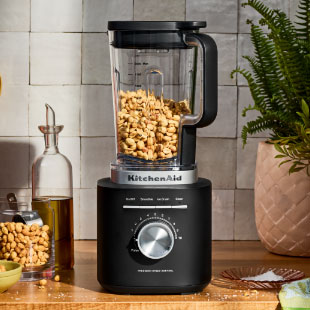
If your KitchenAid blender isn’t working quite right, the problem might be a worn-out coupler. This small part connects the motor to the blade, making your blender run smoothly.
When it breaks, your blender can stop spinning or make strange noises. But don’t worry—you can fix this yourself. In this guide, you’ll learn exactly how to change the coupler on your KitchenAid blender, step by step. By the end, your blender will be back to perfect blending, saving you time and money on repairs.
Ready to get started? Let’s dive in!

Credit: www.youtube.com
Signs You Need A New Coupler
The coupler is a small part that connects the blender jar to the motor base. It helps the blades turn properly. Over time, the coupler can wear out or break. This can cause problems with your KitchenAid blender. Knowing the signs can help you fix the issue quickly.
Watch for unusual noises, such as grinding or clicking sounds. If the blades stop spinning or slip during use, the coupler might be damaged. You may also notice the blender jar does not stay firmly attached to the base.
Common Coupler Problems
- The coupler cracks or breaks from regular use.
- Blades do not rotate smoothly or at all.
- The jar wobbles or feels loose on the base.
- Unusual noises come from the motor area.
- The blender stops working mid-cycle without reason.
How To Test Coupler Functionality
- Remove the blender jar from the base.
- Check the coupler for cracks, wear, or damage.
- Try turning the blades by hand to see if the coupler moves smoothly.
- Attach the jar back and run the blender on low speed.
- Listen for strange sounds and watch if the blades spin well.
Tools And Materials Needed
Before you start changing the coupler on your KitchenAid blender, gathering the right tools and materials is crucial. Having everything ready helps you avoid interruptions and makes the process smoother. Let’s look at what you’ll need to get the job done efficiently.
Essential Tools
You won’t need a huge toolbox for this repair, but a few specific tools make the task easier. A small flathead screwdriver is handy for prying off parts without damage. Needle-nose pliers give you better grip when handling small components.
A clean cloth or rag helps keep the work area tidy and prevents slipping. Sometimes, a wrench or socket set might be necessary if your model’s coupler is tightly secured. Do you have these tools already, or will you need to pick up a couple?
Replacement Coupler Selection
Choosing the right replacement coupler is vital for your blender to work properly after the fix. KitchenAid blenders come with different coupler models depending on the blender type and generation. Check your blender’s model number—usually found on the base—to find the exact match.
Buying a generic coupler might save money upfront but can cause performance issues or wear out faster. You can find genuine replacement parts online or at appliance stores. Are you ready to invest in quality parts that extend your blender’s life?
Preparing Your Blender
Unplug the Kitchen Aid blender before starting to change the coupler. Remove the blender jar and clean the base area to avoid dirt. Ensure you have the right replacement coupler ready for installation.
Preparing your KitchenAid blender for a coupler change is simple. This process ensures safety and efficiency. Start by making sure your workspace is clean and well-lit. This will help you see the parts clearly. Having a clean area reduces the risk of losing small pieces. Now, let's dive into the preparatory steps.
Unplugging And Cleaning
First, unplug your blender from the power source. Safety is crucial to avoid any electrical hazards. Wipe down the exterior with a damp cloth to remove dust and spills. Focus on the base where grime accumulates. Make sure the blender jar is empty and clean. This prevents any mess when you proceed with the coupler change. Dry all parts thoroughly before moving to the next step.
Removing The Blender Base
Flip the blender upside down to access the base. Unscrew the screws using a screwdriver. Keep the screws in a safe place for reassembly. Gently lift the base to reveal the internal components. Take note of how the pieces fit together. This will assist in reassembly. If the base is stuck, wiggle it slightly. This helps in loosening it without damage. Once removed, inspect the coupler and surrounding parts. Ensure they are free of debris.
Removing The Old Coupler
Removing the old coupler from a Kitchen Aid blender is a straightforward task. It helps restore your blender's performance and prevents leaks or unusual noises. This process requires careful handling to avoid damage to the blender parts.
Start by detaching the blender jar to expose the base. Then, access the coupler hidden beneath the jar. Finally, follow the steps to remove the worn coupler safely.
Detaching The Blender Jar
Place the blender on a clean surface. Hold the jar firmly and twist it counterclockwise. Lift the jar off the base gently. Set the jar aside to avoid spills or damage.
Accessing The Coupler
Turn the blender base upside down. Locate the coupler at the center of the base. Use a cloth to grip the coupler if it feels slippery. Prepare a screwdriver or wrench if needed to loosen the coupler.
Steps To Remove The Coupler
- Hold the blender base steady on the surface.
- Use a screwdriver or wrench to unscrew the coupler carefully.
- Pull the coupler straight out once it is loose.
- Check the area for any debris or damage before installing a new coupler.
Installing The New Coupler
Installing the new coupler on your KitchenAid blender is a straightforward process that ensures your appliance runs smoothly again. Taking care during this step will help avoid future issues and keep your blender working like new. Let’s walk through how to fit the new part correctly.
Aligning The New Coupler
Start by examining the new coupler carefully. Notice the grooves and notches designed to fit perfectly onto the blender’s drive shaft. Align these carefully to avoid forcing the piece and causing damage.
Try gently placing the coupler onto the shaft and see if it slides in smoothly. If it resists, double-check the alignment. This small attention can save you time and frustration.
Securing The Coupler In Place
Once aligned, press the coupler firmly onto the shaft. You should feel it snap or click into place, indicating a secure fit. If your model uses screws or clips, make sure to tighten or lock them properly.
After securing the coupler, test the fit by twisting it slightly. It should stay firmly in place without wobbling. Does your blender feel solid and ready? This step is crucial to avoid leaks or blade misalignment during use.

Credit: www.amazon.com
Reassembling And Testing
After replacing the coupler on your KitchenAid blender, reassembling and testing are crucial steps to make sure everything works perfectly. This process ensures that the blender operates smoothly without leaks or unusual noises. Taking your time here will save you from potential damage or frustration later.
Putting The Blender Back Together
Start by placing the new coupler firmly onto the motor shaft. Make sure it fits snugly and doesn’t wobble. Next, carefully align the blade assembly with the coupler, pressing it down until it clicks or feels secure.
When you reattach the blender jar, check that the gasket or sealing ring is properly seated. This prevents leaks during blending. Screw the base onto the jar tightly but avoid over-tightening, which can damage the threads.
Before moving on, give the jar a gentle twist to confirm it’s locked onto the base. Loose parts can cause accidents or stop the blender from working correctly. Have you noticed any misalignments or loose components? Fix those before testing.
Running A Test Blend
Plug in your blender and place it on a flat, stable surface. Add a small amount of water or juice to the jar—this helps test the seal and motor without risking damage. Start blending at a low speed to watch for unusual sounds or vibrations.
If the blender runs smoothly, gradually increase the speed. Listen carefully for any grinding or rattling that might indicate the coupler isn’t seated properly. Stop immediately if you hear anything suspicious.
Check the jar for leaks during and after blending. Even a tiny drip means you need to recheck the gasket or the coupler alignment. What do you notice about the blender’s performance compared to before? This test helps you confirm your repair was successful.
Tips For Maintaining Your Coupler
Maintaining the coupler of your Kitchen Aid blender extends its life and keeps it working smoothly. The coupler connects the motor base to the blade assembly, so it faces wear and tear. Regular care can prevent damage and costly replacements.
Regular Cleaning
Clean the coupler after every use to remove food residue and liquids. Use a soft brush or cloth to wipe it down gently. Avoid soaking the coupler in water for long periods.
Dry the coupler completely before reassembling the blender. This prevents rust and keeps the parts fitting well. Check for any cracks or wear during cleaning to catch problems early.
Avoiding Damage
Do not overload the blender with heavy or thick ingredients. Overloading strains the coupler and motor. Use the blender in short bursts instead of running it continuously.
Avoid twisting the blender jar forcefully when attaching or removing it. Align the parts carefully to prevent bending or breaking the coupler. Store the blender in a dry place away from extreme temperatures.

Credit: www.youtube.com
Frequently Asked Questions
How Do I Remove The Coupler On A Kitchen Aid Blender?
To remove the coupler, first unplug the blender. Then, twist the blender base counterclockwise to detach the coupler. Use a cloth for grip if needed.
What Tools Are Needed To Change The Coupler?
Usually, no special tools are needed. A cloth or rubber grip helps remove the coupler easily. Sometimes, a screwdriver might assist in loosening parts.
How Do I Install A New Coupler On My Blender?
Align the new coupler with the blender base. Push it gently into place and twist clockwise until secure. Ensure it fits snugly before use.
How Often Should I Replace The Kitchen Aid Blender Coupler?
Replace the coupler when you notice wear, slipping, or poor blade rotation. Typically, replacement is needed every 1-2 years with regular use.
Conclusion
Changing the coupler on your Kitchen Aid blender is simple and quick. Follow the steps carefully to avoid damage. Use the right tools and take your time. This small fix helps your blender work like new. Save money by doing it yourself.
Keep your blender running smoothly for years. A little care goes a long way. Now, enjoy your blender without any worries.