
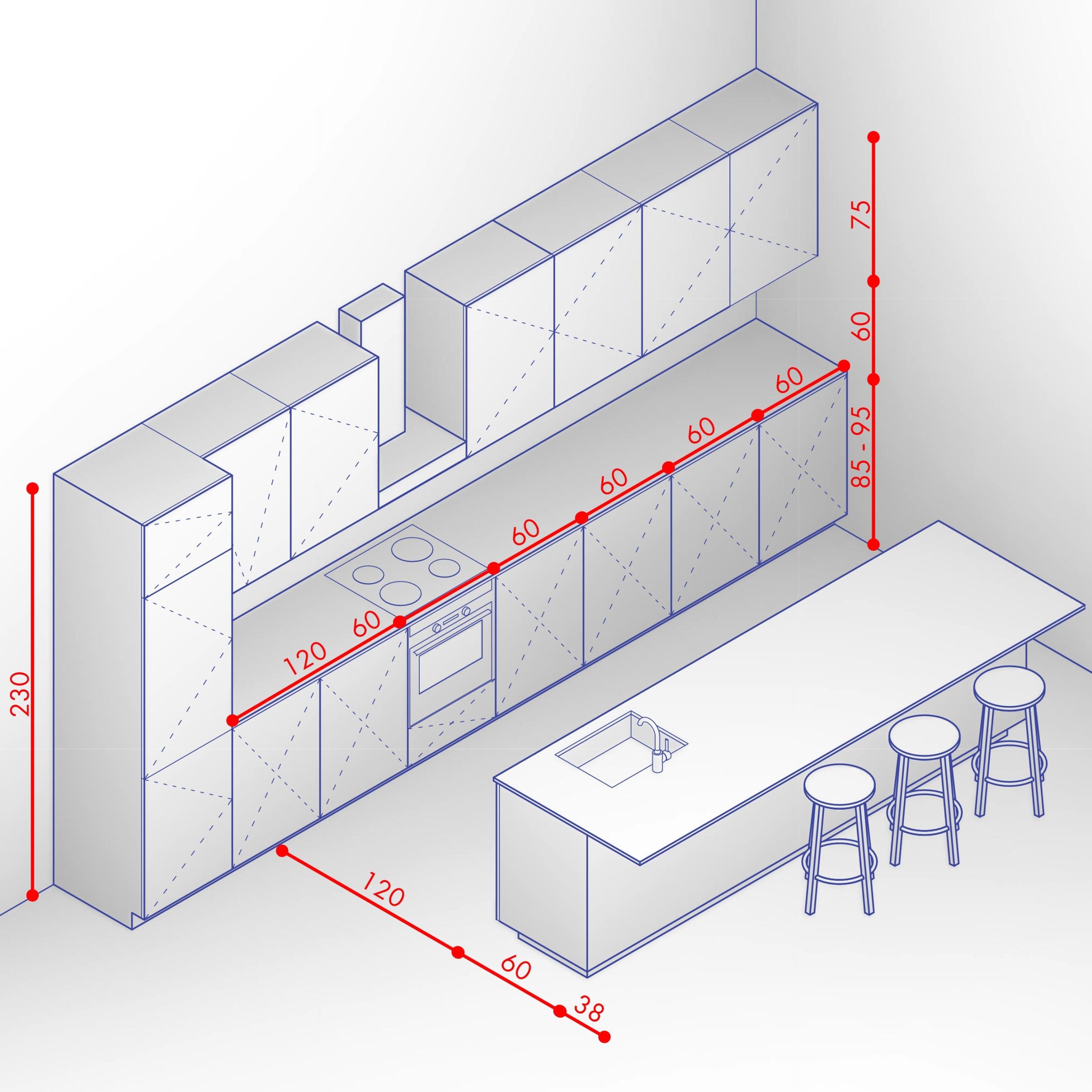
Are you ready to transform your kitchen ideas into a clear, practical plan? Drawing out a kitchen plan might sound tricky, but with the right steps, you can create a space that fits your needs perfectly.
Imagine having a kitchen layout that makes cooking easier, storage smarter, and every inch work just for you. You’ll discover simple ways to map out your dream kitchen. Keep reading, and you’ll be one step closer to a kitchen that feels just right.
Essential Kitchen Layouts
Creating a kitchen plan involves sketching the space and deciding on key areas like cooking, cleaning, and storage. Begin with measuring the room, noting windows and doors. Then, arrange appliances and workstations to ensure efficient workflow and accessibility.
Designing your kitchen layout is a thrilling endeavor. It’s the heart of your home, where functionality meets style. Whether you’re an aspiring chef or a meal prep beginner, choosing the right layout can make a world of difference.
Single-wall Design
The single-wall kitchen is perfect for small spaces. It's efficient, with all appliances and cabinets along one wall, maximizing floor space. Picture your morning routine streamlined—everything you need within arm’s reach.
Galley Kitchen
Galley kitchens are popular in apartments and smaller homes. With two parallel walls, it offers an efficient work triangle. Imagine preparing meals with ease, as everything is just a pivot away.
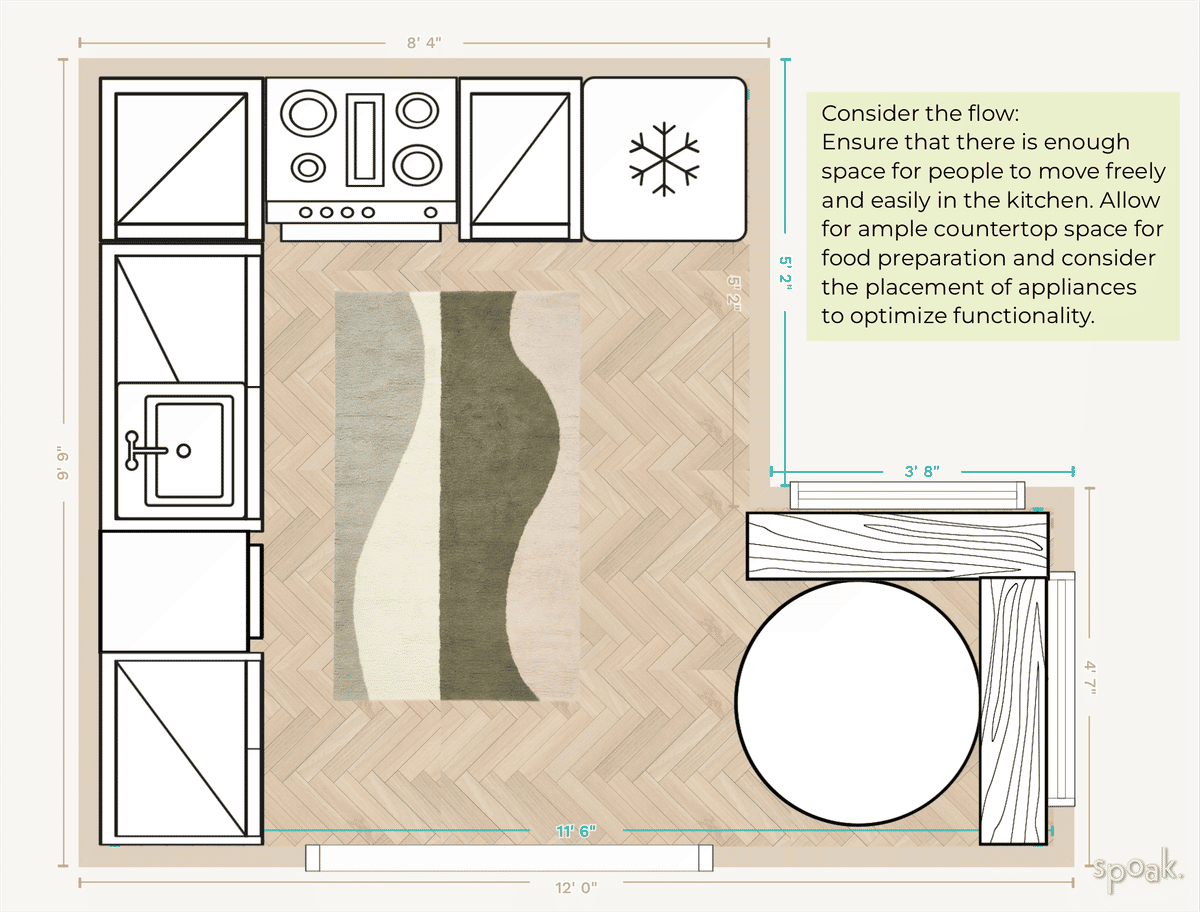
L-shaped Layout
The L-shaped kitchen is a versatile choice. It provides ample counter space and allows for easy movement. It’s great for socializing, letting you cook while chatting with friends or family.
U-shaped Arrangement
The U-shaped kitchen offers maximum storage and counter space. It's ideal for those who love to cook and need everything at their fingertips. The wrap-around design creates a cozy cooking nook.
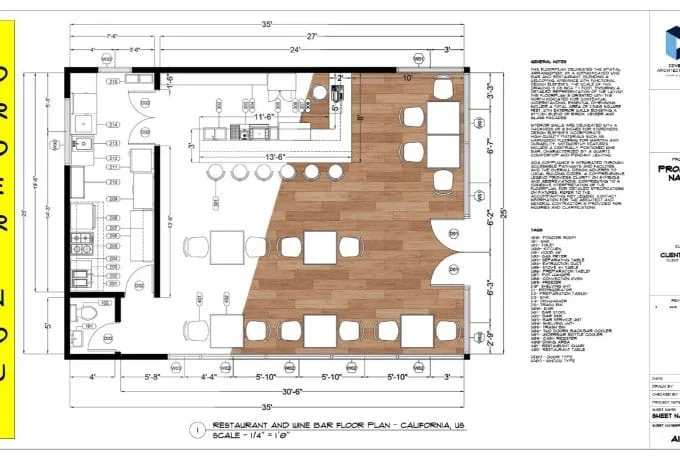
Island And Peninsula Options
Adding an island or peninsula can transform your kitchen. It provides additional counter space and can serve as a casual dining area. Imagine hosting a dinner party, guests gathered around the island, wine in hand, as you put the finishing touches on a meal.
Credit: www.therestauranthq.com
Measuring Your Space
Measuring your kitchen space is the first and most important step in drawing a kitchen plan. Accurate measurements help create a layout that fits perfectly. It avoids costly mistakes and wasted materials.
Take your time and be precise. Use a tape measure and note down every detail. Small errors can cause big problems later.
Recording Dimensions
Start by measuring the length and width of the kitchen. Measure from wall to wall at several points. Walls might not be perfectly straight.
Note the height from floor to ceiling. Write down measurements clearly and double-check them. Use a notebook or a digital device to keep track.
Noting Doors And Windows
Measure the size and position of all doors and windows. Include the distance from the floor to the bottom and top of each window.
Mark how doors open and their swing direction. This affects the placement of cabinets and appliances. Don’t forget to measure any trim or molding around them.
Considering Appliances And Fixtures
Record dimensions of all existing appliances and fixtures. Include the stove, refrigerator, sink, and dishwasher. Note their exact location in the kitchen.
Think about space for future appliances too. Measure plumbing and electrical points. This helps plan connections without extra work later.
Designing The Work Triangle
Designing the work triangle is essential for creating a kitchen that feels efficient and comfortable. This concept connects the three main areas where most kitchen tasks happen: the sink, stove, and refrigerator. The goal is to minimize unnecessary movement while maximizing convenience, so your cooking flow stays smooth and enjoyable.
Locating The Sink
The sink often becomes the heart of your kitchen since it's used for prepping and cleaning. Place it where you have easy access to natural light if possible—this makes washing dishes less of a chore. Also, think about having enough counter space on both sides of the sink to set down groceries or dirty dishes; it helps keep your workflow neat.
Placing The Stove
Your stove needs to be close enough to the sink for quick transfers but far enough to avoid water splashes. You want at least 15 inches of counter space on one side to safely place hot pots and pans. If you cook with multiple burners often, consider positioning the stove so you can comfortably move around it without bumping into other appliances or walls.
Positioning The Refrigerator
The refrigerator should be near the entrance of your kitchen to make unloading groceries easier. It’s also smart to place it within reach of both the sink and stove, so you don’t waste steps grabbing ingredients. Avoid corners or tight spots that make the door hard to open fully or block traffic flow during busy meal prep times.
Maximizing Storage Solutions
Maximizing storage in your kitchen plan can transform how you use the space daily. Smart storage solutions keep your kitchen tidy and make cooking more enjoyable. Have you ever struggled with cluttered countertops or hard-to-reach items? Let’s look at some practical ways to solve these common problems.
Cabinet Types
Choosing the right cabinet types directly impacts your storage capacity and organization. Consider a mix of base cabinets, wall cabinets, and tall pantry cabinets to cover all your storage needs. Drawers work great for utensils and pots, while deep cabinets can store larger appliances or bulk food items.
Soft-close hinges and pull-out shelves add convenience and protect your items. Glass-front cabinets let you display attractive dishes or glassware while keeping them dust-free. What kind of cabinets would fit your cooking style and storage needs best?
Pantry Planning
A well-planned pantry saves time and reduces food waste by keeping everything visible and accessible. Use clear containers and labels to easily find what you need without digging through piles. Adjustable shelving allows you to customize space for cans, jars, or bigger items like cereal boxes.
Think about adding a small pantry if space is tight— even a narrow pull-out pantry can hold a surprising amount. Have you thought about how often you restock and what items you use most? That can guide your pantry layout.
Utilizing Vertical Space
Don’t let your kitchen walls go to waste. Vertical space is often overlooked but can hold racks, hooks, or shelves for extra storage. Hanging pots and pans or installing magnetic knife strips frees up drawer and counter space.
Open shelves high on the wall can store less-used items, keeping everyday essentials within reach but off the counters. Could adding vertical storage make your kitchen feel larger and more organized?
Selecting Materials And Finishes
Selecting the right materials and finishes shapes the look and feel of your kitchen. These choices affect durability, style, and maintenance. Choosing wisely ensures a kitchen that works well and looks great for years.
Countertop Options
Countertops must be strong and easy to clean. Popular materials include:
- Granite:Durable, heat-resistant, and has unique patterns.
- Quartz:Non-porous, low maintenance, and available in many colors.
- Laminate:Budget-friendly and comes in many designs.
- Butcher Block:Warm and natural, but needs regular sealing.
Choose a countertop that fits your style and daily needs.
Cabinetry Materials
Cabinets define kitchen storage and style. Common materials include:
- Solid Wood:Strong and classic, but can be costly.
- MDF:Smooth surface, good for painted finishes.
- Plywood:Durable and resistant to warping.
- Laminate:Easy to clean and available in many colors.
Consider the kitchen’s style and how much wear cabinets will face.
Flooring Choices
Kitchen floors must handle spills and heavy foot traffic. Popular options are:
- Ceramic Tile:Water-resistant and available in many styles.
- Vinyl:Affordable, soft underfoot, and easy to install.
- Hardwood:Warm and timeless but needs care against moisture.
- Laminate:Looks like wood but more resistant to scratches.
Pick flooring that fits your lifestyle and cleaning habits.
Incorporating Lighting
Lighting shapes how your kitchen feels and works. It’s not just about bright bulbs overhead; it’s about layering light to fit different needs and moods. Think about the tasks you do, the atmosphere you want, and the details you want to highlight.
Task Lighting
Task lighting focuses on areas where you perform specific activities like chopping vegetables or reading recipes. Under-cabinet lights are a popular choice because they shine directly onto countertops, reducing shadows.
Try LED strips or puck lights for a clean look and energy efficiency. Ask yourself where you need the most light to avoid eye strain or accidents.
Ambient Lighting
Ambient lighting provides overall illumination, making your kitchen feel inviting and safe. Ceiling-mounted fixtures, recessed lights, or even a well-placed chandelier can serve this purpose.
Consider dimmable options so you can adjust the brightness to fit different times of the day or occasions. How do you want your kitchen to feel when you walk in?
Accent Lighting
Accent lighting draws attention to architectural features, artwork, or open shelving. Small spotlights or LED strips inside glass cabinets add visual interest and depth.
It’s a great way to add personality without overwhelming the space. What unique elements in your kitchen deserve a spotlight?
Using Software And Tools
Using software and tools simplifies drawing out a kitchen plan. These options help visualize the space clearly. They assist in making smart choices about layout and design. Tools range from simple apps to complex 3D modeling software. Each option suits different skill levels and needs.
Popular Kitchen Design Apps
Many apps help design kitchens quickly and easily. Some are free, while others offer advanced features for a fee. These apps let you drag and drop cabinets, appliances, and fixtures. They also allow you to change colors and materials to see different looks.
- SketchUp – Good for beginners and professionals.
- HomeByMe – Easy to use with 3D views.
- IKEA Kitchen Planner – Perfect for planning with IKEA products.
- Roomstyler 3D Home Planner – Offers quick design options.
Hand-drawing Techniques
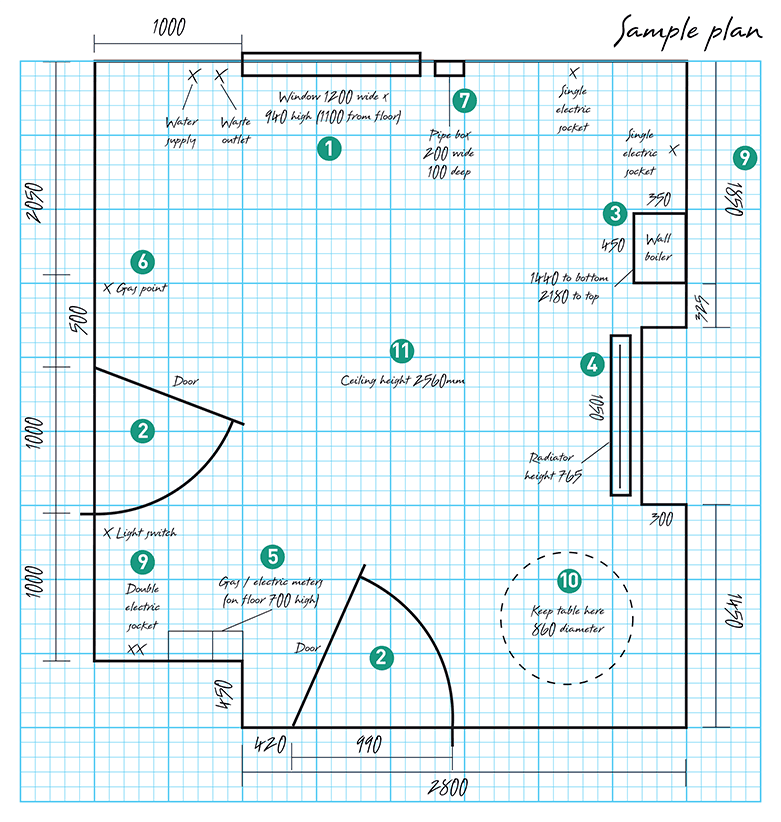
Hand-drawing remains useful for quick ideas and rough plans. It requires graph paper, a ruler, and pencils. You can sketch cabinet placement and room flow easily. Hand-drawing helps focus on basic layout without distractions.
Start with a simple floor plan outline. Mark walls, doors, and windows clearly. Add kitchen elements using scaled measurements. Use light pencil marks to allow easy changes.
3d Modeling Benefits
3D modeling brings kitchen plans to life with realistic views. It shows how space feels and fits before building. These models reveal problems like poor cabinet clearance or awkward appliance placement. 3D tools offer the chance to explore different styles and layouts.
Users can rotate and zoom in on the kitchen from all angles. Some software includes lighting and texture options. This feature helps understand how the kitchen will look at different times of day.
Planning For Electrical And Plumbing
Planning for electrical and plumbing in your kitchen layout is crucial to avoid costly changes later. These systems must work together seamlessly to support your cooking habits and lifestyle. Think about your daily routine in the kitchen to decide where power and water access will be most efficient and safe.
Outlet Placement
Consider where you use your small appliances most, like toasters, coffee makers, and blenders. Place outlets near countertops, especially around work areas, so you don’t have to stretch cords across the kitchen. Don't forget about outlets inside cabinets or islands for hidden appliances or charging stations.
Think about adding GFCI outlets near sinks to protect against electrical shocks. How often do you find yourself unplugging appliances to use the same outlet? Planning extra outlets now saves you from that hassle.
Water Supply Lines
Locate your sink, dishwasher, and refrigerator with water dispensers close to existing water lines to reduce plumbing complexity. If you want a separate water line for a drinking water filter, plan its placement early to avoid rerouting pipes later.
Check if your water pressure is enough for all appliances running simultaneously. Have you ever noticed slow draining or weak water flow during peak usage? Proper line sizing and placement can prevent these issues.
Ventilation Considerations
Good ventilation is essential for removing smoke, odors, and moisture. Plan the range hood vent to go directly outside, not just recirculate air. This improves air quality and keeps your kitchen fresh.
Think about the noise level of your ventilation system. You want it powerful but not disruptive. Have you ever turned off your range hood because it was too loud? Choosing the right model and location can make a big difference.
Budgeting Your Kitchen Plan
Budgeting your kitchen plan is a crucial step that can make or break your project. Without a clear budget, you risk overspending or cutting corners on important details. Setting a realistic budget helps you stay focused and make smarter choices throughout your kitchen design process.
Estimating Costs
Start by listing all the elements your kitchen needs: cabinets, countertops, appliances, lighting, flooring, and labor. Research prices online or visit stores to get current costs. Don’t forget to include delivery fees, installation charges, and permits if required.
Keep a detailed spreadsheet or notebook with each item and its estimated cost. This helps you see the big picture and adjust areas if the total goes beyond your comfort zone. Have you ever been surprised by hidden costs after starting a project? Planning ahead can save you from that.
Prioritizing Expenses
Once you have your cost estimates, decide which features are essential and which can be scaled back. For example, you might want high-end appliances but can choose more affordable cabinets to balance the budget. Focus on durability and functionality over trends to get the best value.
Make a list like this:
- Must-haves:Items you can’t compromise on.
- Nice-to-haves:Features that enhance but aren’t critical.
- Optional:Extras you can add later if the budget allows.
Prioritizing this way keeps your spending in check and ensures the core of your kitchen works well.
Contingency Planning
Unexpected costs almost always come up. Setting aside at least 10-15% of your budget as a contingency fund is a smart move. This buffer can cover surprises like plumbing issues or last-minute material changes.
Think of your contingency as a safety net, not extra money to spend freely. Have you ever had a project stall because you ran out of funds? A contingency fund keeps your kitchen plan moving smoothly, even when problems arise.
Credit: www.spoak.com
Credit: www.staxtradecentres.co.uk
Frequently Asked Questions
How Do I Start Drawing A Kitchen Plan?
Begin by measuring your kitchen space accurately. Sketch the layout on graph paper or use kitchen design software. Include doors, windows, and existing utilities to create a realistic plan.
What Are The Key Elements In A Kitchen Plan?
Key elements include the sink, stove, refrigerator, countertops, and storage areas. Arrange them efficiently to ensure smooth workflow and easy access.
How Can I Optimize Kitchen Layout For Space?
Use the kitchen work triangle concept connecting sink, stove, and fridge. Maximize storage vertically and choose compact appliances to save space.
What Tools Help In Creating A Kitchen Plan?
You can use graph paper and pencil for manual drawing. Digital options include apps like SketchUp, Home Designer, or online kitchen planners.
Conclusion
Drawing out a kitchen plan takes time and careful thought. Start with a clear idea of your space and needs. Sketch your layout simply, focusing on flow and function. Measure everything to avoid mistakes later. Think about storage, lighting, and appliances early on.
Keep your plan flexible to make changes easily. A good plan helps create a kitchen that feels right and works well. Take your time and enjoy the process. Your kitchen will become a place you love.