
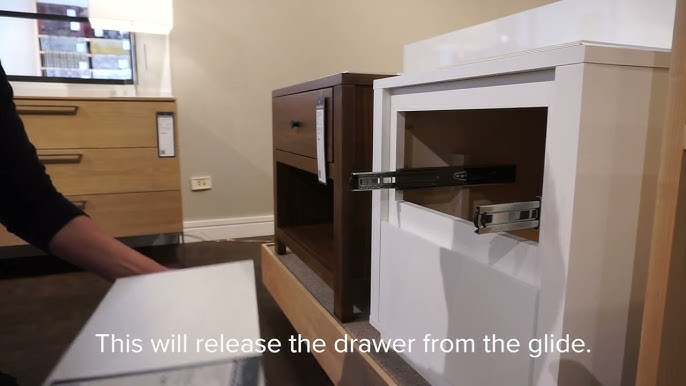
Have you ever needed to clean out your kitchen cabinet or fix a stuck drawer but didn’t know where to start? Removing a drawer might seem tricky, but with the right steps, you can do it quickly and safely.
In this guide, you’ll learn exactly how to remove a drawer from your kitchen cabinet without any hassle. Whether you want to deep clean, repair, or replace your drawer, these simple tips will save you time and frustration. Keep reading—you’re just a few easy moves away from mastering this handy skill!
Tools Needed
Before you start removing a drawer from your kitchen cabinet, it’s crucial to gather the right tools. Having the correct equipment not only makes the job easier but also prevents damage to your cabinets and drawer components. Let’s look at the essential tools you’ll need for a smooth and safe drawer removal process.
Basic Hand Tools
Most drawers can be removed using simple hand tools. A flathead screwdriver is often necessary to release clips or tabs. A Phillips screwdriver helps if screws secure the drawer or its rails.
Sometimes, you might find a small hammer handy to gently tap parts free without causing damage. Do you have these tools in your toolbox already? If not, they are worth picking up for any future DIY tasks.
Specialty Tools For Modern Drawer Slides
Drawers with soft-close or full-extension slides sometimes require specific tools or techniques. For example, a pair of needle-nose pliers can help reach and press small release levers inside the slide mechanism.
Check the drawer slide type before you begin. Knowing whether you need to squeeze, lift, or pull a release can save you from forced removal attempts that might break the hardware.
Safety Gear
Protecting your hands with work gloves is a smart choice, especially if you’re dealing with older or rough cabinet edges. Safety glasses can prevent debris or dust from getting into your eyes during the removal.
While it might seem unnecessary, safety gear helps you avoid minor injuries that could slow you down. What’s one safety precaution you’ve found useful in your home projects?
Optional Tools For Stubborn Drawers
If a drawer is stuck, a putty knife or a pry bar with a thin edge can help gently loosen it. Be cautious to avoid scratching the cabinet surfaces.
Sometimes, a lubricant spray can ease tight slides. But apply it sparingly and only if you plan to clean it off afterward to prevent grime buildup.

Credit: www.reddit.com
Prepare The Drawer
Preparing the drawer is a crucial step before you can remove it from your kitchen cabinet. Taking the time to get it ready will save you frustration and prevent damage to both the drawer and the cabinet. Let’s look at how you can prepare your drawer efficiently and safely.
Clear Out The Contents
Start by emptying everything inside the drawer. Even if the drawer isn’t heavy, items can shift and cause problems when you pull it out. Have you ever tried removing a drawer only to have utensils scatter everywhere? Avoid that mess by clearing it out first.
Inspect The Drawer Slides
Check the drawer slides on both sides to understand how they work. Are they side-mounted, under-mounted, or center-mounted? Knowing this helps you figure out how to disengage the drawer without forcing it.
Remove Obstacles And Debris
Look for any debris or obstacles that might block the drawer’s movement. Sometimes crumbs or small objects can jam the slides. Cleaning out the tracks makes the removal smoother and protects your cabinet’s hardware.
Check For Additional Fasteners
Some drawers have screws or clips holding them in place. Don’t assume the drawer will just pull out. Take a close look to see if you need to unscrew or unclip anything first. This step can prevent unnecessary damage to your cabinet or drawer.
Identify Drawer Type
Drawers come in different styles and mechanisms. Knowing the type helps you remove it easily and safely from the kitchen cabinet. Check for visible clips, screws, or sliding rails before starting.
Identifying the type of drawer in your kitchen cabinet is crucial. It determines the method you will use to remove it. There are three common drawer types: side-mounted slides, under-mounted slides, and wooden runners. Each type requires a different approach for removal.
Side-mounted Slides
Side-mounted slides are visible when you open the drawer. They run along the sides of the drawer box. These slides are common in modern kitchens. To remove, pull the drawer out fully. Look for release latches or levers on the slides. Press or lift these to detach the drawer. Gently slide the drawer out of the cabinet.
Under-mounted Slides
Under-mounted slides are hidden beneath the drawer. They provide a clean look. To remove a drawer with under-mounted slides, pull the drawer out completely. Check for release clips or tabs underneath the drawer. Press these to release the drawer from the slides. Carefully lift and remove the drawer.
Wooden Runners
Wooden runners are found in older cabinets. They consist of wooden strips or grooves. To remove a drawer with wooden runners, pull the drawer out as far as it goes. Lift the drawer slightly to clear the runners. Then, pull the drawer out completely. Wooden runners may require more force due to friction.
Remove Drawer With Side-mounted Slides
Removing a drawer with side-mounted slides is a simple task. These slides support the drawer from both sides. They allow smooth opening and closing.
Knowing how to remove these drawers helps with cleaning and repairs. The process requires careful handling to avoid damage.
Locate The Release Mechanism On The Slides
Look inside the cabinet on both sides of the drawer. You will see metal or plastic slides attached to the drawer and cabinet. Find the small tabs or levers on each slide. These are the release mechanisms.
Press Or Lift The Release Tabs
Use your fingers to press down or lift the tabs gently. The direction depends on the slide design. Press one side’s tab and lift the other side’s tab if needed. This action frees the drawer from the slides.
Pull The Drawer Out Carefully
Hold the drawer handles firmly. Pull the drawer straight out of the cabinet. Keep the drawer level to avoid scratching the slides or cabinet. If it resists, check the release tabs again.
Check For Additional Stops Or Clips
Some drawers have extra clips or stops at the back. These prevent the drawer from coming out completely. Look inside the drawer near the rear slides. Release or unclip any extra stops before pulling fully out.
Store The Drawer And Slides Safely
Place the drawer in a safe place to avoid damage. Inspect the slides for any dirt or damage. Clean the slides with a dry cloth to keep them working smoothly.
Remove Drawer With Under-mounted Slides
Removing a drawer with under-mounted slides needs care and attention. These slides are fixed beneath the drawer, hidden from view. They allow smooth movement but have safety catches to hold the drawer in place. Understanding how to release these catches makes removal easy and safe.
Start by pulling the drawer out gently. Stop when you feel resistance from the slides. The drawer does not come out like regular side-mounted drawers. You must locate and press the release levers on each side of the slide under the drawer.
Locate The Release Levers
Look under the drawer edges for small levers or tabs. They usually sit near the front of the slides. Each side has its own lever. These levers unlock the drawer from the cabinet frame. Use your fingers to feel for them carefully.
Press The Levers Simultaneously
Press both levers at the same time. Use your thumbs or fingers. This action releases the locking mechanism. Hold the levers down firmly. Do not rush or force the drawer out. Keep the drawer level while pressing.
Pull The Drawer Out Slowly
While holding the levers, pull the drawer straight out. Keep it aligned with the cabinet. Avoid tilting or twisting the drawer. If it resists, check the levers again. Pull until the drawer fully detaches from the slides.
Handle The Drawer And Slides With Care
Once removed, place the drawer on a flat surface. Avoid dropping or banging it. Inspect the under-mounted slides for damage or dirt. Clean the tracks if needed. Proper care extends the life of your drawer system.

Credit: www.reddit.com
Remove Drawer With Wooden Runners
Removing a drawer with wooden runners might seem tricky if you’ve only dealt with metal slides before. Wooden runners operate differently, relying on grooves and sometimes simple stops to hold the drawer in place. Understanding how these parts fit together makes the task straightforward and helps you avoid damage to your cabinet or drawer.
Identify How The Drawer Is Secured
Start by inspecting the sides of your drawer and the cabinet. Wooden runners usually have grooves where the drawer slides in. Check if there are any visible stops or blocks at the back of the runner—these prevent the drawer from pulling out completely.
Sometimes, you might see small nails or screws securing the runners. Do not force the drawer out without noticing these; they might need to be removed first.
Clear Obstacles And Prepare The Drawer
Empty the drawer to make it lighter and easier to handle. This also prevents anything inside from falling out when you pull the drawer. Wipe any dust or debris from the runners and the drawer sides so you can see exactly how the drawer fits.
Have a towel or cloth ready to protect the cabinet edges and your hands during removal. This small step can save you from scratches and minor injuries.
Remove The Drawer By Tilting And Lifting
Most wooden runners require you to pull the drawer out gently while tilting it slightly upwards or downwards. This action helps the drawer clear the stop blocks or fit out of the grooves smoothly.
If the drawer feels stuck, try wiggling it gently side to side while pulling. Avoid using excessive force—you want to keep the wood intact.
Check For Additional Fasteners Or Locks
Some older cabinets might have extra fasteners like small nails, screws, or locking strips holding the runners in place. Look inside the cabinet to spot these.
If you find any, remove them carefully using the appropriate screwdriver or pliers before attempting to pull the drawer out again. Skipping this step can cause damage or make the drawer impossible to remove.
Troubleshooting Common Issues
Removing a drawer from a kitchen cabinet can sometimes lead to unexpected hiccups. These issues might slow you down, but they’re often easy to fix once you know what to look for. Let’s tackle the most common problems you might face and how to solve them efficiently.
Stuck Drawer
Have you ever pulled a drawer only to find it won’t budge? Stuck drawers usually happen because of debris, misaligned tracks, or swelling from moisture.
Start by gently wiggling the drawer side to side while pulling. This often frees minor jams. If that doesn’t work, check inside the cabinet for anything blocking the drawer’s path.
Sometimes, dust and crumbs accumulate in the slides or tracks. Use a vacuum or a soft brush to clean these areas thoroughly. You can also apply a little bit of lubricant like silicone spray to help the drawer slide smoothly again.
Broken Or Damaged Slides
Slides are the small mechanisms that allow your drawer to move in and out. If these are broken or bent, the drawer won’t come out easily and might feel loose or wobbly.
Look closely at the metal or plastic slides on the sides or bottom of the drawer. If any part is cracked or bent, it’s best to replace the slide rather than trying to fix it temporarily.
Replacing slides isn’t as hard as it sounds. Take the damaged slide to a hardware store to find an exact match. Then, unscrew the old one and screw in the new one, ensuring it’s properly aligned to avoid future problems.
Safety Tips
Removing a drawer from a kitchen cabinet requires care and attention. Following safety tips helps avoid injuries and damage to your cabinet. Always prepare your workspace and tools before starting. Safety is the top priority.
Wear Protective Gloves And Eyewear
Gloves protect your hands from sharp edges inside the cabinet. Eyewear shields your eyes from dust or small debris. Use both to stay safe throughout the task.
Clear The Area Around The Cabinet
Remove any objects near the cabinet to prevent tripping or knocking things over. A clean workspace reduces accidents and makes the job easier.
Use Proper Tools For The Job
Choose tools designed for drawer removal, like screwdrivers or pliers. Avoid makeshift tools that can slip or break. Proper tools improve control and safety.
Lift The Drawer Carefully
Drawers can be heavy or awkward. Lift with your legs, not your back. Keep a firm grip and move slowly to avoid dropping the drawer.
Check For Hidden Fasteners
Some drawers have extra screws or clips. Look carefully before pulling hard. Removing fasteners first prevents damage and sudden drawer drops.

Credit: www.reddit.com
Frequently Asked Questions
How Do I Safely Remove A Kitchen Cabinet Drawer?
First, empty the drawer completely. Locate and release any locking clips or levers. Gently pull the drawer straight out to avoid damage. Use both hands for support. If stuck, check for screws or stops inside the cabinet.
What Tools Are Needed To Remove A Kitchen Drawer?
Typically, a screwdriver (Phillips or flathead) is needed. Sometimes, a putty knife helps release clips. Gloves can protect your hands. No power tools are usually required. Always check your drawer type before starting.
Can I Remove Drawers Without Damaging The Cabinet?
Yes, by following manufacturer instructions carefully. Avoid forcing the drawer out. Use appropriate tools to release locks or stops. Work slowly and keep parts organized for reassembly. Proper technique prevents scratches and breaks.
Why Won’t My Kitchen Drawer Come Out Fully?
It may have safety stops or clips engaged. Screws or brackets could be securing it. The drawer might be misaligned or swollen due to moisture. Check for obstructions and release any locking mechanisms before pulling.
Conclusion
Removing a drawer from a kitchen cabinet is simple with the right steps. Always check how the drawer slides work before pulling it out. Take your time and be gentle to avoid damage. Knowing this skill helps with cleaning and repairs.
Practice makes it easier each time. Now, you can handle drawer removal confidently and safely. Ready for your next kitchen project?