

Are you looking for a quick and easy way to prepare delicious meals in your kitchen? A hand blender could be your secret weapon.
It’s small, powerful, and can make cooking faster and more enjoyable. But if you’re not sure how to use it to its full potential, you might be missing out on some amazing benefits. You’ll discover simple steps and smart tips to master your hand blender.
By the end, you’ll feel confident creating smoothies, soups, sauces, and more with ease. Ready to transform your cooking routine? Let’s dive in!
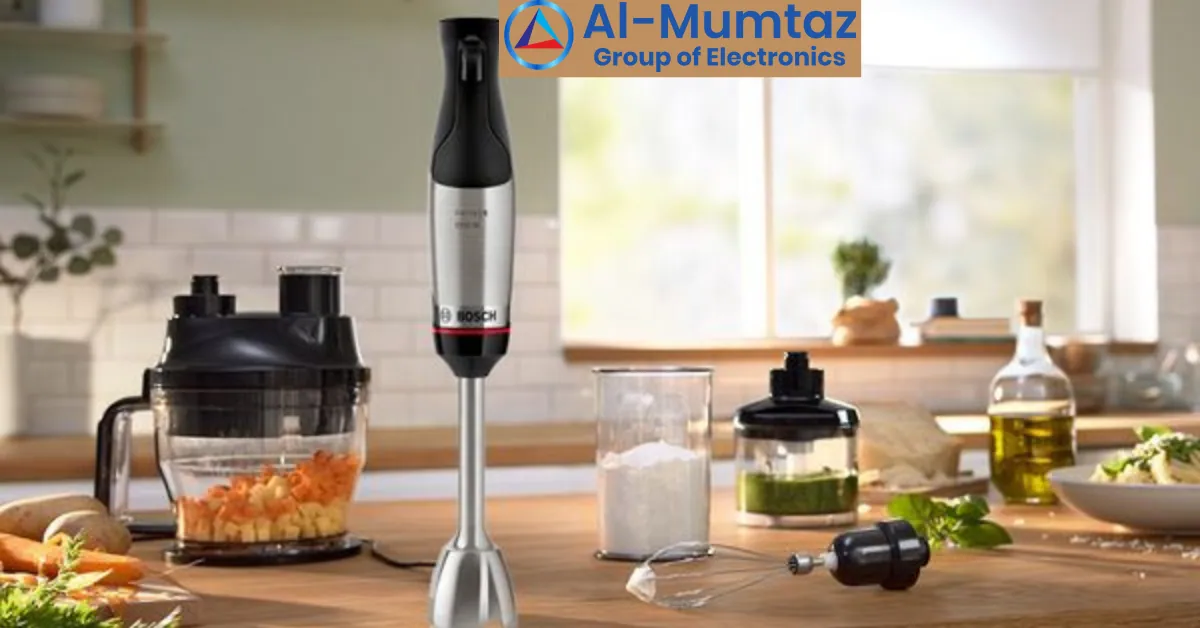
Credit: www.almumtaz.com.pk
Choosing The Right Hand Blender
Choosing the right hand blender makes cooking faster and easier. A good hand blender fits your needs and kitchen style. It should be simple to use and clean. Picking the right model saves time and effort while preparing meals.
Power And Speed Settings
Power affects how well the blender crushes and mixes ingredients. Look for models with at least 200 watts for most kitchen tasks. More power helps with tougher foods like nuts or frozen fruit.
Speed settings let you control the blending process. Multiple speeds offer flexibility. Slow speed works for gentle mixing. Higher speeds handle thicker mixtures or chopping.
Attachments And Accessories
Attachments increase the blender’s usefulness. Common extras include:
- Whisk for whipping cream or eggs
- Chopper bowl for cutting vegetables or nuts
- Beaker for blending small amounts
Choose a model with the attachments you will use often. This avoids buying extra tools later.
Corded Vs Cordless Models
Corded hand blenders offer constant power. They are better for long or heavy use. You don’t worry about battery life.
Cordless models give more freedom to move around. They work well for quick tasks or small kitchens. Check battery life to match your cooking habits.
Essential Safety Tips
Using a hand blender can make food preparation quick and easy. Keeping safety in mind ensures a smooth experience. Follow these essential safety tips to protect yourself and your kitchen.
Proper Handling Techniques
Always hold the hand blender firmly with both hands if needed. Keep fingers away from the blades to avoid cuts. Do not touch the blades while the blender is running. Use the blender only for its intended purpose. Make sure the blender is unplugged before attaching or removing parts.
Avoiding Common Hazards
- Never use the hand blender near water or wet surfaces.
- Do not immerse the motor part in water or any liquid.
- Keep the cord away from hot surfaces and sharp edges.
- Avoid blending very hot liquids to prevent splashes and burns.
- Keep the hand blender out of reach of children.
Cleaning And Maintenance Safety
Unplug the blender before cleaning to avoid electric shock. Detach the blending arm and wash it carefully. Use a brush to clean hard-to-reach areas around the blades. Dry all parts thoroughly before reassembling. Store the blender in a dry place to prevent damage.
Basic Operations
Understanding the basic operations of your hand blender is key to making your kitchen tasks smoother and more efficient. Mastering how to assemble, blend properly, and adjust speed controls will help you get the best results every time. Let’s break down these essential steps to boost your confidence in using this handy tool.
Assembling The Blender
Start by ensuring all parts of your hand blender are clean and dry. Attach the blending arm securely to the motor body until you hear a click or feel it lock in place. Some models come with additional attachments like whisks or choppers—make sure you select the right one for your task and connect it firmly.
Check if the power cord is safely plugged in and keep the blender away from water during assembly. Taking a moment to assemble correctly prevents accidents and ensures your blender works efficiently.
Blending Techniques
Hold the blender firmly with one hand and place the blade end fully into the food or liquid you want to blend. Avoid lifting it while the blades are spinning to prevent splashes. Moving the blender in small circles or up and down creates a smoother blend.
Thicker mixtures may need a bit more patience—pause occasionally to stir with a spoon and prevent overheating. Have you noticed how gently pulsing the blender can help control texture better than a continuous blend?
Using Speed Controls Effectively
Most hand blenders offer multiple speed settings. Start at a low speed to avoid splattering, especially with liquids. Gradually increase speed as the ingredients start to combine for a consistent blend.
Use higher speeds for chopping nuts or crushing ice, and lower speeds for delicate tasks like whipping cream. Adjusting speed thoughtfully can save you time and improve the texture of your dish.

Credit: food52.com
Popular Kitchen Tasks
Hand blenders quickly blend, mix, and puree ingredients directly in bowls or pots. Perfect for soups, smoothies, and sauces, they save time and effort. Using a hand blender is simple and keeps the kitchen tidy.
Using a hand blender in your kitchen can transform the way you approach everyday cooking tasks. Whether you're looking to whip up a morning smoothie, prepare a comforting soup, or quickly chop vegetables for dinner, the hand blender is your go-to tool. Let's dive into some popular kitchen tasks where this versatile gadget shines.
Making Smoothies And Shakes
Imagine waking up and craving a delicious smoothie. With a hand blender, you can effortlessly blend your favorite fruits and vegetables directly in your glass. Add some milk or yogurt, and in less than a minute, your nutritious breakfast is ready. It's a quick, mess-free way to start your day right.
Pureeing Soups And Sauces
Do you love creamy soups? Pureeing directly in the pot saves you from transferring hot liquids. Simply immerse the hand blender and create a silky texture in seconds. The same goes for sauces—achieve the perfect consistency without breaking a sweat.
Whipping Cream And Eggs
Hosting a dinner party? Whip up fresh cream for desserts or perfectly fluffy eggs for breakfast in no time. The hand blender ensures a smooth, airy texture that's hard to beat. You'll impress your guests with minimal effort.
Chopping Nuts And Vegetables
Need finely chopped ingredients for a recipe? This task is a breeze with your hand blender. It easily tackles hard nuts and firm vegetables, saving you precious time. Plus, you can achieve the perfect size and texture for your dish. Incorporating a hand blender into your kitchen routine can simplify your cooking process. Are you ready to elevate your culinary game with this handy tool?
Tips For Better Results
Using a hand blender can make cooking faster and easier. To get the best results, some simple tips can help you use it better. These tips will help prevent mess, improve texture, and keep your blender working longer.
Preventing Splatter
Start blending in the deepest part of the bowl. Keep the blender steady and move it slowly. Use a tall container to stop splashes. Cover the top with a kitchen towel for extra protection. Avoid blending hot liquids too fast to prevent spills.
Achieving Smooth Consistency
Cut food into small pieces before blending. Use short pulses instead of running the blender continuously. Move the blender around the bowl to mix evenly. Add liquid gradually to help the blender work smoothly. Check texture often to avoid over-blending.
Extending Blender Lifespan
Always clean the blender immediately after use. Avoid blending hard items like ice or nuts without proper blades. Do not run the blender for too long in one go. Store the blender in a dry place. Check the blades regularly and replace if dull.

Credit: wiproappliances.com
Creative Recipes To Try
Using a hand blender opens up many possibilities beyond simple purees. It’s a tool that can help you whip up fresh, delicious recipes in minutes. Let’s look at some creative ways you can use your hand blender to make meals more exciting and healthy.
Homemade Baby Food
Making baby food at home is easier than you think with a hand blender. You can quickly puree cooked vegetables like carrots, peas, or sweet potatoes to the perfect smoothness for your little one. This way, you control what goes into their food, avoiding preservatives and additives.
Try blending fruits like bananas or avocados for a creamy texture. You’ll find it’s simple to adjust the consistency by adding a little water or breast milk. Have you noticed how fresh baby food tastes so much better and feels more nutritious?
Fresh Salad Dressings
Forget bottled dressings loaded with sugar and chemicals. Your hand blender can whip up fresh, tasty dressings in seconds. Combine olive oil, vinegar, mustard, and herbs right in your blending cup for a perfectly emulsified dressing.
Experiment with flavors by adding garlic, lemon juice, or a touch of honey. What’s your favorite salad dressing combo that you think others should try? Using fresh ingredients makes your salads come alive with flavor and nutrition.
Quick Dips And Spreads
Need a snack or party appetizer? Use your hand blender to create quick dips and spreads like hummus, guacamole, or creamy cheese dips. Blending ingredients together lets you control the texture, making it as smooth or chunky as you prefer.
Try blending cooked chickpeas with tahini, lemon juice, and garlic for a homemade hummus in minutes. Have you ever made your own dips that tasted better than store-bought versions? It’s easier than you think and impresses guests every time.
Frequently Asked Questions
How Do I Safely Use A Hand Blender In The Kitchen?
Always secure the container before blending. Keep fingers away from blades. Unplug before cleaning or changing attachments. Use pulse mode for better control and avoid overheating the motor.
What Foods Can I Prepare With A Hand Blender?
You can blend soups, smoothies, sauces, and baby food. It also works well for whipping cream and mixing batters. Hand blenders are versatile for many kitchen tasks.
How Do I Clean A Hand Blender Effectively?
Detach the blending shaft before cleaning. Rinse it under warm water immediately after use. Use a brush to remove stuck food. Wipe the motor part with a damp cloth only.
Can A Hand Blender Replace A Traditional Blender?
A hand blender is ideal for small tasks and quick blends. It’s more compact but less powerful than traditional blenders. For large quantities or tough ingredients, use a traditional blender.
Conclusion
Using a hand blender makes cooking faster and easier. It helps you mix, chop, and blend with one tool. Cleaning it is quick and simple too. Small kitchen tasks become less tiring. Everyone can enjoy fresh, homemade meals with less effort.
Try different recipes to see how useful it is. Keep safety in mind while using it. A hand blender is a helpful tool for any kitchen. Give it a try and enjoy cooking more.