
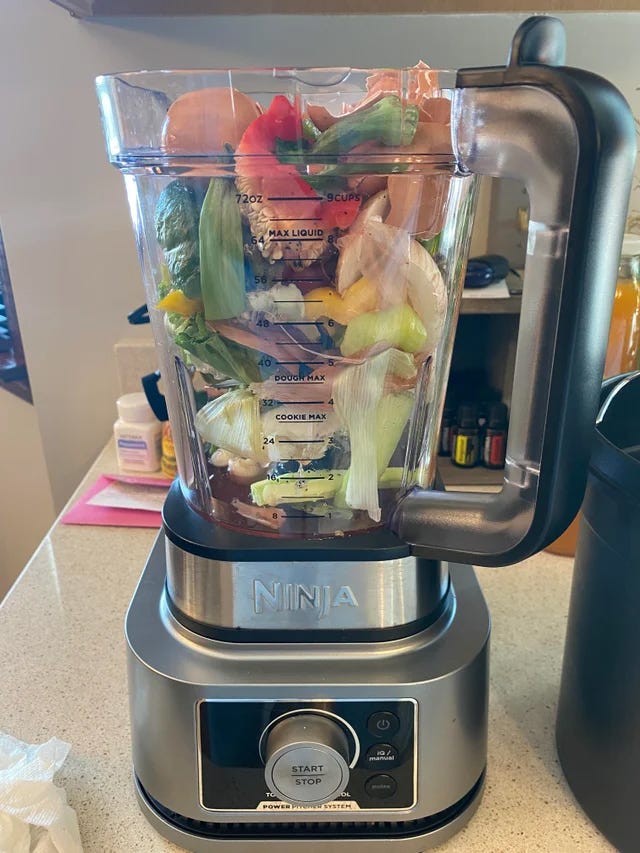
Have you ever wondered if you can toss your kitchen scraps into a blender and use them for your garden? It sounds simple, right?
But before you grab that blender, there are important things you need to know. Using kitchen scraps the right way can boost your plants and reduce waste, but doing it wrong might harm your garden. Keep reading to discover the smart, safe way to turn your kitchen leftovers into garden gold.
Your plants—and the planet—will thank you.

Credit: stusshed.wordpress.com
Using Kitchen Scraps In Blenders
Using kitchen scraps in blenders can be a smart way to prepare organic material for your garden. It breaks down food waste quickly, making it easier for composting or direct use as plant food. But not all scraps are blender-friendly, and understanding what to blend can save you time and protect your appliance.
Types Of Kitchen Scraps Suitable For Blending
Soft fruit and vegetable peels like banana skins, cucumber rinds, and carrot tops blend smoothly. Leftover cooked vegetables and fruit pulp from juicing also work well.
- Overripe fruits such as apples, berries, and tomatoes
- Vegetable scraps like spinach leaves, zucchini ends, and onion skins
- Herbs and leafy greens that you would normally add to compost
These scraps break down easily and create a nutrient-rich slurry you can add directly to your soil or compost bin.
Scraps To Avoid In Your Blender
Hard, fibrous items can damage your blades or clog the machine. Avoid bones, nutshells, and large stems.
- Meat or dairy leftovers, which can cause odor and attract pests
- Oily or greasy scraps that may coat blender parts and reduce efficiency
- Large, tough peels like pineapple skin or corn husks that don’t break down well
Remember, your blender is not a garbage disposal. Using it incorrectly might mean repairs or replacements.
Benefits Of Blending Kitchen Waste
Blending scraps speeds up decomposition, which benefits your garden by providing nutrients faster. It also reduces the volume of waste, making composting more manageable.
- Improves soil structure by adding finely chopped organic matter
- Helps retain moisture in the garden soil
- Reduces the need for chemical fertilizers
Have you tried blending your scraps before adding them to your garden? You might be surprised how much easier it makes your gardening routine.
Preparing Scraps For Blending
Getting your kitchen scraps ready for blending is a key step toward making nutrient-rich garden feed. Proper preparation helps your blender work efficiently and prevents any unpleasant surprises in your compost mix. Let's look at how to clean, cut, and sort your scraps to get the best results.
Cleaning And Cutting Scraps
Start by rinsing your scraps to remove dirt and any leftover food residue. Clean scraps blend more smoothly and reduce the risk of unwanted bacteria in your garden mixture.
Next, cut the scraps into smaller pieces before adding them to the blender. Smaller pieces blend faster and create a more uniform consistency, which is easier for plants to absorb.
Removing Non-organic Materials
Check carefully for any non-organic items like plastic, foil, or rubber bands in your scraps. These materials can damage your blender and contaminate your garden soil.
Even small bits of packaging can cause problems, so take a moment to separate all non-organic waste before blending. This step protects both your equipment and your plants.
Ideal Scrap Sizes For Blenders
Most kitchen scraps should be cut into pieces about 1 to 2 inches in size. This size allows your blender to chop the scraps thoroughly without overworking the motor.
For tougher items like carrot sticks or corn husks, smaller pieces help avoid jams. If your blender struggles, try adding a little water to help the blades move smoothly.
Choosing The Right Blender
Choosing a blender that handles tough scraps makes garden composting easier. Strong blades break down fruit and vegetable waste quickly. Not all blenders suit this task, so pick one designed for heavy use.
Choosing the right blender for turning kitchen scraps into garden gold is crucial. A good blender can effortlessly break down scraps, making them easier for your garden to absorb. But with so many options available, how do you choose the right one?
Blender Types And Their Capabilities
There are several types of blenders you might consider. High-speed blenders, like those from brands such as Vitamix or Blendtec, can pulverize even the toughest vegetable scraps. These are great if you have a large garden and need to process a lot of material quickly. If you're on a budget, a standard countertop blender could suffice for smaller loads. These blenders are typically less powerful but can handle soft scraps like fruit peels and leafy greens. Handheld immersion blenders may be useful for small tasks, but their capacity is limited, making them less ideal for large-scale garden use.
Power And Capacity Considerations
When choosing a blender, consider both power and capacity. A motor with at least 500 watts is generally sufficient for processing most kitchen scraps. More powerful motors can handle tougher scraps like corn cobs or avocado pits. Capacity matters too, especially if you're dealing with a lot of waste. A blender with a larger pitcher can save you time by reducing the number of batches you need to blend.
Blender Features For Garden Use
Look for blenders with features that make them suitable for garden use. Durable, stainless steel blades are a must for chopping through fibrous plant material. A pulse function is also handy, allowing you to control the blending process and avoid over-processing your scraps. Consider blenders with easy-to-clean parts, as garden blending can get messy. Dishwasher-safe components can save you a lot of time and effort. Have you ever thought about how a small change in your kitchen could impact your garden's health? Choosing the right blender might just be the solution you need.
Blending Process For Garden Scraps
Turning your kitchen scraps into nutrient-rich garden feed can be simple with the right blending process. Using a blender helps break down the scraps quickly, making it easier for your plants to absorb the nutrients. But how do you blend these scraps effectively without damaging your blender or creating a mess?
Step-by-step Blending Instructions
- Chop your kitchen scraps into small, uniform pieces. This helps the blender work efficiently and prevents clogging.
- Place the chopped scraps into the blender jar, filling it no more than half full to avoid overloading.
- Add a small amount of water to help the blending process and create a smooth mixture.
- Secure the lid tightly to prevent spills during blending.
- Start blending on a low speed to break down larger chunks, then increase speed for a finer consistency.
- Stop and scrape down the sides if needed to blend evenly.
- Pour the blended mixture directly into your garden soil or compost bin.
Blending Time And Speed Settings
Blend your scraps for about 30 to 60 seconds. This duration is usually enough to turn pieces into a smooth slurry that plants can absorb easily.
Start at low speed to prevent overworking your blender motor. Gradually increase to medium or high speed to achieve the right texture.
Pay attention to the consistency. If it’s too thick, add a bit more water. Too watery? Blend for a few seconds longer.
Safety Tips During Blending
- Always check your blender’s manual to ensure it can handle fibrous or hard scraps.
- Never overfill the blender jar; this can cause the motor to overheat or the lid to pop off.
- Keep your hands and utensils away from the blades while blending.
- Unplug the blender before scraping down the sides or removing the jar.
- Be cautious with scraps that could stain or leave strong odors in your blender, like onion or garlic.
Have you tried blending your kitchen scraps for your garden yet? Notice how it speeds up decomposition and boosts plant growth? The right blending process can make a big difference in your garden’s health and sustainability.
Using Blended Scraps In The Garden
Using blended kitchen scraps in the garden is a smart way to recycle food waste. It helps nourish plants and improve soil health. Blending scraps breaks them down into smaller pieces. This speeds up decomposition and makes nutrients easier for plants to absorb.
There are several ways to use these blended scraps. They can be added to compost, turned into liquid fertilizer, or applied directly to soil. Each method supports plant growth and reduces waste.
Composting Blended Scraps
Blended scraps mix well with other compost materials. Their small size increases the surface area for microbes. This helps scraps break down faster.
- Layer blended scraps with dry leaves or paper for balance.
- Keep the compost moist but not soggy.
- Turn the pile regularly to add oxygen.
Composting blended scraps creates rich, dark humus. This improves soil texture and fertility over time.
Making Liquid Fertilizer
Blended scraps can be soaked in water to make liquid fertilizer. This is a quick nutrient boost for plants.
- Place scraps in a bucket and cover with water.
- Let the mixture sit for 1-2 weeks, stirring daily.
- Strain the liquid and dilute it before use.
This fertilizer feeds plants with nitrogen, phosphorus, and potassium. It supports healthy growth and vibrant blooms.
Direct Application Tips
Directly applying blended scraps to garden soil is possible but requires care.
- Mix scraps into the topsoil to avoid pests.
- Use small amounts to prevent bad odors.
- Avoid placing scraps near plant stems to stop rot.
This method adds nutrients quickly but should be done sparingly. It works best in vegetable gardens and flower beds.

Credit: growingorganic.com
Common Mistakes To Avoid
Blending kitchen scraps for your garden can be a smart way to reduce waste and nourish plants. Still, many people make simple mistakes that harm their blender or garden. Avoiding these errors helps keep your equipment safe and your garden healthy.
Overloading The Blender
Putting too many scraps in the blender at once strains the motor. It may cause the blender to overheat or stop working. Always fill the blender jar only halfway for best results. Blend in small batches to get a smooth, even mix. Overloading can also leave large chunks that don’t break down well.
Blending Harmful Materials
Not all kitchen scraps are safe for your garden or blender. Avoid blending meat, dairy, or oily foods, which attract pests and create bad odors. Hard items like bones or fruit pits can damage the blades. Keep away from plastic or metal pieces that could break the blender. Stick to soft vegetable and fruit scraps for safe blending.
Improper Storage Of Blended Scraps
Blended scraps need proper storage to avoid mold and bad smells. Use airtight containers and store them in a cool place. Don’t leave the mixture out for long periods. Using scraps quickly helps prevent harmful bacteria growth. Proper storage keeps your garden scraps fresh and useful for compost or fertilizer.
Maintaining Your Blender After Use
After using your blender to process kitchen scraps for your garden, proper maintenance is key to keeping it in great shape. Neglecting cleaning or ignoring leftover residue can cause odors and damage. Taking a few extra minutes to care for your blender ensures it stays efficient and ready for your next gardening project.
Cleaning Techniques
Start by rinsing your blender immediately after use to prevent scraps from drying and sticking. Use warm water with a few drops of dish soap, then blend this mixture for 20-30 seconds to clean hard-to-reach areas.
Disassemble the blender parts, like the lid and blades, to wash them separately. Avoid using abrasive sponges that could scratch the container—soft cloths or sponges work best.
Preventing Odors And Residue
Do you notice a lingering smell after blending scraps? Try blending a mixture of water, lemon juice, and baking soda to neutralize odors naturally. Rinse thoroughly afterward to remove any leftover baking soda.
Stubborn residue can be tackled by soaking removable parts in warm, soapy water for 15-20 minutes before scrubbing gently. Avoid letting food scraps sit too long, as this makes cleaning tougher and increases odor risk.
Extending Blender Lifespan
Consistently cleaning your blender prevents buildup that can wear down the motor or dull the blades. After washing, dry all components completely to avoid rust or mold growth.
Check the manufacturer’s instructions for blade sharpening or replacement schedules. Proper storage, like keeping the blender unplugged with the lid off, helps air circulation and protects your appliance.
How often do you clean your blender after using it with kitchen scraps? Small habits can make a big difference in how long your blender serves you well.
Alternatives To Blending Kitchen Scraps
Blending kitchen scraps for your garden is not the only way to recycle food waste. Several alternatives help turn scraps into valuable soil nutrients. These options often require less effort and offer natural results. Choose the best method to fit your lifestyle and garden needs.
Traditional Composting Methods
Traditional composting is a simple way to recycle kitchen scraps. Create a compost pile or use a bin in your backyard. Add a mix of green waste, like fruit and vegetable peels, with brown materials such as leaves or paper. Turn the pile regularly to speed up decomposition. Over time, scraps turn into rich, dark compost perfect for garden soil.
Using A Food Waste Processor
A food waste processor grinds scraps into small pieces quickly. This device works like a blender but is designed for waste. It reduces the volume of scraps and helps them break down faster in compost or waste bins. Food waste processors can handle tougher materials like bones and shells, making them very useful for busy gardeners.
Vermicomposting Options
Vermicomposting uses worms to turn kitchen scraps into nutrient-rich compost. Red wiggler worms eat food waste and produce castings, which are great for plants. This method works well indoors or outdoors in small spaces. Vermicomposting is odor-free and fast, making it a popular choice for urban gardeners.

Credit: www.youtube.com
Frequently Asked Questions
Can I Blend Kitchen Scraps For Garden Compost?
Yes, blending kitchen scraps helps break down materials faster. It speeds up composting by creating smaller, uniform pieces. Avoid blending large bones or oily foods to prevent blender damage and pests.
Which Kitchen Scraps Are Safe For Blender Use?
Soft fruits, vegetable peels, and coffee grounds are safe. Avoid fibrous or hard items like corn husks or bones. These can damage the blender blades or motor.
How Often Should I Blend Scraps For My Garden?
Blend scraps whenever you have enough to avoid frequent cleaning. A weekly blend batch works well for most home gardens. It ensures a steady supply of nutrient-rich material for compost.
Can Blended Scraps Attract Pests In My Garden?
Blended scraps can attract pests if not composted properly. Always cover scraps with dry leaves or soil to deter animals. Proper composting eliminates odor and pest issues.
Conclusion
Blending kitchen scraps can help reduce waste in your garden. It breaks down food into small pieces for easy composting. Avoid putting hard items like bones or shells in the blender. Use soft vegetables, fruit peels, and coffee grounds instead.
This method speeds up decomposition and feeds your soil. Remember to mix blended scraps with dry leaves or paper. This keeps your compost balanced and healthy. Try this simple step to make your garden greener and cleaner. Small changes lead to better plants and less trash.