
Are your kitchen storage containers scattered everywhere, making it hard to find the right lid or box when you need it? You’re not alone.
A cluttered kitchen can slow you down and add stress to your daily routine. But imagine opening your cabinet and instantly spotting the perfect container—no digging, no frustration. In this post, you’ll discover simple, practical tips to organize your kitchen storage containers so they save you time and space.
Ready to transform your kitchen chaos into calm order? Keep reading to find out how.
Credit: www.rd.com
Choosing The Right Containers
Choosing the right containers is a key step in organizing your kitchen storage. The containers you pick affect not only how much you can store but also how easy it is to find and access your items. Think about your kitchen habits and what will make your daily routine smoother.
Material Options
Plastic, glass, and stainless steel are common materials for kitchen containers. Plastic is lightweight and often comes with airtight lids, but it may stain or retain odors. Glass containers keep food fresh longer and don’t absorb smells, plus they’re microwave safe, but they can be heavy and breakable.
Stainless steel is durable and sleek but not microwave safe. Consider how you use your containers: do you reheat food in them, or do you store dry goods? Choose materials that fit your lifestyle and cleaning preferences.
Size And Shape Considerations
Match container sizes to the types of food you usually store. Small containers work well for spices and nuts, while larger ones suit pasta or flour. Oddly shaped containers can waste space, so aim for uniform shapes that fit neatly together.
Think about your kitchen shelves and pantry space. Do you have narrow shelves or deep cabinets? Containers that fit your available space will help avoid clutter and wasted room. Have you ever struggled to find a lid that fits? Picking containers with matching lids avoids that frustration.
Stackable Designs
Stackable containers maximize vertical space and keep your kitchen tidy. Look for containers with flat lids that lock or snap securely. This prevents spills and makes stacking safer.
Clear containers help you see what’s inside without opening them, saving time. Have you noticed how much easier it is to grab what you need when containers are stacked neatly? It’s a simple change that makes a big difference every day.
Decluttering Your Container Collection
Clearing out your kitchen storage containers can feel overwhelming, but it’s a crucial step to creating an organized space. You might be surprised how many containers you own that are either duplicates or no longer useful. Taking the time to declutter helps you keep only what you really need, making your kitchen more functional and less cluttered.
Sorting By Use And Condition
Start by gathering all your containers in one spot. Look at each one and ask yourself how often you use it. Keep the containers you reach for regularly and those that fit well together with matching lids.
Check the condition too. Toss containers with cracks, stains, or missing lids. These damaged ones can cause leaks or take up unnecessary space. Grouping your containers by size and purpose makes it easier to find what you need quickly.
Discarding Or Donating Extras
After sorting, you might end up with more containers than you expected. Avoid holding onto extras “just in case.” Excess containers often lead to clutter, not convenience.
Consider donating containers that are still in good shape but you no longer want. Local shelters or community kitchens often appreciate these donations. If containers are beyond use, recycle or throw them away responsibly to keep your kitchen tidy and eco-friendly.
Maximizing Cabinet Space
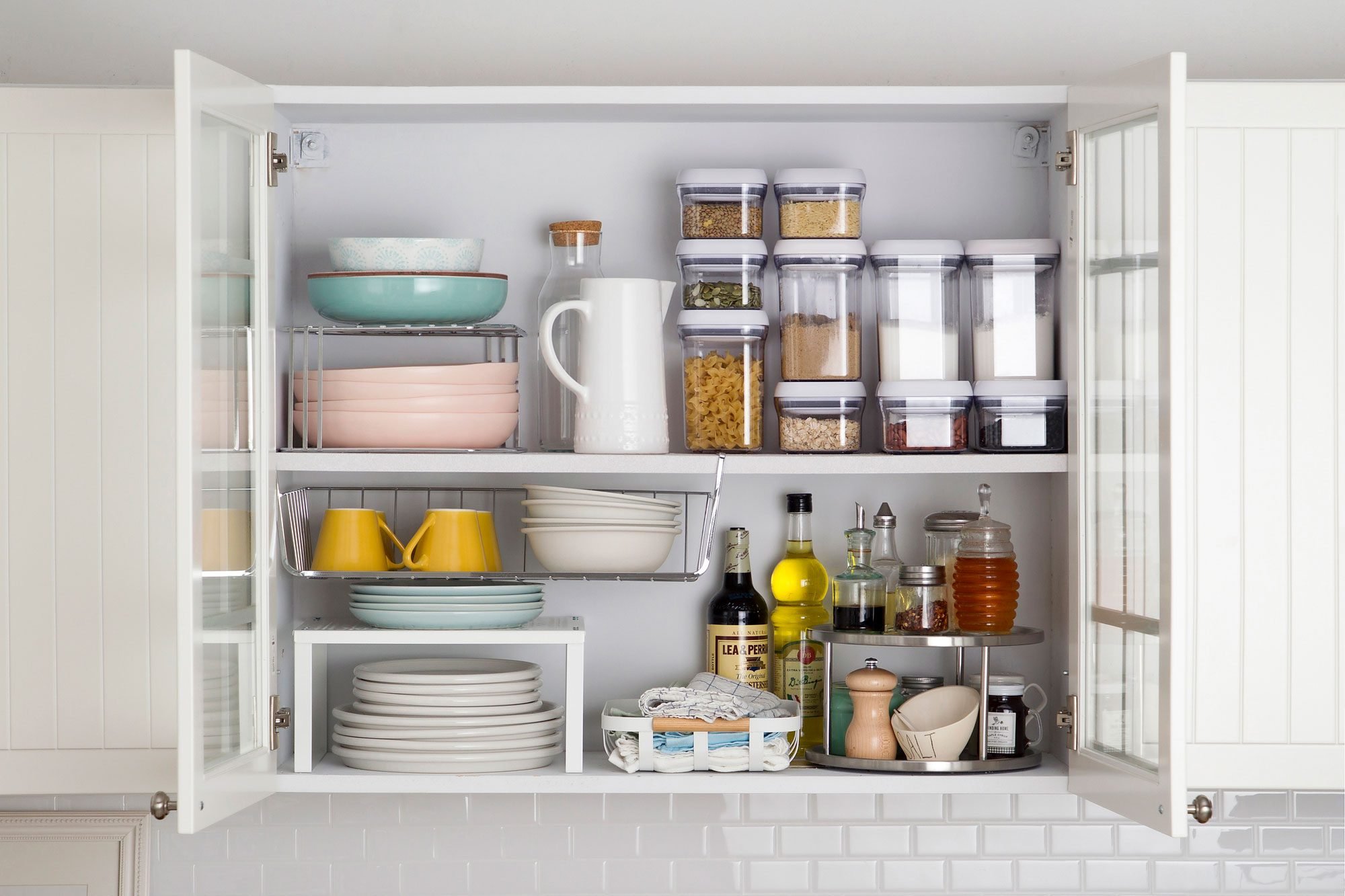
Organize kitchen storage containers by stacking similar sizes together to save space. Use clear labels and nesting containers to keep everything neat and easy to find. This approach keeps cabinets tidy and maximizes available room efficiently.
Maximizing cabinet space in your kitchen can transform your cooking area into a more efficient and enjoyable environment. The key is to use every inch wisely, making it easy to find what you need when you need it. Consider how much time you spend searching for lids or stacking containers; a well-organized space can eliminate that hassle.
Using Vertical Organizers
Vertical organizers are a game-changer for kitchen storage. They allow you to stack containers and lids without worrying about them toppling over. Imagine having a dedicated space where your cutting boards, baking sheets, and lids stand neatly in a row. Implementing vertical organizers can be as simple as adding a few wire racks or adjustable dividers. These tools can fit in most cabinets, regardless of size. You'll be amazed at how much space you save and how easily you can access your items.
Incorporating Pull-out Drawers
Pull-out drawers bring hidden items to the forefront, making every inch of your cabinet accessible. Have you ever found a long-lost spice jar in the back of your cabinet? Pull-out drawers solve this issue by bringing everything into view. Installing pull-out drawers doesn’t require a complete kitchen overhaul. Many options are available that fit into existing cabinets, making them a convenient addition. This small change can significantly enhance your kitchen's functionality, making cooking less stressful and more enjoyable. Have you considered how much easier meal prep could be with an organized kitchen? Simple changes like these can make a world of difference in your daily routine. Start with one cabinet and see how much more efficient your kitchen becomes.

Credit: www.ikea.com
Organizing Lids Efficiently
Organizing lids efficiently keeps your kitchen neat and saves time. Lids often get lost or mixed up, making it hard to find the right one. A good system for storing lids prevents clutter and frustration. It also protects lids from damage and helps you use containers faster.
Dedicated Lid Holders
Dedicated lid holders keep lids in one easy-to-see place. These holders come in different styles like racks, baskets, or wall mounts. Use vertical racks inside cabinets or drawers to save space. Baskets let you toss lids in quickly but keep them contained. Wall-mounted holders free up counter space and keep lids handy.
- Sort lids by size or shape in the holder.
- Label sections to find lids fast.
- Choose holders that fit your kitchen size.
Matching Lids With Containers
Pairing lids with containers reduces searching and keeps sets complete. Stack containers with their lids nearby or store lids inside containers if space allows. Use clear containers to spot mismatches easily. Group containers by type or size and keep lids in matching groups. This method cuts down on clutter and speeds up meal prep.
- Keep only lids that fit your containers.
- Discard lids without matching containers.
- Use bins or trays to hold matched sets.
Utilizing Drawer Space
Utilizing drawer space for kitchen storage containers can transform your cluttered cabinets into a neat, accessible system. Drawers offer a hidden yet convenient spot to keep containers organized, saving countertop and cabinet room. The key is to make sure everything has its place, so you can grab exactly what you need without digging through piles.
Drawer Dividers For Containers
Drawer dividers help separate containers and lids, preventing them from sliding around and creating a mess. You can buy adjustable dividers or use simple DIY options like foam boards or wooden slats to create custom sections. Arrange containers by size or type—stack smaller ones together and keep lids in a separate, easy-to-reach section.
Think about the last time you opened a drawer and everything spilled out. Drawer dividers stop that chaos. They also help you use every inch of drawer space efficiently, so no container gets lost or damaged.
Labeling For Easy Access
Labels are a game-changer for quick container retrieval. Attach labels to both the containers and their lids to match pairs instantly. Use waterproof labels or a label maker to ensure durability, especially in humid kitchen environments.
Have you ever wasted time searching for the right lid? Labeling prevents that frustration and keeps your system consistent. You might also label drawer sections to remind everyone in your household where things belong, maintaining order over time.
Creative Storage Solutions
Creative storage solutions help keep kitchen containers neat and easy to find. They save space and reduce clutter. Using simple tools and clever ideas can make a big difference. These solutions fit in small kitchens and large ones alike. They keep your kitchen organized without spending too much money.
Over-the-door Racks
Over-the-door racks use unused space on cabinet doors. They are perfect for storing lids, small containers, or cutting boards. These racks free up shelf space and keep items visible.
- Easy to install and remove.
- Keep containers within reach.
- Prevent stacking and clutter.
Choose racks with adjustable hooks or shelves for more flexibility. They help separate different container sizes and shapes. This keeps everything tidy and easy to access.
Under-shelf Baskets
Under-shelf baskets hang below existing shelves. They create extra storage without adding new furniture. These baskets are great for small containers or lids.
- Simple to slide onto shelves.
- Maximize vertical space.
- Keep items organized by category.
Use clear baskets to see contents at a glance. This reduces the time spent searching for the right container. Under-shelf baskets help use every inch of cabinet space efficiently.
Maintaining An Organized System
Keeping your kitchen storage containers organized over time requires more than just a one-time effort. It’s about creating a routine that helps you stay on top of clutter before it builds up. When you maintain an organized system, you save time, reduce stress, and keep your kitchen looking neat and functional.
Regular Cleaning And Reassessment
Set a schedule to clean your containers regularly. Even the best-organized system can get messy if dust, spills, or old food remnants accumulate. Wipe down containers and lids with warm, soapy water every few weeks to keep them fresh and ready to use.
Take a moment during cleaning to reassess your storage setup. Are all containers still useful? Do some lids not fit properly anymore? Removing damaged or mismatched pieces can prevent frustration and free up space.
Ask yourself: Are you using all your containers, or are some just taking up space? Removing unused items keeps the system lean and efficient.
Adapting To Changing Needs
Your kitchen needs change over time, so your container system should too. Maybe you started batch cooking more or switched to different types of food storage. Adjust your organization to fit these new habits.
Consider adding or removing containers based on your current cooking style. For example, if you’ve begun meal prepping, investing in uniform, stackable containers can save space and make your fridge look cleaner.
Think about how your family’s lifestyle impacts storage needs. Have you noticed a container size that you use often but don’t have enough of? Adding just a few more can make a big difference.
Maintaining an organized kitchen container system is an ongoing process. It’s about paying attention, making small tweaks, and being honest about what works for you.

Credit: food52.com
Frequently Asked Questions
How Can I Organize Kitchen Storage Containers Efficiently?
Sort containers by size and shape for easy stacking. Use clear labels and keep lids together to avoid clutter. Store frequently used containers within arm’s reach for convenience and less mess.
What Is The Best Way To Store Container Lids?
Store lids vertically in a separate bin or drawer organizer. Use a lid rack or binder clips to keep lids paired with containers. This prevents losing lids and saves space.
How Do I Maximize Space In Kitchen Storage Containers?
Nest smaller containers inside larger ones to save room. Use adjustable shelves or pull-out drawers for better accessibility. Stack containers with lids on to keep them clean and ready to use.
Should I Use Plastic Or Glass Containers For Storage?
Glass containers are more durable and eco-friendly but heavier. Plastic containers are lightweight and often more affordable. Choose based on your storage needs and kitchen style.
Conclusion
Organizing kitchen storage containers saves time and space. Clear containers help you see contents quickly. Stack containers by size to keep shelves neat. Label lids for easy identification every day. Regularly check for damaged or unused containers. Keep similar items together for fast access.
Small changes make a big difference in your kitchen. Enjoy a tidy, efficient cooking area that feels calm. Simple steps lead to lasting organization success.