
How Long to Cook Ribeye on Grill. There's nothing quite like the sizzle of a ribeye steak hitting the grill. That mouthwatering aroma, the promise of juicy, tender meat—it's enough to make anyone's taste buds tingle with anticipation.
But achieving that perfect ribeye can feel a bit daunting, especially when you're not sure how long to leave it on the grill. You might wonder: How do you avoid undercooking or overcooking this prized cut? The answer lies in understanding the right timing and technique.
Stick with us, and you'll discover the secrets to grilling a ribeye that's just right, every single time. Get ready to impress your taste buds and your guests!
Choosing The Right Ribeye
Grilling a ribeye can be a delightful experience. The right ribeye ensures juicy and flavorful results. Choosing the right cut makes a significant difference. Understanding the nuances between options is crucial for the perfect grill.
Bone-in Vs. Boneless
The choice between bone-in and boneless ribeye affects taste. Bone-in ribeyes offer a richer flavor. The bone helps retain moisture during grilling. This option provides a juicier texture. Boneless ribeyes are easier to cook evenly. They are simpler to handle on the grill. Boneless cuts usually cook faster. Both options have their unique advantages. Decide based on your preference for flavor or convenience.
Selecting The Perfect Cut
Quality is key when selecting a ribeye. Choose cuts with good marbling. Marbling enhances flavor and tenderness. Look for ribeyes with bright, cherry-red color. Avoid dark or brownish hues. Freshness impacts taste and texture. Thicker cuts are ideal for grilling. They retain juiciness better. Aim for a cut that's at least one inch thick. A well-chosen cut makes grilling enjoyable and rewarding.
Preparing The Ribeye
Grilling ribeye to perfection involves timing. Cook each side for 4-5 minutes over medium-high heat for medium-rare. Adjust time based on thickness and desired doneness.
Preparing the perfect ribeye for the grill is an art, one that combines passion, patience, and precision. The steps you take before the ribeye hits the grill are crucial to achieving that tender, juicy steak. Whether you're a seasoned griller or a beginner, understanding these preparatory steps can make all the difference in your culinary experience.
Seasoning Options
Seasoning a ribeye can be as simple or as elaborate as you wish. A classic choice is a sprinkle of salt and pepper, letting the natural flavors shine. However, if you’re feeling adventurous, try a mix of garlic powder, paprika, and a hint of cayenne for a spicy kick. Some prefer a marinade to infuse flavors deep within the meat. This can be a blend of olive oil, rosemary, and lemon juice. What’s your go-to seasoning? The key is balance—too much seasoning can overpower the meat, while too little might leave it bland.
Bringing To Room Temperature
Do you let your ribeye rest before grilling? Bringing the steak to room temperature is a game-changer. Leaving the ribeye out for about 30 minutes ensures even cooking and enhances tenderness. Imagine slicing into a steak that’s cooked evenly throughout—no cold center! This simple step can elevate your grilling game significantly. Placing a cold steak on the grill can shock the meat, resulting in uneven cooking. Next time, give your ribeye some time to acclimate, and enjoy the difference it makes in flavor and texture. How do you prepare your ribeye? Share your tips and tricks in the comments below!
Grill Setup
Cooking ribeye on the grill takes 6-8 minutes per side for medium-rare. It’s important to let the meat rest. This ensures juicy and tender steak. Adjust time based on thickness and preference.
Grilling a ribeye to perfection starts long before the steak hits the grates. A proper grill setup is crucial for achieving that mouthwatering sear and juicy interior. Whether you're using a gas or charcoal grill, understanding the nuances of each can elevate your grilling game. Let's dive into how to set up your grill for the ultimate ribeye experience.
Gas Vs. Charcoal
Choosing between gas and charcoal is often a matter of personal preference. Gas grills offer convenience and consistent heat. They're perfect for those who appreciate simplicity and speed. Simply turn the dial, and you're ready to go. Charcoal grills, on the other hand, deliver unmatched flavor. The smoky essence of charcoal infuses into the meat, creating a depth of taste that's hard to replicate. If you have the time and patience, charcoal might be your best bet. Imagine the aroma of sizzling ribeye wafting through the air. Wouldn't that be delightful?
Preheating The Grill
Preheating is essential, regardless of your grill type. A cold grill won't give you the sear needed for a restaurant-quality steak. For gas grills, set them to medium-high heat and allow them to heat up for about 15 minutes. This ensures even cooking and that beautiful crust on your ribeye. Charcoal grills require a bit more attention. Arrange the coals in a mound and let them burn until they're covered in white ash, which usually takes around 20 minutes. You're looking for a medium-high heat, which allows the ribeye to cook evenly while retaining its juices. Have you ever found yourself impatiently waiting for the grill to heat up? Remember, patience pays off in flavor. As you ponder over your grill setup, consider which method aligns with your taste and lifestyle. The choice between gas and charcoal can shape your grilling experience. So, which will it be for your next ribeye cookout?
Cooking Techniques
Grilling a ribeye steak requires knowing the right cooking techniques. These techniques ensure a juicy and flavorful steak. The right method can enhance your grilling experience. Here, we explore two main methods for grilling ribeye.
Direct Vs. Indirect Heat
Direct heat means cooking the steak directly over the flame. This method sears the meat, locking in juices. It works well for thinner cuts of ribeye. Indirect heat cooks the steak away from direct flames. This method is ideal for thicker ribeye cuts. It ensures even cooking without burning the outside. Both methods have their benefits. Choose based on your steak's thickness and desired doneness.
Using A Meat Thermometer
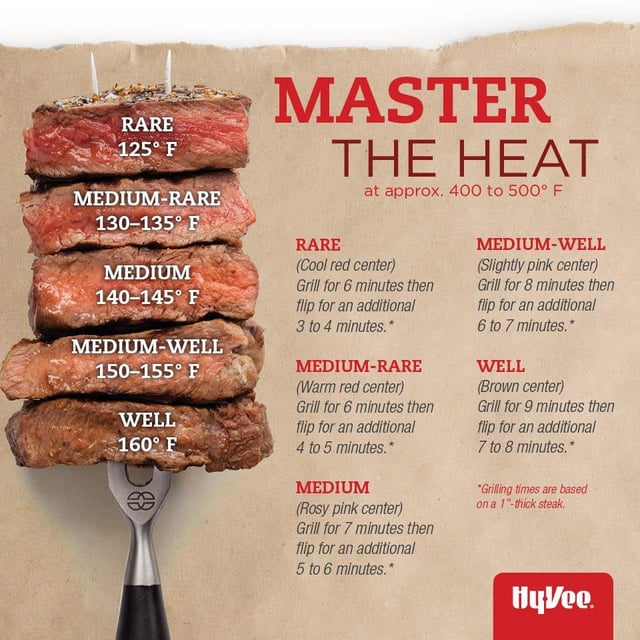
A meat thermometer guarantees accurate cooking. Insert it into the thickest part of the steak. Avoid touching the bone for a correct reading. Aim for a temperature of 130°F for medium-rare. For medium, target 140°F. The thermometer helps achieve perfect doneness every time. It removes guesswork and enhances your grilling confidence.
Timing For Perfect Doneness
Grilling a ribeye to perfection is both an art and a science. The timing is crucial to ensure that your steak reaches the desired level of doneness. Whether you're a novice griller or a seasoned pro, understanding the correct cooking times can make all the difference. Have you ever found yourself hesitating at the grill, unsure if your ribeye is ready? Let's break down the timing for perfect doneness, ensuring that your steak is cooked just the way you like it.
Rare To Well-done Guide
The first step in achieving the ideal doneness is knowing the expected cooking times for each level. For a rare ribeye, aim for about 3-4 minutes per side, ensuring the internal temperature reaches around 120°F. Medium-rare requires about 5 minutes per side, targeting 130°F.
If you prefer medium, 6-7 minutes per side should do the trick, with an internal temperature of 140°F. Medium-well takes about 8-9 minutes per side, reaching 150°F. Finally, for a well-done steak, you’re looking at 10 minutes per side, with a temperature of 160°F or more.
Adjusting For Thickness
Thickness is a key player in the grilling game. Thicker cuts need more time, while thinner slices cook faster. If your ribeye is over an inch thick, consider adding a minute or two per side. This ensures even cooking throughout.
On the flip side, if your steak is thinner than average, keep an eye on it to avoid overcooking. Have you ever cut into a steak only to find it’s too dry? Adjusting for thickness can prevent that disappointment.
Remember, grilling isn't just about following rules; it's about experimenting and finding what works best for you. Are you willing to try adjusting your grilling time based on thickness? This small tweak might just elevate your ribeye experience to new heights.
Resting The Ribeye
Cooking ribeye on the grill requires precise timing for perfect flavor. Rest the ribeye after grilling for 5-10 minutes. This resting period allows juices to redistribute, enhancing tenderness and taste.
Grilling a ribeye to perfection is an art, but what you do after it leaves the grill is just as crucial. Resting the ribeye is often overlooked, yet it holds the key to achieving that juicy, flavorful bite. If you've ever wondered why your steak sometimes lacks juiciness despite all the effort on the grill, the answer might lie in how you handle the resting period.
Importance Of Resting
Resting the ribeye allows the juices to redistribute evenly throughout the meat. When meat is cooked, its juices rush towards the center. Cutting into it immediately means losing those precious juices to your plate instead of savoring them in each bite. Think of it like letting a freshly baked pie cool before slicing. You wouldn't want to lose all the delicious filling, right? The same principle applies to your ribeye. Give it time to settle, and you'll taste the difference.
How Long To Rest
The million-dollar question: how long should you rest your ribeye? A general rule of thumb is to let your steak rest for about 5 to 10 minutes. This short wait can dramatically improve the flavor and tenderness of your meat. Consider the thickness of your ribeye. A thicker cut might need a bit longer, while a thinner one can suffice with the shorter end of the range. Use this time to prepare a side dish or set the table, making the most of those few minutes. Have you ever sliced into a steak too soon and regretted it? Next time, try this resting method and notice the improvement. What are your favorite ways to spend those few extra minutes waiting for your steak to rest? Share your tips in the comments!
Serving Suggestions
Grilling ribeye requires careful timing for perfect results. Cook each side for about 4 to 5 minutes for medium-rare. Let the steak rest a few minutes before serving for juicy flavor.
After grilling that perfect ribeye, you might wonder about the best way to serve it. A great meal is more than just the main dish; it’s about complementing flavors and creating a memorable dining experience. Here are some serving suggestions to elevate your ribeye to the next level.
Accompaniments And Pairings
The right sides can make your ribeye sing. Consider serving it with classic options like a creamy mashed potato or a crisp Caesar salad. For something different, try roasted Brussels sprouts or a tangy coleslaw. Both add texture and balance the richness of the steak. Wine lovers might enjoy pairing their ribeye with a bold red wine, like a Cabernet Sauvignon or a Malbec. If you prefer beer, a robust stout or porter can stand up well to the steak's flavors.
Presentation Tips
Presentation matters. Start by letting your ribeye rest for a few minutes before slicing. This helps retain the juices, ensuring every bite is juicy. Arrange the slices neatly on a warm plate. Consider garnishing with a sprig of rosemary or a sprinkle of sea salt for a touch of elegance. Think about the color on your plate. A vibrant vegetable side or a simple salad can add a pop of color. Do you have a signature sauce? A drizzle of chimichurri or a dollop of garlic butter can elevate the dish visually and flavor-wise. Have you ever noticed how a well-presented dish can make your meal taste even better? Give it a try and see the difference. By focusing on these serving suggestions, you’ll transform your ribeye into a restaurant-worthy dish right at home.
:max_bytes(150000):strip_icc()/Mistakes-To-Avoid-When-Grilling-Steak-FT-BLOG0622-2000-9470d6138120449885c7b91524c51cc4.jpg)
Frequently Asked Questions
How Long To Grill A Ribeye On Each Side?
Grill a ribeye for 4-5 minutes per side on high heat for medium-rare. Adjust time for desired doneness.
What Is The 3-3-3 Rule For Steak?
The 3-3-3 rule for steak involves searing each side for 3 minutes over high heat. After searing, reduce to medium heat and cook for an additional 3 minutes per side, ensuring even cooking and enhancing flavor while maintaining juiciness. This technique helps achieve a perfect medium-rare steak.
Do You Grill Ribeyes Open Or Closed?
Grill ribeyes with the lid closed for even cooking and smoky flavor. This method retains heat and ensures juicy, tender steaks. Adjust grill temperature based on thickness and desired doneness. Enjoy perfectly grilled ribeyes every time by maintaining consistent heat with a closed lid.
How Long To Grill Ribeye For Medium Rare?
For a medium rare ribeye, grill for 4-5 minutes per side. Ensure the grill is preheated to medium-high heat. Use a meat thermometer to check internal temperature, aiming for 130°F. Let the steak rest for a few minutes before serving.
Conclusion
Grilling the perfect ribeye takes practice and patience. Timing is key. Keep an eye on your grill temperature. Use a meat thermometer for accuracy. Aim for your preferred doneness. Let the ribeye rest after grilling. This locks in juices. It enhances flavor too.
Enjoy the delicious taste of a well-cooked steak. Try different seasoning for variety. Share your ribeye grilling tips with friends. Everyone loves a good steak experience. Grilling brings people together. So, fire up the grill. Create memorable meals. Perfect the art of ribeye grilling with these simple steps.
Happy grilling!