
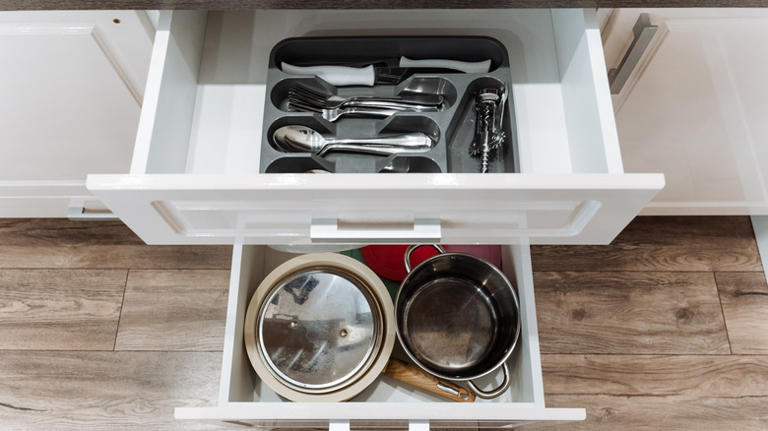
Have you ever tried to clean or fix your kitchen drawer, only to struggle with getting it out? Knowing how to take out a kitchen drawer is a simple skill that can save you time and frustration.
Whether you want to deep clean, repair a jam, or replace the drawer entirely, this guide will show you exactly how to do it quickly and safely. Keep reading, and you’ll discover easy steps that anyone can follow—no special tools or skills needed.
Your kitchen drawer problems are about to become a thing of the past.
Tools Needed
Before you start pulling out that stuck kitchen drawer, it’s important to gather the right tools. Having everything ready will save you time and prevent frustration. You might be surprised how a few simple tools can make this task much easier.
Basic Tools For Removing A Kitchen Drawer
- Screwdriver:A flathead or Phillips screwdriver is often needed to remove screws holding the drawer or its tracks.
- Pliers:Useful for gripping and pulling out stubborn parts or nails.
- Putty Knife or Thin Pry Bar:Helps to gently pry open or lift the drawer if it’s stuck without damaging the wood.
Optional Tools To Make The Job Easier
- Flashlight:To see inside dark drawer compartments or under the cabinet.
- Lubricant Spray:If the drawer slides feel sticky, a quick spray can loosen them up before removal.
- Work Gloves:Protect your hands from splinters or sharp edges while working.
Why Having These Tools Matters
I once tried removing a drawer without a screwdriver and ended up damaging the front panel by forcing it out. Using the right tools prevents accidents like this and keeps your kitchen looking great. Have you ever started a project only to realize you’re missing a key tool? Preparing ahead makes the difference.

Credit: www.familyhandyman.com
Prepare The Drawer
Preparing the drawer is the key to removing it smoothly and without damage. You want to make sure nothing gets in the way or causes unnecessary weight. Taking the time to prepare properly saves you from a frustrating experience later on.
Empty The Drawer
Start by completely emptying your drawer. This reduces weight and prevents items from spilling or breaking. It also gives you a clear view of the drawer’s interior, which helps spot any screws, clips, or stops that need attention.
Have you ever tried pulling out a drawer full of heavy utensils only to have it jam halfway? Avoid that hassle by removing everything first. Plus, it’s easier to clean the drawer before reinstalling it.
Clear The Surrounding Area
Make sure the space around your drawer is free from obstacles. This includes removing any nearby furniture, floor mats, or clutter that might block your movement. Having a clear work area helps you handle the drawer safely and prevents accidents.
Think about how many times you’ve bent down only to hit your knee on a cabinet or a chair. Clearing the area helps you focus solely on the task without distractions or discomfort. You’ll appreciate the extra room when maneuvering the drawer out smoothly.
Identify Drawer Type
Knowing the type of drawer helps in safely removing it from the kitchen cabinet. Some drawers slide out easily, while others may have clips or screws to release. Checking the mechanism first prevents damage and makes the process smoother.
Identifying the type of drawer you have is the first step in successfully removing it. Different drawers use different mechanisms, and knowing what you’re working with can save time and prevent damage. You might be surprised at how many people overlook this crucial step, only to struggle later.
Side-mounted Slides
Side-mounted slides are commonly found in modern kitchens. They are attached to the sides of the drawer and the interior sides of the cabinet. To check if your drawer uses this type, look for metal runners on both sides when you pull the drawer open. If you see these, you likely have side-mounted slides.
Bottom-mounted Slides
Bottom-mounted slides are a bit more discreet. These slides are attached to the bottom of the drawer and are less visible when the drawer is open. To identify, gently lift the drawer as you pull it out. You may notice a single runner or a pair underneath, supporting the drawer's weight. This setup is common in older cabinets or those with a more traditional design.
Center-mounted Slides
Center-mounted slides are less common but still found in many homes. This type involves a single slide attached to the center bottom of the drawer. To identify, pull the drawer halfway out and check for a track running down the middle beneath the drawer. This type is often used for smaller or lighter drawers, as it provides less support than side or bottom-mounted slides. Understanding your drawer type is a game-changer. How does your drawer slide affect your kitchen tasks? Identifying it is just the first step to mastering your kitchen space.
Release The Drawer
Releasing the kitchen drawer is the crucial moment before you can fully remove it. This step requires a gentle touch and a keen eye. If you skip or rush it, you might damage the drawer or the cabinet.
Locate Release Levers
Most kitchen drawers have release levers on the sides or underneath the drawer. These small tabs or clips hold the drawer in place within the sliding tracks.
Look closely on both sides of the drawer. Sometimes, the levers are hidden beneath a plastic or metal piece, so don’t hesitate to feel around carefully.
Have you ever struggled with a stuck drawer and found the release lever in an unexpected spot? It happens more often than you think, so patience is key here.
Lift Or Press To Unlock
Once you find the release levers, you need to either lift or press them, depending on the design. Some levers require you to push them inward, while others must be pulled upward.
Try gently lifting one side and then the other. If your drawer resists, double-check you’re pressing the correct part of the lever. Applying too much force can break the mechanism.
Remember, this unlocking action frees the drawer from the tracks, allowing you to pull it out smoothly. Have you noticed how this simple step makes drawer removal much less frustrating?
Remove The Drawer
Removing a kitchen drawer is simple with the right approach. This step is key before cleaning or fixing any issue inside the drawer. Follow careful steps to avoid damage to the drawer or cabinet.
Pull Out Gently
Grip the drawer handle firmly. Pull the drawer straight out, slowly and smoothly. Avoid sudden or forceful tugs. Drawers often slide on rails or rollers. Gentle pulling prevents breaking these parts. Stop pulling if you feel resistance. Check for any catches or locks before continuing.
Handle Stuck Drawers
Some drawers stick due to dirt or swelling. Try wiggling the drawer slightly side to side. This can free stuck parts. Use a flat tool like a butter knife to check edges. Clear any debris or buildup. Lightly spray a lubricant on metal rails if needed. Avoid harsh chemicals that may damage wood or paint.
Troubleshooting Tips
Taking out a kitchen drawer can be tricky at times. Problems may arise with the slides or the drawer's structure. These troubleshooting tips help avoid damage and fix common issues quickly. Follow them to handle stiff slides and keep your drawer intact.
Dealing With Stiff Slides
Stiff drawer slides make removal difficult. Dirt and grime often cause the stiffness. Clean the slides gently using a soft cloth and mild cleaner. Avoid harsh chemicals that can damage the mechanism.
Lubricate the slides with a silicone-based spray. This reduces friction and helps the drawer move smoothly. Do not use oil-based lubricants; they attract dust and worsen the problem.
Check for bent or misaligned parts. Straighten them carefully with pliers or a rubber mallet. Test the slide movement before fully removing the drawer.
Avoiding Damage
Protect the drawer and cabinet during removal. Remove all items inside the drawer first. This prevents extra weight and damage.
Use slow, steady force. Avoid yanking or pulling hard. Sudden force can break slides or crack wood.
Look for clips or stops on the slides. Release these parts gently with a screwdriver or your fingers. Forcing the drawer past stops can cause damage.
Keep screws and small parts safe in a container. Losing them makes reassembly hard and may harm the drawer’s function.
Reinstalling The Drawer
Reinstalling the kitchen drawer is a simple process that requires care and attention. Proper reinstallation ensures smooth operation and prevents damage. Follow the steps below to put the drawer back correctly.
Aligning Slides
Start by positioning the drawer slides inside the cabinet. Match the drawer slides with the cabinet tracks carefully. Make sure both slides are level and parallel. Gently push the drawer straight into the cabinet. Listen for a click or feel resistance indicating it is in place. Avoid forcing the drawer to prevent damage.
Securing The Drawer Back
Check the drawer back for any screws or brackets. Tighten any loose screws to secure the back panel firmly. If the drawer uses clips, press them until they snap into place. Confirm the drawer back is stable and aligned with the drawer sides. This step improves the drawer’s strength and prevents wobbling during use.

Credit: www.reddit.com

Credit: www.youtube.com
Frequently Asked Questions
How Do I Safely Remove A Kitchen Drawer?
To safely remove a kitchen drawer, first empty it completely. Locate the release clips or levers under the drawer. Press or lift them gently while pulling the drawer straight out. Avoid forcing it to prevent damage to the slides or cabinet.
What Tools Are Needed To Take Out A Kitchen Drawer?
Usually, no tools are needed to remove a kitchen drawer. Most drawers have built-in release mechanisms. However, a screwdriver may be helpful if the drawer is secured with screws or if the slides are complex.
How Can I Fix A Stuck Kitchen Drawer Before Removal?
Check for debris or obstructions in the tracks. Clean the slides and apply lubricant if needed. Wiggle the drawer gently while pulling to loosen it. Avoid using excessive force to prevent damage.
Can I Remove A Kitchen Drawer Without Damaging The Cabinet?
Yes, by following the proper steps and using gentle pressure. Identify and operate the release mechanism carefully. Pull the drawer straight out to avoid bending the slides or scratching the cabinet.
Conclusion
Taking out a kitchen drawer is easier than it seems. Follow the steps carefully and work slowly. Check the rails and stops before pulling out the drawer. Keep tools nearby to help if needed. Remember to handle parts gently to avoid damage.
This simple task saves time and helps with cleaning or repairs. Practice once or twice to feel confident. Soon, you will manage kitchen drawers without any trouble. Simple actions make a big difference in home care.