
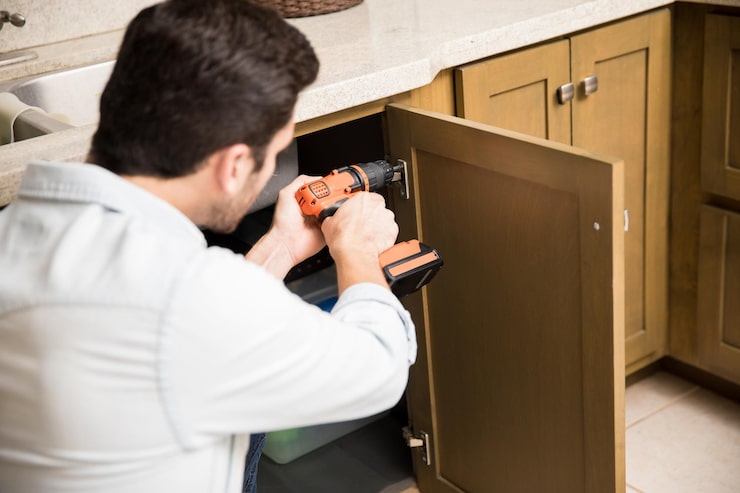
Is your kitchen drawer front looking worn, cracked, or loose? You don’t have to replace the entire drawer or call a professional to fix it.
With a few simple steps, you can repair your kitchen drawer front yourself and bring back its original charm. Imagine opening your drawer smoothly and seeing a neat, sturdy front that matches the rest of your kitchen. Stick with me, and I’ll show you exactly how to do this quickly and easily—no special tools or skills needed.
Ready to give your kitchen a fresh, polished look? Let’s get started!

Credit: www.reddit.com
Common Drawer Front Issues
Kitchen drawer fronts often face wear and tear because they get daily use. Recognizing the common issues early can save you from costly repairs or replacements. Let’s look at some typical problems you might find and how they affect your drawers.
Loose Or Detached Fronts
Have you noticed your drawer front wobbling or coming off completely? Loose or detached fronts usually happen because the screws or glue holding them weaken over time. This can make your drawers hard to open or close smoothly, and sometimes they might even fall off.
Fixing this involves tightening screws or reapplying strong wood glue. If screws are stripped, switching to longer or thicker ones can provide a better grip. Always check the inside of the drawer to understand how the front is attached before starting repairs.
Scratches And Dents
Scratches and dents are frustrating, especially when your kitchen looks otherwise spotless. These marks often occur from utensils, cleaning tools, or accidental knocks. Although they don’t affect the function, they can ruin the drawer’s appearance.
To fix scratches, you can use a wood filler or a matching color marker designed for furniture. For dents, gently steaming the area with a damp cloth can sometimes raise the wood fibers back up. Have you tried these simple tricks on your kitchen drawers yet?
Misaligned Drawers
Do your drawers stick or don’t close properly? Misalignment causes uneven gaps or drawers that don’t sit flush with the cabinet. It usually happens because the slides or tracks are bent, dirty, or worn out.
Cleaning the tracks and checking for bent parts is a good first step. Adjusting or replacing drawer slides can restore smooth operation. Take a look inside your drawers—are the runners intact and clean?
Tools And Materials Needed
Repairing a kitchen drawer front requires the right tools and materials. Having these on hand makes the job easier and faster. It also helps achieve a neat and lasting repair. Prepare everything before starting to avoid interruptions. This section covers the essential tools and supplies needed.
Basic Repair Tools
- Screwdrivers (flathead and Phillips) for removing and tightening screws
- Hammer for light tapping and adjustments
- Clamps to hold pieces in place while glue dries
- Measuring tape to check dimensions accurately
- Sandpaper (medium and fine grit) to smooth surfaces
- Putty knife for applying fillers smoothly
- Utility knife for trimming excess material
Adhesives And Fillers
- Wood glue for bonding wood parts firmly
- Wood filler to fill cracks, holes, or dents
- Epoxy resin for stronger repairs on broken parts
- Painter’s tape to protect areas during repair
Replacement Hardware
- New screws if old ones are stripped or rusty
- Drawer pulls or knobs to replace damaged ones
- Drawer slides or runners if the drawer does not open smoothly
Fixing Loose Or Detached Drawer Fronts
Loose or detached drawer fronts can be fixed by tightening screws or using wood glue. Carefully remove the drawer, secure the front, and let glue dry if needed. This simple repair improves both function and appearance of kitchen drawers.
Fixing loose or detached drawer fronts can be a simple task. It can breathe new life into your kitchen. A stable drawer front ensures smooth usage and enhances aesthetics. Let's explore how to fix these issues efficiently.
Removing The Drawer
First, pull the drawer out completely. Use gentle force to avoid damage. Check if there's a release latch on the sides. Press these latches to remove the drawer. Place the drawer on a flat surface for stability.
Reattaching The Front
Inspect the drawer front for loose screws. Tighten them with a screwdriver. If screws are missing, replace them with new ones. Align the drawer front properly. Ensure it sits evenly on all sides.
Reinforcing With Screws Or Brackets
Consider adding extra support. Use wood screws for added strength. Drill small pilot holes to prevent wood splitting. Attach the screws firmly but avoid over-tightening. You may also use metal brackets for extra stability. Position brackets inside the drawer for a clean look. Secure them with screws for lasting support.

Credit: www.youtube.com
Repairing Scratches And Dents
Scratches and dents on kitchen drawer fronts can make your cabinets look old and worn. Fixing these blemishes restores the drawer’s smooth surface and improves its overall look. Simple repairs often bring big changes without needing a full replacement.
Using Wood Filler
Wood filler is perfect for filling dents and deep scratches. Choose a filler that matches your drawer’s color. Apply it with a putty knife, pressing the filler into the damaged area. Smooth the surface and remove any excess. Let it dry fully before moving on.
Sanding Techniques
Sanding smooths the filled area and blends it with the rest of the drawer. Use fine-grit sandpaper to avoid damage. Sand gently in circular motions until the surface feels even. Wipe away dust with a clean cloth before applying paint or stain.
Touch-up Paint And Stains
Use touch-up paint or stain to match the drawer’s original finish. Test the color on a small spot first. Apply thin coats with a small brush. Let each coat dry before adding another. This step hides repairs and restores the drawer’s natural look.
Realigning Misaligned Drawers
Misaligned kitchen drawers can be more than just an eyesore—they can make daily tasks frustrating. Realigning them restores smooth operation and improves your kitchen’s look. Let’s dive into how you can get those drawers sliding perfectly again.
Checking Drawer Slides
Start by pulling the drawer out completely and inspecting the slides on both the drawer and inside the cabinet. Look for any dirt, debris, or damage like bent metal or broken plastic parts that could cause misalignment.
Sometimes, simply cleaning the slides with a cloth and applying a bit of lubricant can make a big difference. Are the slides the same type on both sides? Mismatched or worn-out slides often cause uneven movement, so note any differences.
Adjusting Or Replacing Hardware
Next, examine the screws and brackets holding the slides in place. Loose screws can cause the drawer to sag or tilt, so tighten any that feel wobbly.
If tightening doesn’t fix the problem, consider loosening the screws slightly to shift the slide into a better position before retightening. In cases where the hardware is damaged or too worn, replacing it with new slides can save you hours of frustration.
Testing Drawer Movement
After adjustments, slide the drawer in and out several times. Does it move smoothly without sticking or wobbling? Pay attention to any areas where it feels tight or uneven.
Make small tweaks if necessary—sometimes a millimeter’s difference can change everything. Would you believe that a drawer you thought was broken just needed a tiny adjustment to work like new?
Preventing Future Damage
Preventing future damage to your kitchen drawer front keeps it looking good longer. Small efforts stop big problems. Consistent care and smart use protect your repair work and the drawer's structure.
Regular Maintenance Tips
Clean drawer fronts gently with a soft cloth. Avoid harsh chemicals that wear out finishes. Check screws and handles often. Tighten loose parts to prevent wobbling or breakage. Lubricate drawer slides yearly for smooth motion.
Proper Drawer Usage
Open and close drawers with care, not force. Avoid overloading drawers with heavy items. Even weight helps prevent strain on joints. Use both hands to support wide or heavy drawers. Keep sharp objects away from the drawer front surface.
Protective Finishes
Apply clear varnish or polyurethane to shield the wood. Choose finishes made for kitchen use and moisture resistance. Reapply every year or as needed to keep protection strong. Test finishes on a small area before full application.

Credit: www.angi.com
Frequently Asked Questions
How Do I Fix A Loose Kitchen Drawer Front?
Tighten or replace the screws holding the drawer front. Use a screwdriver to secure it firmly. If screws are stripped, use wood filler or larger screws for a better grip.
What Tools Are Needed To Repair A Kitchen Drawer Front?
You’ll need a screwdriver, wood glue, clamps, sandpaper, and replacement screws. Optional tools include a drill and wood filler for damaged areas.
Can I Repaint A Repaired Kitchen Drawer Front?
Yes, sanding and priming the surface first ensures paint adhesion. Use a paint suitable for wood and apply thin, even coats for best results.
How Long Does It Take To Repair A Kitchen Drawer Front?
Repairs typically take 30 minutes to an hour, depending on damage severity. Drying times for glue or paint may extend the overall process.
Conclusion
Repairing a kitchen drawer front is simple and saves money. Follow easy steps to fix cracks, scratches, or loose parts. Use basic tools and materials you likely have at home. Taking time to repair keeps your kitchen looking nice and working well.
Small fixes prevent bigger problems later. Try these tips to keep your drawers strong and neat. A little effort makes a big difference in your kitchen’s look and function. Start today and enjoy a better, tidier space.