
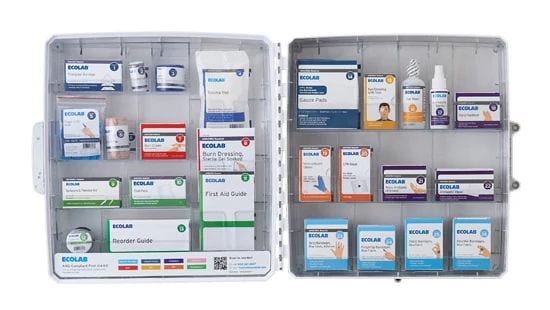
Your kitchen is a busy place where accidents can happen in a flash. Cuts, burns, and splinters are just a few common injuries that might catch you off guard.
That’s why having a well-stocked first aid kit right in your kitchen isn’t just smart—it’s essential. But what exactly should you include to be ready for any mishap? Keep reading to discover the must-have items that will keep you calm, prepared, and safe the next time something unexpected happens in your kitchen.
Basic First Aid Supplies
A well-stocked kitchen first aid kit keeps you ready for small accidents. Basic first aid supplies help treat cuts, burns, and scrapes quickly. They protect wounds from infection and speed up healing. Every kitchen should have these essential items within reach.
Adhesive Bandages And Gauze
Adhesive bandages cover small cuts and blisters. They stop dirt and germs from entering wounds. Gauze pads absorb blood and protect larger injuries. Use gauze to dress deep cuts or burns before bandaging. Both items come in different sizes for varied needs.
Antiseptic Wipes And Creams
Antiseptic wipes clean wounds by killing germs. They reduce the risk of infection after an injury. Antiseptic creams soothe skin and help wounds heal faster. Apply creams gently on cuts or burns after cleaning the area. Keep these supplies sealed and ready for use.
Medical Tape And Scissors
Medical tape secures gauze and bandages in place. It sticks well to skin but removes gently without pain. Scissors cut tape, gauze, and clothing if needed. Choose scissors with blunt tips for safety. Both tools make first aid application easy and effective.
Burn Care Items
Burns are one of the most common kitchen injuries. Having the right burn care items in your kitchen first aid kit can make a big difference in how quickly you recover. These essentials help reduce pain, prevent infection, and promote healing right from the moment the accident happens.
Burn Creams And Gels
Burn creams and gels provide immediate relief by cooling the skin and reducing inflammation. Look for products containing aloe vera or lidocaine, which soothe pain and help prevent infection. Keep these creams handy—you never know when a quick application can stop a burn from worsening.
Non-stick Sterile Dressings
Covering a burn properly is crucial to avoid further damage and contamination. Non-stick sterile dressings are designed to protect sensitive skin without sticking to the wound. They make changing dressings less painful and reduce the risk of reopening the burn.
Cold Packs
Applying cold packs immediately after a burn can reduce swelling and numb the pain. Avoid using ice directly on the skin—wrap the pack in a cloth to prevent frostbite. Keeping a few reusable cold packs in your kit prepares you for quick and effective first aid.
Tools For Injury Management
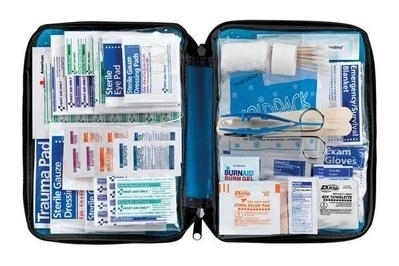
A kitchen first aid kit should include bandages, antiseptic wipes, and burn cream for quick care. Scissors, tweezers, and gloves help manage cuts and scrapes safely. Keeping these tools handy supports fast and effective injury treatment.
Creating a kitchen first aid kit is more than just stashing a few band-aids and antiseptic wipes. It's about being prepared for those unexpected moments when a quick response can make a difference. Tools for injury management are essential components, helping you handle minor mishaps with ease and confidence. Imagine slicing through a fresh tomato and suddenly feeling a sting—having the right tools at your fingertips can turn a potential panic moment into a manageable situation. Let's dive into the essential tools you should include.
Tweezers And Safety Pins
Tweezers are an absolute must-have in your kit. They are perfect for removing splinters, glass shards, or any small object that might find its way into your skin. Choose a pair with a fine tip for precision and keep them sterilized. Safety pins may seem old-school, but they are incredibly versatile. Use them to secure bandages or even as a temporary fix for torn clothing. A small pack of various sizes can be surprisingly handy.
Disposable Gloves
Disposable gloves are crucial for maintaining hygiene and preventing infection. When dealing with open wounds, wearing gloves protects both you and the injured person from potential contaminants. Keep a few pairs in your kit and choose latex-free options to avoid allergic reactions. They are also useful when cleaning up spills, adding an extra layer of safety.
Instant Cold Compress
Instant cold compresses are lifesavers for reducing swelling and numbing pain. They work wonders for sprains, strains, and minor burns. These packs activate with a simple squeeze and shake, providing immediate relief without needing refrigeration. Store a couple in your kit for those times when a quick ice-cold treatment is necessary. Have you ever thought about how prepared you are for kitchen accidents? By ensuring your first aid kit includes these tools, you can handle injuries more effectively and with peace of mind. With each item, you're not just stocking up supplies—you're investing in your safety and readiness. So, what's in your kitchen first aid kit today?

Credit: www.ishn.com
Emergency Medications
Having emergency medications in your kitchen first aid kit is essential. These medicines help you tackle sudden discomforts or reactions quickly. They can prevent minor issues from turning into bigger problems.
Pain Relievers
Pain relievers like acetaminophen or ibuprofen are must-haves. They ease headaches, muscle pain, or minor injuries you might get while cooking. Always keep a small supply and check expiration dates regularly.
Think about how a simple headache can ruin your day. Having pain relief ready means you don’t have to pause your cooking or wait for it to get worse.
Allergy Relief
Allergy relief medications such as antihistamines can be lifesavers during unexpected allergic reactions. If someone in your home has known allergies, having these on hand is even more critical.
Imagine tasting a new ingredient and suddenly feeling itchy or sneezing. Quick access to allergy relief can calm symptoms fast and keep the situation under control.
Antacid Tablets
Antacid tablets help neutralize stomach acid and relieve indigestion or heartburn. Cooking involves tasting different foods, some of which might upset your stomach.
Having antacids ready means you can handle sudden discomfort without stopping your meal prep. It’s a simple addition that can save you from unnecessary pain.
Additional Safety Items
Additional safety items enhance the protection level in your kitchen first aid kit. These tools help manage unexpected injuries swiftly. They provide extra care beyond basic supplies. Keep these items within easy reach for quick access.
Eye Wash Solution
Eye wash solution flushes out harmful substances from the eyes. It helps clear away chemicals, dust, or food particles. Use it immediately after an eye injury to reduce damage. Keep a small bottle sealed and ready to use.
Cpr Face Shield
A CPR face shield protects during rescue breaths. It reduces the risk of infection. The shield has a one-way valve for safe mouth-to-mouth resuscitation. Store it in a clean, accessible place within the kit.
Emergency Contact List
An emergency contact list is vital during a crisis. It should include doctors, poison control, and local emergency numbers. Keep the list updated and visible inside the first aid kit. This saves time when quick help is needed.
Credit: www.nytimes.com
Storage And Maintenance
Proper storage and maintenance keep a kitchen first aid kit ready for emergencies. A well-organized kit saves time and helps you find items fast. Regular care stops supplies from going bad or losing use. Simple steps ensure the kit stays useful and clean.
Proper Container Choice
Choose a container that is sturdy and easy to open. Waterproof boxes protect supplies from spills and moisture. Clear containers help you see the contents quickly. Use a container with compartments to keep items organized. Label the box clearly as “First Aid Kit.”
Regular Kit Checks
Check the kit every month to ensure all items are present. Look for damaged packaging or broken tools. Make sure bandages are clean and unused. Confirm that ointments and creams have not dried out. Keep a checklist to track what needs replacement.
Replacing Expired Items
Check expiry dates on medicines and ointments regularly. Remove any expired or unused items immediately. Replace them with fresh supplies to maintain safety. Expired items may lose effectiveness or cause harm. Keep the kit stocked with fresh, working products at all times.

Credit: www.firstaidpro.com.au
Frequently Asked Questions
What Essential Items Belong In A Kitchen First Aid Kit?
A kitchen first aid kit should include adhesive bandages, antiseptic wipes, sterile gauze, medical tape, scissors, tweezers, burn cream, and pain relief medication. These items address common kitchen injuries like cuts, burns, and scrapes quickly and effectively.
How Often Should I Check My Kitchen First Aid Kit?
Check your kitchen first aid kit every 3 to 6 months. Replace expired items and replenish used supplies to ensure readiness for any kitchen emergency.
Can A Kitchen First Aid Kit Treat Burns Effectively?
Yes, a kitchen first aid kit can treat minor burns. Include burn cream, cold packs, and sterile dressings to reduce pain and prevent infection promptly.
Should I Include Allergy Medication In My Kitchen First Aid Kit?
Including allergy medication like antihistamines is wise. It helps manage unexpected allergic reactions from food or insect stings that can occur in the kitchen.
Conclusion
A well-stocked kitchen first aid kit keeps you ready for small injuries. It should include bandages, antiseptic wipes, and burn cream. Keep scissors, gloves, and pain relief medicine handy too. Regularly check and replace expired items for safety. A simple kit helps you act fast and stay calm.
Everyone in the kitchen should know where it is. Being prepared makes cooking safer and less stressful. Stay safe and keep your kitchen ready for any minor emergency.