
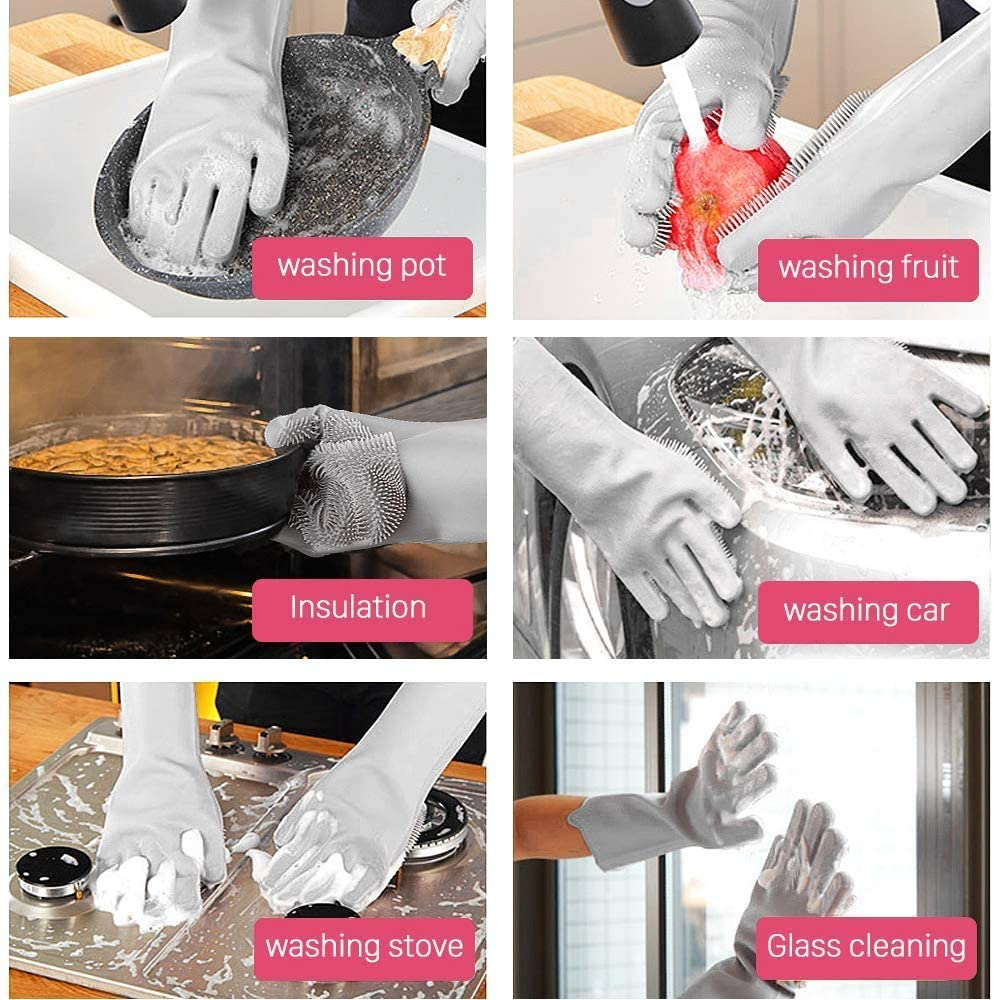
Your kitchen gloves protect your hands from hot water, harsh chemicals, and tough stains. But have you ever stopped to think about how clean your gloves really are?
Washing them properly is key to keeping your hands safe and your gloves lasting longer. If you want to avoid germs, bad odors, and worn-out gloves, you’re in the right place. Keep reading, and you’ll learn simple, effective steps to wash your kitchen gloves the right way every time.

Credit: www.vecteezy.com
Choosing The Right Gloves
Choosing the right kitchen gloves is important for safety and comfort. The right gloves protect your hands from heat, chemicals, and sharp objects. They also make cleaning easier and more effective. Understanding the types and materials helps you pick gloves that last longer and stay clean.
Types Of Kitchen Gloves
- Dishwashing gloves: Designed to keep hands dry and safe from detergents.
- Heat-resistant gloves: Protect hands from hot pots and pans.
- Disposable gloves: Used for quick tasks and food handling.
- Cut-resistant gloves: Help prevent injuries from knives.
Material Matters
Gloves come in different materials. Each offers unique benefits and care needs.
- Latex:Flexible and fits well but may cause allergies.
- Rubber:Durable and good for washing dishes.
- Neoprene:Resistant to chemicals and heat.
- Nitrile:Strong and allergy-free.
- Cotton:Soft and breathable, often used inside other gloves.
Choosing the right material depends on the task and your skin sensitivity. Proper care extends glove life and keeps them clean.
Common Contaminants On Gloves
Kitchen gloves protect your hands, but they can also carry unwanted contaminants after use. Understanding what sticks to your gloves helps you clean them better. Let’s look at the most common types of dirt and grime found on kitchen gloves.
Food Residue
Food residue is the most obvious contaminant on kitchen gloves. Even if you can’t see it, tiny bits of food can cling to the gloves’ surface. These leftovers can cause bad smells and attract bacteria if not washed off properly.
Think about handling raw meat or dough. Both leave behind proteins and starches that are hard to spot but easy to clean. If you skip washing, these residues can cross-contaminate your next meal. Have you noticed a sticky feel on gloves after peeling fruits or chopping vegetables? That’s food residue waiting to be washed away.
Bacteria And Germs
Bacteria and germs are invisible threats that thrive on dirty gloves. Your gloves pick up germs from raw foods, utensils, and even your hands. If not cleaned regularly, these microbes multiply and increase the risk of foodborne illness.
Wearing gloves doesn’t mean you can skip hand hygiene. The gloves themselves can become a breeding ground for bacteria. Are you surprised to learn that gloves can carry more germs than bare hands if not washed properly? It’s a reality many overlook.
Chemical Residue
Cleaning agents, detergents, and even food preservatives can leave chemical residues on gloves. These substances might irritate your skin or contaminate the food you handle next. Sometimes, you may not realize these chemicals linger until you feel itchiness or notice a strange smell.
Think about using dish soap or surface cleaners while wearing gloves. Without thorough rinsing, these chemicals stay trapped on the gloves. Do you check your gloves for leftover soap or cleaner after washing? This small step can protect your skin and your meals.
Daily Cleaning Methods
Keeping kitchen gloves clean every day helps stop germs from spreading. Daily cleaning keeps gloves fresh and safe to use. It also stops bad smells and extends glove life. Simple cleaning habits make a big difference in kitchen hygiene.
Rinsing After Use
Rinse gloves under warm water after each use. This removes leftover food and dirt quickly. Hold gloves inside out to clean both sides. Use your fingers to rub the surface gently. This prevents buildup and keeps gloves ready for next use.
Hand Washing Techniques
Use mild soap and warm water to wash gloves by hand. Follow these easy steps:
- Apply soap to gloves, inside and out.
- Rub gloves gently to make bubbles.
- Focus on areas with stains or grease.
- Rinse gloves well until soap disappears.
- Squeeze out excess water without twisting.
- Hang gloves to dry in a cool place.
This method removes dirt deeply and keeps gloves soft. Avoid hot water as it can damage gloves.
Deep Cleaning Tips
Kitchen gloves are an essential tool for maintaining hygiene. Regular cleaning keeps them safe and odor-free. Deep cleaning ensures they last longer and remain effective. Follow these tips to give your gloves a thorough clean.
Soaking Solutions
Soaking gloves helps remove stubborn dirt and bacteria. Use warm water and mild detergent. Fill a basin with water and add a few drops of detergent. Submerge the gloves completely in the solution. Let them soak for at least 20 minutes.
For an extra deep clean, add a tablespoon of baking soda. This helps neutralize odors and break down grease. After soaking, rinse the gloves thoroughly with clean water.
Using Disinfectants Safely
Disinfectants kill germs and keep gloves hygienic. Choose a gentle, non-toxic disinfectant. Avoid bleach, as it can damage glove material. Dilute the disinfectant according to the label instructions.
Apply the solution to the gloves using a soft cloth. Wipe all surfaces, ensuring even coverage. Rinse gloves well under running water to remove disinfectant residue. Allow them to air dry completely before using again.
Drying And Storing Gloves
After washing kitchen gloves, drying and storing them properly keeps them clean and durable. Moisture left inside gloves can cause bacteria and odors. Proper drying prevents damage and extends glove life. Storing gloves correctly avoids dust and pests, keeping them ready for the next use.
Proper Drying Methods
Pat gloves gently with a clean towel to remove excess water. Avoid wringing or twisting, which can damage the material. Hang gloves in a well-ventilated area to air dry completely. Use a drying rack or hang them by the cuffs to let air circulate inside. Avoid direct sunlight or heat sources, which can cause cracking or shrinking. Make sure gloves are fully dry before storing to stop mold growth.
Storage Best Practices
Store gloves in a cool, dry place away from kitchen heat and moisture. Use a clean container or drawer to keep them dust-free. Avoid storing gloves near chemicals or strong-smelling items that can transfer odors. Keep gloves flat or hanging to maintain their shape. Check gloves regularly for signs of wear or damage before use.

Credit: www.amazon.ca
When To Replace Kitchen Gloves
Knowing when to replace your kitchen gloves is just as important as washing them. Using gloves that are past their prime can lead to contamination and reduce their effectiveness. Paying attention to certain signs can help you decide the right time to get a new pair.
Signs Of Wear And Tear
Check your gloves regularly for any visible damage. Look for holes, tears, or thinning areas, especially around the fingertips and palms. If you notice your gloves are becoming sticky or losing their grip, it’s a clear sign they need replacement.
Discoloration or a persistent bad smell can also indicate that your gloves have aged beyond safe use. Even if you wash them thoroughly, these issues often won’t go away. Don’t ignore stiffness or cracks in the material, as these reduce protection.
Health Risks Of Old Gloves
Using worn-out gloves increases the risk of cross-contamination in your kitchen. Tiny holes allow bacteria and other germs to pass through, making your food unsafe. This can lead to foodborne illnesses that affect you and your loved ones.
Old gloves can also harbor harmful microbes inside, despite regular washing. The material may break down, creating an environment where bacteria thrive. Are you willing to risk your health just to save a few cents on new gloves?
Replacing gloves regularly protects not only your food but also your skin. Damaged gloves might expose you to harsh cleaning chemicals or allergens. Keep your kitchen safe by swapping out gloves at the first sign of wear.
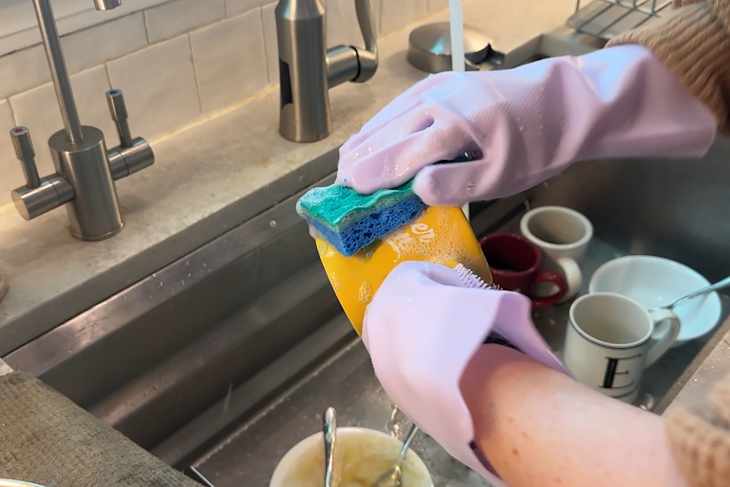
Credit: www.thekitchn.com
Frequently Asked Questions
How Often Should I Wash Kitchen Gloves?
You should wash kitchen gloves after every use. Regular cleaning prevents bacteria buildup and keeps gloves hygienic. For heavy use, wash more frequently to avoid odors and stains.
What Is The Best Method To Clean Kitchen Gloves?
Hand wash gloves with warm water and mild soap. Gently scrub inside and outside to remove dirt. Rinse thoroughly and air dry completely before reuse.
Can I Machine Wash Kitchen Gloves Safely?
Yes, most rubber or silicone gloves can be machine washed. Use a gentle cycle with mild detergent. Avoid high heat drying to prevent damage or shrinking.
How Do I Dry Kitchen Gloves Properly?
Air dry gloves by hanging or laying them flat. Avoid direct sunlight or heat sources. Proper drying prevents mold growth and extends glove lifespan.
Conclusion
Washing kitchen gloves keeps them clean and safe to use. Regular cleaning stops germs from growing inside. Use warm water and mild soap for best results. Dry gloves completely before storing to avoid bad smells. Clean gloves last longer and protect your hands better.
Simple steps make a big difference in kitchen hygiene. Take care of your gloves to keep your kitchen healthy. Small habits lead to a cleaner cooking space every day.