
Have you ever tried to pull out a kitchen drawer, only to find it stuck or jammed? It’s frustrating when your drawer won’t slide smoothly, especially when you need something quickly.
But don’t worry—pulling out a kitchen drawer doesn’t have to be a struggle. In this guide, you’ll discover simple, effective steps to get your drawer moving again without damage or stress. Keep reading, and you’ll learn easy tricks that save you time and make your kitchen tasks much easier.
Credit: www.lumberjocks.com
Check For Safety
Checking for safety before pulling out a kitchen drawer is important. It helps prevent accidents and damage. Taking a moment to prepare makes the task easier and safer.
Clear The Drawer Contents
Remove all items from the drawer. Loose objects can fall and cause injury. Emptying the drawer also makes it lighter and easier to pull out. It helps you see any obstacles inside the drawer.
Assess Drawer Type
Identify the drawer type before pulling it out. Some drawers have stops or locks that need releasing. Others slide out smoothly but need lifting to remove. Knowing the type prevents damage to the drawer or cabinet. Look under or to the sides for levers or clips. Understanding the mechanism saves time and effort.
Locate The Drawer Mechanism
Before you can pull out a kitchen drawer smoothly, you need to understand how it operates. Locating the drawer mechanism is key to avoiding damage and making the process easier. Most drawers have specific components that control their movement, and knowing where these parts are will save you time and frustration.
Identify Slide Type
Look inside the drawer to see what kind of slide system it uses. Common types include:
- Side-mounted slides– These run along the sides of the drawer and are visible when you open it.
- Under-mounted slides– These are hidden beneath the drawer, giving a cleaner look.
- Center-mounted slides– These run along the middle underneath the drawer.
Recognizing the slide type helps you know where to look for release points. Have you noticed how some drawers pull out effortlessly while others get stuck? That difference often comes down to the slide design.
Find Release Levers Or Tabs
Once you identify the slide type, check for release levers or tabs. These small parts unlock the drawer from the cabinet frame. They are usually found near the back of the slide mechanism.
For side-mounted slides, you might find a lever on one or both sides. Under-mounted slides often have a single tab you press or lift. Don’t rush—gently feel around the edges to avoid breaking anything.
Have you ever tried pulling a drawer too hard without spotting these levers? It often leads to broken slides or stuck drawers. Taking a moment to locate these release points will make the removal process safer and smoother.
Prepare For Removal
Preparing to remove a kitchen drawer is key to avoid damage. Taking time to get ready helps the process go smoothly. It reduces the chance of breaking the drawer or its tracks. Follow simple tips to make sure you handle the drawer correctly from the start.
Position Hands Correctly
Place your hands on both sides of the drawer. Keep your fingers near the bottom edge for a firm grip. Avoid holding the drawer by the front panel only. This prevents stress on the handle and front part. Use your thumbs on top for extra support. Make sure your grip feels steady before pulling.
Support The Drawer
Hold the drawer with both hands to support its full weight. Keep it level to stop it from tipping or falling. If the drawer is heavy, ask for help. Support the bottom and sides evenly. This protects the drawer’s structure and the cabinet frame. Move slowly to maintain control during removal.
Release The Drawer
Releasing a kitchen drawer properly prevents damage and makes removal easier. This step involves understanding the drawer's mechanism and handling it gently. Different drawers have different release systems. Knowing how to operate these helps in pulling the drawer out safely.
Operate Release Mechanisms
Many drawers have simple release levers or clips on the sides or bottom. Press or lift these release parts carefully. Some drawers use a button that must be pushed while pulling. Check both sides of the drawer for these mechanisms. Avoid forcing the drawer without releasing these parts first.
Slide The Drawer Out Slowly
Once the release mechanism is engaged, pull the drawer straight out. Move it slowly to avoid hitting the cabinet frame. Keep the drawer level to prevent tipping or dropping. If it feels stuck, stop and check for any missed release points. Gentle, steady pulling protects both the drawer and cabinet.
Handle Common Issues
Common problems like stuck or jammed drawers often result from dirt or misaligned tracks. Gently lifting and pulling while checking for obstructions helps resolve most issues quickly. Regular cleaning and lubrication keep drawers moving smoothly.
Tackling common issues when pulling out kitchen drawers can save you from frustration and potential damage to your cabinetry. Whether you're dealing with a drawer that refuses to budge or one that won't align properly, understanding these common problems can make all the difference. Let's dive into some solutions for these pesky issues.
Stuck Drawers
A stuck drawer can be a real annoyance, especially when you’re in the middle of cooking or organizing. First, check for any visible obstructions inside the drawer or the cabinet. Sometimes, stray objects can wedge themselves in awkward positions. If the drawer still won't budge, a little lubrication might be needed. Using a silicone spray can help loosen any tight spots between the drawer and its slides. Just be sure to wipe away any excess to prevent future dust buildup. Have you ever thought about the humidity in your kitchen? Excess moisture can cause wooden drawers to swell, making them difficult to open. Consider using a dehumidifier or silica gel packs to keep the moisture levels in check.
Misaligned Slides
Misaligned slides can cause your drawer to tilt or get stuck while opening. Start by inspecting the slides to ensure they're securely attached to both the drawer and the cabinet frame. Loose screws can often be the culprit. If the slides appear to be worn out or damaged, it might be time for a replacement. Drawer slides vary in type, so make sure you purchase the correct size and style for your specific drawer. Reinstalling the slides with precision is crucial. Align them carefully, and test the drawer to see if it glides smoothly. A friend once shared a tip: use a level to ensure the slides are perfectly aligned horizontally. This small step can prevent future misalignment issues. With these practical tips, tackling common kitchen drawer issues can become a straightforward task. After all, who doesn’t want a smoothly functioning kitchen? Have you encountered any other drawer issues? Share your experiences in the comments!
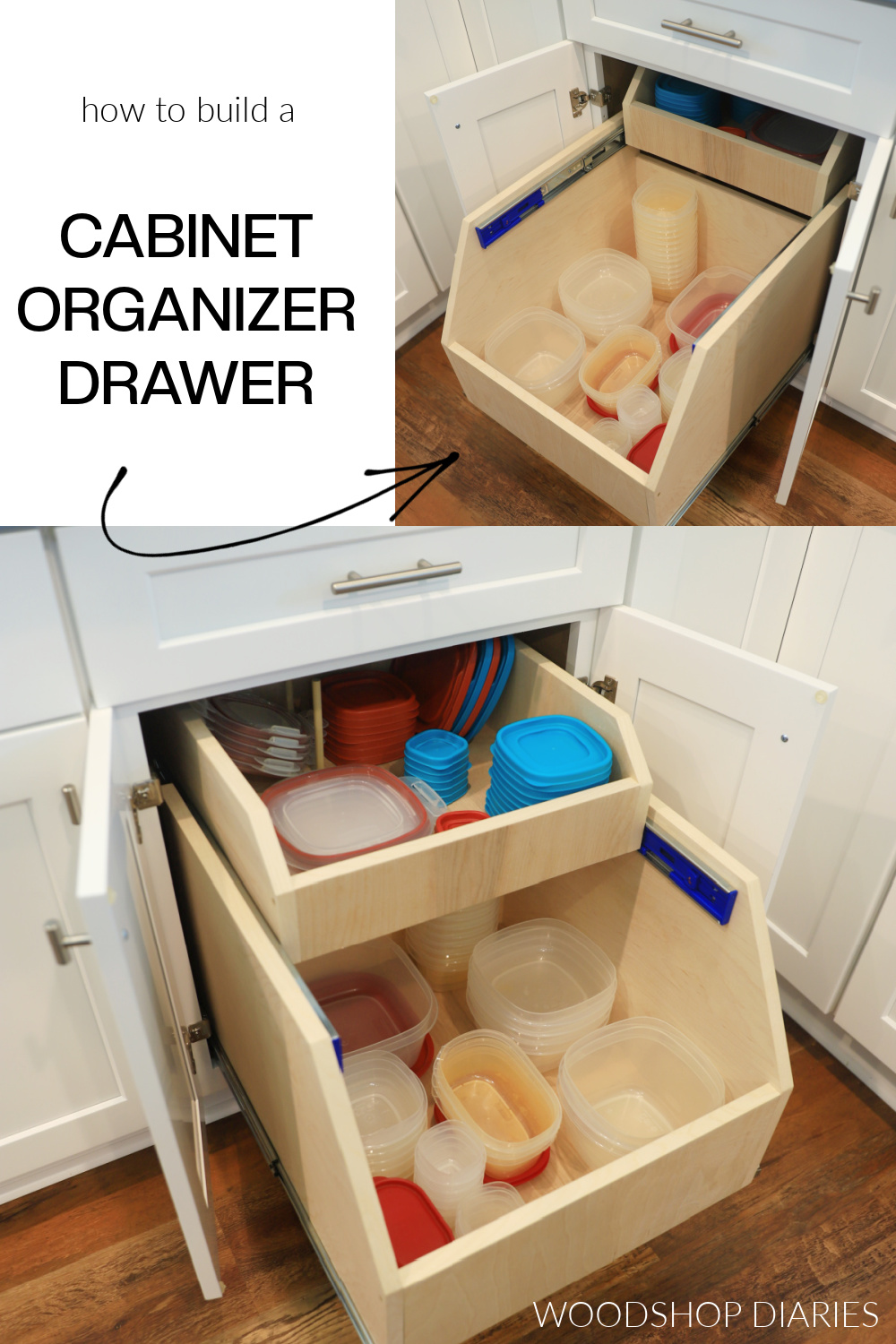
Credit: www.woodshopdiaries.com
Maintain Drawer Slides
Maintaining your kitchen drawer slides keeps them working smoothly. Proper care prevents sticking and damage. Regular upkeep helps your drawers open and close easily. It also extends the life of the slides.
Clean And Lubricate
Remove the drawer carefully to access the slides. Wipe off dust and dirt with a soft cloth. Use a mild cleaner if needed to remove grease. Let the slides dry completely before applying lubricant.
Apply a small amount of silicone spray or a dry lubricant. Avoid using oil-based lubricants that attract dust. Move the slides back and forth to spread the lubricant evenly. This reduces friction and keeps the drawer sliding smoothly.
Inspect For Damage
Check the slides for dents, bends, or rust. Look for loose screws or missing parts. Damaged slides can cause the drawer to stick or fall out. Replace any broken or worn parts immediately.
Ensure the slides align properly on both the drawer and cabinet sides. Misalignment can cause uneven movement or jamming. Tighten any loose screws to keep the slides secure. Regular inspection prevents bigger problems later.
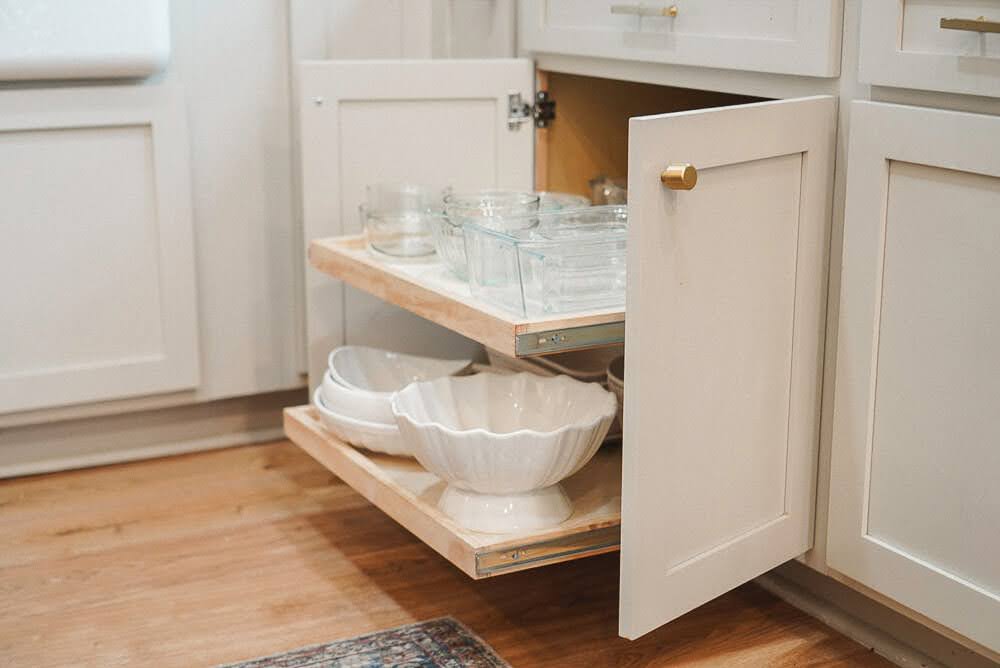
Credit: crystelmontenegrohome.com
Frequently Asked Questions
How Do I Safely Remove A Kitchen Drawer?
To safely remove a kitchen drawer, fully extend it, locate the release clips or levers, and press or lift them. Gently pull the drawer straight out. Avoid forcing it to prevent damage to the slides or drawer.
What Tools Are Needed To Pull Out A Kitchen Drawer?
Most kitchen drawers require no tools to remove. However, a screwdriver may be helpful for removing screws on some slides. Always check the drawer slides for locking mechanisms before using tools.
How Can I Fix A Stuck Kitchen Drawer?
For a stuck drawer, first clear any obstructions inside or underneath. Lubricate the drawer slides with silicone spray or wax. Gently wiggle and pull the drawer out without forcing it.
Can All Kitchen Drawers Be Fully Removed?
Most modern kitchen drawers can be fully removed using release mechanisms. Some older or built-in drawers may have permanent stops and require partial removal only. Check the drawer type before attempting full removal.
Conclusion
Pulling out a kitchen drawer is easier than it seems. Follow the steps one by one. Be gentle to avoid damage. Check for screws or clips holding it in place. Take your time and stay patient. This simple skill helps with cleaning and repairs.
You can handle small fixes yourself. Practice makes the process smoother each time. Keep these tips in mind for future use. Now, you are ready to pull out any drawer safely.