
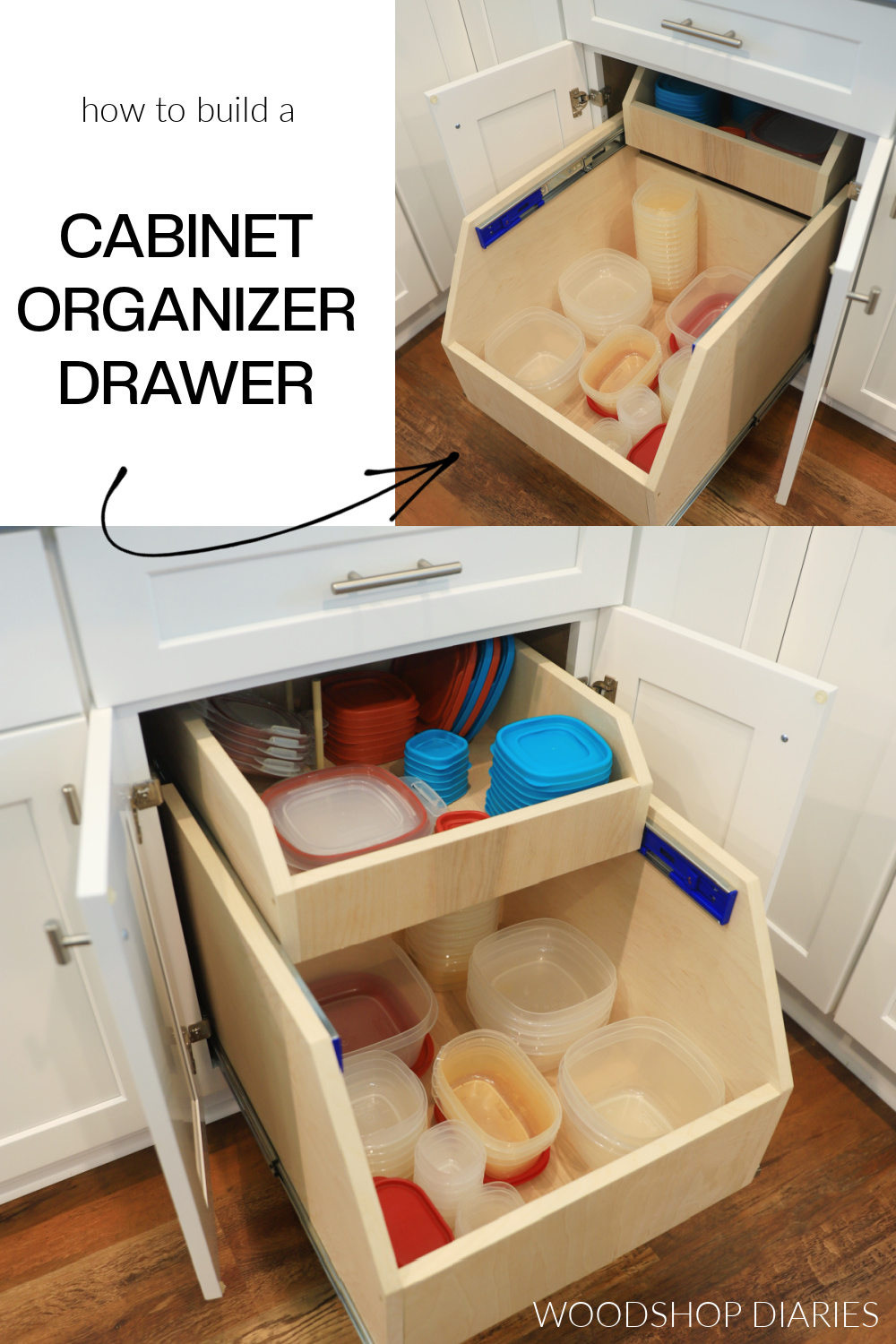
Have you ever opened a kitchen drawer and wondered just how deep it really is? Knowing the exact depth can change the way you organize your space and store your essentials.
Whether you’re planning a kitchen makeover or simply want to maximize your storage, understanding drawer depth is key. You’ll discover the typical sizes, what to measure, and tips to make the most of every inch. Keep reading—you’ll be surprised at how a simple detail like drawer depth can transform your kitchen experience.

Credit: www.amazon.com
Standard Kitchen Drawer Depths
Standard kitchen drawer depths play a crucial role in organizing your kitchen efficiently. Knowing these depths helps you choose the right drawers for storing utensils, pots, and pantry items. It also ensures your drawers fit well within your kitchen cabinetry without wasting space.
Common Sizes And Variations
Most kitchen drawers have depths ranging from 18 to 24 inches. This range suits typical cabinet boxes and allows enough room for various kitchen tools and gadgets. Some shallower drawers, around 12 to 15 inches deep, are ideal for cutlery and small items.
Deep drawers, measuring up to 30 inches, are perfect for pots, pans, and bulky kitchenware. Keep in mind that drawer depth can vary depending on cabinet style and manufacturer. You might find custom sizes if your kitchen design demands something unique.
| Drawer Type | Standard Depth | Best Use |
|---|---|---|
| Shallow Drawer | 12–15 inches | Cutlery, utensils |
| Standard Drawer | 18–24 inches | Dishware, small appliances |
| Deep Drawer | 24–30 inches | Pots, pans, large kitchen tools |
Measuring Your Existing Drawers
To find out how deep your current kitchen drawers are, grab a tape measure. Measure from the front edge of the drawer to the back wall inside the drawer box. This gives you an accurate depth measurement.
Don’t forget to check if your drawer has a lip or front panel that affects usable space. Measuring the interior depth helps you understand how much room you really have for storing items. Have you noticed how some drawers feel cramped even if they look big from the outside?
Once you know your drawer depths, you can plan better storage solutions and avoid buying organizers or containers that don’t fit. Measuring your drawers might seem simple, but it’s a step many skip, leading to wasted space or cluttered counters.
Factors Influencing Drawer Depth
Understanding what affects the depth of a kitchen drawer helps you make smarter choices for your storage needs. Drawer depth isn’t random; it depends on several practical elements that balance space, function, and style. Knowing these factors can guide you to pick or customize drawers that truly fit your kitchen and lifestyle.
Cabinet Design And Construction
The size of your cabinet largely sets the maximum depth for your drawer. If your cabinets are shallow, your drawers can't be very deep either. Custom-built cabinets often allow more flexibility, while pre-made ones stick to standard depths.
Think about the frame style and thickness of the cabinet walls, too. Thicker walls reduce the interior space, which can limit drawer depth. Have you noticed how some kitchens have deeper drawers because their cabinets are made with thinner, stronger materials?
Intended Storage Use
What you plan to store influences the depth you need. Shallow drawers work well for utensils and small gadgets. Deep drawers are better for pots, pans, and bulky items.
Ask yourself: Do you want quick access to spices or a place to stack large mixing bowls? Your answer will guide the ideal drawer depth. Sometimes mixing drawer depths in one kitchen offers the best of both worlds.
Material And Hardware Constraints
The materials used for drawers and the hardware installed play a key role in determining depth. Heavy-duty slides and strong wood can support deeper, heavier drawers. On the other hand, cheaper materials might limit how deep your drawer can safely be.
Have you ever struggled with a drawer that felt flimsy or hard to open? That’s often a sign that the hardware isn’t right for the drawer’s size or weight. Choosing the right combination ensures smooth operation and durability.
Choosing The Right Depth For Storage
Choosing the right depth for kitchen drawers is essential for efficient storage. The depth determines what items fit comfortably and how easy they are to access. Different kitchen tools and supplies need different drawer depths to stay organized and handy.
Considering the types of items to store helps decide the drawer depth. Shallow drawers work best for small items. Medium-depth drawers suit larger cookware. Deep drawers hold bulky or heavy items safely.
Shallow Drawers For Utensils
Shallow drawers are perfect for utensils and small kitchen tools. They usually measure around 2 to 4 inches deep. This depth keeps forks, knives, and spoons visible and easy to find. It also prevents smaller items from getting lost in a deep drawer.
Medium Depth For Pots And Pans
Medium-depth drawers range from 5 to 8 inches deep. They fit pots, pans, and lids comfortably. This depth allows stacking without damaging cookware. It also makes it easy to pull out heavy items without strain.
Deep Drawers For Bulk Items
Deep drawers measure 9 inches or more in depth. They suit bulkier kitchen items like large mixing bowls or small appliances. These drawers provide enough space for storing many items together. Deep drawers keep the kitchen tidy and reduce countertop clutter.

Credit: www.magnet.co.uk
Maximizing Space With Custom Drawers
Kitchen drawers typically range from 18 to 22 inches deep, balancing storage and accessibility. Custom drawers can fit your space perfectly, helping you keep utensils and tools neatly organized. Depth matters for maximizing space without clutter.
Maximizing Space with Custom Drawers Are you constantly battling clutter in your kitchen drawers? Custom drawers can be your saving grace. By tailoring your kitchen storage to fit your needs, you can transform chaos into order.
Adjustable Drawer Systems
Adjustable drawer systems allow you to modify the height and configuration of your drawers. This flexibility means you can accommodate everything from tall spice bottles to bulky pots. Have you ever wished you could rearrange your kitchen storage on a whim? With adjustable systems, you can.
Pull-out Shelves And Inserts
Pull-out shelves and inserts bring the back of the drawer to you. No more digging through layers of stacked items to find what you need. This feature not only maximizes space but also makes every inch of your drawer accessible.
Using Dividers And Organizers
Dividers and organizers are essential for keeping items in place. They prevent your utensils from turning into a tangled mess. By categorizing your items, you know exactly where everything is, saving you time and effort. Embrace these custom solutions and watch your kitchen drawers transform into an efficient and orderly space. How will you customize your drawers to suit your needs?
Installation Tips For Deep Drawers
Installing deep kitchen drawers requires careful planning. These drawers hold heavy items and need strong support. Proper installation ensures durability and smooth use. Follow key tips to make your deep drawers work well and last long.
Weight Support And Glide Mechanisms
Deep drawers carry more weight than shallow ones. Choose heavy-duty slides with high weight capacity. Metal ball-bearing slides offer strong support and smooth motion. Check the weight rating before buying slides.
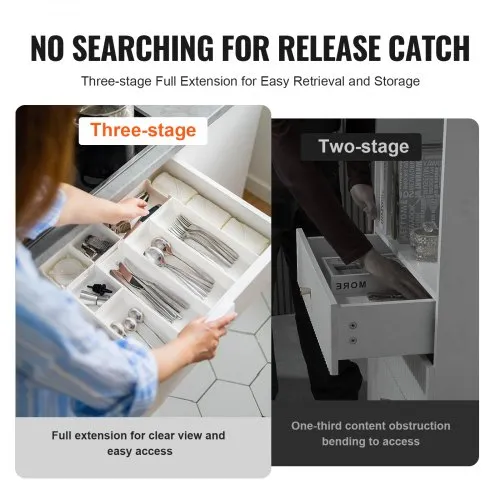
Use full-extension slides. They allow complete drawer access. This feature helps reach items at the back easily. It also balances the drawer to prevent tipping.
Ensuring Smooth Operation
Align the drawer slides carefully during installation. Misalignment causes sticking or jamming. Use a level to keep slides straight. Lubricate metal slides with silicone spray for smoothness.
Test the drawer multiple times. Open and close it fully. Make small adjustments to improve movement. Smooth operation enhances daily kitchen use.
Safety Considerations
Deep drawers can tip if overloaded. Install drawer stops or soft-close mechanisms. They prevent the drawer from falling out. Use strong screws and anchors to secure slides.
Keep heavy items near the back and bottom. This lowers the center of gravity. Secure the cabinet to the wall for extra safety. These steps reduce accidents in busy kitchens.
Maintenance And Longevity
Maintaining your kitchen drawer properly can significantly extend its lifespan. Taking care of small details every day prevents bigger problems later. You might be surprised how simple actions make your kitchen drawers feel like new for years.
Cleaning Tips
Regular cleaning keeps your kitchen drawer smooth and functional. Wipe the inside and outside with a damp cloth every week to remove crumbs and spills. Avoid harsh chemicals that can damage the drawer's finish; mild soap and water work best.
Have you noticed sticky residues building up? Use a gentle brush to clean corners and tracks where dirt hides. Dry thoroughly to prevent moisture from warping wood or causing rust on metal parts.
Avoiding Overloading
Overloading your drawer is a common mistake that shortens its life. Heavy weight strains the sliding mechanism and can cause the drawer to sag or break. Think about the items you store—are they too bulky or heavy for the drawer’s depth and construction?
Distribute weight evenly and avoid cramming too many items inside. If you need extra storage, consider adding shelves or separate organizers instead of forcing everything into one drawer.
Repair And Replacement
Small repairs can save you from costly replacements. If you hear squeaking or notice the drawer sticking, check the tracks and rollers first. Lubricate metal parts with a silicone spray to restore smooth movement.
Loose handles or knobs can be tightened with a screwdriver—no need to replace the entire drawer for such a minor issue. However, if the drawer is cracked or warped beyond repair, replacing it might be the best option to maintain your kitchen’s look and function.
Credit: www.vevor.ca
Frequently Asked Questions
How Deep Is A Standard Kitchen Drawer?
A standard kitchen drawer is typically 18 to 22 inches deep. This depth suits most kitchen tools and utensils. It allows easy access while maximizing storage space. Custom drawers may vary in depth based on cabinet design and kitchen layout.
What Affects The Depth Of Kitchen Drawers?
Drawer depth depends on cabinet size, kitchen design, and purpose. Deeper drawers store larger items like pots, while shallow ones hold utensils. Homeowners often customize depth to fit storage needs and kitchen space efficiently.
Can Kitchen Drawer Depth Impact Storage Capacity?
Yes, deeper drawers increase storage capacity by holding larger or more items. However, overly deep drawers can reduce accessibility. Balancing depth and usability is key for efficient kitchen storage.
Are Kitchen Drawers Deeper Than Bathroom Drawers?
Kitchen drawers are generally deeper, averaging 18-22 inches. Bathroom drawers tend to be shallower, around 12-16 inches, to fit smaller items. Depth varies based on room function and typical contents stored.
Conclusion
Kitchen drawer depth varies but often ranges from 18 to 24 inches. This size fits most kitchen tools and utensils comfortably. Knowing drawer depth helps you organize better and save space. Choose drawers that match your needs and kitchen layout.
Measure carefully before buying or remodeling to avoid surprises. Small changes can make your kitchen more practical. Keep it simple and functional for daily use. A well-sized drawer makes cooking easier and tidier. Think about what you store most often.
Your kitchen will feel more organized and neat with the right drawer depth.