
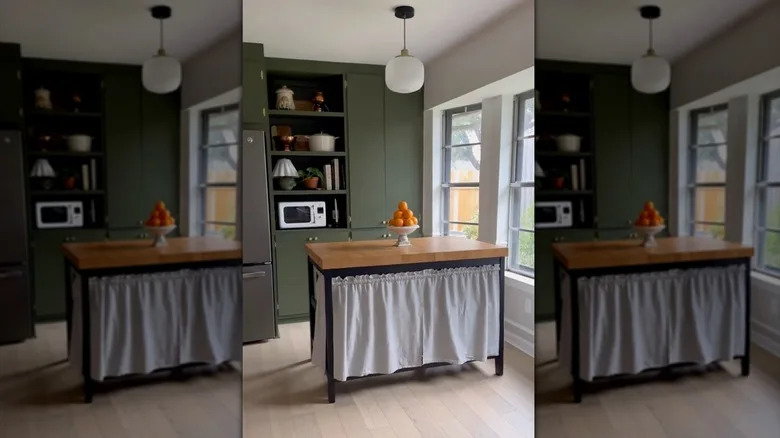
Are you struggling to find the perfect way to cover your open kitchen? Whether you want more privacy, reduce cooking smells, or simply create a cozier space, knowing how to cover an open kitchen can transform your home.
You’ll discover simple and effective ideas that fit your style and budget. Keep reading, because the solution to your kitchen dilemma is easier than you think—and it can make a big difference in your daily life.

Credit: opendoorsopenhearts.com
Benefits Of Covering Open Kitchens
Covering an open kitchen offers many practical benefits. It creates a more private space while keeping the kitchen functional. It also helps reduce noise from cooking and appliances. Plus, it improves the overall look of the home. These advantages make covering an open kitchen a smart choice for many homeowners.
Enhancing Privacy
Covering an open kitchen provides a clear boundary between cooking and living areas. It keeps kitchen activities out of direct view from guests. This helps maintain a tidier and more organized appearance. Family members can enjoy meals without distractions from kitchen tasks. Privacy also allows for a more relaxed atmosphere in the home.
Reducing Noise
Kitchen noises often travel easily in open spaces. Covering the kitchen helps block sounds like chopping, sizzling, and appliance hums. It creates a quieter environment for dining and conversations. Noise reduction is especially helpful in small homes or apartments. It makes the entire living space more comfortable and peaceful.
Improving Aesthetics
A covered kitchen can blend better with the rest of the home decor. It allows for neat storage and hides clutter from view. You can use stylish doors, curtains, or partitions to enhance the room’s look. This creates a clean, cohesive design that feels warm and inviting. A well-covered kitchen boosts the home’s overall appeal and value.

Credit: opendoorsopenhearts.com
Creative Room Dividers
Creative room dividers offer a stylish way to separate your open kitchen from the rest of your living space without sacrificing light or flow. These dividers can add personality and function, helping you define zones while maintaining an open feel. Have you thought about how a simple divider could transform your kitchen's atmosphere?
Sliding Panels
Sliding panels slide smoothly to open or close, giving you control over how much of your kitchen is visible. They come in materials like wood, glass, or fabric, allowing you to match your decor easily.
Imagine sliding panels with frosted glass—they provide privacy but still let light pass through, keeping your space bright. Plus, they save space since they don’t swing open like traditional doors.
Folding Screens
Folding screens are portable and versatile. You can move them around or fold them away when you want a more open look.
Choose screens with bold patterns or textures to add an artistic touch. They’re perfect if you want a temporary or flexible solution that can change with your mood or season.
Curtain Solutions
Curtains bring softness and warmth to your kitchen divider. You can pick from sheer fabrics for a light, airy feel or heavier drapes for more privacy.
Installing a ceiling-mounted curtain track allows you to easily pull curtains open or closed. Have you considered how a simple curtain could make your kitchen feel cozier yet still connected to your living area?
Furniture As Barriers
Using furniture as barriers is a smart way to separate an open kitchen from other areas. It creates clear zones without building walls. This approach keeps the space open and airy while adding function and style.
Choosing the right pieces can define your kitchen area and enhance your home's look. Furniture barriers also offer extra storage and seating options. They help organize the space and reduce clutter.
Bookshelves And Cabinets
Bookshelves and cabinets work well as room dividers. They create a visual break between the kitchen and living areas. Open shelves keep the space light and allow easy access to items.
Closed cabinets hide kitchen tools and supplies. Both options add storage for books, decor, or kitchenware. They also help keep the kitchen neat and tidy.
Kitchen Islands With Seating
Kitchen islands with seating act as natural barriers. They separate cooking and dining spaces without blocking sightlines. Islands provide extra counter space and a casual eating spot.
Seating around the island encourages social interaction. It makes the kitchen a welcoming place for family and guests. Islands can include cabinets or shelves for added storage.
Tall Plants And Green Walls
Tall plants and green walls bring nature indoors. They form soft, flexible barriers between the kitchen and other rooms. Plants improve air quality and add a fresh look.
Green walls create a vertical garden that divides spaces uniquely. These natural barriers add color and texture. They make the kitchen feel calm and inviting.

Credit: www.countryliving.com
Glass And Transparent Options
Glass panels create a clear barrier that keeps the kitchen open yet separate. Transparent options let light flow while hiding messes effectively. These solutions blend style with function for modern spaces.
Glass and Transparent Options Open kitchens invite light and a sense of spaciousness. But sometimes, you might want a little separation without losing that airy feel. That's where glass and transparent options come in handy. They provide a stylish way to delineate spaces while maintaining a visual connection.
Frosted Glass Panels
Frosted glass panels offer privacy without completely blocking light. They add a soft, diffused glow to your kitchen area. Consider using them as sliding doors or stationary panels to create subtle boundaries. You can customize the level of opacity based on your needs. From nearly opaque to just slightly frosted, the choice is yours. This option can transform the open kitchen into a cozy nook without feeling boxed in.
Glass Doors With Frames
Glass doors with frames provide structure while keeping the open feel. The frames add a touch of elegance and can match your kitchen's aesthetic. Think about using metal or wooden frames for contrast. This can complement your existing decor and add character. Do you have a favorite color or finish? The frames can be painted or polished to fit your style perfectly.
Glass Partitions With Patterns
Glass partitions with patterns are a creative way to add personality. Patterns can range from geometric designs to more intricate artwork. These partitions can act as a conversation starter when you entertain guests. Imagine a beautiful pattern catching the light and casting playful shadows around your kitchen. Patterns not only divide space but also add an artistic element to your home.
Decorative Wall Treatments
Decorative wall treatments can transform an open kitchen’s look. They add personality and style while covering plain walls. These treatments create a visual break and enhance the kitchen space without heavy construction. Use colors, textures, and art to make the kitchen inviting and unique.
Accent Walls
An accent wall uses bold paint or wallpaper to stand out. Choose a color that contrasts with the rest of the kitchen. This draws the eye and hides imperfections. Patterns or geometric designs add interest without cluttering the space. Accent walls create a focal point that defines the kitchen area.
Textured Panels
Textured panels add depth and character to open kitchen walls. Materials like wood, stone, or 3D tiles work well. They bring warmth and a tactile feel to the room. Panels can cover large areas or highlight smaller sections. These surfaces hide marks and make cleaning easier.
Artwork And Shelving
Artwork personalizes the kitchen with color and story. Choose pieces that fit the kitchen theme and size. Shelving offers display space and storage. Use open shelves for plants, cookbooks, or decorative items. This keeps the kitchen organized and visually appealing.
Lighting Techniques
Lighting plays a key role in covering an open kitchen effectively. It defines spaces, creates mood, and improves functionality. Well-planned lighting separates the kitchen from other areas while keeping it bright and inviting. Understanding different lighting techniques helps in designing a balanced and practical setup.
Task Lighting Zones
Task lighting focuses on specific kitchen areas where work happens. These zones include the countertop, sink, and stove. Bright, direct light helps with cooking and cleaning tasks. Use under-cabinet lights or pendant lamps to illuminate these spots. Proper task lighting reduces shadows and eye strain during food preparation.
Ambient Light Separation
Ambient lighting sets the overall mood in the open kitchen and nearby spaces. Soft, diffused light creates warmth and comfort. Use ceiling fixtures, recessed lights, or wall sconces for even illumination. Separate ambient light zones to distinguish the kitchen from the dining or living area. This separation improves flow and visual balance in open layouts.
Highlighting Dividers
Highlight dividers with focused lighting to mark boundaries in open kitchens. Use spotlights or LED strips along half walls, glass panels, or shelving units. This technique draws attention to the divider without blocking light. It adds depth and style while keeping spaces connected visually. Highlighting dividers enhances both function and design in open kitchens.
Smart Technology Solutions
Smart technology offers creative and practical ways to cover your open kitchen without sacrificing style or convenience. These solutions give you control over light, privacy, and airflow at the touch of a button or voice command. Imagine adjusting your kitchen’s ambiance while cooking or entertaining guests, all without leaving your spot.
Motorized Blinds And Shades
Motorized blinds and shades let you control window coverings effortlessly. You can schedule them to open or close based on the time of day or sunlight levels. This not only enhances privacy but also helps manage heat and glare.
Many systems connect to your smartphone or smart home assistant, making adjustments easy even when you're busy. Have you noticed how natural light can brighten your kitchen mood? Now, you can customize it anytime without manual hassle.
Retractable Screens
Retractable screens offer flexible coverage that disappears when you don’t need it. They provide a barrier against insects and dust while maintaining airflow. With a simple remote or wall switch, you can raise or lower the screen smoothly.
This option works well if you want to keep your kitchen open most of the time but need quick coverage during certain hours. Think about hosting summer dinners without worrying about bugs invading your space—how convenient would that be?
Smart Glass Panels
Smart glass panels change from clear to opaque with a flick of a switch. This technology gives you instant privacy without bulky curtains or blinds. When clear, the glass lets in natural light and keeps your kitchen visually open.
Smart glass is energy-efficient too, as it reduces heat gain by adjusting its tint automatically. Would you consider this sleek, futuristic option for a seamless kitchen cover that blends with modern design?
Choosing The Right Materials
Choosing the right materials for covering an open kitchen is essential. The material affects the look, feel, and function of the space. It must be durable, easy to clean, and match your style. Think about how much privacy and light control you want. Some materials bring warmth, while others offer a modern touch. Here are some common materials to consider.
Wood And Bamboo Options
Wood and bamboo add natural warmth to an open kitchen. They create a cozy and inviting space. Both materials are strong and can last long with care. Bamboo grows fast and is eco-friendly. Wood comes in many styles and finishes. Use slats or panels for partial coverage. These materials also help reduce noise. Clean wood and bamboo with a damp cloth to keep them fresh.
Metal And Wire Mesh
Metal and wire mesh give an industrial and modern look. They are sturdy and very durable. Metal can be shaped into grids or decorative panels. Wire mesh lets air and light pass through freely. These materials are easy to maintain and clean. Use powder-coated metal to prevent rust. Metal works well for kitchens with bold design themes. It adds texture and a sleek finish.
Fabric And Textiles
Fabric and textiles offer softness and color variety. Curtains or panels can brighten the kitchen space. Choose fabrics that resist stains and moisture. Lightweight fabrics allow light while adding privacy. Heavier curtains block more sound and view. Fabrics are easy to change when updating style. Washable textiles keep your kitchen fresh and clean. Use curtain rods or tracks for smooth movement.
Design Tips For Small Spaces
Use curtains or sliding panels to hide the open kitchen quickly. Plants or shelves also create a natural barrier without closing the space. Light colors help keep the area bright and open even with covers.
Designing an open kitchen in a small space can feel like solving a puzzle. You want it to be functional without sacrificing style. Balancing these elements requires creative solutions that maximize every inch. Here are some design tips to help you create an efficient, beautiful open kitchen in a limited area.
Multi-functional Dividers
Utilizing multi-functional dividers can transform your space. Consider a kitchen island with built-in shelving or a breakfast bar that doubles as a workspace. These dividers not only separate the kitchen from the living area but also provide additional storage and functionality. Think about using a sliding glass panel or a foldable screen. These options can open or close the space as needed, offering flexibility in how you use your kitchen. They also allow light to flow, maintaining an open feel.
Compact Furniture Choices
Choosing the right furniture can make all the difference. Opt for stools that tuck neatly under the counter or chairs that stack when not in use. This frees up valuable floor space and keeps the area looking tidy. Consider collapsible or extendable tables that you can adjust based on your needs. Look for pieces with hidden storage to keep your kitchen essentials out of sight but within reach.
Light And Color Use
Light and color can dramatically change the perception of space. Use light colors on walls and cabinetry to make the kitchen feel larger and more open. Reflective surfaces, such as glass tiles or glossy countertops, can enhance this effect by bouncing light around the room. Install under-cabinet lighting to illuminate workspaces without crowding the room with overhead fixtures. Ask yourself how natural light enters your space and position mirrors strategically to amplify it. Selecting the right lighting can create a warm, inviting atmosphere that belies the kitchen's small size.
Frequently Asked Questions
What Are The Best Materials To Cover An Open Kitchen?
Popular materials include glass panels, sliding doors, and decorative curtains. They add style and functionality, helping separate the kitchen while maintaining openness and light flow.
How Can I Improve Privacy In An Open Kitchen?
Use room dividers, frosted glass, or tall plants. These options create privacy without fully blocking light or space, enhancing comfort in open kitchen layouts.
What Budget-friendly Ways Cover An Open Kitchen?
Consider curtains, bamboo blinds, or portable screens. These affordable solutions are easy to install and allow flexible use of open kitchen spaces without major renovations.
How Do I Maintain Airflow When Covering An Open Kitchen?
Choose materials like mesh curtains or partial glass panels. They allow air circulation while defining kitchen space, keeping ventilation effective in open-plan designs.
Conclusion
Covering an open kitchen can change your home’s look and feel. Simple solutions like curtains, sliding doors, or screens work well. Choose what fits your style and space best. Remember, the goal is to create privacy without losing light. Keep it practical and easy to maintain.
Small changes can make a big difference. Try ideas step by step to find what suits you. Your kitchen will feel cozy and organized. Enjoy your new space every day.