
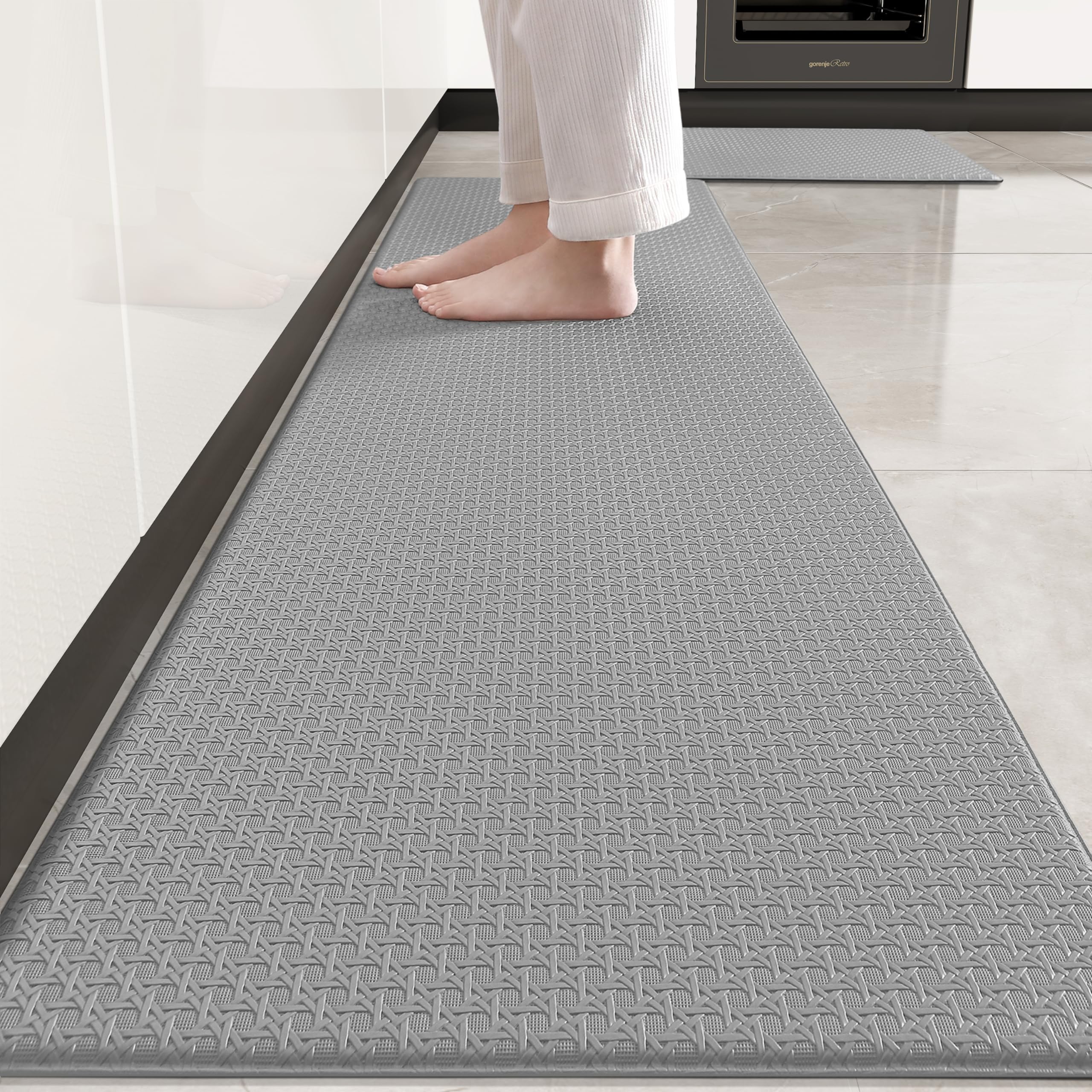
Are your foam kitchen floor mats looking dirty or smelling unpleasant? Keeping them clean is easier than you think, and it can make a big difference in your kitchen’s comfort and hygiene.
You spend a lot of time standing on these mats, so it’s important they stay fresh and safe. You’ll discover simple, effective ways to clean your foam kitchen floor mats without damaging them. Follow these easy steps, and you’ll enjoy a cleaner, more inviting kitchen space in no time.
Keep reading—you won’t want to miss these helpful tips!

Credit: www.amazon.ca
Choosing The Right Cleaning Tools
Choosing the right cleaning tools is important for maintaining foam kitchen floor mats. These mats are soft and can get damaged easily. Using gentle tools helps keep the mats clean without wearing them out. It also makes the cleaning process easier and more effective.
Soft Brushes And Cloths
Use soft brushes or microfiber cloths to clean foam mats. Hard brushes can scratch or tear the surface. Soft tools remove dirt gently without causing damage. They also reach into small grooves and textures on the mat.
Mild Cleaning Solutions
Choose mild cleaning solutions like dish soap or vinegar diluted with water. Harsh detergents can break down the foam material. Mild cleaners clean well and protect the mat’s softness. Always test any solution on a small area first.
Avoiding Harsh Chemicals
Steer clear of bleach, ammonia, or strong solvents. These chemicals weaken foam and cause discoloration. They may also leave harmful residues. Stick to natural or gentle cleaning agents for safe, effective cleaning.

Credit: www.amazon.ca
Preparing The Mats For Cleaning
Preparing foam kitchen floor mats for cleaning sets the stage for a thorough and safe wash. Proper preparation helps remove surface dirt and protects the mat from damage during the cleaning process. Taking these simple steps ensures the mats stay in good condition and last longer.
Start by removing any loose debris and checking cleaning products on a small area. This careful preparation reduces risks and improves cleaning results.
Shaking Off Loose Dirt
Take the mats outside or over a trash bin. Hold the mat firmly and shake it to remove crumbs and dust. This quick action clears loose particles that could spread during washing.
For stubborn dirt, lightly tap the mat’s edges against a hard surface. Avoid bending or folding the foam too much to prevent damage.
Spot Testing Cleaners
Choose a small, hidden area on the mat for testing. Apply a small amount of cleaner or soap solution. Wait a few minutes to see if any discoloration or damage occurs.
Spot testing helps you pick the safest cleaner for your mat. Use only mild soaps or products labeled safe for foam materials.
Hand Washing Method
Cleaning foam kitchen floor mats by hand is a simple and effective way to keep them fresh without risking damage from harsh machines or chemicals. This method lets you control the cleaning process and ensures your mats last longer. Ready to see how easy it is to revive your mats with just a few household items?
Mixing Cleaning Solution
Start by filling a basin or bathtub with warm water. Add a small amount of mild dish soap or gentle detergent—about a tablespoon for every gallon of water works well.
Mix the solution until it’s sudsy but not overly foamy. This balance helps lift dirt without leaving residue on your mats.
Scrubbing Gently
Place the foam mat into the solution and let it soak for 5-10 minutes. This loosens dirt and grime trapped in the texture.
Use a soft brush or sponge to scrub the mat gently. Focus on stained or heavily soiled areas, but avoid aggressive scrubbing that can damage the foam’s surface.
Rinsing Thoroughly
Rinse the mat under clean, cool water to remove all soap and dirt. It’s essential to wash away every bit of detergent to prevent slippery residue on your kitchen floor.
Shake off excess water and lay the mat flat or hang it up to air dry completely before placing it back in your kitchen.

Credit: www.amazon.ca
Machine Washing Tips
Foam kitchen floor mats stay clean by washing them gently in cold water. Use mild detergent and avoid harsh scrubbing to keep the foam soft. Air dry flat to prevent damage and maintain shape.
Cleaning foam kitchen floor mats can be a breeze if you opt for machine washing. However, it's crucial to follow some essential tips to ensure your mats come out fresh and undamaged. Let's dive into the details that make machine washing a smart choice for your foam mats.
Checking Manufacturer Guidelines
Before tossing your foam mats into the washing machine, take a moment to review the manufacturer's guidelines. These instructions are your best friend when it comes to preserving the longevity of your mats. Look for any specific washing instructions or warnings against machine washing, as some mats may require hand washing or spot cleaning.
Using Gentle Cycles
When you're ready to wash, select a gentle cycle on your washing machine. This setting reduces agitation and prevents the foam from tearing or losing its shape. Use cold water to avoid any shrinkage or damage to the material. Consider using a mild detergent, as harsh chemicals can degrade the foam over time. Do you have a favorite gentle detergent that works wonders on delicate fabrics? It might be perfect for your mats too.
Drying Safely
Once the washing cycle is complete, it's time to dry your mats safely. Avoid the dryer, as high heat can warp or melt the foam. Instead, opt for air drying by laying the mats flat in a well-ventilated area. Have you ever hung clothes outside and noticed how fresh they smell? Similarly, allowing your mats to dry naturally can keep them smelling fresh and extend their lifespan. Keep them away from direct sunlight to prevent any discoloration. By following these machine washing tips, you can maintain the cleanliness and durability of your foam kitchen mats effortlessly. Are there any other cleaning hacks you swear by? Share your thoughts and keep the conversation going!
Removing Tough Stains
Tough stains on foam kitchen floor mats need special care. These mats absorb spills quickly. Stains can set deep inside the foam. Quick and proper cleaning keeps mats fresh and safe. Use simple household items to remove stubborn marks without damage.
Using Baking Soda Paste
Baking soda is gentle and effective on stains. Mix baking soda with water to form a thick paste. Apply the paste directly on the stain. Let it sit for 10 to 15 minutes. Gently scrub with a soft brush or cloth. Wipe away the paste with a damp cloth. Repeat if the stain remains.
Applying Vinegar Solutions
Vinegar helps break down tough stains naturally. Combine equal parts white vinegar and water in a spray bottle. Spray the solution on the stained area. Let it sit for 5 to 10 minutes. Dab the stain with a clean cloth. Avoid soaking the foam to prevent damage. Air dry the mat completely.
Spot Cleaning Techniques
- Blot spills immediately with a clean cloth.
- Use mild dish soap mixed with warm water for spot cleaning.
- Apply the soap solution to the stain with a sponge.
- Gently rub the area in circular motions.
- Rinse with a damp cloth to remove soap residue.
- Allow the mat to air dry fully before use.
Drying And Maintaining Foam Mats
Proper drying and maintenance are key to keeping your foam kitchen floor mats in great shape. These mats absorb moisture during cleaning, so how you dry them affects their lifespan and comfort. Taking a few thoughtful steps after washing can prevent damage and keep your mats fresh for longer.
Air Drying Best Practices
Let your foam mats dry naturally by laying them flat on a clean, dry surface. Avoid folding or stacking them while wet to stop mold and mildew growth. Placing a towel underneath can help absorb excess water and speed up drying.
Try flipping the mat occasionally to ensure both sides dry evenly. If you have limited space, hanging the mat over a drying rack or shower rod works well too. Have you noticed how mats left damp for too long start smelling musty? Proper air drying helps you avoid that problem.
Avoiding Direct Sunlight
While sunlight speeds drying, exposing foam mats to direct sun can cause fading and material breakdown. Instead, choose a shaded area with good airflow. This protects the colors and keeps the foam from becoming brittle over time.
Think of your mat as a delicate fabric rather than a tough outdoor rug. Even short bursts of strong sunlight can weaken the foam’s structure. You want your mat to stay soft and supportive, not cracked and worn.
Regular Maintenance Tips
- Wipe spills immediately to prevent stains and odors.
- Vacuum mats weekly to remove crumbs and dust that wear down foam.
- Rotate mats periodically to balance wear and tear.
- Use gentle cleaners to avoid damaging the foam surface.
Have you checked your mat’s underside lately? Dirt buildup there can reduce grip and cause slips. Keeping both sides clean ensures safety and comfort. Small, consistent care habits protect your investment and keep your kitchen inviting.
Frequently Asked Questions
How Often Should I Clean Foam Kitchen Floor Mats?
Clean foam kitchen floor mats every 1-2 weeks. Regular cleaning prevents dirt buildup and maintains hygiene. Wipe spills immediately to avoid stains and odors. Frequent cleaning also extends the mat’s lifespan and keeps your kitchen safe and fresh.
What Is The Best Method To Clean Foam Mats?
Use mild soap and warm water with a soft cloth or sponge. Avoid harsh chemicals or abrasive tools to prevent damage. Rinse thoroughly and air dry completely before placing the mat back in the kitchen.
Can Foam Kitchen Mats Be Machine Washed?
Most foam mats are not suitable for machine washing. Machine washing can damage the foam structure and reduce durability. Always check the manufacturer's instructions for cleaning recommendations specific to your mat.
How Do I Remove Stubborn Stains From Foam Mats?
Use a mixture of baking soda and water to gently scrub stains. Let it sit for 10 minutes before wiping clean with a damp cloth. Avoid using bleach or strong chemicals as they may degrade the foam.
Conclusion
Cleaning foam kitchen floor mats keeps your kitchen fresh and safe. Regular washing stops dirt and germs from building up. Use gentle soap and warm water for best results. Avoid harsh chemicals that can damage the foam. Dry mats completely before placing them back on the floor.
A clean mat lasts longer and feels nice under your feet. Simple care saves money and effort in the long run. Keep your kitchen space healthy and comfortable every day.