
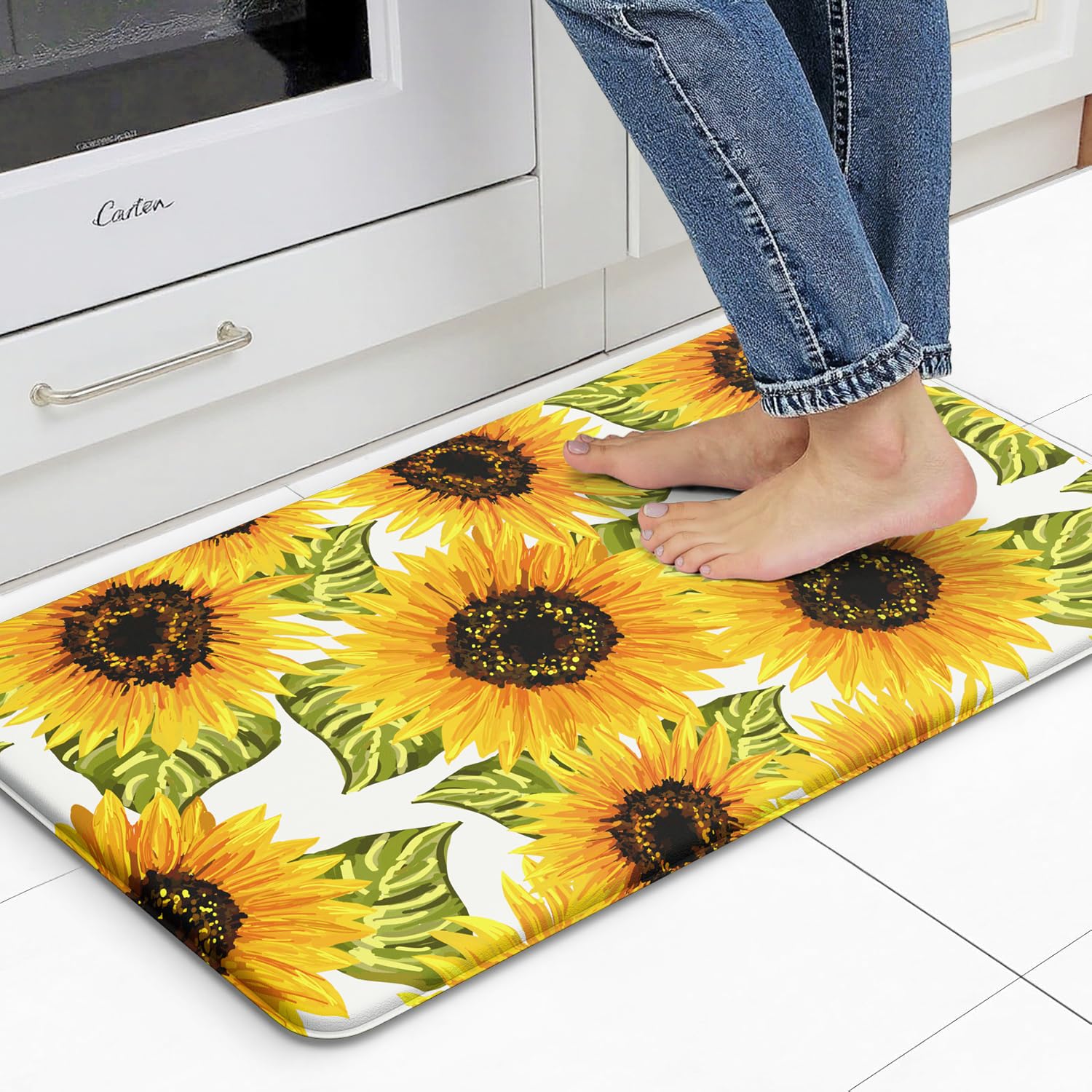
Are you wondering if your memory foam kitchen mat can be washed without ruining it? You’re not alone.
These mats make standing in the kitchen much more comfortable, but keeping them clean can feel tricky. You want to protect your investment and keep your kitchen fresh, but how do you do that without damaging the foam? You’ll discover simple, effective ways to clean your memory foam kitchen mat safely.
By the end, you’ll know exactly how to keep your mat looking and feeling great for years to come. Keep reading—you’ll be glad you did!

Credit: www.amazon.com
Memory Foam Mats Basics
Memory foam kitchen mats have become popular for their comfort and support during long hours spent cooking or cleaning. Understanding their basic qualities helps you care for them properly and decide if they fit your kitchen needs. Let's look closer at what makes these mats unique and how they are commonly used.
Material Features
Memory foam mats are made from a special type of polyurethane foam that molds to your feet. This material absorbs pressure, reducing strain on your legs and back. The foam is usually topped with a soft fabric layer, which adds to the comfort.
These mats are lightweight yet durable, designed to handle regular kitchen use. They often have a non-slip backing to keep them in place, preventing accidents on smooth floors. You might notice they bounce back to their original shape quickly after you stand up.
Common Uses In Kitchens
You will often find memory foam mats placed in areas where you stand for a long time, like in front of the sink or stove. They help reduce fatigue during meal preparation or dishwashing. Some people even place them near the refrigerator or kitchen island to add comfort.
Besides comfort, these mats also protect your floor from spills and dropped utensils. Since kitchens can get slippery, the mats provide extra safety with their grip. Have you ever experienced less tiredness after switching to a cushioned kitchen mat?
Cleaning Challenges
Cleaning memory foam kitchen mats can be tricky. These mats absorb water easily, which makes washing a challenge. Improper cleaning can lead to damage and shorten the mat’s life. Understanding these challenges helps keep mats fresh and usable.
Water Absorption Issues
Memory foam soaks up water quickly. This causes the mat to stay wet for a long time. Damp mats can develop mold and bad smells. Washing with too much water makes drying difficult. It’s important to avoid soaking the mat completely. Light cleaning works better to keep the foam dry.
Potential Damage Risks
Memory foam is delicate. Harsh scrubbing or strong chemicals can tear or deform it. Machine washing may break down the foam’s structure. Heat from dryers can shrink or harden the foam. Using gentle cleaning methods helps maintain the mat’s softness. Careful handling extends the mat’s lifespan and comfort.
Washing Methods
Cleaning your memory foam kitchen mats properly keeps them fresh and extends their life. Different washing methods suit different mats, depending on their thickness and cover material. Let’s look at effective ways to wash these mats so you can keep your kitchen comfortable and clean.
Hand Washing Techniques
Hand washing is gentle and ideal for memory foam mats with delicate covers. Use lukewarm water mixed with a mild detergent or gentle soap. Avoid harsh chemicals that can break down the foam.
Soak the mat briefly, then gently scrub with a soft cloth or sponge. Focus on stained or dirty spots without wringing or twisting the foam, as this can damage its shape. Rinse thoroughly with clean water to remove all soap residue.
Air dry the mat flat on a clean surface, flipping it occasionally to speed up drying. Have you noticed how drying in direct sunlight can sometimes make the foam stiff? Keep it in a shaded, well-ventilated area instead for the best results.
Machine Washing Guidelines
Some memory foam mats come with removable covers that you can machine wash. Check the care label before tossing the cover into the washer. Use a gentle cycle with cold water to protect the fabric and prevent shrinkage.
- Use mild detergent without bleach.
- Avoid fabric softeners, as they can affect absorbency.
- Wash covers separately from heavy items to avoid damage.
Never machine wash the foam insert itself, as water can get trapped inside and ruin it. If your mat doesn’t have a removable cover, stick to hand washing or spot cleaning to protect the foam's integrity.
Dry Cleaning Options
Dry cleaning is rarely necessary but can be an option for memory foam mats with delicate or non-washable fabrics. If your mat has intricate embroidery or special finishes, professional cleaning may preserve its look better.
Before choosing dry cleaning, ask the cleaner about their experience with foam products. Some solvents used in dry cleaning can degrade foam or cause unpleasant odors. Would you risk your mat’s comfort for convenience, or prefer careful home washing?
Dry cleaning may cost more and require more effort to find a trustworthy service. For most kitchen mats, simple hand washing or machine washing covers is enough to keep them clean and fresh.

Credit: www.amazon.com
Drying Tips
Memory foam kitchen mats can be washed, but avoid soaking them in water. Air dry them flat to keep their shape and softness intact. Avoid direct sunlight or heat sources to prevent damage.
Drying memory foam kitchen mats correctly is crucial. Proper drying prevents mold and damage. After washing, follow the right drying methods for best results.
Air Drying Best Practices
Air drying is the safest method. Lay the mat flat in a shaded area. Ensure it receives good air circulation. Turn the mat over periodically. This helps both sides dry evenly. Avoid direct sunlight. It can fade colors and weaken the foam.
Avoiding Heat Damage
Avoid using a dryer. The heat can damage the foam. Do not place the mat near heaters. High temperatures can cause the foam to shrink. If needed, use a fan to speed up drying. Always handle the mat gently to maintain its shape.
Maintenance Tips
Keeping your memory foam kitchen mats clean and fresh can extend their life and maintain their comfort. Maintenance isn’t complicated, but it requires some attention to detail. Let’s look at simple ways you can care for your mats every day and prevent common issues like stains and odors.
Regular Spot Cleaning
Spills happen, but you don’t need to wash the entire mat every time. Grab a damp cloth with mild detergent and gently blot the affected area. Avoid rubbing hard because it can damage the foam texture.
If something sticky or greasy lands on your mat, clean it immediately. Waiting too long makes stains harder to remove. You can also use a soft brush to loosen dirt before wiping.
Preventing Stains And Odors
Have you noticed how some mats start to smell after a while? Moisture and food particles trapped in the foam cause odors. To prevent this, make sure your mat dries completely after cleaning or spills.
Try using a fabric protector spray designed for foam or upholstery. It creates a barrier that repels liquids and stains. Also, consider placing your mat in a well-ventilated area to reduce dampness buildup.
Simple habits like wiping your shoes before stepping on the mat or avoiding eating directly over it can make a big difference. What small change can you add today to keep your kitchen mat looking and smelling great?

Credit: www.amazon.com
When To Replace Mats
Knowing when to replace your memory foam kitchen mats is just as important as keeping them clean. Over time, these mats can lose their comfort and functionality, which affects your kitchen experience. Paying attention to certain signs can help you decide the right moment to refresh your space with a new mat.
Signs Of Wear And Tear
Check your mat regularly for visible damage like cracks, tears, or thinning areas. If the foam feels less supportive or starts to flatten, it’s a clear sign it’s time for a replacement.
Also, look for stains or discoloration that don’t come out with washing. These can indicate the material is breaking down or harboring dirt that affects its look and feel.
Health Considerations
Your kitchen mat can trap moisture and bacteria over time, especially if it’s exposed to spills or humidity. If you notice a persistent odor or skin irritation after using the mat, consider replacing it to protect your health.
Remember, a worn-out mat can become a breeding ground for mold and allergens. Is the comfort of your kitchen worth risking your well-being?
Frequently Asked Questions
Can Memory Foam Kitchen Mats Be Machine Washed?
Most memory foam kitchen mats should not be machine washed. Machine washing can damage their foam structure and backing. Instead, spot clean with mild soap and water or gently hand wash. Always check the manufacturer’s care instructions before cleaning to avoid damaging your mat.
How Do I Clean Memory Foam Kitchen Mats Safely?
Use a damp cloth with mild detergent to clean memory foam mats. Avoid soaking or scrubbing harshly to protect the foam and surface. Rinse with a clean, damp cloth and air dry completely before use. This method keeps the mat clean without damage.
Can Memory Foam Mats Handle Water During Cleaning?
Memory foam mats absorb water easily, so avoid soaking them. Excess water can cause mold or foam breakdown. Light cleaning with a damp cloth or spot cleaning is best. Always air dry mats thoroughly to maintain their quality and lifespan.
How Often Should Memory Foam Kitchen Mats Be Cleaned?
Clean memory foam kitchen mats every 1-2 weeks or as needed. Regular cleaning prevents stains, odors, and bacteria build-up. Frequent light cleaning is better than deep washing, which can harm the foam. Spot clean spills immediately for best results.
Conclusion
Memory foam kitchen mats can be washed carefully at home. Use gentle soap and cold water for cleaning. Avoid harsh scrubbing to keep the mat soft and durable. Let it air dry fully before use to prevent mold. Regular washing helps keep your kitchen mat fresh and safe.
Taking simple steps can extend the mat’s life and comfort. Clean mats make cooking more pleasant and hygienic. Easy care means your mat stays a helpful kitchen companion.