
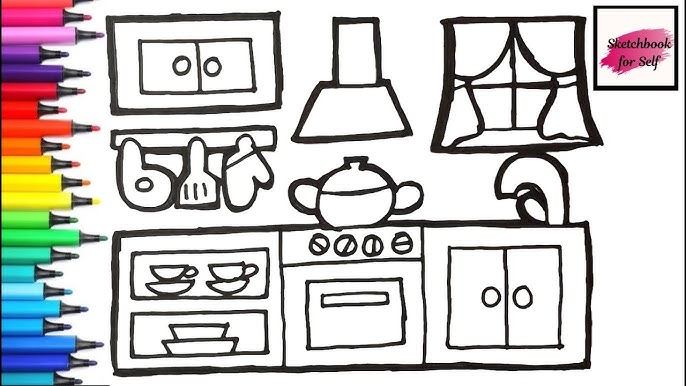
Are you ready to bring your dream kitchen to life on paper? Drawing a modern kitchen might seem tricky, but with the right steps, you can create a design that looks sleek and inviting.
Imagine seeing your ideas clearly before making any changes—that’s the power of a good sketch. In this guide, you’ll learn simple tips and tricks to draw a modern kitchen that matches your style and needs. Keep reading, and you’ll discover how easy and fun it can be to plan your perfect kitchen space.
Key Elements Of Modern Kitchen Design
Modern kitchen design focuses on simplicity, style, and usability. It blends clean lines with smart choices. The key elements create a space that feels open and inviting. Every part works together for a smooth cooking and dining experience.
Minimalist Layouts
Modern kitchens use open and simple layouts. Cabinets and appliances align neatly. Clutter hides away in storage spaces. This layout creates a calm and tidy look. It also makes movement easier while cooking.
Sleek Materials
Materials like stainless steel, glass, and polished wood define modern kitchens. Surfaces shine and reflect light. These materials are easy to clean and last long. They add a touch of elegance without being too flashy.
Functional Lighting
Lighting is both practical and stylish in modern kitchens. Bright lights focus on work areas like counters and sinks. Soft lighting creates a warm mood around dining spots. Layered lighting helps in different kitchen tasks.
Essential Tools For Kitchen Drawing
Drawing a modern kitchen requires more than just creativity; having the right tools is crucial to bring your vision to life accurately and efficiently. Whether you prefer traditional methods or digital design, equipping yourself with essential supplies can make the process smoother and more enjoyable. Let’s dive into the key tools you’ll need to create detailed and precise kitchen drawings.
Sketching Supplies
Start with quality sketching supplies to capture your initial ideas quickly. A set of pencils ranging from hard (H) to soft (B) allows you to create both fine lines and shading.
Don't forget an eraser and a sharpener to keep your work clean and crisp. Using smooth, heavyweight paper can make a big difference when adding details or trying different styles.
Have you tried using colored pencils or markers? They can help you highlight specific areas or materials, making your sketches more vivid and easier to understand.
Digital Design Software
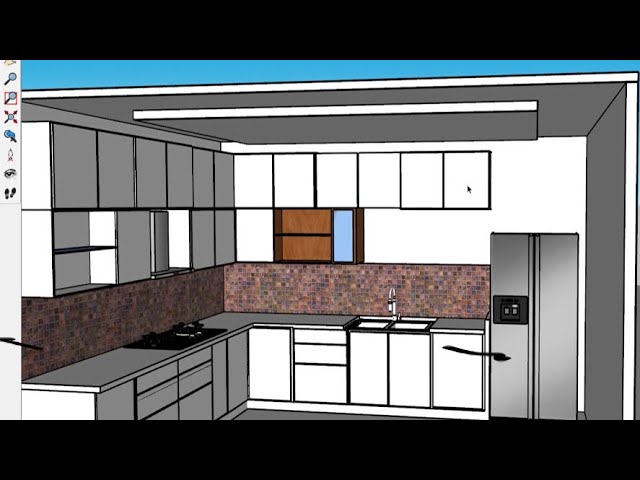
Digital tools offer flexibility and precision that manual sketches can’t always provide. Programs like SketchUp, AutoCAD, or even simpler apps like RoomSketcher help you create 3D models and floor plans.
Many of these tools come with built-in libraries of kitchen elements like cabinets, appliances, and fixtures, saving you time on drawing every piece from scratch. If you want to experiment with layouts or color schemes, digital software lets you make quick adjustments without starting over.
Which software fits your skill level and project needs? Trying out free trials can help you find the right match before committing.
Measuring Instruments
Accurate measurements are the backbone of any successful kitchen drawing. A reliable tape measure is essential for capturing room dimensions and ensuring your design fits the space.
Laser distance meters can speed up this process and improve precision, especially in larger or awkwardly shaped kitchens. Don’t overlook a ruler or scale for transferring real-world measurements onto your drawings accurately.
Have you ever faced issues because of poor measurements? Taking the time to measure twice can save you from costly mistakes later on.
Planning Your Kitchen Space
Planning your kitchen space is key to creating a modern and functional design. It helps you organize everything efficiently. Good planning saves time and money during the drawing and building process. Consider the size and shape of your room first. Think about how you want to move and work inside the kitchen. A clear plan sets the foundation for the whole project.
Assessing Room Dimensions
Start by measuring the length, width, and height of your kitchen. Note the location of doors, windows, and electrical outlets. Draw a simple floor plan to scale. This makes it easier to try different designs. Keep in mind any obstacles like radiators or beams. Accurate measurements help avoid mistakes later.
Choosing A Layout Style
Select a layout that fits your space and lifestyle. Popular options include:
- Single-wall for small kitchens
- L-shaped for open corners
- U-shaped for more countertop space
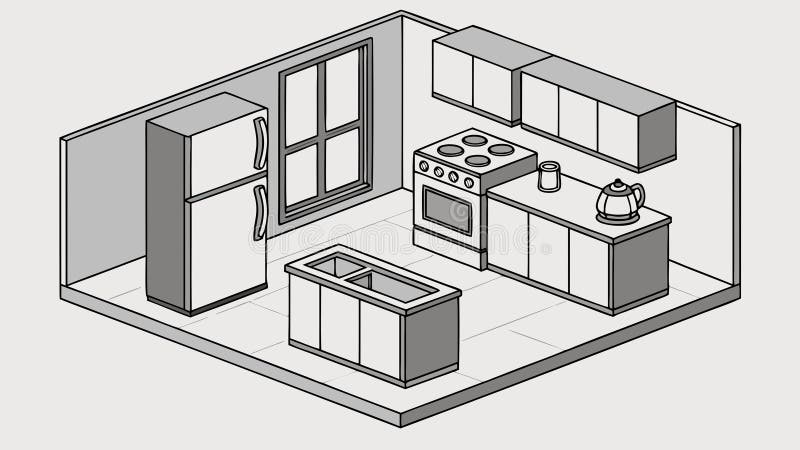
- Island layout for added workspace and seating
Think about how you cook and move between areas. The kitchen triangle concept helps: arrange the sink, stove, and fridge close together.
Incorporating Storage Solutions
Plan smart storage to keep your kitchen tidy. Use cabinets that reach the ceiling for extra space. Include deep drawers for pots and pans. Add pull-out shelves for easy access. Consider open shelving for frequently used items. Good storage reduces clutter and improves workflow.
Credit: www.youtube.com
Step-by-step Drawing Process
Drawing a modern kitchen requires a clear plan and attention to detail. Breaking down the process into manageable parts makes it easier to visualize your design and bring it to life on paper. Let’s walk through the drawing process step-by-step to help you create a functional and stylish kitchen layout.
Creating A Basic Floor Plan
Start by sketching the room’s shape and size. Use a ruler to keep lines straight and measure carefully to ensure your drawing is to scale. Mark the locations of doors, windows, and any architectural features that will affect your kitchen layout.
Think about how you move through the space. Where will the main work zones be? Planning this early saves you from awkward designs later.
Adding Cabinets And Appliances
Next, outline where your cabinets and appliances will go. Draw rectangles or squares to represent cabinets, keeping in mind their standard dimensions. Place the refrigerator, stove, and sink in a way that allows easy access and workflow.
- Keep the “kitchen work triangle” in mind: the path between sink, stove, and fridge should be efficient.
- Don’t crowd appliances; leave enough counter space around them for prep and safety.
Try to visualize how you use the kitchen daily. Would you prefer more storage or extra countertop space? Your drawing should reflect these priorities.
Detailing Surfaces And Fixtures
Once the layout feels right, add details like countertops, backsplashes, and lighting fixtures. Use shading or texture lines to show different materials, such as granite counters or tiled floors. Draw handles, faucets, and light fixtures to give your kitchen personality.
Consider how these details affect both style and function. Will a sleek countertop be easy to clean? Is there enough lighting over your work areas?
By focusing on these details, your drawing becomes a useful guide for building the kitchen you want. What small design choices could make a big difference in your daily cooking experience?
Color And Texture Choices
Choose colors that create a clean and fresh look for your modern kitchen drawing. Combine smooth and rough textures to add depth and interest. Simple shades and subtle patterns often work best for a contemporary style.
Creating a modern kitchen is all about balancing aesthetics with functionality, and one of the most effective ways to achieve this is through strategic color and texture choices. These elements can make or break the overall vibe of your space. A well-chosen palette and variety of textures can bring your kitchen to life, making it a place where you love to cook, entertain, and spend time.
Selecting Color Schemes
Choosing the right color scheme can set the tone for your entire kitchen. Modern designs often favor neutral tones like whites, grays, and blacks, but don't shy away from adding a pop of color. Imagine a sleek white kitchen with a bold red backsplash or vibrant blue cabinets—suddenly, your kitchen is not just modern, but memorable. Consider the natural light in your space. If your kitchen gets plenty of sunlight, you can opt for darker colors without worrying about the space feeling too small or dark. On the other hand, if your kitchen is on the dimmer side, lighter colors can help make it feel more open and inviting.
Mixing Materials For Contrast
Combining different materials is a great way to add depth and interest to your kitchen design. Think about pairing glossy surfaces with matte finishes. For example, a matte countertop against glossy cabinets can create a stunning visual contrast. Don't be afraid to mix metals either. Stainless steel appliances with brass or copper fixtures can look incredibly chic and modern. The key is to ensure that each element complements the others, creating a cohesive look rather than a hodgepodge of materials.
Highlighting Key Features
Use color and texture to draw attention to the standout features of your kitchen. If you have a beautiful marble island, let it be the star by keeping the surrounding elements more subdued. On the flip side, if your cabinets are your pride and joy, paint them in a standout color and keep the backsplash and countertops more neutral. This technique not only highlights your favorite features but also adds a layer of personalization to your kitchen. What are the elements in your kitchen that you want to showcase? By thoughtfully choosing colors and textures, you can direct the eye exactly where you want it to go.
Enhancing With Lighting And Accessories
Lighting and accessories transform a modern kitchen from basic to breathtaking. They highlight the design, improve functionality, and add personality to your space. Paying attention to these details can make your kitchen not only look great but also feel comfortable and efficient.
Placing Task And Ambient Lights
Task lighting focuses on areas where you prepare food, such as countertops and the stove. Consider installing under-cabinet LED strips or adjustable spotlights to brighten these zones without shadows. Ambient lighting fills the room with a soft glow, creating a warm and inviting atmosphere.
Try layering both types of lighting to balance brightness and mood. Have you noticed how a well-lit kitchen encourages you to spend more time cooking and socializing? Experiment with dimmers to control light intensity based on the time of day or activity.
Incorporating Modern Fixtures
Choose fixtures that combine style and functionality. Sleek pendant lights over the island or a minimalist chandelier can become a focal point. Stainless steel or matte black finishes often complement modern kitchen designs.
Think about how fixture shapes and materials interact with your cabinetry and countertops. A friend of mine swapped outdated ceiling lights for geometric fixtures, instantly updating the entire room’s vibe. What kind of fixtures speak to your personal taste?
Adding Decorative Elements
Accessories bring character and warmth to a modern kitchen. Consider open shelving with curated items like chic jars, plants, or colorful bowls. These touches prevent the space from feeling sterile.
Don’t overlook practical decorations such as stylish cutting boards or unique salt and pepper grinders. They serve a purpose while enhancing the aesthetic. How can you add personality without cluttering your kitchen?
Tips For Refining Your Design
Refining your modern kitchen design is key to achieving a stylish and practical space. Small improvements can greatly enhance the overall look and feel. Focus on details that improve usability and visual appeal.
Reviewing Proportions And Scale
Check the size of each element in your design. Cabinets, appliances, and counters should fit well together. Avoid making anything too large or too small for the space. Use a scale ruler or digital tools to measure accurately. Proper proportions keep the kitchen balanced and comfortable.
Balancing Aesthetics And Function
Design must be both beautiful and useful. Choose materials and colors that look good but also work well in daily use. Consider storage space, lighting, and workflow. Make sure the kitchen feels open and easy to move through. Balance style choices with practical needs.
Seeking Feedback And Making Adjustments
Share your design with friends or professionals. Fresh eyes can spot problems you missed. Listen to their advice and be ready to make changes. Small tweaks can improve both form and function. Keep refining until the kitchen feels just right.
Credit: www.dreamstime.com

Credit: www.youtube.com
Frequently Asked Questions
How Do I Start Drawing A Modern Kitchen Layout?
Begin by sketching the kitchen’s floor plan to scale. Focus on key zones like cooking, cleaning, and storage. Use simple shapes to represent cabinets, appliances, and counters. This helps organize space effectively and sets a clear foundation for your drawing.
What Are Essential Elements Of A Modern Kitchen Design?
Modern kitchens feature clean lines, minimalist cabinetry, and neutral colors. Incorporate sleek appliances, open shelving, and functional lighting. Use materials like stainless steel, glass, and natural wood for a contemporary look. These elements create a stylish and practical kitchen space.
Which Tools Help Draw A Kitchen Accurately?
Use graph paper, pencils, rulers, and erasers for precision. Digital tools like design software or tablets also work well. These tools ensure your drawing is neat, scaled correctly, and easy to modify as you refine your kitchen design.
How To Add Depth And Realism To Kitchen Drawings?
Apply shading and perspective techniques to create depth. Use light and shadow to highlight surfaces and textures. Incorporate color gradients and reflections on appliances. This makes your drawing visually appealing and more lifelike.
Conclusion
Drawing a modern kitchen can be simple and fun. Start with basic shapes and add details step by step. Focus on clean lines and open spaces. Use light colors to make it bright and fresh. Keep your design practical and stylish.
Practice often to improve your skills. Soon, you will create beautiful kitchen drawings with ease. Enjoy the process and stay creative. Your modern kitchen drawing will bring your ideas to life.