
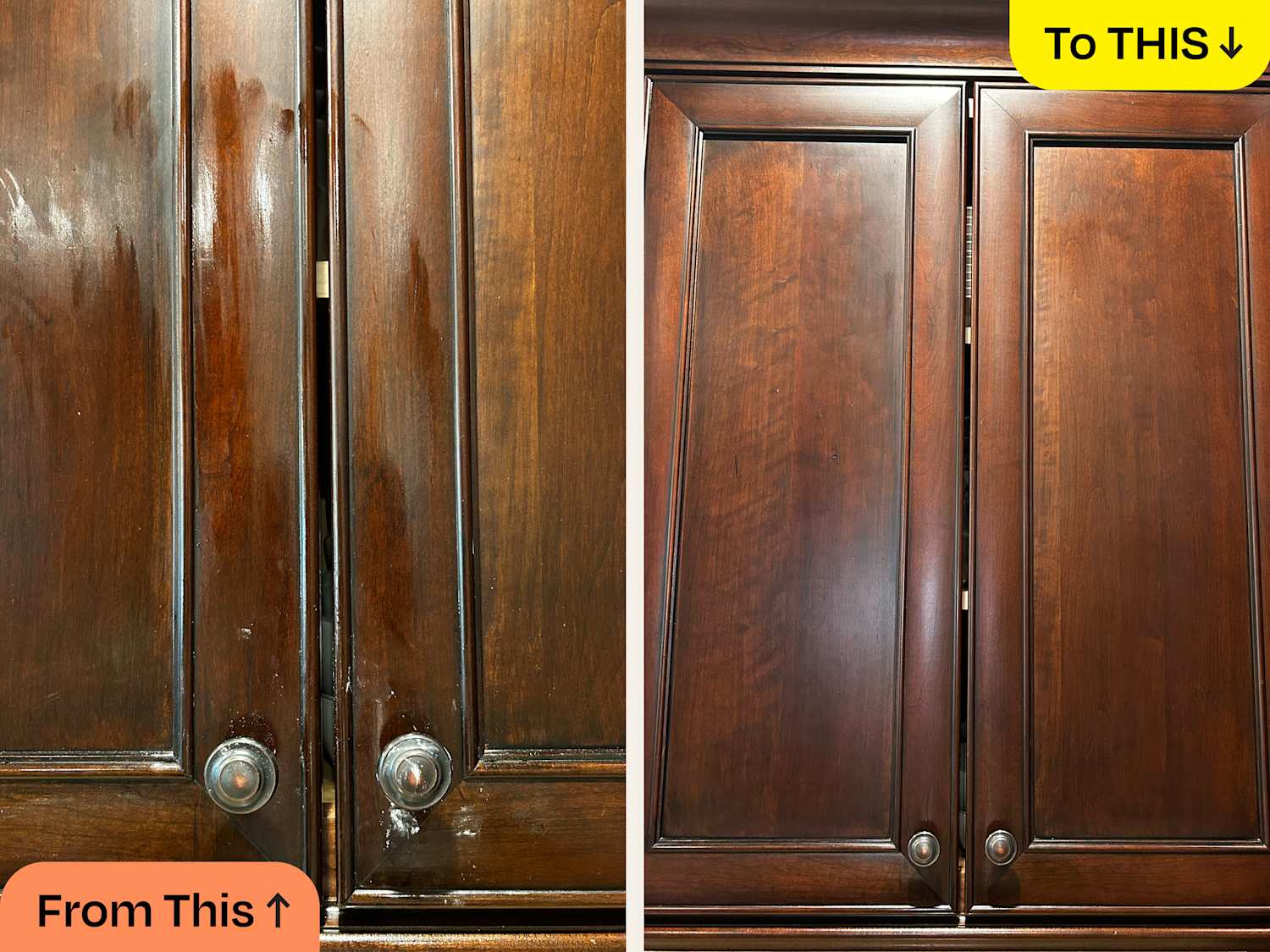
Are your kitchen cabinets looking dull, sticky, or just plain dirty? Finding the right cleaner can feel overwhelming with so many options out there.
But what if you could discover the best cleaner that makes your cabinets shine without damaging them? Imagine opening your kitchen doors to spotless, fresh-smelling cabinets every day. Keep reading, and you’ll learn exactly how to choose and use the perfect cleaner for your kitchen cabinets—making your space look brand new with minimal effort.
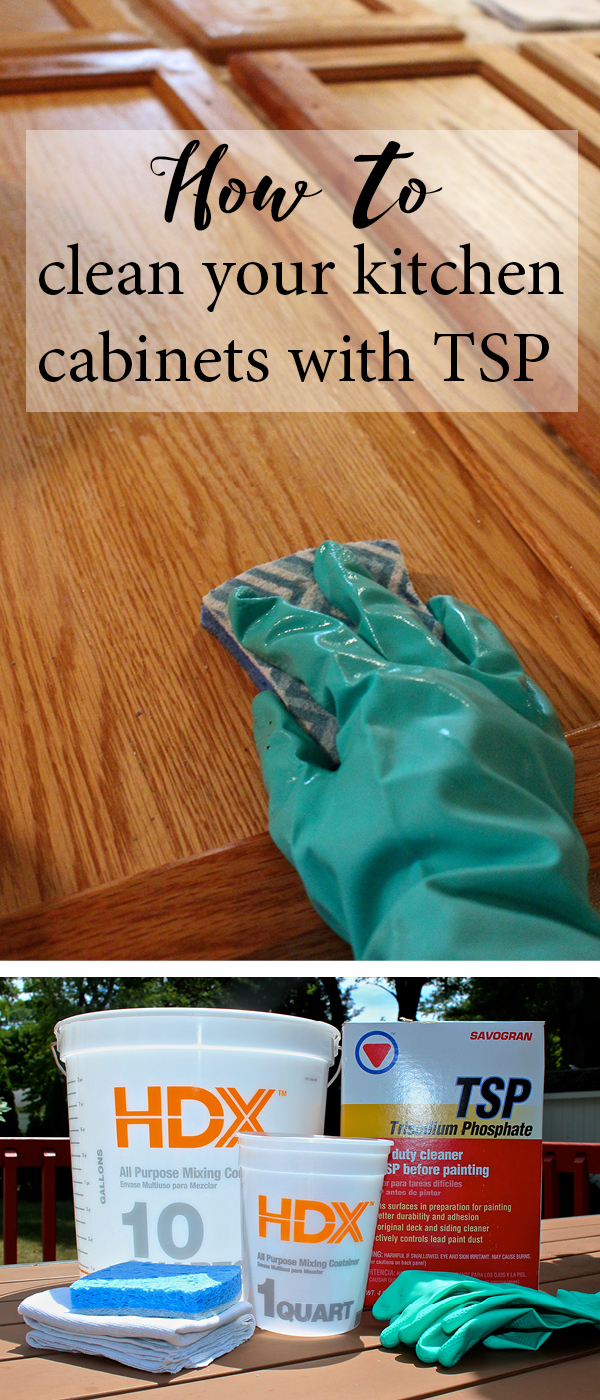
Credit: weekendcraft.com
Types Of Kitchen Cabinet Materials
Choosing the right cleaner for your kitchen cabinets depends largely on the material they are made from. Different cabinet materials react differently to cleaning solutions and methods. Understanding the types of kitchen cabinet materials helps you pick a cleaner that protects and maintains their beauty.
Wood Cabinets
Wood cabinets are classic and add warmth to any kitchen. They often have a natural or stained finish that can be sensitive to harsh chemicals. Using a gentle cleaner, like a mix of mild dish soap and water, preserves the wood’s finish without stripping its natural oils.
Have you ever noticed how water spots or sticky residue can quickly dull wood surfaces? Wiping wood cabinets with a soft, damp cloth and drying immediately prevents damage. Avoid abrasive scrubbing, which can scratch and wear down the wood over time.
Laminate Cabinets
Laminate cabinets offer a budget-friendly and durable option. Their smooth surface handles most cleaners well, but strong chemicals can cause discoloration or peeling. A non-abrasive cleaner or a solution of vinegar and water often works best to remove grease and stains.
Think about the last time you had a stubborn stain on your laminate cabinets. Did you try scrubbing hard? That might damage the surface. Instead, let the cleaner sit for a few minutes before gently wiping to lift grime effectively.
Metal Cabinets
Metal cabinets bring a modern, industrial vibe to kitchens. They are resistant to most stains but prone to fingerprints and smudges. Using a cleaner designed for stainless steel or a simple mixture of warm water and dish soap can keep them shiny and spotless.
Do you notice how streaks can ruin the look of metal cabinets? Drying with a microfiber cloth after cleaning helps avoid streaks and water marks. Avoid bleach or abrasive pads, as these can cause rust or scratches.
Glass Cabinets
Glass cabinets add elegance and make kitchens feel open and bright. They require cleaners that won’t leave streaks or cloudiness. A glass cleaner or a mixture of vinegar and water is perfect for keeping glass surfaces clear and sparkling.
Ever tried cleaning glass cabinets only to see streaks afterward? Using a lint-free cloth or newspaper can make a big difference. Regular cleaning prevents buildup of grease and dust, which dulls the glass over time.
Common Stains On Kitchen Cabinets
Kitchen cabinets face a variety of stains every day, making it important to know what you’re dealing with before choosing a cleaner. Each type of stain requires a different approach, and understanding these common marks can save you time and frustration. Let's look at the usual culprits that leave your cabinets looking less than perfect.
Grease And Oil
Grease and oil stains are some of the toughest to remove. They often come from cooking splatters or oily hands. If left untreated, they can build up and cause a sticky residue that attracts more dirt.
Have you noticed how soap alone sometimes doesn’t cut through this grime? Using a cleaner with a degreasing formula can make a huge difference. Lemon-based or vinegar solutions often work well because they break down oils naturally without damaging your cabinet finish.
Water Marks
Water marks show up when moisture sits on your cabinets too long. This is common near the sink or dishwasher. Over time, these spots can cause discoloration or even warping of wood cabinets.
Do you leave cups or wet towels resting against your cabinets? That’s an easy way to invite water stains. Quickly drying the area and using a mild cleaner designed for wood or laminate surfaces helps prevent permanent damage.
Food Spills
Food spills happen all the time, especially during meal prep. Tomato sauce, coffee, and wine can leave bright, stubborn stains. If you don’t wipe them up fast, they may soak into the cabinet surface.
Have you tried using baking soda as a gentle scrub for these stains? It works wonders without scratching the surface. Pair it with warm water and a soft cloth to get rid of sticky spots effectively.
Dust And Dirt
Dust and dirt might seem harmless, but they dull your cabinets and can cause tiny scratches if rubbed in. Kitchens are busy places, and airborne particles settle on surfaces quickly.
Regular dusting with a microfiber cloth keeps your cabinets looking fresh. You might be surprised how much brighter your kitchen feels just by removing this everyday buildup.
Top Cleaners For Kitchen Cabinets
Choosing the right cleaner for kitchen cabinets helps maintain their look and durability. Some cleaners work better on wood, others on laminate or painted surfaces. The best options balance cleaning power with gentle care. Here are top cleaners to keep your cabinets spotless and fresh.
Natural Cleaners
Natural cleaners use simple ingredients safe for most cabinet finishes. They remove grease and dirt without harsh chemicals.
- White vinegar mixed with water lifts grime and kills bacteria.
- Baking soda paste gently scrubs away stains and sticky spots.
- Lemon juice cuts through grease and adds a fresh scent.
- Castile soap combined with water cleans without residue.
These cleaners suit families with pets or kids and eco-friendly homes.
Commercial Cleaners
Commercial cleaners target tough stains and buildup on kitchen cabinets. They often contain stronger ingredients for quick results.
- All-purpose kitchen sprays that dissolve grease fast.
- Wood-specific cleaners that nourish and protect cabinet surfaces.
- Disinfectant wipes for quick touch-ups and germ control.
- Degreasers designed to break down heavy oil and food residue.
Choose products labeled safe for your cabinet material to avoid damage.
Diy Cleaning Solutions
DIY solutions mix common household items to create effective cabinet cleaners. They save money and let you control ingredients.
- Mix olive oil and lemon juice for a wood polish and cleaner.
- Combine vinegar, water, and dish soap for a versatile spray.
- Baking soda with water creates a mild abrasive scrub for tough spots.
- Essential oils added to cleaners boost scent and antibacterial power.
Test DIY mixes on a small cabinet area before full use.
Choosing The Right Cleaner For Your Cabinets
Choosing a cleaner that suits your cabinet material keeps them looking fresh and new. Gentle, non-abrasive cleaners work best for most kitchen cabinets. Avoid harsh chemicals to protect the finish and ensure easy cleaning.
Choosing the right cleaner for your kitchen cabinets can be tricky. Not all cleaners suit every cabinet type. A good cleaner keeps your cabinets spotless and safe. It preserves their look and extends their life. Let's explore how to choose the best cleaner.
Considering Cabinet Material
Different materials need different care. Wooden cabinets require gentle cleaners. Harsh chemicals can harm the wood. For laminate cabinets, mild soap and water work well. Metal cabinets often need specialized cleaners. Check the material before picking a cleaner.
Safety For Finish
Preserving the cabinet's finish is crucial. Some cleaners strip away the shine. Others may cause discoloration. Test the cleaner on a small spot first. Ensure it is safe for your cabinet's finish. This step prevents damage and keeps cabinets looking new.
Eco-friendly Options
Eco-friendly cleaners are a great choice. They are gentle on your cabinets and the planet. Look for cleaners with natural ingredients. Avoid products with harsh chemicals. These choices protect your cabinets and reduce environmental impact.
Step-by-step Cleaning Process
Cleaning your kitchen cabinets effectively requires more than just spraying and wiping. A clear process ensures you protect the finish and extend their life. Let’s walk through the detailed steps to get your cabinets looking fresh and spotless.
Preparation And Tools Needed
Start by clearing your cabinets of any items. This gives you full access and prevents accidental spills on your belongings. Gather these essentials before you begin:
- Mild dish soap or a gentle all-purpose cleaner
- Warm water
- Soft microfiber cloths
- Soft-bristled brush or toothbrush
- Vacuum with brush attachment (optional)
- Wood polish or furniture wax (if applicable)
Have you noticed dust often collects in corners and crevices? Using a vacuum with a brush attachment helps remove this buildup without scratching surfaces.
Cleaning Techniques For Different Materials
Kitchen cabinets come in various materials, and each needs special care to avoid damage.
- Wood Cabinets:Use a mild soap solution and a damp cloth. Avoid soaking the wood to prevent warping. Gently scrub with a soft brush around edges and handles.
- Laminate Cabinets:Laminate is more water-resistant. Use a gentle cleaner or vinegar-water mix for tough stains. Avoid abrasive pads that can scratch the finish.
- Glass Inserts:Clean with a glass cleaner or diluted vinegar. Wipe carefully to avoid streaks.
Have you ever tried using harsh chemicals only to see your cabinets lose their shine? Sticking to gentle cleaners protects the surfaces and keeps them looking new longer.
Drying And Polishing
After cleaning, drying is crucial. Use a dry microfiber cloth to remove any moisture. This prevents water spots and potential damage.
If your cabinets are wood, apply a small amount of wood polish or furniture wax. Rub it in with a soft cloth following the grain. This step restores the natural shine and adds a protective layer.
Ask yourself: How often do you polish your cabinets? Regular polishing not only improves appearance but also makes future cleanings easier.
Maintenance Tips To Keep Cabinets Spotless
Keeping your kitchen cabinets spotless doesn’t have to be a chore. With the right maintenance habits, you can preserve their beauty and extend their lifespan. Let’s look at some practical tips that make daily care simple and effective.
Regular Cleaning Schedule
Set a routine to clean your cabinets weekly. Use a soft cloth and a mild cleaner to wipe away dust, grease, and fingerprints. Avoid harsh chemicals that can strip the finish or damage the wood.
Consistency is key. You’ll notice that sticking to a schedule prevents buildup and keeps your cabinets looking fresh. Have you tried setting a reminder on your phone to help stay on track?
Preventing Stains And Damage
Spills and splatters happen, but catching them early can save a lot of effort. Wipe off liquids immediately to avoid stains or warping, especially around handles and edges.
Use protective liners inside cabinets where spills are common. Also, avoid placing hot pots or pans directly on cabinet surfaces to prevent heat damage. Small habits like these protect your investment over time.
Quick Fixes For Minor Issues
Scratches and dents can be discouraging, but many minor issues can be fixed at home. Use a colored wood marker or wax filler stick that matches your cabinet finish to conceal scratches quickly.
Loose hinges or handles? Tighten screws regularly to keep everything secure. These small repairs help avoid bigger problems and keep your kitchen running smoothly.
Common Mistakes To Avoid
Cleaning kitchen cabinets seems simple but many make common mistakes. These errors can damage the finish or reduce the life of your cabinets. Avoiding them helps keep cabinets looking fresh and new.
Using Harsh Chemicals
Strong cleaners can strip the cabinet finish or cause discoloration. Avoid bleach, ammonia, and abrasive powders. Use gentle, cabinet-safe cleaners instead. Always test any cleaner on a small hidden spot first.
Excessive Water Exposure
Water can seep into wood or veneer and cause swelling or warping. Do not soak cabinets or use too much liquid cleaner. Wipe surfaces quickly with a damp cloth and dry immediately with a soft towel.
Scrubbing Too Hard
Heavy scrubbing can scratch or dull the cabinet surface. Use soft cloths or sponges and gentle motions. For tough stains, let the cleaner sit for a few minutes before wiping. Be patient and gentle.

Credit: www.amazon.ca
Frequently Asked Questions
What Is The Safest Cleaner For Kitchen Cabinets?
The safest cleaner is a mild dish soap mixed with warm water. It effectively removes grease without damaging finishes. Avoid harsh chemicals that can strip paint or varnish. Test any cleaner on a small area first to ensure it’s safe for your cabinet material.
Can Vinegar Clean Kitchen Cabinets Effectively?
Yes, vinegar mixed with water is a natural cleaner for cabinets. It cuts through grease and grime without harmful chemicals. However, avoid using vinegar on wood cabinets with wax finishes as it can damage the surface over time.
How Often Should I Clean Kitchen Cabinets?
Clean your kitchen cabinets every two weeks to prevent buildup. Wipe spills immediately to avoid stains and damage. Regular cleaning keeps cabinets looking fresh and extends their lifespan.
Are Commercial Cabinet Cleaners Better Than Homemade Solutions?
Commercial cleaners often contain strong chemicals for tough grease. Homemade solutions like soap and vinegar are gentler and safer for most finishes. Choose based on your cabinet material and cleaning needs.
Conclusion
Choosing the best cleaner for kitchen cabinets keeps them fresh and bright. Gentle cleaners protect the cabinet’s finish and remove dirt well. Natural options like vinegar work for most surfaces safely. Avoid harsh chemicals that may damage wood or paint.
Clean cabinets regularly to stop grime buildup and stains. A good cleaner saves time and effort in the kitchen. Your cabinets will look nicer and last longer with care. Simple steps make a big difference in kitchen cleanliness. Try different cleaners to find what suits your cabinets best.