
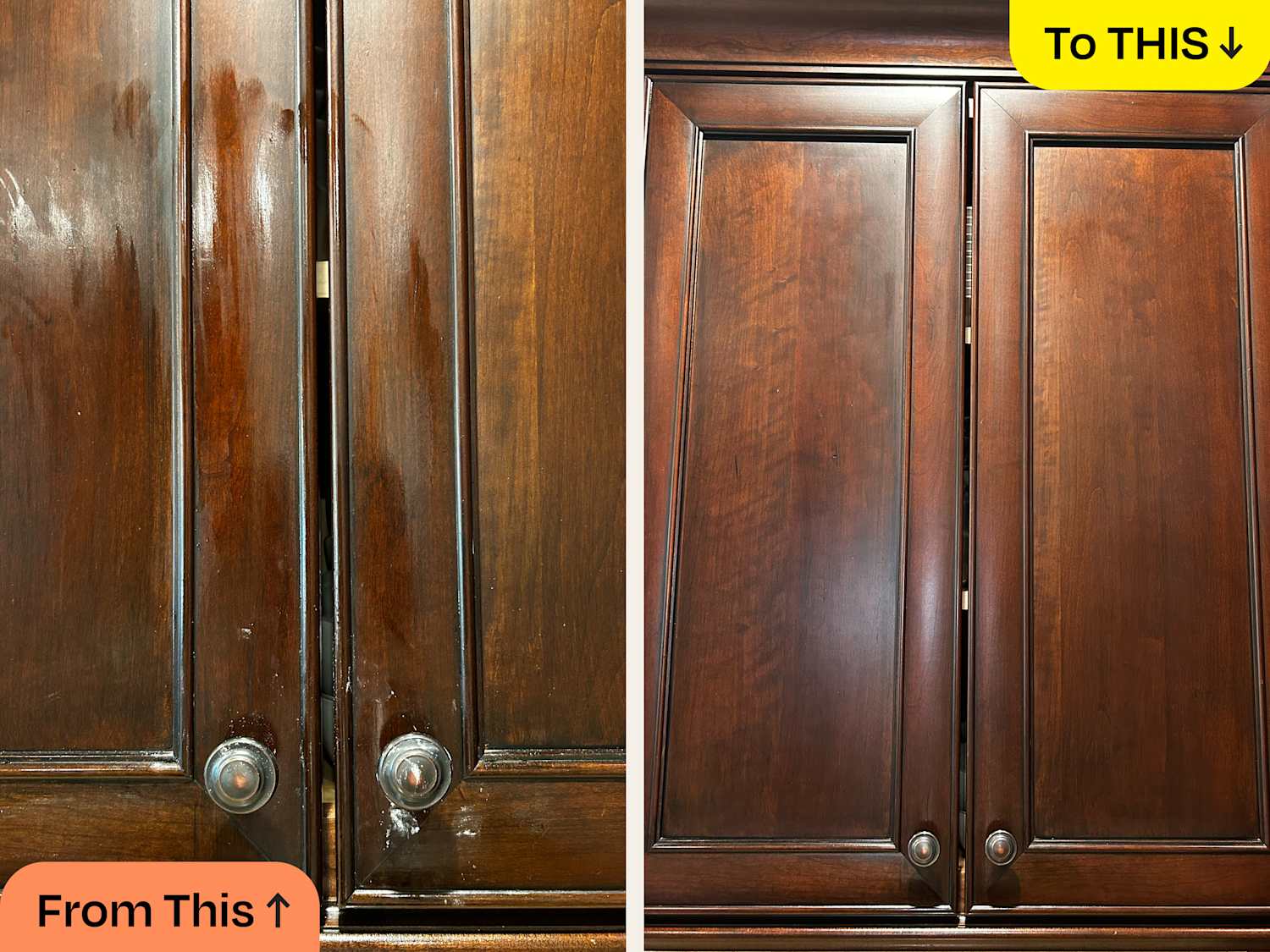
Are your kitchen cabinets looking dull or sticky? You want them to shine and feel fresh, but choosing the right cleaner can be confusing.
What’s good for cleaning kitchen cabinets without damaging the finish or leaving behind residue? You’re about to discover simple, effective solutions that will make your cabinets sparkle like new. Keep reading to find out how to easily bring back that clean, polished look to your kitchen space.
Choosing The Right Cleaner
Choosing the right cleaner for your kitchen cabinets can make all the difference in maintaining their look and durability. Not every cleaner suits every cabinet type, and using the wrong one might damage the finish or leave stubborn residue. Understanding your options helps you protect your investment while keeping your kitchen fresh and inviting.
Natural Vs Commercial Options
Natural cleaners like vinegar, baking soda, and lemon juice offer a gentle yet effective way to clean cabinets without harsh chemicals. They are often cheaper and safer for families with kids or pets. However, commercial cleaners are formulated for tougher stains and quicker results, which might be necessary for heavily soiled surfaces.
Think about how much time you want to spend cleaning. Would you prefer a quick spray and wipe or a more hands-on approach with natural ingredients? Sometimes mixing both methods works best—start with natural options and switch to commercial products for stubborn grime.
Safe Cleaners For Different Materials
Wood cabinets need cleaners that won’t strip away protective finishes. Look for products labeled safe for wood or try diluted dish soap with warm water. For laminate or painted cabinets, avoid abrasive scrubbers; a soft cloth with mild cleaner is ideal.
Here’s a quick guide:
| Cabinet Material | Recommended Cleaner | What to Avoid |
|---|---|---|
| Wood | Mild dish soap, wood polish | Abrasive scrubbers, ammonia-based cleaners |
| Laminate | Vinegar solution, gentle commercial cleaner | Abrasive pads, bleach |
| Painted | Warm soapy water, non-abrasive cleaners | Harsh chemicals, rough sponges |
Avoiding Harmful Chemicals
Many commercial cleaners contain chemicals like ammonia, bleach, or phthalates that can cause respiratory issues or skin irritation. You might not notice immediate effects, but long-term exposure can be harmful. Checking labels and choosing products with fewer toxic ingredients protects both your health and the environment.
Have you ever wondered what’s really in your cleaning products? Opting for “green” or eco-friendly brands can reduce chemical exposure while still delivering a clean shine. Your kitchen should be a safe space—not just visually but also for the air you breathe.
Credit: modern-maids.com
Essential Cleaning Tools
Cleaning kitchen cabinets needs the right tools. Choosing the proper tools makes the job easier and protects your cabinets. Using the correct items helps remove dirt without damage. These tools work well on different cabinet surfaces.
Soft Cloths And Sponges
Soft cloths and sponges clean gently without scratching surfaces. They absorb cleaning solutions well and wipe away grease. Use them to remove dust and light stains on cabinets. Avoid rough materials to keep finishes smooth.
Brushes For Tough Spots
Brushes reach hard areas where dirt builds up. Choose brushes with soft to medium bristles to avoid damage. They work well on grooves, handles, and corners. Brushes loosen grime without harsh scrubbing.
Microfiber Advantages
Microfiber cloths trap dust and dirt efficiently. They use less water and cleaning agents. Microfiber dries fast and does not leave lint behind. These cloths keep cabinets clean and shiny with less effort.
Step-by-step Cleaning Process
Cleaning kitchen cabinets is easier with a clear plan. Follow this step-by-step process to make your cabinets shine. The right approach helps remove grease, dirt, and stains without damage.
Preparing The Cabinets
Start by removing all items from the cabinets. Clear the countertops around the cleaning area. Use a soft cloth or brush to dust the cabinet surfaces. Pay attention to corners and edges. Protect the floor with a towel or newspaper to catch drips.
Applying The Cleaner
Choose a gentle cleaner suitable for your cabinet material. Test it on a small hidden spot first. Use a soft sponge or cloth to apply the cleaner. Work in small sections to avoid streaks. Gently scrub areas with stains or grease buildup. Avoid harsh scrubbing to protect the finish.
Rinsing And Drying
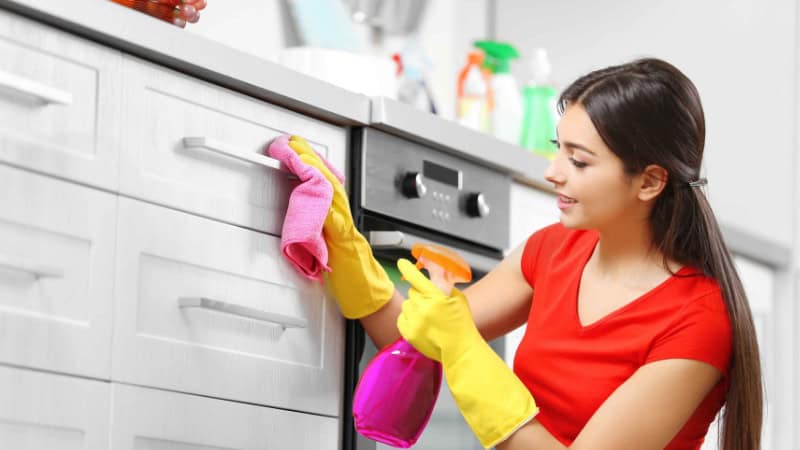
Wipe the cabinets with a clean, damp cloth to remove cleaner residue. Use a separate cloth for drying. Make sure to dry all surfaces thoroughly to prevent water damage. Open cabinet doors to air them out for faster drying. Your cabinets will look fresh and clean.

Credit: palmbeachorganized.com
Tackling Stubborn Stains
Stubborn stains on kitchen cabinets can ruin the look of your entire kitchen. These marks often resist regular cleaning and need special care. Understanding the right cleaning approach helps keep cabinets fresh and bright.
Different stains require different treatments. Grease, mold, and scratches each have unique solutions. Using the proper method prevents damage and restores the cabinet’s surface.
Grease And Oil Removal
Grease stains build up from cooking oils and food splashes. Use a mild detergent mixed with warm water. Apply it with a soft cloth and gently rub the stained area.
- Dish soap works well to break down grease.
- White vinegar diluted with water can cut through oil.
- Rinse with a clean damp cloth to remove residue.
Avoid harsh scrubbing to protect the cabinet finish.
Mold And Mildew Solutions
Mold and mildew thrive in damp, dark cabinet corners. Clean these spots quickly to stop growth. Mix equal parts water and white vinegar in a spray bottle.
- Spray the affected area lightly.
- Let it sit for 10 minutes to kill spores.
- Wipe with a clean cloth and dry completely.
For tough mold, a baking soda paste can help scrub away stains.
Scratches And Scuff Marks
Scratches and scuffs spoil your cabinets’ smooth look. Use a wood touch-up marker matching the cabinet color. Apply carefully over the scratch, then wipe off excess.
- For minor scuffs, a paste of baking soda and water can gently buff the area.
- Furniture polish can hide small marks and add shine.
- Test any product on a hidden spot first.
These simple fixes restore beauty without costly repairs.
Maintaining Cabinet Shine
Gentle soap and warm water clean kitchen cabinets without damage. Avoid harsh chemicals that can dull the finish. Wipe cabinets dry to keep their shine bright and lasting.
Maintaining the shine of your kitchen cabinets is like keeping the heart of your home vibrant and welcoming. Cabinets can easily lose their luster due to daily wear and tear, cooking residues, and spills. With simple, regular care, you can ensure they remain as gleaming as the day they were installed.
Regular Cleaning Tips
Regular cleaning is your first line of defense against dullness. Use a soft cloth dampened with warm water and mild dish soap to wipe your cabinets weekly. Avoid soaking the cloth, as too much water can damage the finish. Keep a microfiber cloth handy for daily touch-ups. This can quickly tackle fingerprints and minor spills without scratching the surface. Think of it as your secret weapon for maintaining shine.
Protective Treatments
Consider applying a cabinet polish or wax every few months. This adds a protective layer, enhancing the shine and making future cleaning easier. Be sure to choose a product that matches your cabinet's finish—wood, laminate, or painted surfaces. A homemade solution of equal parts vinegar and olive oil can also work wonders. Test it on a small, hidden area first to ensure it doesn't alter the cabinet color. This natural treatment not only cleans but also rejuvenates the wood.
Avoiding Future Damage
Preventing damage is key to maintaining cabinet shine. Install handles or knobs if you don't already have them, as they reduce direct contact with the cabinet surface. Be mindful of heat and moisture from appliances like kettles and dishwashers. Use exhaust fans to minimize exposure, and wipe down surfaces immediately after spills to prevent stains. What steps are you taking to keep your kitchen cabinets shining? By focusing on these simple yet effective practices, you can enjoy a sparkling kitchen year-round.
Special Care For Different Cabinet Types
Different kitchen cabinet materials need careful cleaning to avoid damage. Each type reacts differently to cleaners and moisture. Understanding the right approach keeps cabinets looking fresh and lasting longer.
Wood Cabinets
Wood cabinets require gentle cleaning to protect the finish. Use a soft cloth with mild soap and water. Avoid soaking the wood to prevent warping or stains. Dry immediately with a clean towel. For tough spots, try a mixture of vinegar and water. Polish wood occasionally with a product made for wood surfaces.
Laminate Cabinets
Laminate cabinets handle water better but can scratch easily. Use a non-abrasive cleaner and a soft sponge or cloth. Avoid bleach or harsh chemicals that can strip the surface. Wipe spills quickly to stop stains. For greasy marks, dish soap and warm water work well. Rinse and dry the surface to keep it shiny.
Glass And Metal Cabinets
Glass doors need streak-free cleaning with glass cleaner or vinegar solution. Use a microfiber cloth to avoid scratches. Metal cabinets, like stainless steel, benefit from gentle cleaners. Wipe with a damp cloth and dry to prevent water spots. Avoid abrasive pads that can damage the metal finish. Fingerprints and smudges disappear with rubbing alcohol on a soft cloth.

Credit: 417forged.com
Frequently Asked Questions
What’s The Best Cleaner For Kitchen Cabinets?
Mild dish soap mixed with warm water is ideal. It effectively removes grease and dirt without damaging finishes. Avoid harsh chemicals to protect your cabinets. Always test a small area first to ensure compatibility.
How Often Should Kitchen Cabinets Be Cleaned?
Clean cabinets at least once a month to prevent grime buildup. Wipe spills immediately to avoid stains. Regular maintenance keeps cabinets looking fresh and extends their lifespan.
Can Vinegar Clean Kitchen Cabinets Safely?
Yes, diluted vinegar is a natural, effective cleaner. Mix one part vinegar with one part water. It removes grease and disinfects without harsh chemicals. Avoid using vinegar on stone or waxed cabinets.
What Tools Are Best For Cleaning Cabinets?
Use a soft cloth or sponge to avoid scratches. Microfiber cloths effectively lift dirt and grease. Avoid abrasive scrubbers that can damage cabinet surfaces.
Conclusion
Cleaning kitchen cabinets is easier with the right products and methods. Use gentle cleaners to protect the finish and avoid damage. Regular wiping stops dirt buildup and keeps cabinets looking fresh. Natural ingredients like vinegar or baking soda work well and are safe.
Remember to dry surfaces after cleaning to prevent moisture problems. A simple routine helps maintain your cabinets longer and keeps your kitchen bright. Try these tips and enjoy a clean, inviting kitchen space every day. Small efforts bring big results.