
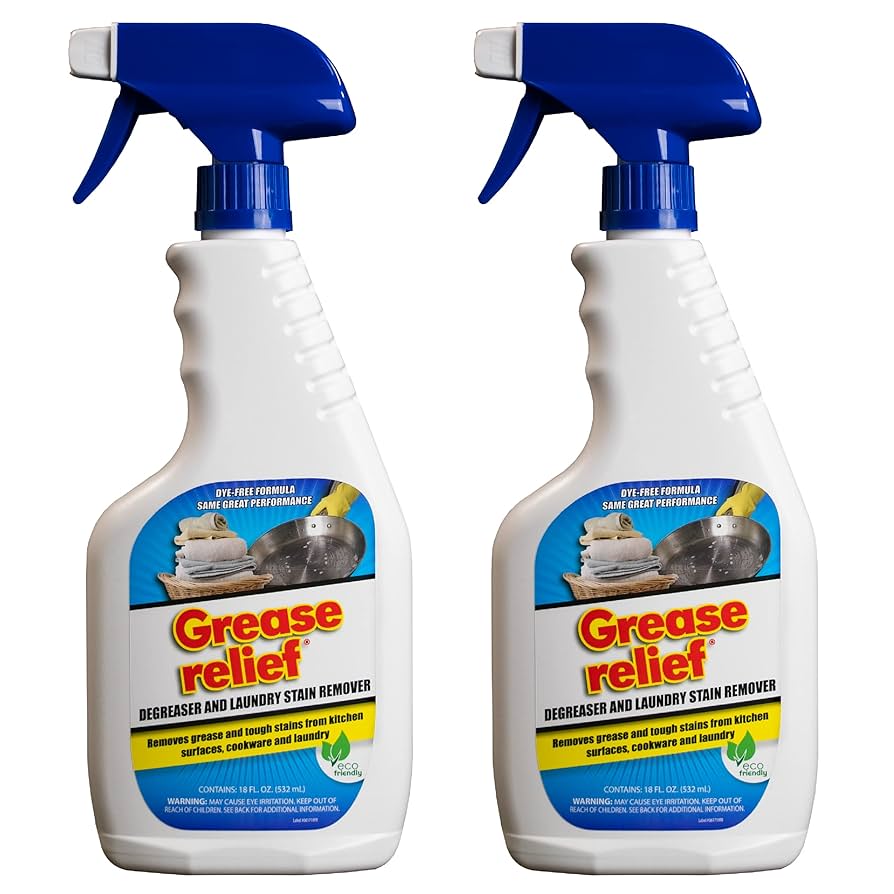
Are you tired of scrubbing stubborn kitchen grease that just won’t budge? Grease buildup not only makes your kitchen look dirty but can also attract pests and cause unpleasant odors.
Finding the best cleaner for kitchen grease can save you time, effort, and frustration. You’ll discover powerful and easy-to-use solutions that will make your kitchen shine like new. Keep reading to find out which cleaner works best for your toughest grease problems and how you can get your kitchen sparkling clean with less hassle.
Types Of Kitchen Grease
Kitchen grease is not all the same, and understanding its types can help you choose the best cleaner. Different greases come from different sources and have unique properties. Knowing what you're dealing with makes tackling the mess much easier and more effective.
Common Sources Of Grease
Grease in your kitchen mainly comes from cooking oils, animal fats, and food residues. When you fry, sauté, or bake, oil splatters and settles on surfaces. Leftover fat from meats also contributes to sticky grease buildup.
Grease can collect on stovetops, exhaust fans, counters, and even inside ovens. Each source leaves behind a slightly different type of grease—some are thick and sticky, others thin and oily. Do you notice certain spots in your kitchen where grease is tougher to clean?
Challenges In Removing Grease
Grease sticks stubbornly to surfaces because it is oily and often mixed with dust and burnt food. This makes it resistant to plain water or mild soap. The longer grease stays, the harder it becomes to remove.
Some kitchen surfaces, like stainless steel or painted cabinets, can be sensitive to harsh chemicals. That means you need a cleaner that not only cuts through grease but also protects your kitchen’s finish. Have you found that some cleaners leave your surfaces streaky or damaged?

Credit: www.amazon.com
Criteria For Choosing A Grease Cleaner
Choosing the right cleaner for kitchen grease isn’t just about grabbing the strongest product on the shelf. You need to balance power with safety, ease, and how it affects the environment. Understanding these criteria helps you pick a cleaner that works well without causing damage or extra hassle.
Effectiveness And Strength
Grease can be stubborn, so your cleaner must break it down efficiently. Look for products designed specifically for kitchen grease rather than general-purpose cleaners. A cleaner that cuts through heavy buildup quickly saves you time and effort.
Have you ever used a cleaner that left a sticky residue? That usually means it wasn’t strong enough or didn’t fully dissolve the grease. Choose one that rinses off cleanly and leaves your kitchen surfaces spotless.
Safety For Surfaces And Users
Some grease cleaners are harsh and can damage countertops, appliances, or even your skin. Always check if the cleaner is safe for the materials in your kitchen—like stainless steel, granite, or painted surfaces.
Using gloves or ensuring good ventilation can protect your skin and lungs. Does the product have clear safety instructions? If not, it might not be the best choice for regular home use.
Environmental Impact
Many cleaners contain chemicals that harm the environment once washed down the drain. Biodegradable and non-toxic options reduce your ecological footprint without sacrificing cleaning power.
Think about how often you clean and the volume of product you use. Choosing an eco-friendly cleaner means you contribute less to pollution and protect water quality in your community.
Ease Of Use
No one wants a cleaner that requires multiple steps or long wait times. Products that spray on and wipe off quickly make your cleaning routine less of a chore.
Consider whether the cleaner needs dilution or special tools. A straightforward product will encourage you to clean more often, keeping your kitchen grease-free with less hassle.
Top Grease Cleaners For Kitchen
Kitchen grease can be tough to remove and leaves surfaces sticky and dull. Choosing the right cleaner makes the task easier and faster. The best cleaners cut through grease without harming surfaces or leaving residue. Here are some top options to consider for a spotless kitchen.
Commercial Degreasers
Commercial degreasers are strong and effective. They work fast on heavy grease and grime. Many come in spray bottles for easy use. These products often contain powerful chemicals designed to break down fats and oils.
- Ideal for ovens, stovetops, and exhaust fans
- Works well on metal, glass, and tiles
- Follow label instructions for safety
Natural And Homemade Solutions
Natural cleaners use simple ingredients found at home. They are gentle and safe for most surfaces. Baking soda, vinegar, and lemon juice are popular choices. These ingredients dissolve grease and leave a fresh scent.
- Baking soda scrubs stubborn spots
- Vinegar cuts grease and disinfects
- Lemon juice adds shine and freshness
Eco-friendly Products
Eco-friendly cleaners offer grease removal with less environmental impact. They use biodegradable ingredients and avoid harsh chemicals. These products are safe for your family and pets. Many have certifications showing their green standards.
- Plant-based formulas
- Non-toxic and biodegradable
- Effective on kitchen surfaces
Application Tips For Best Results
Choose a cleaner that breaks down grease quickly for easier removal. Apply it evenly and let it sit for a few minutes before scrubbing. Rinse well to avoid sticky residue and keep your kitchen fresh.
Cleaning kitchen grease effectively requires knowing the right application methods. Using a quality cleaner is essential, but applying it properly is equally crucial. Follow these tips to ensure you achieve the best results.
Preparation And Safety Measures
Before starting, gather all necessary cleaning supplies. Wear gloves to protect your hands from harsh chemicals. Ensure the room is well-ventilated to avoid inhaling fumes. Clear the area of any food items to prevent contamination. Always read the cleaner’s instructions carefully.
Proper Cleaning Techniques
Apply the cleaner directly onto the greasy surface. Allow it to sit for a few minutes to break down the grease. Use a sponge or cloth to scrub in circular motions. For stubborn spots, apply a bit more pressure. Rinse the area with water to remove any residue. Dry with a clean towel to prevent streaks.
Post-cleaning Care
Inspect the cleaned area for any missed spots. Wipe down surfaces with a damp cloth to ensure no cleaner remains. Store your cleaning supplies in a safe, dry place. Regularly clean to prevent grease buildup. This keeps your kitchen looking fresh and tidy.
Common Mistakes To Avoid
A clean kitchen feels great, but grease stains can be tough. Many people make simple mistakes while cleaning grease. These errors can harm surfaces or leave grease behind. Avoiding these mistakes saves time and keeps your kitchen safe and shiny.
Using Harsh Chemicals Incorrectly
Harsh chemicals can remove grease fast, but they need care. Using too much can damage paint or finishes. Mixing chemicals may cause dangerous fumes. Always follow label instructions carefully. Wear gloves to protect your skin from burns or irritation.
Ignoring Surface Compatibility
Not all cleaners suit every kitchen surface. Some products can dull or scratch delicate materials. Check if the cleaner works on glass, stainless steel, or tile. Test a small area first to avoid surprises. Using the right cleaner keeps surfaces looking new longer.
Overlooking Ventilation
Cleaning kitchen grease can release strong smells and fumes. Without fresh air, these can irritate eyes and lungs. Open windows or turn on fans before starting. Proper ventilation makes cleaning safer and more comfortable. Keep air moving to reduce health risks.

Credit: www.amazon.com

Credit: www.amazon.com
Frequently Asked Questions
What Is The Most Effective Cleaner For Kitchen Grease?
The best cleaner for kitchen grease is a degreaser with citrus or enzymatic properties. These break down tough grease quickly. They are safe on multiple surfaces and easy to rinse. Choose a non-toxic, biodegradable formula for a healthier kitchen environment.
Can Natural Cleaners Remove Kitchen Grease Efficiently?
Yes, natural cleaners like vinegar, baking soda, and lemon juice can remove grease. They are eco-friendly and safe for most surfaces. However, they may require more effort on heavy grease buildup compared to commercial degreasers. Use them regularly to maintain a grease-free kitchen.
How Do Commercial Degreasers Work On Kitchen Grease?
Commercial degreasers contain powerful solvents that dissolve grease molecules. They penetrate thick grease layers, making cleaning easier. Most are designed for kitchens and safe on appliances. Always follow the instructions and test on a small area first to avoid damage.
Are Homemade Kitchen Grease Cleaners Effective?
Homemade cleaners using vinegar, baking soda, or dish soap can be effective for light grease. They are affordable and non-toxic but may struggle with heavy grease. Combining these ingredients can boost cleaning power naturally. Regular use helps prevent grease buildup.
Conclusion
Choosing the right cleaner makes kitchen grease removal easier and faster. A good cleaner cuts through grease without harming surfaces. Natural options work well for light grease and safe use. Stronger cleaners handle tough, baked-on grease quickly. Always follow product instructions for best results and safety.
Clean kitchens stay fresh and healthy for your family. Keep your kitchen sparkling by using the best cleaner for your needs. Simple steps bring great results every time.