
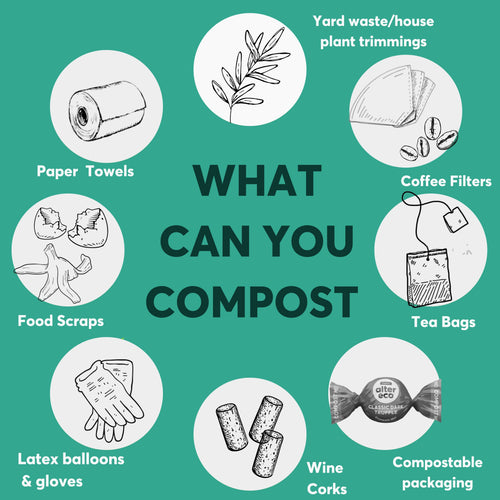
Have you ever wondered what kitchen scraps you can compost instead of throwing them away? Composting is a simple way to turn your food waste into rich soil that helps your garden grow.
But not all scraps belong in the compost bin. Knowing exactly what you can add makes the process easier and more effective. Keep reading, and you’ll discover which everyday kitchen leftovers can transform your compost—and which ones to avoid. This small change can make a big difference for your home and the planet.
Compostable Fruit Scraps
Fruit scraps make excellent additions to your compost pile. They break down quickly and enrich the soil. Composting fruit scraps helps reduce waste and creates nutrient-rich compost for your garden. Different parts of fruits can be composted safely and effectively.
Peels And Rinds
Peels and rinds from fruits like apples, oranges, and bananas are perfect for composting. They contain valuable nutrients that feed the soil. Make sure to cut large peels into smaller pieces to speed up decomposition. Avoid thick citrus rinds in large amounts, as they take longer to break down.
Fruit Cores And Seeds
Fruit cores such as apple and pear cores can go into the compost. Seeds from many fruits like berries, melons, and tomatoes are safe too. Some seeds may sprout in the compost, but this usually benefits the soil. Remove any large pits from fruits like peaches and cherries, as they decompose slowly.
Overripe And Spoiled Fruit
Overripe and spoiled fruits are ideal for composting. They break down quickly and add moisture to the pile. Rotten bananas, berries, and other soft fruits work well. Avoid composting fruits with mold that produce harmful toxins. Always mix these scraps well with other compost materials to prevent odor.
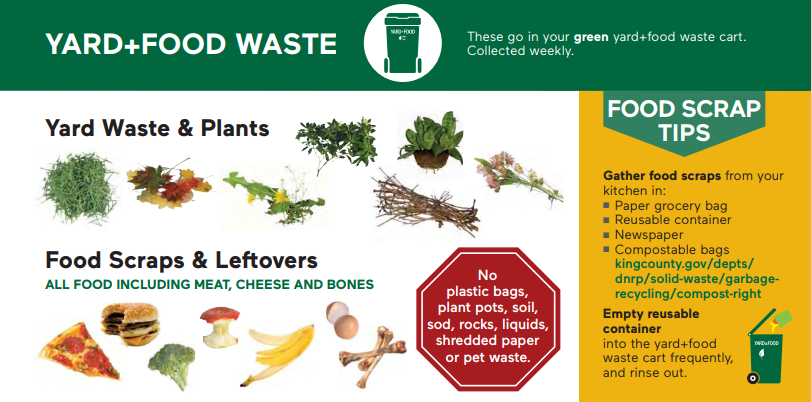
Credit: www.federalwaywa.gov
Vegetable Scraps For Compost
Vegetable scraps are some of the most common and valuable materials you can add to your compost pile. They break down quickly and enrich your soil with nutrients, helping your garden flourish. Knowing which vegetable scraps are compost-friendly can save you from tossing useful waste into the trash.
Peelings And Trimmings
Peelings from potatoes, carrots, cucumbers, and other veggies are perfect for compost. These scraps are rich in nutrients and decompose rapidly. Keep in mind that citrus peels should be added sparingly, as they can be acidic and slow down composting if overused.
Trimmings like the ends of green beans or the tops of radishes also make great additions. Cutting these scraps into smaller pieces speeds up the breakdown process. Have you noticed how much you throw away after prepping meals? Try saving these bits instead.
Wilted And Spoiled Vegetables
Wilted lettuce, limp spinach, and even slightly spoiled vegetables can go straight into your compost bin. These scraps may look unappetizing for eating but are still full of organic matter your compost needs. Avoid adding moldy or rotten veggies that smell strongly, as they might attract pests.
Adding these scraps helps reduce food waste significantly. Think about how often you toss out veggies that are past their prime—composting them is a smart way to give back to your garden. Have you ever noticed how quickly wilted greens break down compared to fresh ones?
Stems And Leaves
Stems from broccoli, cauliflower, and kale, as well as leafy greens like Swiss chard and beet greens, are excellent compost materials. They add bulk and provide a good balance of carbon and nitrogen. Chop these tougher parts into smaller pieces to help them break down faster.
Leaves from herbs such as parsley and cilantro also boost your compost pile with nutrients and moisture. Don’t underestimate the value of these often discarded parts—they can improve soil structure and fertility. Are you surprised by how many scraps you might be throwing away?
Coffee And Tea Waste
Coffee and tea waste are common kitchen scraps that enrich compost heaps. These items break down quickly and add valuable nutrients. They improve soil texture and help retain moisture. Using coffee and tea waste in compost supports a healthy garden naturally.
Used Coffee Grounds
Used coffee grounds are excellent for compost. They add nitrogen, an essential nutrient for plants. Grounds also attract earthworms, which help aerate the soil. Spread the grounds evenly in the compost pile to avoid clumping. Drying the grounds first can prevent mold growth.
Tea Bags And Leaves
Tea leaves are a rich source of nitrogen and organic matter. Remove staples from tea bags before composting to avoid metal contamination. Some tea bags are compostable, but check the packaging to be sure. Tear bags open to speed up decomposition and mix well with other scraps.
Eggshells And Dairy Considerations
Composting kitchen scraps is a sustainable way to recycle organic waste. Eggshells and dairy products often cause confusion. Knowing what to include can improve your compost. Let's explore their roles in composting.
Crushed Eggshells
Eggshells are great for composting. They break down slowly, adding calcium to the soil. Crush them before adding to your compost bin. This speeds up decomposition and reduces sharp edges. Calcium strengthens plant cell walls. Healthy plants resist diseases better.
Why Avoid Dairy Waste
Dairy products are not ideal for composting. They attract pests and cause unpleasant odors. They break down slowly, disrupting the composting process. Dairy also creates an imbalance in the compost pile. This can harm beneficial microorganisms. Stick to vegetable scraps and crushed eggshells for effective composting.
Bread, Grains, And Pasta Scraps
Bread, grains, and pasta scraps make great additions to your compost pile. These kitchen leftovers break down quickly and add valuable nutrients to the soil. They help create rich, healthy compost that supports plant growth.
Stale Bread
Stale bread is perfect for composting. It breaks down faster than fresh bread because it is dry. Tear it into small pieces before adding it to the compost bin. Avoid bread with mold or preservatives that slow decomposition. Bread adds carbon to the compost, which balances nitrogen-rich scraps like vegetable peels.
Cooked Grains And Pasta
Cooked grains and pasta can be composted, but use them carefully. These scraps are moist and can clump together. Spread them thinly in the compost to avoid bad odors. Avoid large amounts at once to prevent pests. Cooked grains and pasta add nitrogen and moisture, helping microbes break down organic matter faster.

Credit: greenlivingguy.com
Herbs And Spices In Compost
Herbs and spices add flavor to meals and can also enrich compost piles. These kitchen scraps break down and provide nutrients to the soil. Knowing which parts of herbs and spices to compost helps create healthy, fertile soil.
Fresh Herb Clippings
Fresh herb clippings are excellent for compost. Leaves and stems from basil, mint, parsley, and rosemary decompose quickly. They add nitrogen and organic matter to the compost mix. Chop large stems into smaller pieces to speed up decomposition. Avoid adding woody stems in large amounts as they break down slowly.
Used Spices And Seasonings
Used spices and seasonings can also go into compost. Ground spices like cinnamon, turmeric, and pepper enrich the compost with nutrients. Avoid adding large amounts of spicy powders like chili or cayenne as they can harm beneficial compost microbes. Whole spices, such as bay leaves or cloves, break down slowly but are compostable. Empty spice packets and containers should not be composted.
Non-compostable Kitchen Waste
Not all kitchen scraps belong in the compost bin. Some waste items can harm your compost pile or attract pests. Knowing what to avoid keeps your compost healthy and effective. Below are common types of non-compostable kitchen waste.
Meat And Fish Scraps
Meat and fish scraps break down slowly and cause bad smells. They attract rodents and flies to your compost. These scraps can spread harmful bacteria. Avoid adding bones, fat, or raw meat to your compost pile.
Oils And Fats
Oils and fats create a greasy layer that blocks air in compost. This slows down decomposition and causes unpleasant odors. Cooking oils, butter, and grease do not compost well. Dispose of them in the trash or recycle where possible.
Processed Food Waste
Processed foods contain preservatives and chemicals that disrupt composting. Items like bread, cheese, and packaged snacks can spoil quickly. They attract pests and create mold. Stick to fresh fruit and vegetable scraps for best results.
Tips For Successful Kitchen Composting
Successful kitchen composting needs simple care and attention. Small actions make a big difference in how fast and well your scraps turn into rich soil. Follow these tips to keep your compost healthy and balanced.
Balancing Greens And Browns
Compost needs a mix of green and brown materials. Greens are wet, rich in nitrogen. Examples include vegetable peels, fruit scraps, coffee grounds, and fresh grass clippings.
Browns are dry, full of carbon. Use dry leaves, paper towels, cardboard, and small wood chips. Too many greens make your compost smell bad. Too many browns slow down the process.
Keep the mix about two parts browns to one part greens. This balance helps microbes work well and keeps the compost smelling fresh.
Chopping And Preparation
Cut kitchen scraps into small pieces before adding them. Smaller bits break down faster and evenly. Chop vegetable peels, fruit scraps, and egg shells into smaller pieces.
Avoid putting large chunks in the compost. This slows decomposition and can attract pests. Also, remove stickers and labels from fruits and vegetables before composting.
Managing Moisture Levels
Your compost should be as damp as a wrung-out sponge. Too dry, and microbes stop working. Too wet, and the pile gets smelly and soggy.
Add water if the compost feels dry. Add dry brown materials if it feels too wet. Stir the pile regularly to keep air moving and help balance moisture.
Eco Benefits Of Composting Kitchen Scraps
Composting kitchen scraps is not just about reducing waste; it's an eco-friendly practice that offers numerous environmental benefits. By turning your food waste into compost, you are contributing to a healthier planet and enhancing your garden's soil. Let's explore the eco benefits of composting kitchen scraps and why it matters.
Reducing Landfill Waste
Did you know that food waste makes up a significant portion of landfill content? By composting your kitchen scraps, you help reduce the volume of waste ending up in landfills. This not only saves valuable space but also minimizes the production of harmful methane gas, a potent greenhouse gas.
Imagine the impact if everyone in your neighborhood started composting. The cumulative effect could significantly decrease local landfill contributions, fostering a cleaner environment. Plus, it's incredibly satisfying to know that your waste is being repurposed rather than discarded.
Enriching Soil Naturally
Composting enriches soil naturally, providing essential nutrients for plants. Unlike chemical fertilizers, compost is rich in organic matter, which improves soil structure and promotes healthy plant growth. You might notice your garden flourishing more than ever with the help of homemade compost.
Have you ever felt the satisfaction of seeing your garden thrive? Composting not only helps your plants but also reduces the need for chemical fertilizers, making your gardening efforts more sustainable. It's a win-win for both your garden and the planet.
Lowering Carbon Footprint
Composting kitchen scraps can significantly lower your carbon footprint. By recycling organic waste, you're reducing the demand for landfill space and minimizing greenhouse gas emissions. It's a small step with a big impact on climate change.
Think about the difference you could make with just a few simple changes in your kitchen routine. Composting is an easy way to contribute to a healthier planet while enjoying the benefits of a thriving garden. Are you ready to make a positive change for the environment?

Credit: www.youtube.com
Frequently Asked Questions
What Kitchen Scraps Are Best For Composting?
Vegetable peels, fruit scraps, coffee grounds, eggshells, and tea bags are ideal kitchen scraps for composting. Avoid meat, dairy, and oily foods as they attract pests and slow decomposition.
Can I Compost Citrus Peels And Onion Skins?
Yes, you can compost citrus peels and onion skins in small amounts. They break down slowly but add valuable nutrients to your compost pile.
Are Bread And Pasta Suitable For Composting?
Bread and pasta can be composted in moderation. They decompose quickly but should be mixed well to prevent attracting rodents or unpleasant odors.
How Do Coffee Grounds Help In Composting?
Coffee grounds add nitrogen to the compost, enriching the soil. They also improve soil structure and help retain moisture for plants.
Conclusion
Composting kitchen scraps helps reduce waste and enrich soil. Vegetable peels, coffee grounds, and eggshells are great choices. Avoid meat, dairy, and oily foods to keep compost healthy. Regularly turning your compost speeds up the process. Small efforts in composting make a big environmental difference.
Start with simple scraps and watch your garden grow. Composting is easy, eco-friendly, and rewarding for all. Give it a try and enjoy cleaner waste and richer soil.