
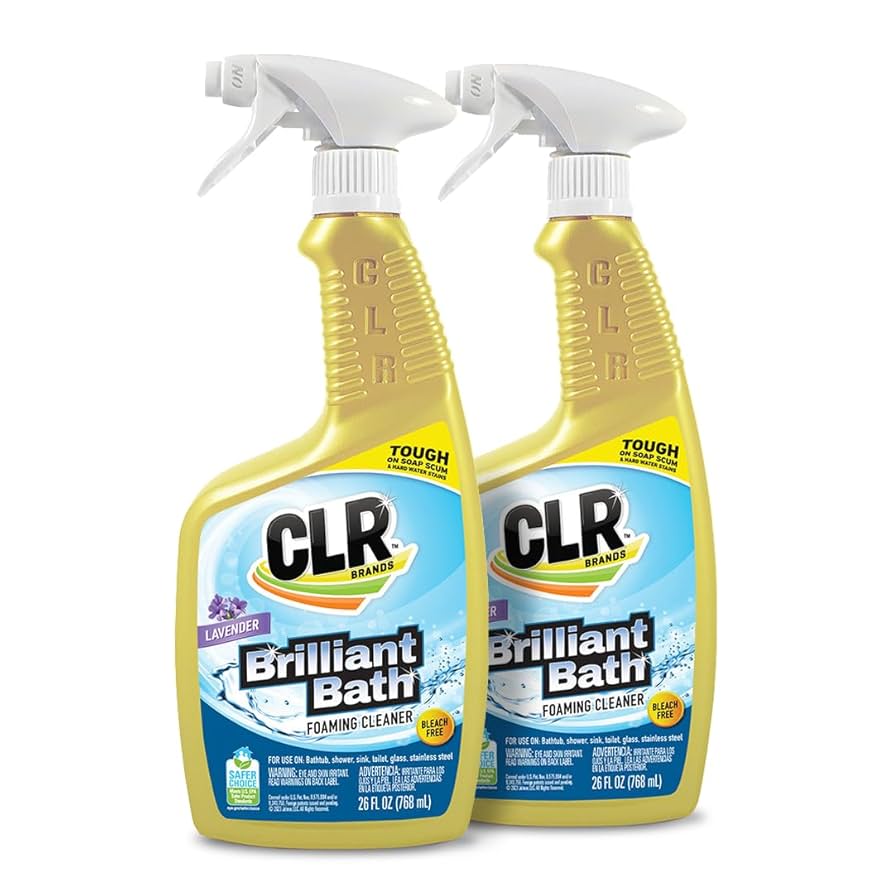
Have you ever wondered what makes CLR Bath and Kitchen Cleaner so effective at tackling tough stains and grime? If you want to know exactly what’s inside this popular cleaner and how it works on your surfaces, you’re in the right place.
Understanding what’s in the bottle can help you use it better and keep your home sparkling clean without any guesswork. Keep reading to discover the powerful ingredients behind CLR and why it’s trusted by so many for bathroom and kitchen cleaning.
Key Ingredients In Clr Cleaner
CLR Bath and Kitchen Cleaner contains powerful ingredients that remove tough stains. These key components work together to dissolve calcium, lime, and rust. Each ingredient targets specific deposits often found in bathrooms and kitchens. Understanding these ingredients helps explain why CLR is so effective.
Calcium Dissolvers
Calcium deposits form from hard water. CLR uses acids to break these down quickly. These acids react with calcium to turn it into a soluble form. This process removes white, chalky buildup on surfaces.
Lime Removers
Lime scale is a hard mineral layer left by evaporated water. CLR contains ingredients that dissolve lime scale easily. These agents attack the minerals and wash them away without scrubbing. They help restore shine to taps and tiles.
Rust Eliminators
Rust stains come from iron in water or metal. CLR has special ingredients that bind with rust particles. This breaks rust stains apart and lifts them from surfaces. It clears orange or brown marks on sinks and tubs.
Credit: www.walmart.ca
Role Of Surfactants
Surfactants play a key role in the cleaning power of CLR Bath and Kitchen Cleaner. They help remove dirt, grease, and stains from surfaces effectively. Surfactants lower the surface tension of water, allowing it to spread and penetrate grime easily. This makes cleaning faster and more efficient.
How Surfactants Work
Surfactants have two parts: a water-attracting head and an oil-attracting tail. The tail binds to grease and dirt. The head stays in the water. This forms tiny clusters called micelles, which trap dirt and lift it away.
As surfactants surround and break up grime, they make it easier to rinse off. This action helps CLR clean tough spots in bathrooms and kitchens without harsh scrubbing.
Types Used In Clr
- Nonionic surfactants: These do not carry an electric charge. They work well on oily stains and are gentle on surfaces.
- Anionic surfactants: These carry a negative charge. They are strong cleaners and help remove tough dirt and soap scum.
- Amphoteric surfactants: These can carry both positive and negative charges. They help improve foam and reduce irritation.
CLR combines these surfactants to balance cleaning power and surface safety. This mix ensures effective removal of calcium, lime, and rust without damaging sinks, tiles, or fixtures.
Additional Components
Besides the main cleaning agents, CLR Bath and Kitchen Cleaner contains other important ingredients. These additional components enhance the product’s performance and user experience. They help maintain the product’s stability and improve its scent and appearance.
Fragrances And Dyes
Fragrances give the cleaner a fresh, pleasant smell. This makes cleaning less harsh on the nose. The scents often mask the strong chemical odor of the active ingredients.
Dyes add color to the liquid. They help customers recognize the product easily. These colors do not affect cleaning power but improve the product’s appeal.
Preservatives And Stabilizers
Preservatives keep the cleaner safe from bacteria and mold. They extend the product’s shelf life. Without preservatives, the cleaner might spoil quickly.
Stabilizers ensure the ingredients stay mixed well. They prevent the active components from separating. This keeps the cleaner effective and consistent during use.
Credit: www.ebay.com
Safety And Environmental Impact
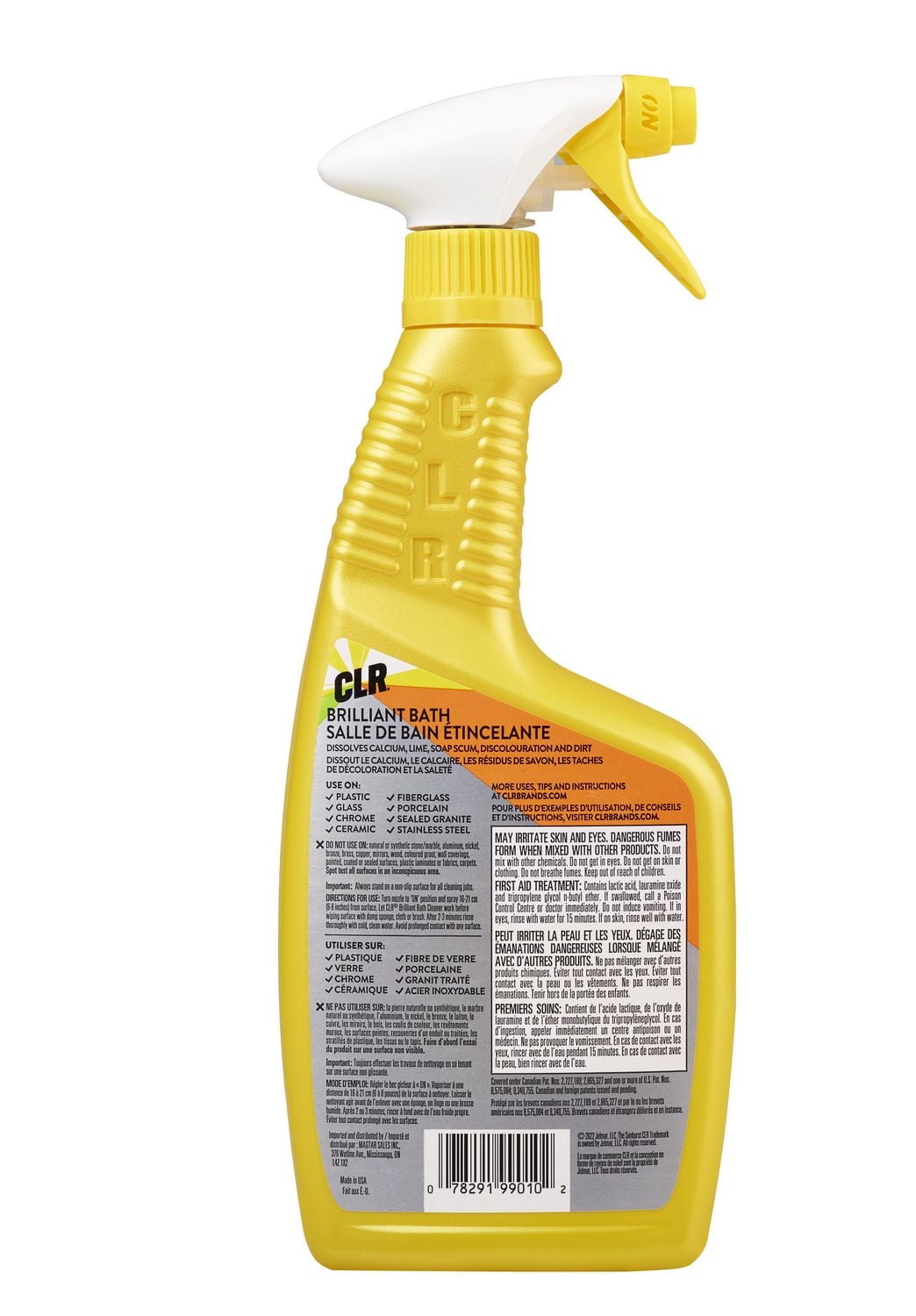
CLR Bath and Kitchen Cleaner contains acids that break down tough stains but can irritate skin and eyes. Proper use and ventilation reduce health risks and environmental harm. Always follow label instructions to stay safe and protect the environment.
The safety and environmental impact of cleaning products are important concerns. CLR Bath and Kitchen Cleaner is a popular choice for many households. It's known for its effective cleaning power. Yet, understanding its safety and environmental footprint is essential.
Handling Precautions
Users must handle CLR Bath and Kitchen Cleaner with care. Always wear gloves to protect your skin. Avoid direct contact with eyes and skin. Keep the area well-ventilated during use. Store it out of reach of children and pets. Proper handling ensures safe usage.
Eco-friendly Considerations
CLR Bath and Kitchen Cleaner aims to be environmentally friendly. It contains biodegradable ingredients. This reduces the impact on water sources. The product is phosphate-free. This helps protect aquatic life. Choosing eco-friendly cleaners supports a healthier planet.
How Ingredients Affect Cleaning Power
The ingredients in CLR Bath and Kitchen Cleaner shape how well it cleans. Each component plays a role in tackling grime and stains. Understanding these ingredients helps explain the cleaner’s strong performance.
Ingredients work by breaking down dirt and minerals. They also protect surfaces from damage. The balance of chemicals ensures safe use on many materials. This mix creates a powerful yet gentle cleaner.
Breaking Down Stubborn Stains
CLR contains acids that dissolve hard water stains and soap scum. These acids attack the minerals causing spots and residue. Surfactants lift grease and dirt from surfaces. Together, they make tough stains easier to wipe away.
Enzymes in the formula target organic stains like mildew and mold. They break down these stains at a molecular level. This action speeds up cleaning and reduces scrubbing effort.
Effectiveness On Different Surfaces
The ingredients are designed to clean without harming materials like porcelain, glass, and stainless steel. Mild acids remove buildup but do not etch or dull surfaces. Surfactants help spread the cleaner evenly for thorough coverage.
CLR also avoids harsh abrasives, making it safe for delicate finishes. The formula’s pH balance protects surfaces while maintaining cleaning strength. This makes it a versatile product for various bathroom and kitchen areas.

Credit: www.amazon.com
Frequently Asked Questions
What Ingredients Are In Clr Bath And Kitchen Cleaner?
CLR Bath and Kitchen Cleaner contains lactic acid, water, and surfactants. These ingredients effectively remove soap scum, hard water stains, and mineral deposits from surfaces.
Is Clr Bath And Kitchen Cleaner Safe For All Surfaces?
Yes, CLR is safe for most bathroom and kitchen surfaces like ceramic, porcelain, stainless steel, and glass. Avoid using on natural stone or waxed surfaces to prevent damage.
How Does Clr Remove Hard Water Stains And Soap Scum?
The lactic acid in CLR breaks down calcium, lime, and rust deposits. Surfactants help lift and dissolve soap scum for easy cleaning and rinsing.
Can Clr Bath And Kitchen Cleaner Be Used Regularly?
Yes, CLR is designed for regular use. It quickly cleans buildup without harsh abrasives, maintaining the shine and cleanliness of your bathroom and kitchen surfaces.
Conclusion
Clr Bath and Kitchen Cleaner contains ingredients that clean tough stains well. It uses acids and surfactants to remove soap scum and hard water marks. These ingredients work quickly to make surfaces shine. Always use it carefully and follow the instructions.
Knowing what is inside helps you choose the right cleaner safely. This cleaner suits many bathroom and kitchen surfaces. It keeps your space fresh and clean without much effort. Understanding its contents makes cleaning smarter and easier.