
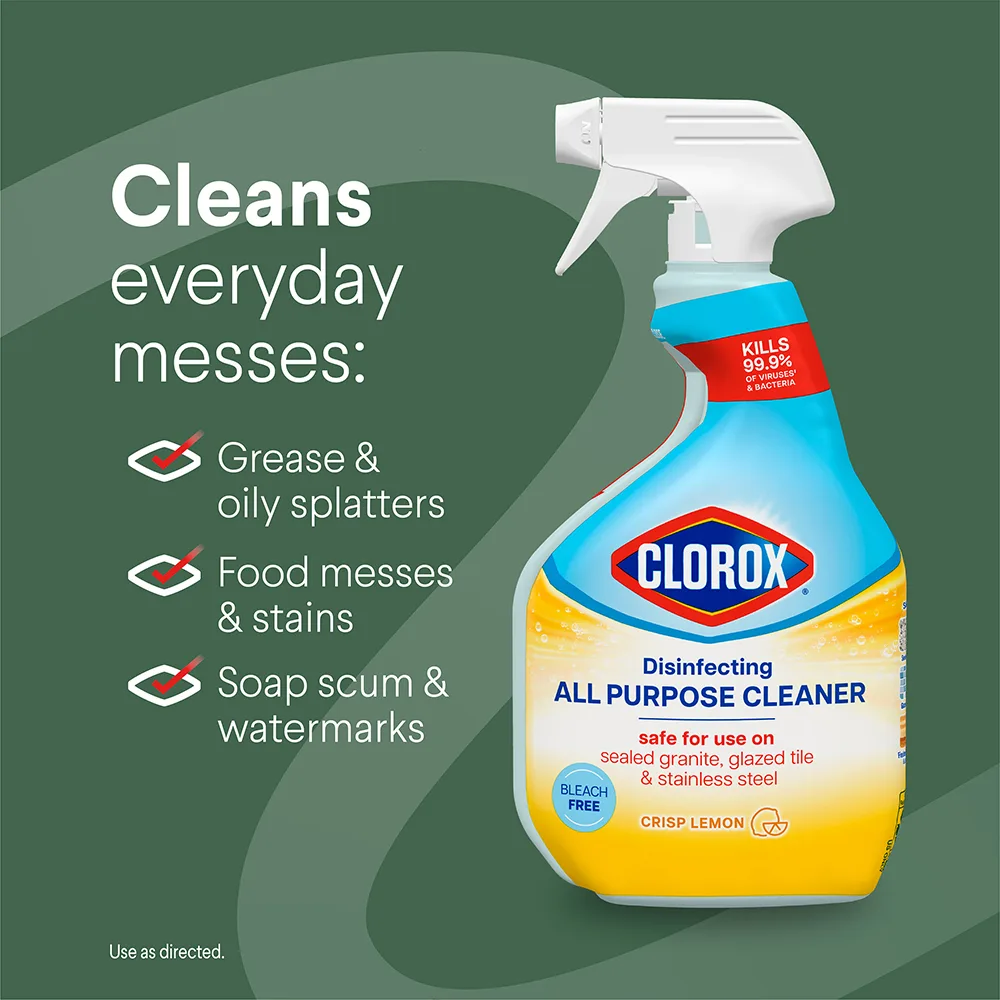
Are you wondering if you can use Clorox Bathroom Cleaner in your kitchen? It’s a common question because you want to keep every corner of your home spotless and safe.
But before you grab that bottle and start scrubbing your countertops, it’s important to know if it’s the right choice for your kitchen surfaces. Using the wrong cleaner can damage your counters or leave harmful residues behind. Keep reading to find out if Clorox Bathroom Cleaner is safe for your kitchen and how to clean effectively without risking your health or your home.
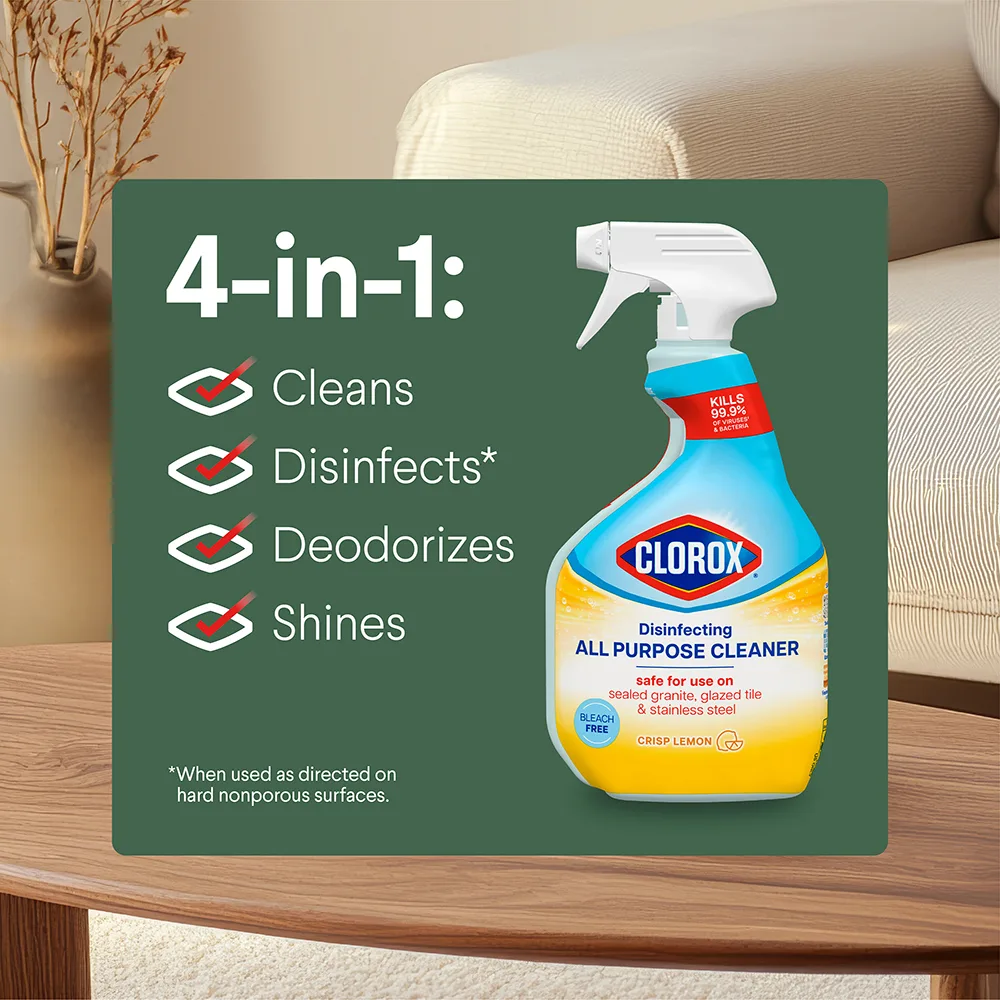
Credit: www.clorox.com
Clorox Bathroom Cleaner Ingredients
Understanding the ingredients in Clorox Bathroom Cleaner is key before deciding to use it in your kitchen. The formula is designed specifically for bathroom grime and germs, but what exactly is inside it? Knowing the components can help you weigh the benefits and risks for kitchen use.
Active Ingredients In Clorox Bathroom Cleaner
The main active ingredients usually include:
- Sodium Hypochlorite:A powerful bleach agent that kills germs and removes tough stains.
- Surfactants:These help break down dirt and grease, making cleaning more effective.
- pH Adjusters:They keep the formula stable and effective by balancing acidity or alkalinity.
These ingredients work together to tackle bathroom-specific messes, like soap scum and mold.
Additional Chemicals And Fragrances
Besides the active components, Clorox Bathroom Cleaner contains various additives:
- Fragrances:Added to give a fresh scent, but these can sometimes cause irritation or allergic reactions.
- Thickeners:They make the product gel-like for better cling on vertical surfaces.
- Preservatives:To maintain shelf life and prevent bacterial growth inside the bottle.
These extras are great for bathroom cleaning but might not be ideal for kitchen surfaces that come into contact with food.
Why Ingredient Knowledge Matters For Kitchen Use
Have you ever wondered if the strong bleach in bathroom cleaners is safe around food prep areas? The ingredients can be harsh, and residues might linger. You want to avoid contaminating your kitchen with chemicals that aren't food-safe.
Choosing a cleaner with ingredients meant for kitchen use helps protect your health and keeps your cooking space truly clean. So, before grabbing that Clorox Bathroom Cleaner for your countertops, think about what’s inside and whether it fits your kitchen’s needs.
Suitability For Kitchen Surfaces
Choosing the right cleaner for kitchen surfaces is important. Not all bathroom cleaners suit kitchen use. Checking the product’s suitability helps avoid damage and health risks. Clorox Bathroom Cleaner is strong and designed for bathroom grime. Understanding its effects on kitchen surfaces ensures safe use.
Countertops And Cabinets
Countertops and cabinets need gentle cleaning. Clorox Bathroom Cleaner may be too harsh for some materials. It can dull or damage wood, laminate, and certain stones. Use cleaners made for kitchen surfaces to keep them safe. Test a small hidden area before full use.
Appliances And Fixtures
Appliances and fixtures often have sensitive finishes. Clorox Bathroom Cleaner may harm stainless steel, chrome, or painted surfaces. It can cause discoloration or corrosion. Choose mild cleaners designed for kitchen appliances. Wipe with a damp cloth after cleaning to remove residue.
Food Contact Areas
Food contact areas require extra caution. Clorox Bathroom Cleaner contains chemicals not safe for direct food contact. Residue left behind can cause contamination. Use food-safe cleaners on cutting boards, sinks, and counters. Always rinse surfaces thoroughly with water after cleaning.
Health And Safety Concerns
Using Clorox Bathroom Cleaner in the kitchen may seem convenient, but it raises important health and safety concerns you should never overlook. Your kitchen is where food is prepared, so any cleaning product used here must be safe and appropriate. Understanding the risks can help you protect yourself and your family from harmful exposure and contamination.
Chemical Exposure Risks
Bathroom cleaners often contain strong chemicals designed to tackle tough grime and mold. These chemicals can be harsh and may leave residues that are unsafe around food. If you use Clorox Bathroom Cleaner on kitchen surfaces, you risk ingesting harmful substances, which can cause irritation or worse.
Have you ever smelled a sharp chemical odor after cleaning? That smell is a sign of volatile compounds in the air, which you breathe in. Repeated exposure can lead to headaches, dizziness, or respiratory problems. Always check product labels for food-safe certifications before applying any cleaner in your kitchen.
Proper Ventilation
Cleaning with strong chemicals requires good airflow to reduce inhaling fumes. Open windows or use exhaust fans while cleaning to help clear the air quickly. Even if a product is labeled safe, poor ventilation can increase your risk of respiratory irritation.
Think about your last cleaning session—did you leave the kitchen door closed? If yes, you might have trapped harmful fumes inside. Make it a habit to ventilate the area well, especially when using products with bleach or ammonia.
Avoiding Cross-contamination
Using bathroom cleaner in the kitchen can lead to cross-contamination if residues transfer onto food or utensils. Bathroom cleaners aren’t formulated for food contact surfaces, so even a tiny amount left behind can be dangerous. Always use products specifically designed for kitchen use to keep your food prep areas safe.
Consider this: if you clean your countertops with a bathroom cleaner and then place vegetables directly on them, those veggies might pick up harmful chemicals. To avoid this, clean kitchen surfaces with food-safe products and rinse thoroughly to remove any leftover cleaner.

Credit: www.amazon.ae
Alternative Kitchen Cleaners
Choosing the right cleaner is crucial for kitchen hygiene. While Clorox Bathroom Cleaner is effective for bathrooms, it's not ideal for kitchens. The ingredients are designed for bathroom surfaces and may not be safe for food prep areas. It's important to explore alternative kitchen cleaners that ensure safety and cleanliness.
Natural Cleaning Options
Natural cleaners are safe and effective for kitchens. They are eco-friendly and non-toxic. Some popular natural options include:
- Vinegar:A great disinfectant and deodorizer. Mix with water for cleaning surfaces.
- Baking Soda:Perfect for scrubbing and removing stains. Use it on countertops.
- Lemon Juice:Acts as a natural bleach. It's great for cutting through grease.
Commercial Kitchen Cleaners
Commercial cleaners are designed for kitchen use. They are tested for safety around food. Some reliable brands include:
- Mrs. Meyer's Clean Day:Made with essential oils, it's gentle yet effective.
- Method Kitchen Cleaner:Plant-based and tough on grease, safe for surfaces.
- Seventh Generation:Known for non-toxic ingredients, it cleans without harsh chemicals.
Best Practices For Using Clorox Bathroom Cleaner
Using Clorox Bathroom Cleaner safely ensures a clean and healthy space. Understanding the best practices helps protect surfaces and your health. Proper use avoids damage and keeps your kitchen safe.
Dilution Guidelines
Follow the label instructions for dilution. Some surfaces need the cleaner to be diluted with water. Avoid using full strength on delicate surfaces. Dilution helps prevent damage and keeps cleaning effective.
Application Methods
- Spray the cleaner evenly on the surface.
- Use a soft cloth or sponge to spread the cleaner.
- Allow the cleaner to sit for a few minutes to work well.
- Do not scrub too hard to avoid surface damage.
Post-cleaning Rinsing
Rinse surfaces with clean water after cleaning. This removes any leftover chemicals. Rinsing prevents harm to food or skin. Dry the area with a clean towel to avoid streaks.
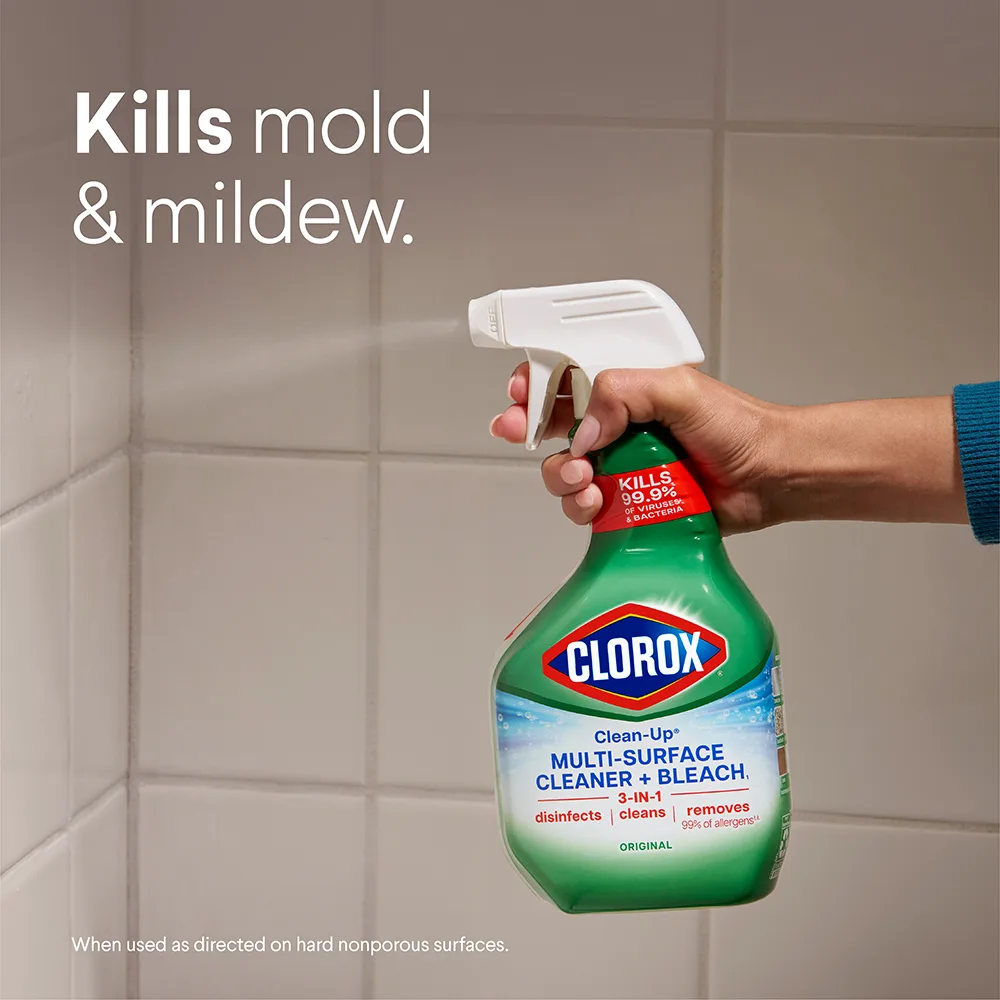
Credit: www.clorox.com
Frequently Asked Questions
Can Clorox Bathroom Cleaner Be Used On Kitchen Surfaces?
Clorox Bathroom Cleaner is formulated for bathroom grime, not kitchen use. It may contain harsh chemicals unsafe for food areas. Always use kitchen-approved cleaners to ensure safety and effectiveness on kitchen surfaces.
Is Clorox Bathroom Cleaner Safe For Kitchen Countertops?
Clorox Bathroom Cleaner is not recommended for kitchen countertops. It might damage certain materials and leave harmful residues. Choose cleaners specifically labeled safe for kitchen countertops to avoid damage and health risks.
Can Clorox Bathroom Cleaner Disinfect Kitchen Areas?
While Clorox Bathroom Cleaner kills many germs, it’s designed for bathrooms. For kitchen disinfection, use EPA-approved kitchen disinfectants to ensure food safety and proper sanitation.
What Are The Risks Of Using Bathroom Cleaner In Kitchens?
Using bathroom cleaner in kitchens risks chemical contamination and surface damage. It may leave toxic residues unsafe for food contact areas. Always use products intended for kitchen cleaning to protect health.
Conclusion
Clorox Bathroom Cleaner works well for tough bathroom grime. Still, its strong chemicals may not suit kitchen surfaces. Kitchens need cleaners safe for food areas. Always read product labels before use. Use kitchen cleaners designed for counters and sinks. Keep your kitchen safe and clean every day.
Choose the right cleaner for each room. This keeps your home healthy and fresh. Simple steps make cleaning easier and safer.