
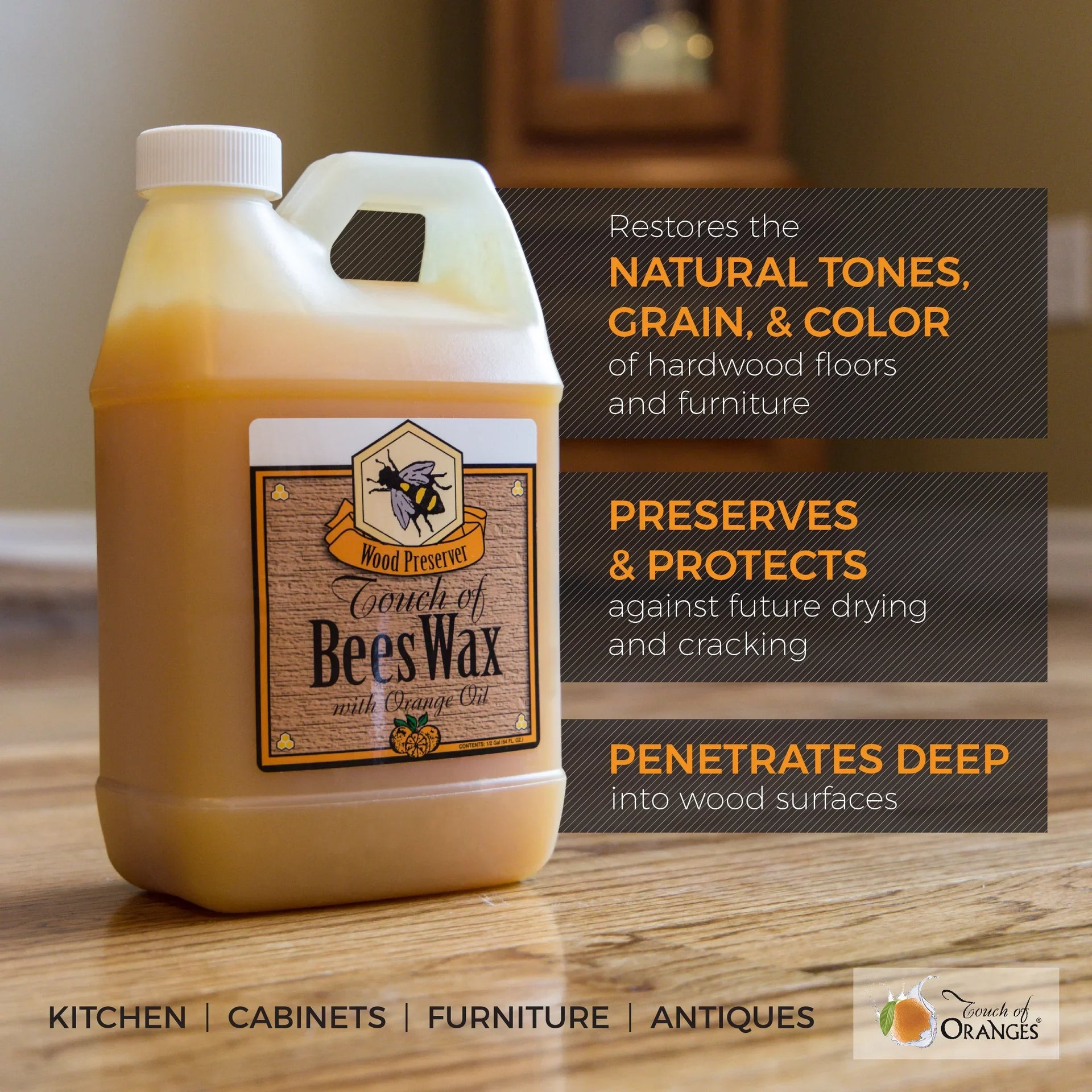
Are your kitchen cabinets looking dull or sticky? You might be wondering if there's a natural, simple way to clean and shine them without harsh chemicals.
Beeswax could be the secret solution you’ve been missing. But is beeswax really good for cleaning kitchen cabinets? You’ll discover how beeswax works, why it might be perfect for your cabinets, and some easy tips to get started. Keep reading to find out how you can bring back that fresh, polished look to your kitchen with something as natural as beeswax.
Benefits Of Beeswax For Cabinets
Beeswax offers several benefits when used on kitchen cabinets. It not only cleans but also protects and enhances the wood’s natural beauty. You might be surprised at how such a simple, natural product can make your cabinets look fresh and well-maintained.
Natural Protective Layer
Beeswax creates a thin, natural barrier on your cabinet surfaces. This layer helps protect the wood from moisture, spills, and minor scratches. Unlike synthetic coatings, beeswax breathes with the wood, preventing damage caused by trapped moisture.
Enhances Wood Shine
Applying beeswax adds a soft, warm glow to your cabinets. It deepens the wood’s color and highlights the grain, making your kitchen feel more inviting. If you want your cabinets to look polished without harsh chemicals, beeswax is a great choice.
Repels Dust And Dirt
Beeswax makes your cabinets less prone to collecting dust and grime. The waxy surface repels dirt, so cleaning becomes easier and less frequent. Have you noticed how some surfaces stay cleaner longer? Beeswax helps achieve that effect naturally.
How Beeswax Cleans Cabinets
Beeswax cleans kitchen cabinets by combining gentle cleaning with natural polishing. It softly lifts dirt without scratching wood surfaces. The wax forms a thin barrier that protects the cabinets from moisture and stains.
Using beeswax keeps cabinets looking fresh and shiny without harsh chemicals. It nourishes the wood and helps maintain its natural color. This makes beeswax a smart choice for regular cabinet care.
Removing Stains Gently
Beeswax removes stains by softening grime and dirt on cabinet surfaces. It does not use strong abrasives that can damage wood. Instead, it works with the wood’s natural oils to break down marks.
Apply a small amount of beeswax to the stained area. Rub it gently with a soft cloth in circular motions. The wax lifts the stain while keeping the wood smooth and intact.
Polishing Without Harsh Chemicals
Beeswax polishes cabinets naturally and safely. It leaves a smooth, glossy finish without toxic residues. This protects the wood and enhances its beauty.
The wax fills tiny scratches and imperfections, making cabinets look new. It also adds a water-resistant layer that prevents future damage. Regular use keeps cabinets clean and well-maintained.
Application Tips For Best Results
Applying beeswax to your kitchen cabinets can bring out their natural beauty and protect the wood, but the key lies in how you apply it. The right preparation and technique ensure that the wax soaks in evenly and lasts longer. Let’s look at how you can get the best results with simple, practical steps.
Preparing The Cabinet Surface
Start with clean cabinets. Remove any grease, dirt, or old polish using a mild soap and warm water solution. Avoid harsh chemicals that might strip the wood’s natural oils.
After washing, let the cabinets dry completely. If the wood feels rough or has old, flaky finish, gently sand it with fine-grit sandpaper to create a smooth surface. This helps the beeswax adhere better and prevents patchiness.
Have you noticed how a clean, smooth surface instantly looks brighter? That’s the perfect canvas for your beeswax application.
Proper Beeswax Application Techniques
Use a soft, lint-free cloth or a natural bristle brush to apply beeswax. Warm the wax slightly by rubbing it in your hands to soften it, which makes spreading easier.
- Apply a thin, even layer using circular motions to work the wax into the wood grain.
- Don’t over-apply; too much wax creates a sticky finish that attracts dust.
- Allow the wax to sit for about 10-15 minutes to soak in.
Once dry, buff the surface with a clean cloth to bring out a soft sheen. This step is crucial for a smooth, polished look.
Think about how a little elbow grease during buffing transforms a dull cabinet into a glowing centerpiece—don’t rush this part!
Frequency Of Use
How often you apply beeswax depends on your kitchen’s environment and usage. In a busy kitchen, applying beeswax every 3-6 months keeps cabinets protected and looking fresh.
If your cabinets are in a less-used area, once or twice a year might be enough. Pay attention to signs like dullness or dryness on the wood surface as cues to reapply.
Remember, too frequent application can lead to buildup, so balance is key. Have you checked your cabinets lately to see if they need a refresh?

Credit: www.amazon.com
Comparing Beeswax With Other Cleaners
Beeswax gently cleans and protects kitchen cabinets without harsh chemicals. Unlike some cleaners, it leaves a natural shine and helps preserve wood. It’s a simple, safe choice for regular cabinet care.
Comparing Beeswax with Other Cleaners When cleaning kitchen cabinets, the choice of cleaner can greatly impact both the effectiveness and long-term maintenance of your surfaces. Beeswax is often praised for its natural origins and gentle care, but how does it stack up against other cleaners? Let's dive into the details and see what makes beeswax a compelling choice.
Chemical Cleaners Vs. Beeswax
Chemical cleaners are known for their strong cleaning power, tackling tough grease and grime with ease. However, they can be harsh on surfaces, potentially damaging finishes or causing discoloration over time. Beeswax, on the other hand, is gentle and nourishing. It not only cleans but also conditions wood surfaces, bringing out a rich, natural shine. This makes it an ideal option if you're looking to maintain the integrity of your cabinets while keeping them clean.
Cost And Environmental Impact
Chemical cleaners often come with a hefty price tag, especially those marketed as premium products. Additionally, their ingredients can be harmful to the environment, contributing to pollution and waste. Beeswax presents a more eco-friendly alternative. It is biodegradable and generally less expensive, especially if you buy it in bulk or make your own cleaner at home. Plus, using beeswax supports sustainable practices, as bees play a crucial role in our ecosystem. Have you ever considered the long-term effects of your cleaning choices on both your home and the environment? Opting for beeswax could be a step towards a more sustainable lifestyle while keeping your kitchen cabinets looking their best.
Potential Drawbacks To Consider
Beeswax is often praised for its natural shine and protective qualities on kitchen cabinets, but it’s important to consider some potential drawbacks before you apply it. Not every kitchen cabinet or household is a perfect match for beeswax, and knowing these limitations can save you time and effort. Let’s look at some key points that might affect your decision.
Not Suitable For All Cabinet Finishes
Beeswax works best on unfinished or raw wood surfaces. If your cabinets have a glossy or painted finish, beeswax might not adhere properly or could leave a sticky residue.
Applying beeswax on laminate or sealed surfaces can cause uneven patches or attract dust and dirt. You might end up with a dull or blotchy look instead of the smooth, polished effect you want.
Have you checked the type of finish on your cabinets before applying any product? Testing beeswax on a small hidden spot first can save you from a cleaning headache later.
Allergy And Sensitivity Concerns
While beeswax is natural, some people can be sensitive or allergic to it. This is especially true if you or someone in your household has bee-related allergies.
Using beeswax in a kitchen where food is prepared means you should be cautious about skin contact. Allergic reactions can range from mild irritation to more serious symptoms.
Consider who uses your kitchen daily. If you notice any redness, itching, or discomfort after handling beeswax-treated surfaces, it might be best to choose a different cleaning product.
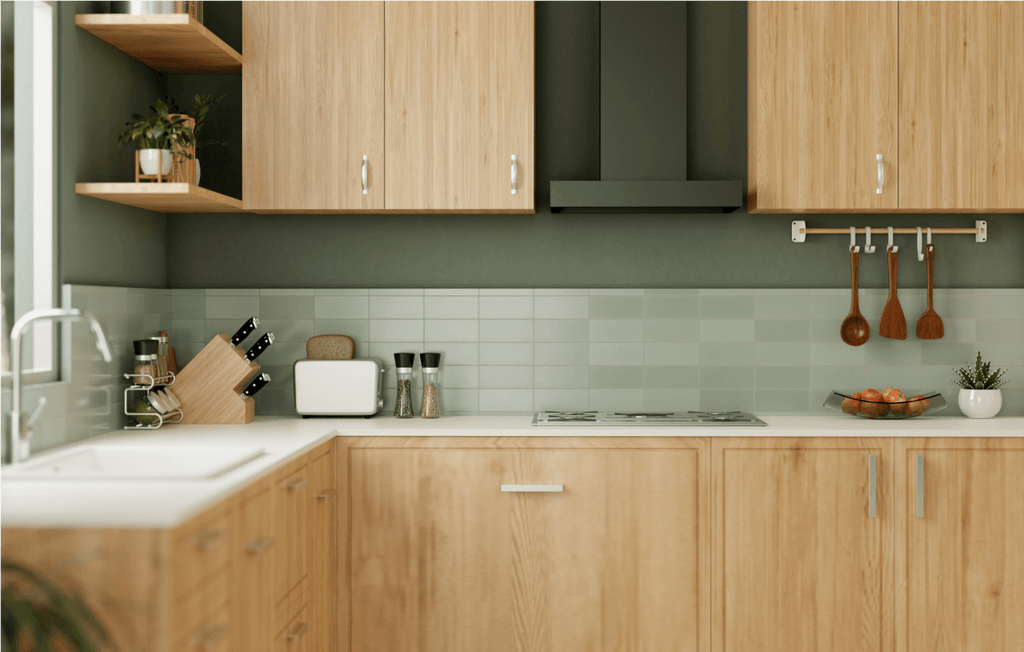
Credit: branchbasics.com
Diy Beeswax Cleaning Recipes
DIY beeswax cleaning recipes offer a natural, effective way to keep your kitchen cabinets looking their best. Beeswax not only cleans but also nourishes wood, protecting it from drying out and giving it a subtle shine. Creating your own mixture lets you control the ingredients, avoiding harsh chemicals and tailoring the scent to your liking.
Simple Beeswax Mixture
Start with pure beeswax and a carrier oil like olive or coconut oil. Melt about 1 part beeswax to 4 parts oil gently over low heat until fully combined. Let it cool slightly, then transfer to a container for easy use.
Apply a small amount to a soft cloth and rub gently onto cabinet surfaces. This mixture cleans grime and leaves a protective layer that repels dust and moisture. Have you noticed how commercial cleaners sometimes leave cabinets dry or sticky? This DIY option avoids that problem entirely.
Adding Essential Oils For Fragrance
Essential oils not only add a pleasant scent but can boost the cleaning power of your beeswax mixture. Add 10-15 drops of oils like lemon, tea tree, or lavender while the wax is still warm but not hot. Stir well to blend the fragrance evenly.
This simple addition makes your kitchen smell fresh and inviting after every cleaning. Plus, certain oils have natural antibacterial properties, which can enhance your cabinet’s hygiene. What scent would make your kitchen feel more like home?

Credit: www.thegreencompany.online
Frequently Asked Questions
Is Beeswax Safe For Kitchen Cabinet Surfaces?
Yes, beeswax is safe for most kitchen cabinet materials. It naturally conditions and protects wood without harmful chemicals. Avoid use on painted or varnished surfaces as it may cause buildup or discoloration.
How Does Beeswax Clean Kitchen Cabinets?
Beeswax gently removes dirt and grime while nourishing wood. It creates a protective layer that repels dust and moisture, keeping cabinets cleaner longer. Regular use enhances wood’s natural shine and durability.
Can Beeswax Replace Commercial Cabinet Cleaners?
Beeswax can be a natural alternative to harsh cleaners for wood cabinets. It cleans, polishes, and protects without toxic ingredients. However, it may not remove heavy grease or sticky residues as effectively as specialized cleaners.
How Often Should I Apply Beeswax On Cabinets?
Apply beeswax every 3 to 6 months for optimal protection. Frequent application maintains wood moisture and gloss. Overuse can cause buildup, so clean surfaces before each application for best results.
Conclusion
Beeswax can help clean and protect kitchen cabinets well. It removes dirt gently and adds a nice shine. The natural ingredients make it safe for your home. Using beeswax regularly keeps wood looking fresh and healthy. It also helps stop cracks and dryness.
Cleaning with beeswax saves money and avoids harsh chemicals. Give it a try for a natural kitchen shine. Your cabinets will thank you. Simple, safe, and effective—beeswax works.