
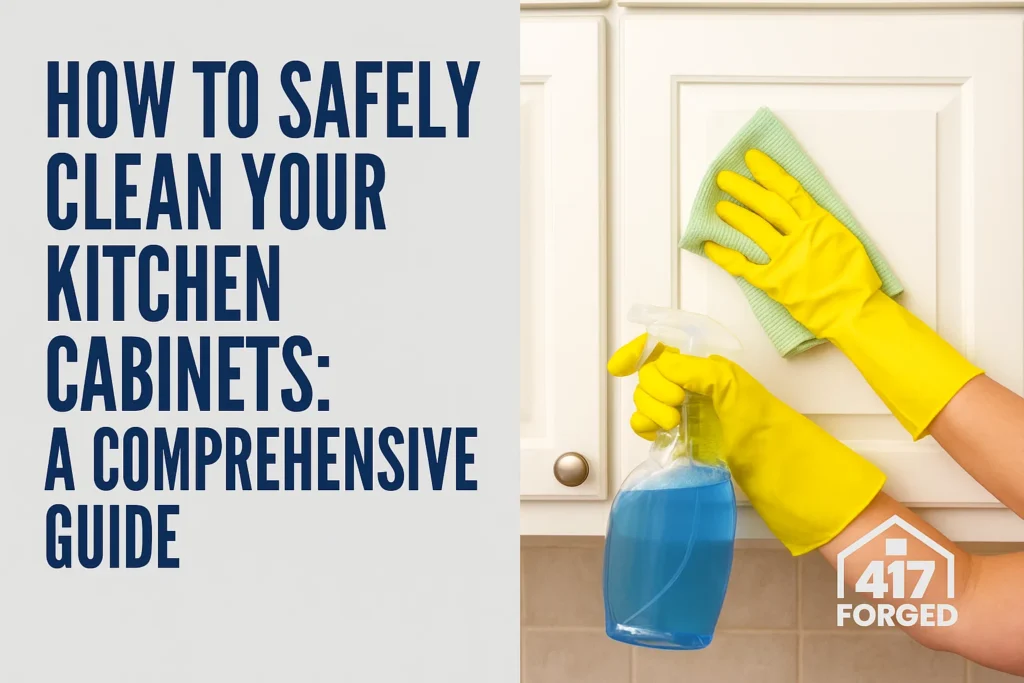
Have you ever stopped to think about what a clean kitchen really means for you and your family? Your kitchen is more than just a place to cook—it’s where memories are made, meals are shared, and your health is at stake.
Ignoring this space can lead to hidden dangers you might not even realize. But when you keep your kitchen clean, you’re not just making it look nice—you’re protecting yourself, your loved ones, and even saving time and money. Curious to find out why cleaning your kitchen is so important and how it impacts your daily life?
Keep reading, because what you learn here could change the way you care for your home forever.
Health Risks Of A Dirty Kitchen
A dirty kitchen isn’t just an eyesore—it’s a hotspot for health hazards that can affect you and your loved ones. Understanding the health risks tied to an unclean kitchen might change how you approach your daily cleaning routine. Are you aware of what could be lurking on your countertops or in your sink?
Bacterial Growth And Contamination
Bacteria thrive in warm, moist environments, making your kitchen a perfect breeding ground if not cleaned regularly. Leftover food scraps and spills provide fuel for harmful bacteria like Salmonella and E. coli. These bacteria can easily spread to utensils, cutting boards, and even your hands, increasing the risk of contamination.
Imagine preparing a meal on a surface that hasn’t been wiped down after raw chicken was handled there. The bacteria can transfer directly to your food, putting you at risk without you even realizing it.
Foodborne Illnesses
Dirty kitchens significantly raise the chances of foodborne illnesses, which can cause symptoms ranging from mild stomach upset to severe conditions requiring hospitalization. Cross-contamination is a common culprit, often happening when raw and cooked foods share the same surfaces or tools.
Have you ever felt unsure whether your leftovers were stored properly or if your fridge is clean enough? Neglecting these areas can allow pathogens to multiply, making your meals unsafe to eat.
Allergens And Respiratory Issues
Dust, mold, and food particles that accumulate in an unclean kitchen can trigger allergies and respiratory problems. Mold can grow in damp corners or inside the fridge, releasing spores that irritate your lungs and worsen asthma symptoms.
Even small amounts of dust or crumbs can attract pests, which bring their own allergens and bacteria into your home. Keeping your kitchen clean reduces these irritants and helps maintain better indoor air quality for you and your family.
Credit: creators.yahoo.com
Safety Hazards In An Untidy Kitchen
An untidy kitchen can hide many safety risks. Dirt, grease, and clutter create dangers that may harm you or your family. Keeping the kitchen clean stops accidents and health problems. Understanding these risks helps you keep your kitchen safe.
Fire Risks From Grease And Clutter
Grease builds up on stoves and hoods. It can catch fire easily. Clutter near heat sources adds fuel to flames. Paper towels, cloths, or plastic items can start burning fast. A small spark or heat can cause a big fire. Regular cleaning removes grease and keeps surfaces clear.
Slips, Trips, And Falls
Spilled liquids or dropped food make floors slippery. Loose rugs or clutter block walking paths. These lead to slips or trips, causing injuries. Wet floors need quick cleaning. Keeping the floor clear helps everyone move safely. A tidy kitchen lowers fall risks significantly.
Cross-contamination Dangers
Dirty surfaces spread bacteria and germs. Raw meat juices can touch other foods. This causes cross-contamination and food poisoning. Unwashed utensils and cutting boards also spread germs. Cleaning counters and tools after use stops bacteria from spreading. Safe food handling starts with a clean kitchen.
Benefits Of Regular Kitchen Cleaning
Keeping the kitchen clean is more than just a chore. It brings many benefits that affect health, food, and daily tasks. A tidy kitchen creates a safe space where cooking and eating become pleasant and healthy activities.
Preventing Disease Spread
A clean kitchen stops germs from spreading. Bacteria and viruses thrive on dirty surfaces. Regular cleaning removes these harmful germs. This lowers the risk of foodborne illnesses. Washing hands, counters, and utensils keeps everyone safer.
Maintaining Food Quality
Clean kitchens help keep food fresh and tasty. Dirt and leftover food can spoil meals quickly. Proper cleaning prevents contamination and bad smells. It also stops pests from invading. Food stored in a clean place lasts longer and stays healthy to eat.
Enhancing Kitchen Efficiency
Organized and clean kitchens improve cooking speed. Finding tools and ingredients becomes easier. Less clutter means fewer distractions and mistakes. A tidy space makes cooking more enjoyable. Cleaning regularly saves time during meal preparation and cleanup.
Effective Kitchen Cleaning Practices
A clean kitchen stops germs and keeps food safe to eat. Regular cleaning also helps prevent pests and bad smells. It creates a healthier space for cooking and eating.
Keeping your kitchen clean isn't just about appearances—it's about creating a safe and healthy environment for you and your family. An organized and sanitized kitchen can enhance your cooking experience, reduce stress, and even prevent foodborne illnesses. Let’s explore effective kitchen cleaning practices that will keep your kitchen spotless and your mind at ease.
Daily Cleaning Tasks
Daily cleaning tasks are your frontline defense against grime and bacteria. Wipe down countertops and stovetops immediately after use to prevent spills from becoming stubborn stains. Make it a habit to clean the sink and faucet every night to keep germs at bay. Don’t forget to sweep or vacuum the floor to catch crumbs that might attract pests.
Deep Cleaning Techniques
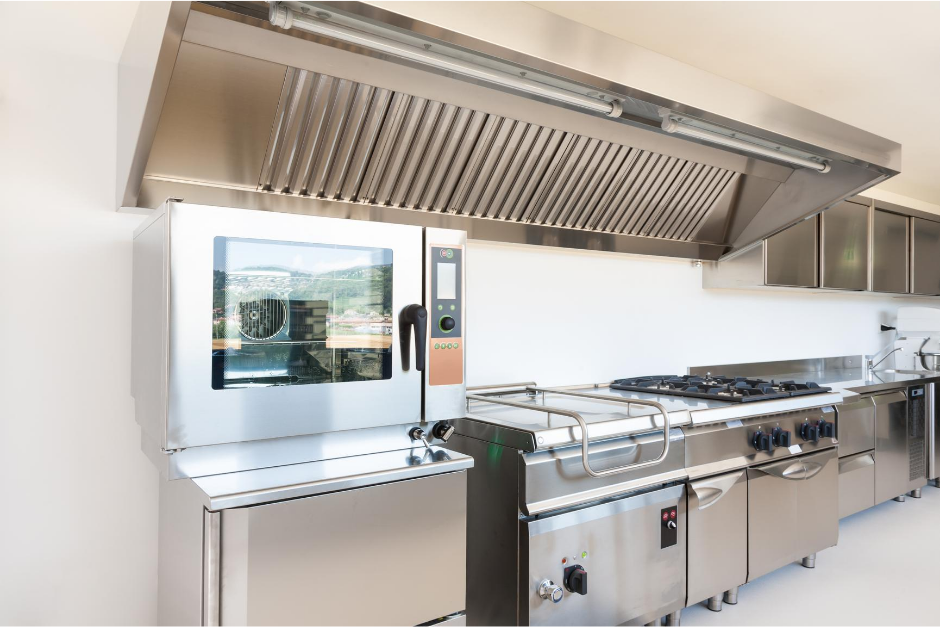
Deep cleaning goes beyond the surface to tackle hidden dirt and grease. Once a week, dedicate time to clean appliances like your microwave and refrigerator. Remove all items and wipe down shelves and walls with a mild detergent. Use baking soda and water to scrub off tough stains. Ask yourself, when was the last time you cleaned the kitchen exhaust fan? It's a task often forgotten but crucial in maintaining air quality.
Proper Use Of Cleaning Products
Understanding how to use cleaning products effectively can save you time and effort. Always read the labels to ensure you’re using the right product for the right surface. For eco-friendly solutions, consider vinegar and lemon juice, which work wonders on stainless steel and glass. Remember, more product doesn’t mean better results—apply sparingly and let the solution work its magic.
Tips For Keeping A Safe Kitchen Environment
Keeping a safe kitchen environment is vital for health and comfort. Cleanliness prevents accidents and stops germs from spreading. Simple habits make the kitchen safer for everyone. Focus on organizing storage, handling waste properly, and checking equipment regularly.
Organizing Storage Areas
Store food and tools neatly. Use clear containers to see contents easily. Keep raw and cooked foods separate to avoid contamination. Place heavy items on lower shelves to prevent falls. Label items with dates to track freshness.
Proper Waste Disposal
Throw away food scraps quickly to stop bad smells and pests. Use bins with tight lids to keep the area clean. Empty trash regularly to avoid overflow. Recycle where possible to reduce waste. Clean bins often to remove bacteria.
Routine Maintenance Checks
Check appliances for damage or leaks. Fix broken handles or loose wires immediately. Clean filters and vents to keep air fresh. Test smoke detectors to ensure they work. Regular checks avoid accidents and keep the kitchen safe.
Credit: www.plenty.com
Credit: commercialcleaningcorp.com
Frequently Asked Questions
Why Is Kitchen Cleaning Essential For Health?
Kitchen cleaning prevents bacteria and germs from spreading. It reduces foodborne illnesses and keeps your family safe. Regular cleaning removes harmful residues and ensures hygienic cooking surfaces.
How Often Should I Clean My Kitchen?
Daily cleaning of countertops and sinks is ideal. Deep cleaning appliances and cabinets should happen weekly. This routine maintains hygiene and prevents dirt buildup.
Can Kitchen Cleanliness Affect Food Taste?
Yes, a clean kitchen prevents cross-contamination. It stops odors and residue from affecting food flavor. Clean utensils and surfaces ensure fresh, tasty meals.
What Are The Benefits Of A Clean Kitchen?
A clean kitchen promotes health, safety, and efficiency. It reduces pests and unpleasant odors. It also creates a pleasant cooking environment and saves time.
Conclusion
Cleaning the kitchen keeps your home safe and healthy. It stops germs from spreading and helps avoid sickness. A clean kitchen also makes cooking easier and more pleasant. You save money by not wasting spoiled food. Regular cleaning keeps pests away, like ants and mice.
It also makes your kitchen look nice and welcoming. Small daily efforts make a big difference over time. Keep your kitchen clean, and enjoy a safer, happier home. Simple steps bring great benefits.