
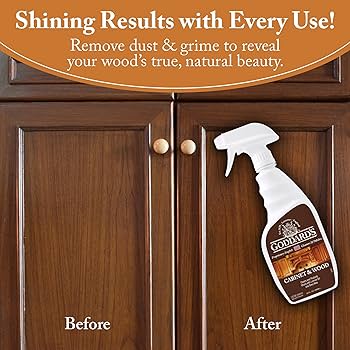
Are you tired of stubborn stains and sticky residue ruining the look of your kitchen cabinets? Finding a good kitchen cabinet cleaner can make all the difference in keeping your cabinets shiny and fresh without damaging the finish.
But with so many products out there, how do you know which one really works for your home? You’ll discover simple, effective options that protect your cabinets and bring back their natural beauty. Keep reading to learn how to choose the perfect cleaner that fits your needs and keeps your kitchen looking its best.

Credit: getfinaltouch.com
Types Of Kitchen Cabinet Cleaners
Choosing the right cleaner for kitchen cabinets is important. Different types of cleaners suit different needs and cabinet materials. Some cleaners are gentle and natural, while others are stronger and commercial. There are also DIY solutions made from household items. Understanding these types helps keep cabinets clean and damage-free.
Natural Cleaners
Natural cleaners use ingredients from nature. They are safe and gentle on cabinet surfaces. Common natural cleaners include vinegar, lemon juice, and baking soda. These ingredients can remove grease and dirt without harsh chemicals. Natural cleaners work well for regular maintenance and light stains.
Commercial Cleaners
Commercial cleaners are made specifically for kitchen cabinets. They often contain stronger ingredients to tackle tough grime and grease. Many commercial products come with antibacterial properties. These cleaners provide quick results but may contain chemicals. It is important to follow the label instructions for safe use.
Diy Cleaning Solutions
DIY cleaning solutions are easy to make at home. They use simple ingredients like olive oil, dish soap, and water. These mixtures can clean, shine, and protect cabinets. DIY cleaners are cost-effective and customizable. They offer a natural alternative with less risk of damage.
Credit: www.thekitchn.com
Key Features Of Effective Cleaners
Choosing the right kitchen cabinet cleaner is important for maintaining beauty and durability. Effective cleaners have specific features that protect your cabinets while removing dirt and stains. These features help keep your kitchen looking fresh without causing damage.
Safe For Cabinet Materials
Good cleaners do not harm wood, laminate, or painted surfaces. They prevent fading, warping, or peeling. Safe formulas keep the finish intact and the cabinet surface smooth. This ensures long-lasting protection for your investment.
Non-toxic Ingredients
Non-toxic cleaners avoid harsh chemicals. They are gentle for your health and the environment. Such ingredients reduce strong odors and skin irritation. This makes cleaning safer for families and pets.
Ease Of Use
Effective cleaners should be easy to apply and wipe off. They work quickly without leaving sticky residues. Easy-to-use products save time and effort. This encourages regular cleaning for better cabinet care.
Stain Removal Power
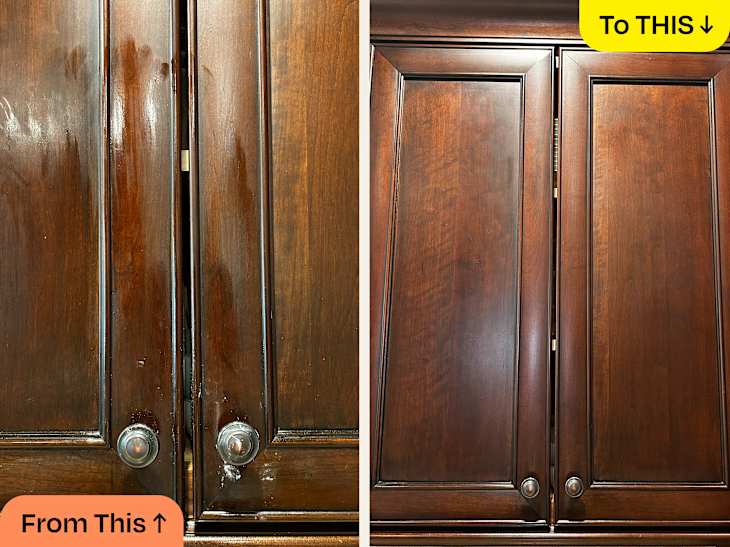
Strong stain removal is key to a good cleaner. It tackles grease, grime, and fingerprints efficiently. The cleaner should restore the cabinet’s original look. Quick stain removal keeps your kitchen neat and inviting.
Top Picks For Kitchen Cabinet Cleaners
Choosing the right kitchen cabinet cleaner makes a big difference. It protects your cabinets and keeps them looking fresh. Different cleaners suit different needs. Some work well on tough stains, while others are gentle and natural. Budget matters too. Here are the top picks for kitchen cabinet cleaners to help keep your cabinets spotless and safe.
Best Overall Cleaner
This cleaner works well on most cabinet surfaces. It removes grease and dirt quickly. It does not damage wood or paint. Easy to use and smells pleasant. Perfect for regular kitchen cleaning.
Best Natural Option
Made from plant-based ingredients. Free from harsh chemicals and toxins. Safe for families and pets. Cleans effectively without harming cabinet finishes. A great choice for eco-conscious homes.
Best Budget-friendly Choice
Affordable and easy to find in stores. Works well on light stains and everyday grime. Does not leave residue or streaks. Ideal for those who want good cleaning without spending much.
Best For Tough Stains
Strong formula designed for stubborn grease and sticky messes. Works fast and requires little scrubbing. Safe for most cabinet materials if used carefully. Best for kitchens with heavy cooking activity.
Tips For Cleaning Cabinets
A good kitchen cabinet cleaner removes grease and dirt without damaging the surface. Choose one that is gentle, non-toxic, and easy to rinse off for best results. Natural cleaners like vinegar and mild soap work well for most cabinet types.
Keeping your kitchen cabinets clean not only enhances the aesthetic appeal of your kitchen but also extends their lifespan. A spotless cabinet can make a big difference in maintaining a hygienic cooking environment. Whether you're tackling stubborn grease or just doing routine cleaning, a few strategic tips can make the task much easier and more efficient.
Preparation Steps
Before diving into cleaning, ensure you're set up for success. Clear out the cabinets, removing all dishes, glasses, and other items. This gives you access to every nook and cranny that might be hiding dirt. Next, gather your cleaning supplies. A gentle dish soap, a soft cloth, and a small brush are usually sufficient. Always test any cleaning solution on a small, hidden area to check for any adverse reactions.
Cleaning Techniques
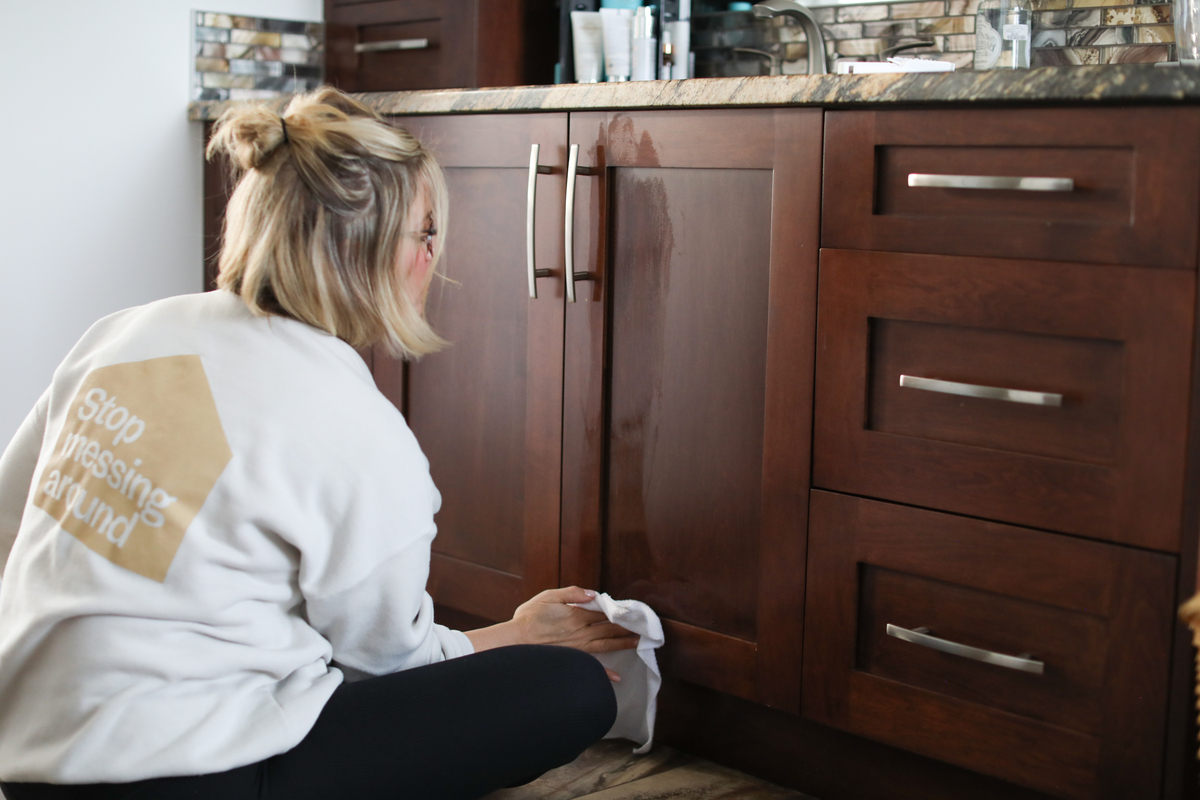
When cleaning, always start from the top and work your way down. This way, any drips will not land on already cleaned areas. Use a damp cloth with a mild soap solution to wipe down all surfaces. For tough stains, a mixture of vinegar and water can be effective. Apply it with a soft cloth, and gently scrub the affected area. Avoid using abrasive materials that can scratch the finish of your cabinets.
Maintenance Tips
To keep your cabinets looking pristine, regular maintenance is key. Wipe down cabinet surfaces weekly to prevent the buildup of grease and grime. Consider using shelf liners to protect the interior surfaces from spills. Think about air circulation as well. Opening cabinet doors occasionally can prevent musty smells and moisture buildup. Are you noticing frequent fingerprints on your cabinet doors? Keeping a microfiber cloth handy for quick touch-ups can make all the difference. By incorporating these tips into your cleaning routine, you'll ensure your kitchen cabinets remain clean and in top condition for years to come.
Common Mistakes To Avoid
Keeping your kitchen cabinets clean is essential, but many people unknowingly make mistakes that can damage their surfaces or reduce the lifespan of the finish. Avoiding these common pitfalls helps maintain the beauty and durability of your cabinets.
Using Harsh Chemicals
Many cabinet cleaners contain strong chemicals that can strip away the finish or cause discoloration. You might think a powerful cleaner will do a better job, but it often leads to dull, worn-out cabinets over time.
Instead, choose gentle, pH-balanced cleaners specifically designed for wood or laminate surfaces. Have you checked your current cleaner’s ingredients to see if it’s too harsh?
Over-saturating Cabinets
Applying too much liquid cleaner or water can cause serious damage, especially to wood cabinets. Excess moisture seeps into the wood or joins, leading to warping, swelling, or even mold growth.
Use a damp cloth rather than soaking your cabinets. Think about whether your cleaning method leaves your cabinets wet or just lightly refreshed. Your cabinets will thank you for less water exposure.
Ignoring Manufacturer Guidelines
Each cabinet type has unique care instructions set by the manufacturer. Ignoring these can void warranties or cause unexpected damage.
Before trying a new cleaner or method, read the manufacturer’s recommendations carefully. Have you ever cleaned your cabinets only to regret it later because you missed a simple care tip?
Credit: www.housework.com
Frequently Asked Questions
What Ingredients Make A Good Kitchen Cabinet Cleaner?
A good kitchen cabinet cleaner contains mild detergents, natural oils, and gentle solvents. These ingredients remove grease and dirt without damaging surfaces or finishes.
How Often Should I Clean My Kitchen Cabinets?
Clean your kitchen cabinets every two weeks to prevent buildup. Wipe spills immediately to maintain their appearance and durability.
Can Homemade Cleaners Be Effective For Cabinets?
Yes, homemade cleaners with vinegar, water, and mild soap work well. They are safe, affordable, and gentle on cabinet finishes.
Are Commercial Cabinet Cleaners Safe For All Materials?
Most commercial cleaners are safe for wood, laminate, and painted cabinets. Always test on a small area first to avoid damage.
Conclusion
Choosing the right kitchen cabinet cleaner keeps your cabinets bright and fresh. A good cleaner removes dirt without harming the surface. It saves time and effort during cleaning. Safe ingredients protect your family and the environment. Regular cleaning helps cabinets last longer and look new.
Simple, gentle products often work best. Remember to test any cleaner on a small spot first. Clean cabinets make your kitchen feel inviting and neat. Keep your cabinets shining with the right care.