
Is your kitchen feeling cluttered or messy? You’re not alone.
A clean kitchen not only looks great but also keeps your family healthy and makes cooking more enjoyable. But how do you clean your kitchen quickly and effectively without feeling overwhelmed? You’ll discover simple, step-by-step tips that anyone can follow to transform your kitchen into a sparkling, inviting space.
Keep reading—you’re just a few easy actions away from a kitchen you’ll love to spend time in.
Credit: www.housework.com
Gather Essential Cleaning Supplies
Gathering the right cleaning supplies is the first step to making your kitchen sparkle. Having everything ready saves time and keeps you motivated throughout the process. Think about your usual messes—grease, crumbs, spills—and choose tools and products that tackle those effectively.
Must-have Tools
Start with the basics that cover all surfaces and corners. A sturdy sponge and microfiber cloths help clean without scratching your countertops or appliances. A scrub brush with firm bristles is perfect for stubborn grime on stovetops and sinks.
Don’t forget a good broom and dustpan to catch crumbs and dust before wiping surfaces. A spray bottle filled with water can help rinse areas quickly. You might also want gloves to protect your hands from harsh scrubbing or chemicals.
- Microfiber cloths
- Scrub brush
- Sponge (non-abrasive)
- Broom and dustpan
- Spray bottle
- Rubber gloves
Safe Cleaning Products
Choosing safe cleaning products benefits your health and the environment. Look for biodegradable options or make your own with ingredients like vinegar and baking soda. These alternatives work well on grease and stains without harmful fumes.
If you prefer store-bought cleaners, check labels for non-toxic certifications and avoid anything with ammonia or bleach. Using gentler products won’t just protect your kitchen surfaces—it keeps your indoor air clean too. Have you ever noticed how your kitchen feels after using strong chemicals? Switching to safer options can make a surprising difference.
Clear And Declutter Surfaces
Clearing and decluttering kitchen surfaces is the first key to a clean kitchen. A clutter-free space makes cleaning easier and faster. It also helps maintain a tidy look all day long. Start by removing everything from the countertops. Then organize the items you need to keep. This simple step refreshes the kitchen and creates more working space.
Remove Dishes And Appliances
Begin by clearing all dirty and clean dishes from the counters. Place dirty dishes in the sink or dishwasher. Put clean dishes away in their proper spots. Next, unplug small appliances not used daily. Move them to cabinets or pantry shelves. This frees up space and reduces visual clutter.
Organize Countertops
Keep only essential items on the countertops. Group similar items like spices or cooking oils in one spot. Use trays or containers to hold loose items neatly. Store less used items in drawers or shelves. A clean countertop looks spacious and invites cooking and food prep.
Clean Kitchen Sink And Faucets
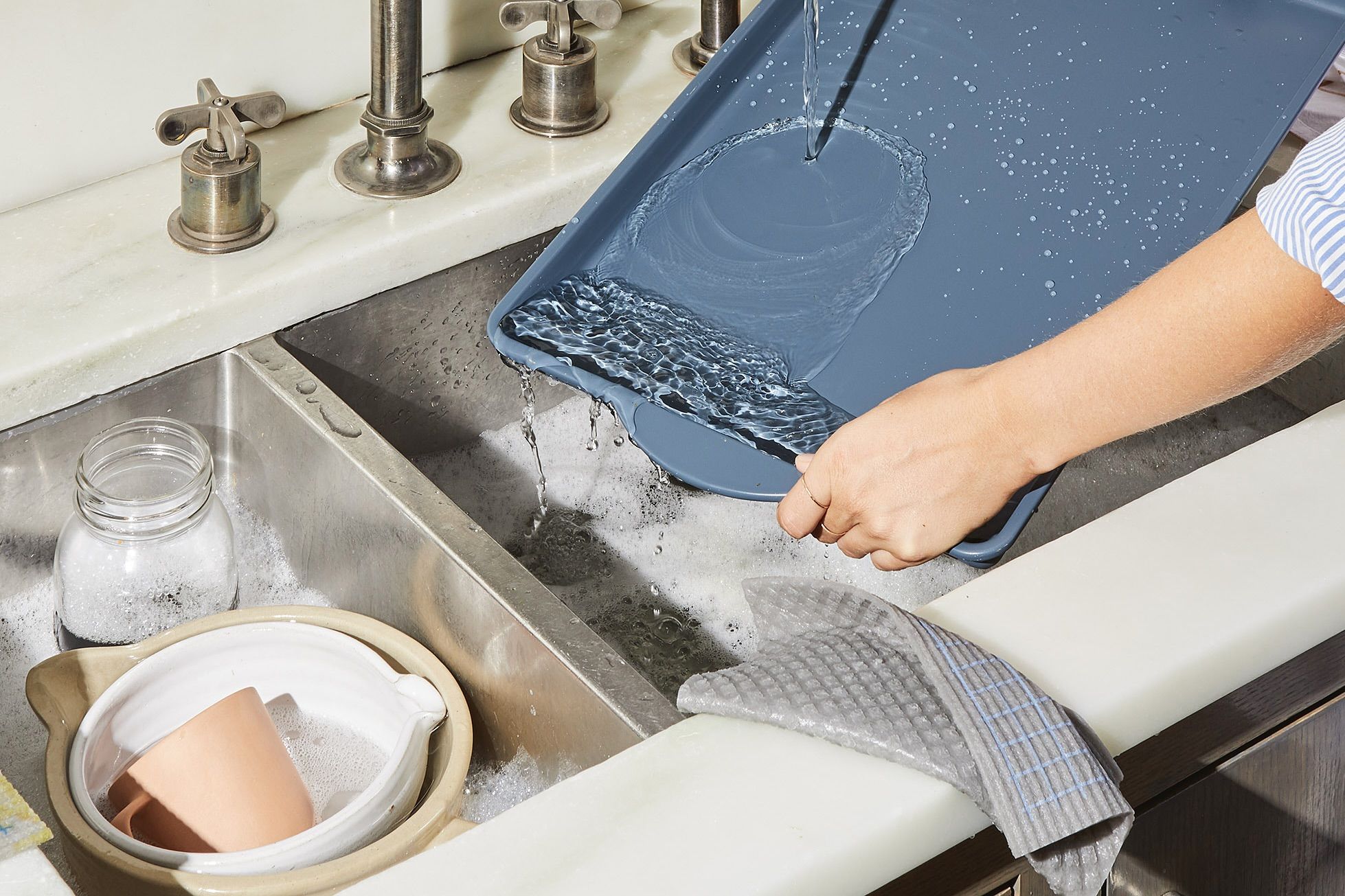
Your kitchen sink and faucets are the heart of your kitchen’s hygiene. They handle everything from washing fresh produce to rinsing dirty dishes, so keeping them spotless is essential. A clean sink and shiny faucets not only improve your kitchen’s look but also help prevent bacteria buildup.
Scrub The Sink Basin
Start by clearing out any debris or food particles from your sink. Use a gentle scrub brush or sponge with a mix of baking soda and water to tackle stains and grime. This combo is tough on dirt but safe for most sink materials.
Pay special attention to the corners and the drain area where grime tends to hide. Rinse thoroughly with warm water to wash away loosened dirt. Ever noticed how a clean sink instantly makes your kitchen feel fresher?
Polish Faucets And Handles
Faucets and handles often collect fingerprints, water spots, and soap scum. Use a soft cloth with a little vinegar or mild dish soap to wipe them down. For tougher spots, a toothbrush can reach small crevices without scratching the surface.
Drying the faucets with a microfiber cloth after cleaning prevents water stains and keeps them gleaming longer. Have you ever tried buffing your faucets to a mirror shine? It’s a quick step that makes a big difference.

Credit: www.youtube.com
Wipe Down Countertops And Cabinets
Wipe down countertops and cabinets regularly to keep them clean and tidy. Use a gentle cleaner and a soft cloth to remove dirt and spills. This simple task ensures a fresh and inviting kitchen atmosphere.
Wiping down countertops and cabinets is crucial for a clean kitchen. These surfaces collect dust, grease, and spills. Regular cleaning keeps your kitchen looking fresh. It also helps prevent bacteria build-up. Follow these steps to ensure a spotless kitchen.
Choose Suitable Cleaners
Select the right cleaner for your surface type. Stone countertops need pH-balanced cleaners. Use mild soap for wooden cabinets. Avoid harsh chemicals. Test cleaners in a small area first. This prevents damage or discoloration.
Focus On Handles And Edges
Handles and edges are high-touch areas. They often harbor germs. Use a microfiber cloth to wipe them. Pay attention to crevices and corners. Clean these areas thoroughly. This keeps your kitchen hygienic.
Clean Appliances Thoroughly
Cleaning kitchen appliances deeply improves hygiene and extends their life. Dirt and food residues build up quickly. Regular, thorough cleaning stops germs and bad smells. Focus on key appliances for best results. Use the right tools and gentle cleaners. Avoid harsh chemicals that may damage surfaces. Clean appliances make cooking safer and easier.
Refrigerator Cleaning Tips
Empty the fridge before cleaning. Remove all shelves and drawers. Wash these parts with warm, soapy water. Wipe the interior walls using a mix of water and baking soda. Clean door seals carefully to remove trapped dirt. Dry everything before placing back. Check and throw away expired food items. Clean the exterior with a damp cloth. Avoid spraying cleaner directly inside to protect coils.
Oven And Microwave Maintenance
Remove racks and trays from the oven. Soak them in warm, soapy water. Use a soft brush to scrub off grease. Wipe the oven interior with a baking soda paste. Let it sit, then scrub gently and rinse. For microwaves, place a bowl with water and lemon juice inside. Heat until steam forms, then wipe with a cloth. Clean the microwave door and buttons. Regular cleaning stops odors and keeps appliances working well.
Sweep And Mop The Floor
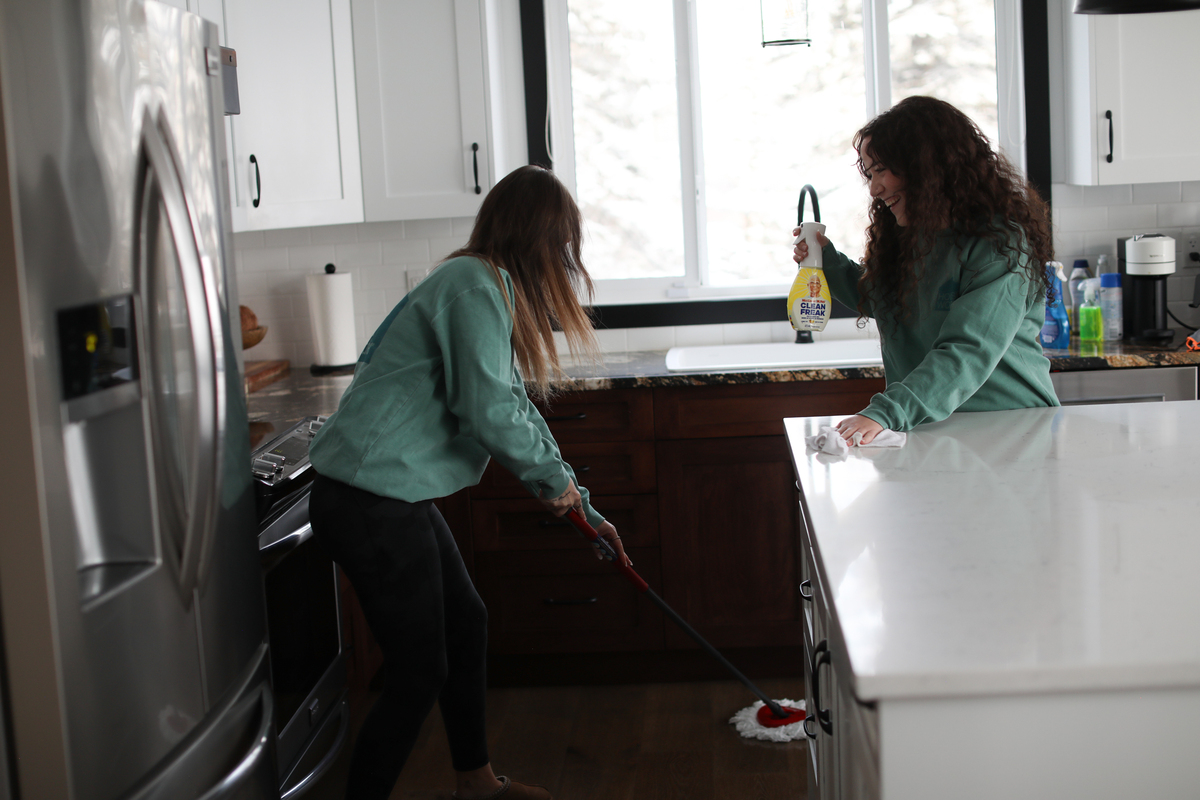
Sweeping and mopping the kitchen floor is more than just a routine chore—it’s a key step to keeping your kitchen hygienic and inviting. A clean floor prevents dirt build-up and keeps pesky pests away. Let’s look at how you can make this task easier and more effective.
Remove Debris
Start by clearing the floor of any loose debris. Use a broom or vacuum to pick up crumbs, dust, and small particles that can make mopping less effective.
Pay special attention to corners and under cabinets where dirt tends to accumulate unnoticed. Have you ever missed a hidden crumb only to see it attract ants later? Getting rid of debris first ensures your mop won’t just push dirt around.
Use Effective Floor Cleaners
Choosing the right cleaner depends on your floor type. For tile or vinyl, a mild detergent mixed with warm water usually works well. Hardwood floors require cleaners specially formulated to avoid damage.
Try adding a few drops of essential oils like lemon or eucalyptus for a fresh scent that lasts. Avoid using too much water on wood floors—excess moisture can cause warping.
Have you noticed how some cleaners leave a sticky residue? Test a small area first to see how your floor reacts before cleaning the entire space.
Maintain Freshness And Hygiene
Maintaining freshness and hygiene in your kitchen is essential to create a healthy cooking environment. It prevents unpleasant odors and reduces the risk of food contamination. Simple, regular habits can make a huge difference in keeping your kitchen clean and safe.
Take Out Trash Regularly
Trash can quickly become a source of bad smells and bacteria in your kitchen. Empty your trash bin daily, especially if it contains food scraps or leftovers. Don’t wait until it’s overflowing — taking out the trash regularly keeps your kitchen smelling fresh.
To make this easier, consider placing a small trash bin near your food prep area. This encourages you to dispose of waste immediately, reducing mess. Have you noticed how quickly your kitchen feels cleaner once the trash is taken out consistently?
Disinfect High-touch Areas
High-touch surfaces like countertops, cabinet handles, and light switches can harbor germs. Wiping these areas down with a disinfectant daily can lower the chance of spreading bacteria. Focus especially on spots you touch frequently while cooking.
Use a spray cleaner or disinfectant wipes that are safe for kitchen surfaces. Don’t forget appliances like the refrigerator door handle or microwave buttons. Keeping these areas sanitized not only protects your health but also makes your kitchen feel more inviting every time you walk in.
Create A Regular Cleaning Schedule
Creating a regular cleaning schedule is the key to keeping your kitchen spotless without feeling overwhelmed. It helps you manage tasks efficiently and prevents dirt and grime from building up. By breaking down cleaning into daily and deeper routines, you stay on top of messes and keep your kitchen welcoming every day.
Daily Quick Clean
Spend just 10-15 minutes each day on quick cleaning tasks. Wipe down countertops, stove tops, and sinks to remove crumbs and spills before they harden. Take out the trash and rinse dishes or load the dishwasher to avoid pile-ups.
Keeping a small cleaning kit handy with disinfectant wipes, a microfiber cloth, and a spray bottle makes daily cleaning fast and simple. Ask yourself, what small task can you do right now to make your kitchen feel cleaner instantly?
Deep Cleaning Routine
Set aside time weekly or biweekly for a thorough kitchen clean. This includes scrubbing appliances, cleaning inside the microwave and refrigerator, and wiping cabinet doors. Don’t forget to mop floors and clean behind the stove or fridge, where dirt often hides.
Break down deep cleaning into manageable chunks—tackle one area at a time rather than everything in one go. You’ll find it less stressful and more effective. How could scheduling these tasks on specific days change your kitchen’s overall cleanliness?
:max_bytes(150000):strip_icc()/9ThingsYouShouldCleaninYourKitchenEveryWeek-28c9ca430069452181b75b201c65d16e.jpg)
Credit: www.eatingwell.com
Frequently Asked Questions
What Is The Best Way To Clean Kitchen Countertops?
Use a mild detergent with warm water and a soft cloth. Avoid harsh chemicals to protect surfaces. Wipe regularly to prevent stains and buildup.
How Often Should I Deep Clean My Kitchen?
Deep clean your kitchen at least once a month. Focus on appliances, cabinets, and floors to maintain hygiene and prevent pests.
What Natural Products Clean Kitchen Grease Effectively?
White vinegar, baking soda, and lemon juice are great for cutting grease. They are safe, eco-friendly, and leave surfaces fresh and clean.
How Can I Sanitize Kitchen Sponges Safely?
Microwave damp sponges for 1-2 minutes to kill bacteria. Replace sponges every two weeks to avoid germs and odors.
Conclusion
Keeping your kitchen clean makes cooking safer and more enjoyable. Regular cleaning stops germs from spreading. Use simple tools and natural cleaners for the best results. Clean surfaces, appliances, and floors often to keep everything fresh. A tidy kitchen saves time and reduces stress.
Small daily habits lead to a big difference. Start today to create a healthy, pleasant space. Your kitchen will thank you for the care.