
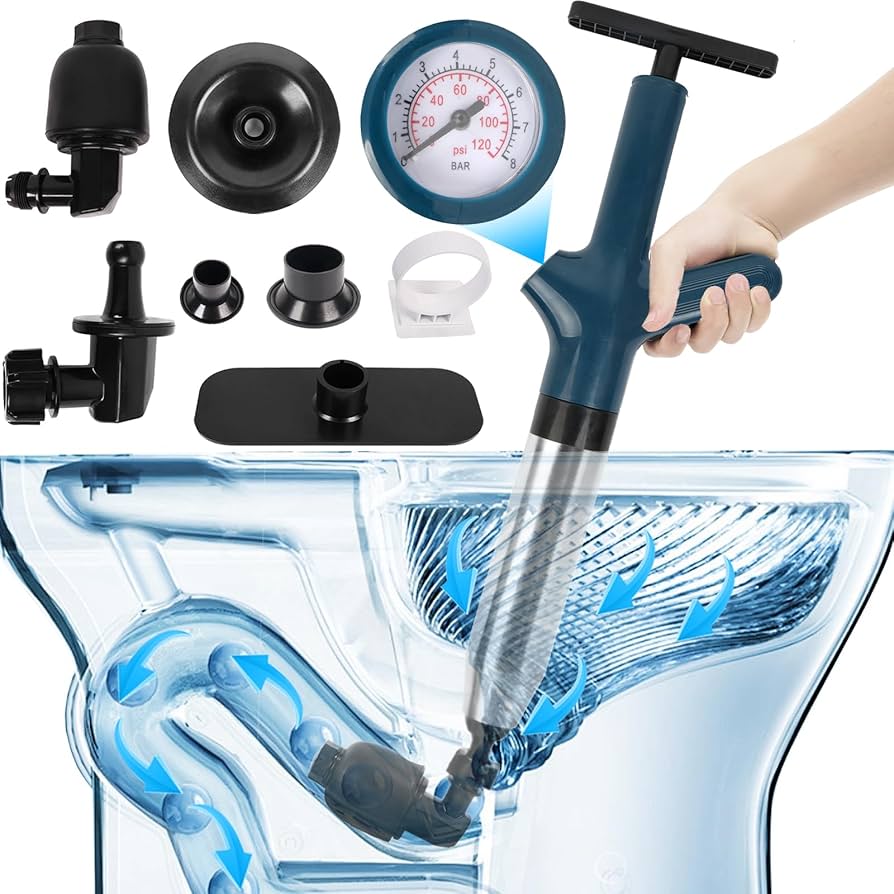
Can I Use a Toilet Plunger on a Kitchen Sink? Have you ever faced a stubborn clog in your kitchen sink and wondered if a toilet plunger could be the quick fix you need? You’re not alone.
When water starts to drain slowly or not at all, it’s frustrating and can throw off your whole day. But before you grab that plunger, it’s important to know if it’s the right tool for the job. Keep reading to find out how a toilet plunger works on a kitchen sink, when you should use it, and tips to get your sink flowing smoothly again.
This simple knowledge could save you time, money, and a lot of hassle.
Toilet Plunger Basics
Understanding the basics of a toilet plunger helps decide if it suits a kitchen sink. Plungers come in various shapes and sizes. Each design fits specific plumbing needs. Knowing their purpose guides proper use and avoids damage.
Design Differences
A toilet plunger has a flange, a soft rubber extension. This flange fits tightly into toilet drains. The cup shape is deep and bell-like. It creates a strong seal around the drain opening.
Kitchen sink plungers look different. They have a flat cup without a flange. The flat cup works well on flat surfaces like sink drains. The design matches the shape of sink openings.
Common Uses
- Toilet plungers clear toilet clogs by pushing and pulling air.
- They work best on curved toilet traps.
- Kitchen sink plungers remove blockages in flat drain pipes.
- They help clear food debris or grease clogs.
Using a toilet plunger on a kitchen sink may not seal properly. This reduces pressure and makes plunging less effective.

Credit: www.amazon.ca
Kitchen Sink Blockages
Kitchen sink blockages cause inconvenience and slow drainage. They can stop water flow and create unpleasant smells. Knowing the causes and signs helps fix the problem early. Acting quickly prevents costly repairs and maintains a clean kitchen.
Typical Causes
- Food scraps stuck in the drain
- Grease and oil buildup
- Soap residue hardening inside pipes
- Hair and debris accumulation
- Small objects accidentally dropped in sink
- Mineral deposits from hard water
Signs Of Clogs
- Slow draining water
- Water pooling in the sink
- Gurgling sounds from the drain
- Bad odors near the sink
- Frequent backups or overflow
- Unusual noises when water flows
Using A Toilet Plunger On Kitchen Sinks
Using a toilet plunger on a kitchen sink is a common question. Many wonder if it works well for sink clogs. The shape and size of toilet plungers differ from sink plungers. This can affect how well they clear blockages. Knowing the right technique and what to expect helps avoid damage.
Effectiveness Factors
Several factors affect how well a toilet plunger works on a kitchen sink. The size of the plunger cup compared to the sink drain matters. Toilet plungers have a larger cup, which may not seal well on smaller drains. The type of clog also plays a role. Grease and food scraps might need more force or other tools.
Sink design affects plunging success. Many kitchen sinks have an overflow hole that can let air escape. This reduces suction power. Removing or blocking this hole before plunging can help. The amount of water in the sink is important too. Enough water helps create the necessary pressure to push the clog out.
Proper Technique
Start by filling the sink with enough water to cover the plunger cup. Position the plunger directly over the drain to get a good seal. Push down slowly at first, then pull up quickly without breaking the seal. Repeat this motion several times. Avoid lifting the plunger completely off the drain during the pull to keep suction.
If the sink has an overflow hole, cover it with a wet cloth to block air escape. This improves the plunger’s effectiveness. After plunging, run hot water to help clear any loosened debris. If the clog remains, try other methods or call a professional to prevent damage.

Credit: www.threads.com
Risks And Precautions
Using a toilet plunger on a kitchen sink may cause damage to pipes or splash dirty water. Always check for proper seal and use gentle pressure. Protect surrounding areas to avoid mess and potential injury.
Using a toilet plunger on a kitchen sink might seem like a quick fix when faced with a stubborn clog. However, this approach carries certain risks and requires careful consideration. Before reaching for that plunger, it's essential to understand the potential pitfalls and how to mitigate them effectively.
Potential Damage
A toilet plunger is designed for a very different purpose than unclogging a kitchen sink. Its robust design can be too aggressive for delicate sink pipes. You might end up damaging the plumbing, leading to leaks or even burst pipes. Imagine dealing with a minor blockage that suddenly turns into a major plumbing issue. It's crucial to assess the strength of your pipes and consider alternative methods like using a specialized sink plunger or a drain snake.
Hygiene Concerns
Think about where your toilet plunger has been before using it in your kitchen. The bathroom environment can harbor bacteria and germs that are best kept away from food preparation areas. Using the same plunger can transfer these unwanted guests to your kitchen, posing a health risk. Consider purchasing a separate plunger specifically for kitchen use. This small investment can prevent cross-contamination and ensure your kitchen remains a safe place for cooking and eating. Next time you face a kitchen sink clog, ask yourself: Is the quick fix worth the potential damage and hygiene risks? Understanding these risks can help you make an informed decision and keep your kitchen in top shape.
Alternative Solutions
Using a toilet plunger on a kitchen sink might not always work well. Kitchen sinks have different shapes and smaller drains than toilets. There are better ways to clear clogs without risking damage.
Explore several alternative solutions designed for kitchen sinks. These options help keep your sink clean and flowing smoothly. Choose the right tool or cleaner based on the clog type and severity.
Sink-specific Tools
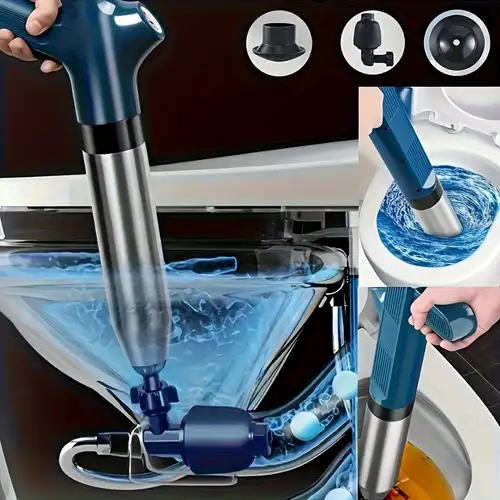
Tools made for kitchen sinks fit the smaller drain size. A cup plunger with a flat edge works better than a toilet plunger. Drain snakes or augers reach deep to remove tough clogs.
- Use a small cup plunger with a good seal.
- Try a manual drain snake to pull out debris.
- Consider a hand-crank auger for stubborn blockages.
Chemical And Natural Cleaners
Chemical cleaners can dissolve grease and food buildup. Choose products safe for kitchen pipes and avoid harsh chemicals. Natural cleaners use baking soda, vinegar, or lemon juice to clear mild clogs.
- Pour baking soda followed by vinegar down the drain.
- Wait 15-30 minutes, then flush with hot water.
- Use enzyme-based cleaners for eco-friendly options.
When To Call A Professional
Some clogs need expert help. Persistent or deep blockages may cause damage if handled incorrectly. Professionals have tools and skills to fix problems quickly and safely.
- Call a plumber if the clog lasts more than a day.
- Request help if water backs up into other drains.
- Seek assistance for frequent or severe blockages.
Credit: www.temu.com
Frequently Asked Questions
Can I Use A Toilet Plunger On A Kitchen Sink?
Yes, you can use a toilet plunger on a kitchen sink. However, ensure the plunger creates a good seal over the drain. This helps build enough pressure to dislodge clogs effectively. Avoid using a flange plunger made specifically for toilets.
What Type Of Plunger Works Best For Kitchen Sinks?
A cup or cup-and-dome plunger works best for kitchen sinks. These plungers create a strong seal on flat surfaces. Avoid flange plungers, as they are designed for toilets and may not fit the sink drain properly.
How Do I Prevent Kitchen Sink Clogs?
Prevent clogs by avoiding grease, food scraps, and large debris in the drain. Use a drain strainer to catch particles. Regularly flush the drain with hot water and baking soda to keep it clear and odor-free.
Can Plunging Damage My Kitchen Sink Pipes?
Plunging rarely damages kitchen sink pipes if done correctly. Use gentle, controlled pressure to avoid pipe damage. Avoid excessive force or harsh tools that can weaken or crack pipes over time.
Conclusion
Using a toilet plunger on a kitchen sink can work in some cases. It helps push clogs out quickly. But be gentle to avoid damage. Make sure to cover the drain well for good pressure. If the clog stays, try other methods or call a plumber.
Keeping sinks clean prevents many blockages. Simple care saves time and money. Remember, not all plungers fit every drain. Choose the right tool for best results. Small steps keep your kitchen running smoothly.