
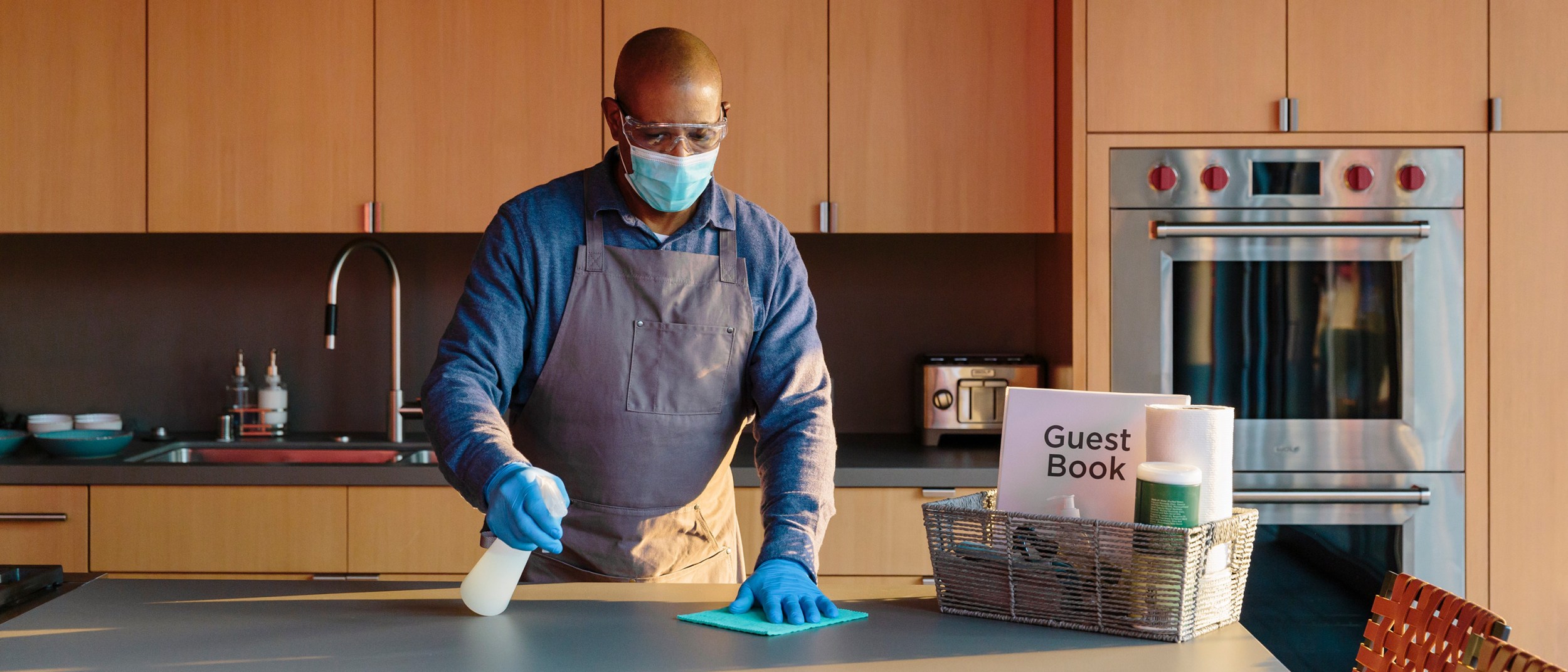
If you have Covid, you might be wondering, "Can I go in the kitchen?" It’s a simple question, but the answer can affect your health and the safety of everyone around you.
You want to take care of yourself, but you also don’t want to risk spreading the virus to others. You’ll discover clear and practical advice on what to do if you have Covid and need to use the kitchen. By the end, you’ll know exactly how to keep yourself and your loved ones safe.
Keep reading to find out what steps you should take right now.
Risks Of Entering The Kitchen With Covid
Entering the kitchen while having Covid carries several risks. The virus spreads easily in shared spaces. Careless actions can lead to contamination of surfaces and food. Understanding these risks helps prevent spreading the virus to others in the home.
How Covid Spreads In Shared Spaces
Covid mainly spreads through tiny droplets in the air. Talking, coughing, or sneezing releases these droplets. In a kitchen, these droplets can land on surfaces or food. The virus can also spread by touching contaminated surfaces and then touching the face. Shared spaces like kitchens have many touchpoints. This increases the chance of virus transmission. Poor ventilation makes the risk higher. The virus can stay in the air for some time. Crowded or small kitchens add to the danger.
Potential Contamination Points
Surfaces in the kitchen can carry the virus. Common contamination points include:
- Door handles
- Cabinet knobs
- Light switches
- Countertops
- Appliance buttons (microwave, fridge)
- Faucet handles
- Cutting boards and utensils
- Food packaging
Touching these can transfer the virus to hands. Without washing hands, the virus can reach the face. Food or drinks can also get contaminated if touched by an infected person. Cleaning and disinfecting these points regularly reduces risks.

Credit: www.cbc.ca
Protecting Yourself And Others
Protecting yourself and others is the key when moving around the kitchen with Covid. The virus spreads easily in shared spaces. Taking simple safety steps lowers the risk. Everyone in the home stays safer with care and attention.
Wearing Masks And Gloves
Masks help block droplets that carry the virus. Always wear a well-fitted mask in the kitchen. Gloves add an extra layer of protection on your hands. Change gloves often and avoid touching your face. Clean masks and gloves reduce the chance of spreading germs.
Maintaining Physical Distance
Keep at least six feet apart from others. Avoid crowded kitchen spaces and close contact. Use separate utensils and cooking tools if possible. Clear communication helps everyone stay aware of space. Distance lowers the chance of passing the virus in the air.
Proper Hand Hygiene
- Wash hands with soap and water for 20 seconds.
- Wash hands before and after touching kitchen items.
- Use hand sanitizer if soap is not available.
- Keep nails short and clean to stop germs hiding.
Good hand hygiene stops germs from spreading on surfaces and food. It is one of the easiest and best ways to protect all household members.
Safe Kitchen Practices During Covid
Being in the kitchen while you have Covid requires extra care to protect yourself and others in your home. Safe kitchen practices help reduce the risk of spreading the virus through surfaces or food. Taking simple, consistent actions can make a big difference in keeping your environment safe and clean.
Cleaning And Disinfecting Surfaces
Surfaces in the kitchen can harbor the virus if not cleaned properly. Use a disinfectant approved for killing viruses on high-touch areas like countertops, handles, and faucet knobs. Clean these surfaces often, especially after cooking or eating.
Don't forget to clean your phone, tablet, or any device you use in the kitchen. I once overlooked my phone while cleaning and later realized it could have been a source of contamination. Remember, thorough cleaning means wiping down everything you touch.
Handling Food Safely
Your food preparation habits play a crucial role in preventing virus spread. Always wash your hands with soap and water before and after handling food. Avoid touching your face or mask while cooking.
If you’re preparing meals for others, wear a mask and consider using disposable gloves. This extra step can protect your family or roommates from exposure. Think about how many times you touch raw ingredients and then switch tasks without washing hands.
Avoiding Cross-contamination
Cross-contamination happens when germs transfer from one surface or food to another. Use separate cutting boards and utensils for raw meat, vegetables, and ready-to-eat foods to keep things safe. Clean all these items immediately after use.
Also, avoid sharing towels or sponges between dishes and surfaces. I learned this the hard way when a shared sponge spread bacteria across the kitchen. Keeping your tools and surfaces separate helps stop the virus from moving around your kitchen.
When To Avoid The Kitchen
Avoid entering the kitchen while infected with Covid to prevent spreading the virus. Use separate spaces for meals and rest until fully recovered. Keeping distance helps protect others in your home.
When you have COVID-19, considering when to avoid the kitchen is crucial for your safety and the well-being of those you live with. The kitchen, often the heart of the home, can become a hotspot for spreading germs. If you're feeling under the weather, especially with symptoms of COVID-19, it's wise to assess whether stepping into the kitchen is a good idea.
Severe Symptoms And Isolation Needs
If you're experiencing severe symptoms like high fever, persistent cough, or difficulty breathing, it's best to steer clear of the kitchen. Prioritizing rest and isolation is critical. Staying in your room helps prevent spreading the virus to others through shared spaces like the kitchen. Isolation doesn't mean you can't enjoy a good meal. It simply means taking extra precautions. Consider setting up a small area in your room with essentials like water, snacks, and non-perishable food items.
Alternatives For Meal Preparation
Finding alternatives for meal preparation can ease your worries. You might ask a family member to prepare meals and leave them outside your door. If you live alone, consider meal delivery services or pre-packaged meals that require minimal preparation. Another option is to prepare simple meals that don't require much time in the kitchen. Sandwiches, salads, or microwaveable dishes can be quick and easy. Keep a stash of easy-to-make foods handy for times when you can't cook. Think about how you can manage kitchen duties while keeping safe. Would it help to plan meals ahead or designate a specific time when no one else is in the kitchen?
Supporting Household Members Safely
Supporting household members safely when you have Covid means balancing care with caution. You want to help without risking their health. This requires clear communication and smart organization within your home.
Communicating Needs Clearly
Be upfront about what you need from others and what they can expect from you. Clear communication reduces misunderstandings and stress.
Share your symptoms honestly. Let your household know if you need food dropped off or help with chores. Ask them to keep a safe distance and wear masks if they enter the kitchen or your isolation space.
Have you tried setting regular check-ins? These can be simple texts or calls to update each other. It keeps everyone informed and connected without close contact.
Setting Up Designated Areas
Create a specific spot in your home for food prep and eating to avoid cross-contamination. This helps protect your family while letting you meet your needs.
Use separate utensils, plates, and cups. Label these items so everyone knows they belong to you. Clean these items thoroughly after each use.
Think about airflow too. Open windows or use fans to reduce airborne virus particles. Can you set up a small table in a corner for your meals?
Organize trash bins close to your isolation area for used tissues or masks. Make sure others know not to touch these bins without gloves. Small steps like these make a big difference in keeping your household safe.
Credit: abcnews.go.com
Frequently Asked Questions
Can I Enter The Kitchen If I Have Covid-19?
It’s best to avoid the kitchen to prevent virus spread. Use separate utensils and disinfect surfaces regularly if you must enter. Limit kitchen access to reduce contact with others.
How To Safely Use The Kitchen With Covid?
Wear a mask and wash hands before entering. Clean all surfaces with disinfectant before and after use. Avoid sharing utensils and keep the kitchen well-ventilated.
Should I Prepare Food If I Have Covid-19?
Avoid preparing food for others while infected. If necessary, wash hands thoroughly and wear gloves. Ensure all kitchen tools are sanitized to minimize transmission risk.
Can Covid-19 Spread Through Kitchen Surfaces?
Yes, the virus can survive on surfaces briefly. Regularly disinfect counters, handles, and appliances. Practice good hygiene to reduce the risk of surface transmission.
Conclusion
Staying out of the kitchen helps stop Covid from spreading. Use separate utensils and clean surfaces often. Wear a mask if you must enter. Keep good airflow by opening windows or using fans. Rest and drink plenty of fluids to feel better.
Protect others by following these simple steps. Your health and safety matter most right now. Small actions make a big difference for everyone at home.