
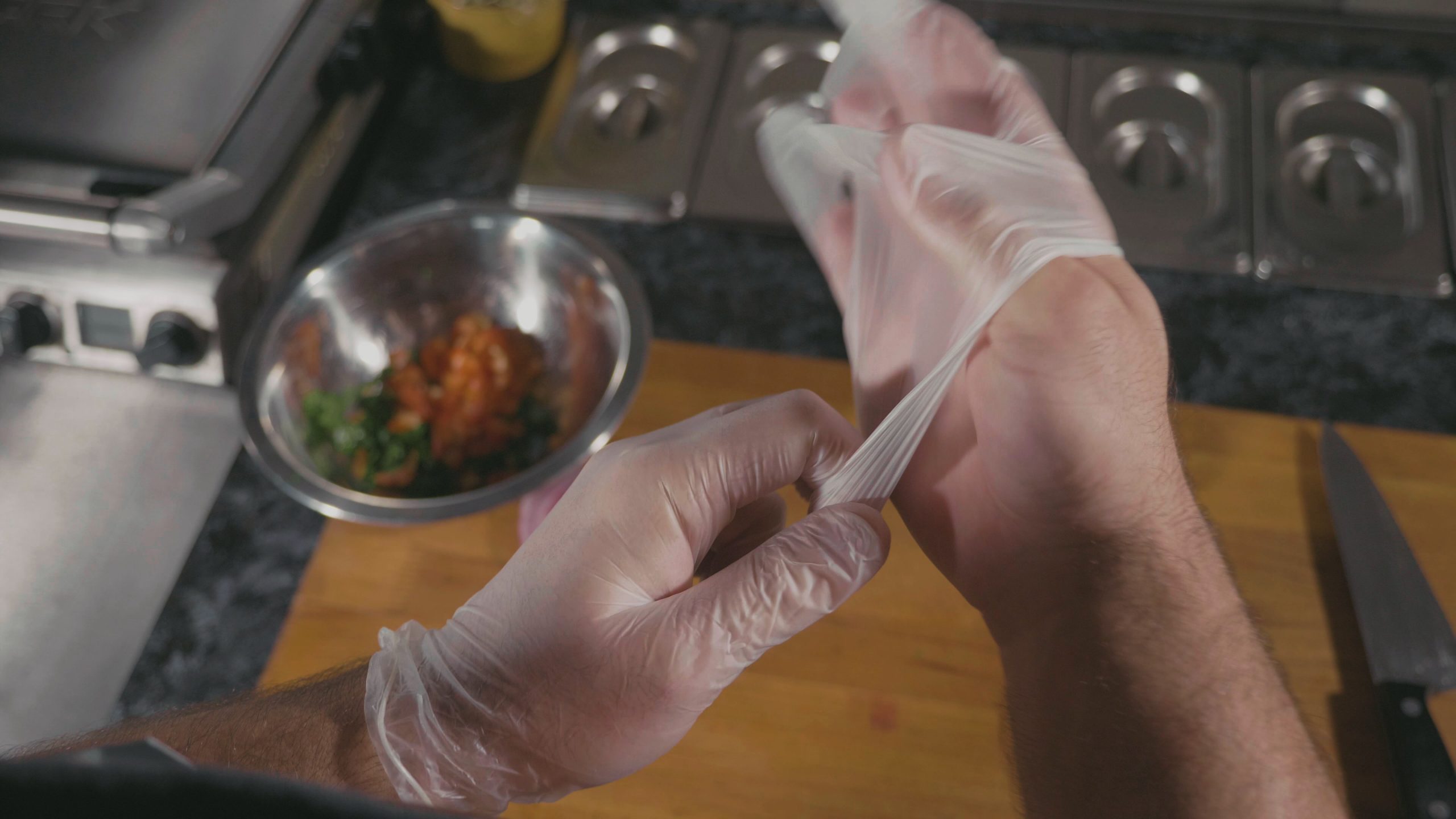
Have you ever wondered when you should wear gloves in the kitchen? It’s not just about keeping your hands clean.
Wearing gloves at the right time can protect your food, your health, and even your kitchen tools. But if you wear them at the wrong moments, they might do more harm than good. You’ll discover exactly when gloves are a must and when you’re better off without them.
Keep reading to learn how to make your kitchen safer and cleaner with simple, smart choices.
Types Of Kitchen Gloves
Kitchen gloves protect your hands during cooking tasks. Different gloves serve different purposes. Choosing the right type helps keep your hands safe and clean.
Disposable Gloves
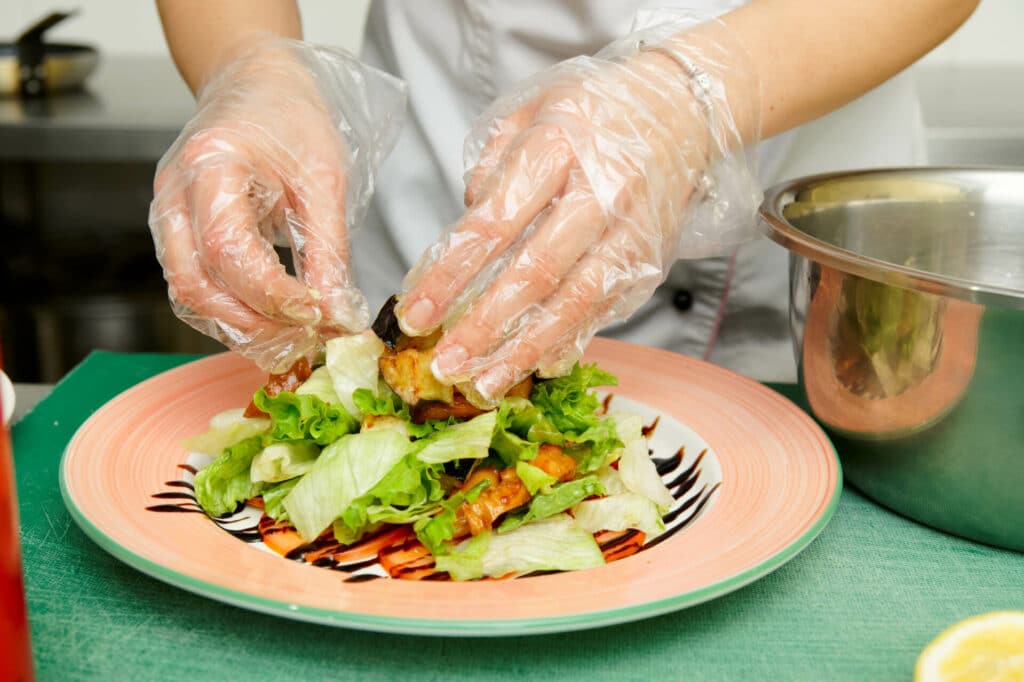
Disposable gloves are thin and made of latex, nitrile, or vinyl. They prevent germs and keep food clean. Use them when handling raw meat or cleaning dishes. They are easy to throw away after use.
Heat-resistant Gloves
Heat-resistant gloves protect your hands from hot pots, pans, and grills. Made from materials like silicone or thick fabric, they block heat well. These gloves help avoid burns during baking or frying.
Cut-resistant Gloves
Cut-resistant gloves stop cuts from sharp knives or tools. They have strong fibers or metal mesh inside. Use them when slicing or chopping to prevent injuries. They offer safety without losing finger movement.
Credit: www.performancefoodservice.com
When To Use Disposable Gloves
Using disposable gloves in the kitchen isn’t just about hygiene—it’s about protecting your food and yourself. Knowing exactly when to put on gloves can make your cooking safer and more efficient. Let’s explore key moments when disposable gloves are a smart choice.
Handling Raw Meat And Seafood
Touching raw meat or seafood introduces bacteria to your hands that can easily spread. Wearing disposable gloves during this step reduces the risk of contamination. Plus, gloves make cleanup faster—just toss them away instead of scrubbing your hands repeatedly.
Have you ever felt unsure whether you washed your hands well enough after handling raw chicken? Gloves can give you peace of mind and keep your kitchen safer.
Preventing Cross-contamination
Cross-contamination happens when harmful bacteria transfer from one food item to another, often through hands or utensils. Gloves act as a barrier, especially when switching between raw and cooked foods or different ingredients.
Changing gloves between tasks is crucial. It’s a simple habit that prevents your salad from tasting like raw chicken and protects your family from foodborne illnesses.
Working With Allergens
If you’re preparing food for someone with allergies, gloves help avoid accidental exposure. Even a tiny trace of an allergen can cause a serious reaction.
Using gloves when handling peanuts, shellfish, or gluten-containing ingredients shows respect for your guests’ health. It’s a small step that can make a big difference in their dining experience.
Using Heat-resistant Gloves Safely
Using heat-resistant gloves safely in the kitchen is essential to protect your hands from burns and accidents. These gloves act as a barrier between your skin and hot surfaces, but their effectiveness depends on how you use them. Understanding the right way to handle hot items with these gloves can improve your safety and confidence while cooking.
Handling Hot Pots And Pans
When you grab a hot pot or pan, always make sure your heat-resistant gloves cover your wrists fully. This extra coverage prevents accidental burns from steam or splashes. Avoid using gloves with holes or tears, as heat can quickly reach your skin through damaged areas.
Grip strength matters too. Choose gloves with a textured surface to hold slippery handles firmly. Have you ever dropped a hot pan because your gloves were too smooth? A better grip reduces the risk of spills and injuries.
Using The Oven And Grill
Heat-resistant gloves are indispensable when reaching into the oven or handling grill racks. Always pull out trays slowly to avoid sudden steam bursts that can cause burns. Gloves that are too thin may not provide enough protection; thicker gloves are safer but might reduce dexterity.
Keep your gloves dry. Wet gloves can conduct heat and cause burns faster. Do you check your gloves’ condition before every use? This simple habit can save you from painful kitchen accidents.
Avoiding Burns
Never assume your gloves are heatproof against all temperatures. Check the manufacturer’s heat resistance rating before use. Gloves designed for oven use may not work well with direct flame or frying pans.
After handling hot items, place gloves away from heat sources to prevent damage. Regularly inspect them for wear and replace them as soon as you notice thinning or holes. How often do you check your kitchen gloves? Making this a routine keeps your hands safe.
Cut-resistant Gloves For Food Prep
Wearing cut-resistant gloves protects hands during food preparation involving sharp knives or tools. Gloves help prevent injuries while slicing, chopping, or handling tough ingredients. Use them whenever there is a risk of cuts in the kitchen.
Cut-Resistant Gloves for Food Prep In the busy hustle of a kitchen, safety is paramount, especially when handling sharp tools. Cut-resistant gloves are an essential part of food prep, offering a protective layer for your hands. These gloves are designed to provide peace of mind, allowing you to focus on creating delicious meals without the worry of accidental cuts.
Slicing And Dicing Safely
Whether you're slicing tomatoes or dicing onions, sharp knives can pose a significant risk. Even the most experienced chefs can have mishaps. Cut-resistant gloves give you the confidence to perfect your knife skills without fear. Imagine preparing a large batch of vegetables for a family gathering. With cut-resistant gloves, each chop is precise, and your hands remain safe. This simple addition to your kitchen toolkit can transform your cooking experience.
Using Mandolins And Other Sharp Tools
Mandolins are fantastic for achieving uniform slices, but they can be tricky. Have you ever hesitated to use one because of the potential for injury? With cut-resistant gloves, you can glide confidently over the blade without worry. Other sharp tools, like graters and peelers, also benefit from the added safety of these gloves. Next time you’re preparing a salad or peeling potatoes, consider how much easier the task becomes with your hands protected.
Protecting Hands During Food Processing
Processing food often involves repetitive tasks that increase the risk of accidents. From grinding meat to preparing dough, your hands are constantly at work. Cut-resistant gloves act as a shield, allowing you to work efficiently and safely. Think about the last time you used a food processor or a mixer. Did you feel the need to be extra cautious? By wearing protective gloves, you reduce the risk of injury, making food processing a seamless part of your culinary routine. What’s your favorite kitchen tool that could use a safety upgrade with cut-resistant gloves? Share your thoughts and let’s make kitchen safety a priority.
When Not To Wear Gloves
Wearing gloves in the kitchen is not always the best choice. Sometimes, gloves can cause more harm than good. Knowing when not to wear gloves can keep food safe and your hands healthy.
Raw Food Handling Without Gloves
Handling raw food without gloves is common in many kitchens. Washing hands properly before and after touching raw meat or vegetables is more important. Gloves can spread bacteria if not changed often. Hands washed well reduce the risk of contamination better than gloves.
Proper Handwashing Techniques
Handwashing is the key to food safety in the kitchen. Use warm water and soap. Rub hands for at least 20 seconds. Clean under nails, between fingers, and up to wrists. Dry hands with a clean towel or air dryer. Good handwashing can replace gloves in many tasks.
Avoiding False Sense Of Security
Wearing gloves can give a false sense of safety. People may touch their face or other surfaces without changing gloves. This spreads germs quickly. Gloves must be changed often and used correctly. Otherwise, they do not protect food or hands properly.
Glove Hygiene And Maintenance
Wearing gloves in the kitchen helps keep food safe. But glove hygiene and maintenance are key. Clean and well-maintained gloves stop germs from spreading. This keeps both food and hands protected. Knowing how to handle gloves properly makes a big difference.
Changing Gloves Frequently
Gloves can get dirty or torn quickly. Change gloves often to avoid cross-contamination. Always switch gloves when handling different foods. Also, change them after touching raw meat or seafood. Never wear the same gloves for a long time. This keeps your kitchen clean and safe.
Proper Disposal Methods
Used gloves must be thrown away correctly. Remove gloves without touching the outside part. Dispose of them in a trash bin immediately. Do not leave gloves on countertops or floors. Proper disposal stops germs from spreading around your kitchen.
Storing And Cleaning Reusable Gloves
Reusable gloves need special care. Store them in a dry, clean place away from sunlight. Wash gloves with warm water and mild soap after every use. Let them air dry completely before storing. This prevents bacteria buildup and extends glove life.
Common Mistakes With Kitchen Gloves
Using kitchen gloves seems straightforward, but many people make mistakes that reduce their effectiveness. These errors can lead to contamination and defeat the purpose of wearing gloves in the first place. Understanding these common mistakes helps you keep your kitchen safe and clean.
Reusing Disposable Gloves
Disposable gloves are designed for one-time use only. Wearing the same pair for multiple tasks spreads germs instead of stopping them. Think about how you wouldn’t wear the same pair of socks every day—gloves need the same attention.
If you’re chopping raw meat and then moving to salad without changing gloves, you risk cross-contamination. Always toss disposable gloves after a single use to protect yourself and others.
Touching Face Or Phone
It’s easy to forget you’re wearing gloves and touch your face or phone. This habit transfers bacteria from your gloves to your skin or devices, undoing all the safety measures. Have you noticed how often you reach for your phone while cooking?
Keep your gloves dedicated to food prep only. If you need to check your phone or wipe your face, remove your gloves first. This small step keeps germs where they belong—away from you and your food.
Ignoring Glove Damage
Wearing gloves with holes or tears is like not wearing any gloves at all. Even tiny punctures let bacteria slip through easily. Before starting, check your gloves for damage—don’t assume they’re intact just because they look okay from afar.
If you spot any holes or tears, replace the gloves immediately. It’s a simple habit that can save you from potential foodborne illnesses and kitchen accidents.
Credit: tabcpronto.com
Frequently Asked Questions
When Should You Wear Gloves In The Kitchen?
Wear gloves when handling raw meat, seafood, or ready-to-eat foods. Gloves prevent cross-contamination and protect against germs. Use gloves when treating cuts or wounds on your hands to maintain hygiene.
Are Gloves Necessary For Food Preparation?
Gloves are necessary when hygiene is crucial, especially with raw or ready-to-eat foods. They reduce the risk of spreading bacteria. However, frequent handwashing is also essential for safe food handling.
Can Gloves Replace Handwashing In The Kitchen?
No, gloves cannot replace handwashing. Always wash hands before and after wearing gloves. Gloves protect food but must be changed regularly to prevent contamination.
What Types Of Gloves Are Best For Kitchen Use?
Use disposable nitrile or latex gloves for food handling. These gloves offer good protection and sensitivity. Avoid gloves with powder or allergens to ensure safety and comfort.
Conclusion
Wearing gloves in the kitchen protects food and hands from germs. Use gloves when handling raw meat or cleaning strong chemicals. Change gloves often to keep things safe and fresh. Gloves do not replace hand washing, always wash your hands well.
Clean hands and gloves help prevent food illness. Remember, gloves are a tool to keep cooking safe and healthy. Simple steps like these make a big difference. Stay safe and enjoy your cooking time!