
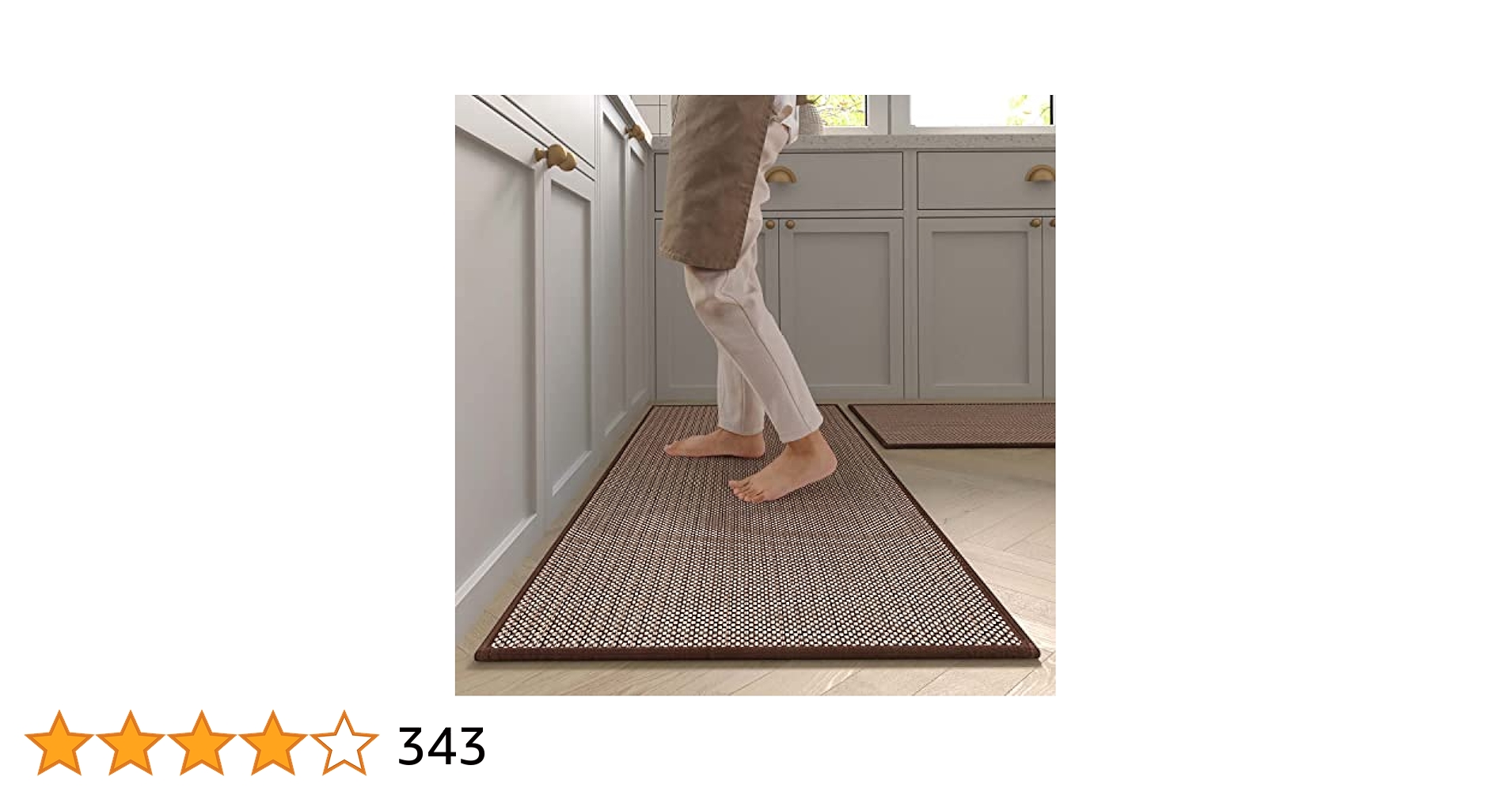
Are Kitchen Mats Normally Cleaned Everyday? Have you ever stopped to think about how often your kitchen mat gets cleaned? You probably walk on it every day, spill food, and track in dirt without even realizing it.
But is your kitchen mat really getting the attention it needs to stay fresh and safe? If you’re wondering whether kitchen mats should be cleaned every day, this article will clear up the confusion. Keep reading to discover simple tips that can protect your health and keep your kitchen looking its best.
Your kitchen mat might be dirtier than you think!

Credit: pepperwhites.com.au
Frequency Of Cleaning Kitchen Mats
Keeping kitchen mats clean is important for hygiene and safety. The frequency of cleaning depends on several factors. Understanding these can help maintain a fresh and safe kitchen environment.
Daily Cleaning Practices
Wiping kitchen mats daily helps remove crumbs and spills. Using a damp cloth or mild cleaner works well. This quick step prevents dirt buildup and stains. It also reduces bad odors and bacteria growth. Sweeping or vacuuming mats can remove loose debris every day.
Factors Influencing Cleaning Frequency
How often to clean depends on kitchen use and mat type. High-traffic kitchens need more frequent cleaning. Homes with children or pets may require daily attention. Mats made from absorbent materials need washing more often. Spills, stains, and visible dirt also call for immediate cleaning. Seasonal changes and humidity affect mat cleanliness too.
Types Of Kitchen Mats
Kitchen mats come in various types, each designed to serve specific purposes. Choosing the right mat can improve comfort, safety, and cleanliness in your kitchen. Understanding the different types helps you decide how often and how to clean them effectively.
Material Differences
Kitchen mats are made from materials like rubber, foam, vinyl, and fabric. Rubber mats offer durability and slip resistance, making them great for busy kitchens. Foam mats provide cushioning to reduce fatigue when standing for long periods.
Vinyl mats are easy to wipe clean but may wear down faster. Fabric mats add a cozy touch but can absorb spills, requiring more frequent washing. Knowing the material helps you predict how your mat will hold up and what kind of maintenance it will need.
Cleaning Requirements By Type
Cleaning depends largely on the mat’s material. Rubber and vinyl mats usually need just a wipe down or a quick rinse with water. You can often clean these mats weekly or after heavy spills without much hassle.
Foam mats require gentle cleaning to avoid damage; wiping with a damp cloth works well. Fabric mats often need machine washing or spot cleaning, sometimes even daily if spills are common. Have you noticed how fabric mats can quickly look dirty if not cleaned regularly?
Choosing the right mat means balancing comfort, safety, and how much effort you want to put into cleaning. What type suits your kitchen lifestyle best?
Daily Cleaning Tips
Daily cleaning of kitchen mats keeps them fresh and extends their life. Small efforts every day prevent dirt build-up and stains. Simple routines make a big difference in maintaining cleanliness.
Quick Wiping Techniques
Use a damp cloth or sponge to wipe the mat surface. Focus on areas with visible dirt or spills. Wiping daily stops grime from settling deep into the fibers.
- Choose a mild detergent mixed with water for better cleaning.
- Wipe the mat gently in one direction to avoid damage.
- Let the mat air dry completely before placing it back.
Spot Cleaning Methods
Address stains immediately to prevent permanent marks. Use a small brush or cloth to scrub the spot carefully. Spot cleaning avoids the need for full mat washing often.
- Apply a mixture of water and vinegar or mild soap to the stain.
- Blot the area with a clean cloth to lift the stain.
- Repeat if necessary, then dry the spot thoroughly.
Deep Cleaning Methods
Kitchen mats often collect dirt and spills but are rarely cleaned every day. Deep cleaning helps remove bacteria and grime that daily cleaning misses. Regular thorough washing keeps mats fresh and safe for kitchen use.
Deep cleaning kitchen mats might not be part of your daily routine, but it's essential for maintaining a healthy and hygienic kitchen environment. Daily foot traffic, spills, and food particles can turn your kitchen mat into a breeding ground for bacteria if not cleaned properly. So, what's the best way to deep clean these often overlooked items?
Hand Washing Steps
Hand washing your kitchen mats can be an effective method, especially for mats made of delicate materials. Start by shaking off any loose dirt or crumbs. Fill a basin with warm water and add a small amount of mild detergent. Use a soft brush or cloth to gently scrub the mat, focusing on stained or heavily soiled areas. Rinse thoroughly with clean water to remove soap residue. Hang the mat to dry completely before placing it back on the floor.
Machine Washing Guidelines
Many kitchen mats are machine washable, making this a convenient option. Check the care label for any specific instructions before tossing it in the machine. Use a gentle cycle with cold or warm water to protect the mat's fibers. Add a small amount of mild detergent—avoid using bleach as it can damage the material. Once the cycle is complete, air dry the mat or tumble dry on a low setting if the label allows. Do you ever wonder if machine washing saves time, or if hand washing offers a deeper clean? Each method has its benefits, and your choice may depend on the material of your mat and your personal preference.
Maintaining Hygiene
Maintaining hygiene in the kitchen is essential for a healthy home. Kitchen mats often collect dirt, food crumbs, and moisture. These can lead to unpleasant smells and harmful bacteria growth. Cleaning mats regularly keeps your kitchen safe and fresh.
Daily cleaning helps reduce germs and prevents sticky residues. It also makes your mats last longer and look better. Simple care routines make a big difference in kitchen cleanliness.
Preventing Mold And Bacteria
Moisture on kitchen mats invites mold and bacteria. Wipe mats daily with a damp cloth to remove spills. Use mild soap for deeper cleaning every few days. Avoid leaving wet mats on the floor for long. Let air circulate under mats to stay dry. Regular cleaning stops harmful germs from spreading in your kitchen.
Drying And Storage Tips
Dry mats completely after washing to avoid mildew. Hang mats in a well-ventilated area or lay flat to air dry. Avoid folding mats while wet, as this traps moisture. Store mats in a dry place away from heat. Proper drying and storage keep mats fresh and ready to use daily.

Credit: nestasia.in
Signs Your Kitchen Mat Needs Cleaning
Your kitchen mat is a small but important part of your cooking space. It protects your floor and provides comfort while you work. But how do you know when it’s time to clean it? Recognizing the signs can help you keep your kitchen fresh and hygienic.
Odor Indicators
If you notice any strange or unpleasant smells coming from your kitchen mat, it’s a clear sign it needs cleaning. Kitchen mats often absorb food spills, moisture, and even sweat, which can cause odors over time.
Have you ever walked into your kitchen and caught a faint, musty smell near the floor? That’s your mat silently asking for a wash. Don’t ignore these smells—they can affect the overall freshness of your kitchen.
Visible Dirt And Stains
Look closely at your kitchen mat. Are there food crumbs, sticky spots, or noticeable stains? Dirt buildup is a direct signal that your mat needs attention.
Sometimes the stains might be from dropped sauces or grease that you didn’t notice right away. Leaving these stains can make your mat look worn and unhygienic. Cleaning it regularly keeps your kitchen looking neat and inviting.
Choosing Mats For Easy Cleaning
Choosing kitchen mats that are easy to clean saves time and keeps your space hygienic. Selecting the right material and design helps maintain cleanliness with minimal effort. Focus on features that make washing and drying simple. Consider how the mat will perform under regular kitchen use.
Non-slip And Waterproof Options
Mats with non-slip backing stay in place and prevent accidents. Waterproof mats resist spills and stains, making cleanup faster. Materials like rubber or vinyl work well in wet areas. These mats can be wiped or rinsed easily without damage. Avoid mats that soak up liquids or trap dirt.
Durability Considerations
Durable mats withstand daily wear and frequent cleaning. Look for mats made from strong, flexible materials. They hold their shape and color after many washes. Cheap mats may tear or fade quickly. Investing in quality mats reduces replacement costs and hassle.
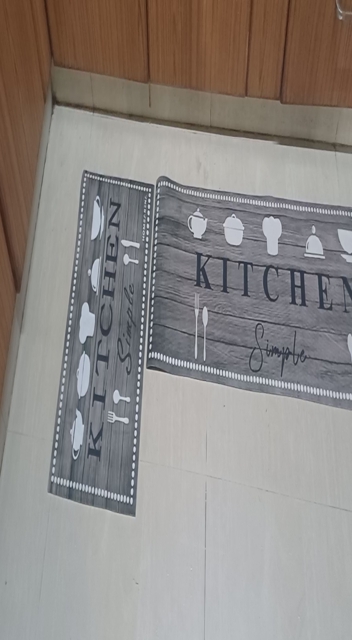
Credit: www.meesho.com
Frequently Asked Questions
Are Kitchen Mats Cleaned Every Day?
Kitchen mats are not usually cleaned every day. Daily cleaning involves quick wiping or shaking. Deep cleaning is recommended weekly to remove dirt and bacteria effectively.
How Often Should Kitchen Mats Be Washed?
Kitchen mats should be washed at least once a week. Frequent washing prevents buildup of grime and keeps mats hygienic. Spot cleaning can be done daily if needed.
What Is The Best Way To Clean Kitchen Mats?
The best way to clean kitchen mats is to vacuum or shake off debris daily. Weekly, wash mats with mild detergent and air dry completely to avoid mold.
Can Dirty Kitchen Mats Affect Kitchen Hygiene?
Yes, dirty kitchen mats can harbor germs and bacteria. This can lead to poor kitchen hygiene and potential health risks. Regular cleaning maintains a safe cooking environment.
Conclusion
Kitchen mats collect dirt and spills quickly. Cleaning them daily keeps your kitchen safe and fresh. It stops germs from spreading on the floor. A quick wipe or shake can help a lot. Regular care makes mats last longer and look good.
Clean mats also prevent slips and falls. Simple daily cleaning is easy and worth it. Your kitchen feels cleaner and more inviting. Small effort, big difference. Keep your mats clean every day for a healthier home.