
What Can You Grow from Kitchen Scraps? Have you ever wondered if the leftovers in your kitchen could grow into something new? What if you could turn scraps you normally throw away into fresh herbs, vegetables, or even fruit?
Growing plants from kitchen scraps is easier than you think, and it can save you money while adding a green touch to your home. Imagine harvesting fresh basil from a stem you almost tossed out or seeing green shoots sprout from a potato peel.
You’ll discover simple, practical ways to give your kitchen waste a second life. Keep reading to find out exactly what you can grow from your everyday scraps and how to do it step by step.
Common Kitchen Scraps To Grow
Many common kitchen scraps can grow into new plants. This helps reduce waste and saves money. Growing from scraps is simple and fun for all ages.
Some scraps regrow quickly and need little care. Others take time but reward patience with fresh produce. Below are easy types of kitchen scraps to start growing.
Vegetable Scraps
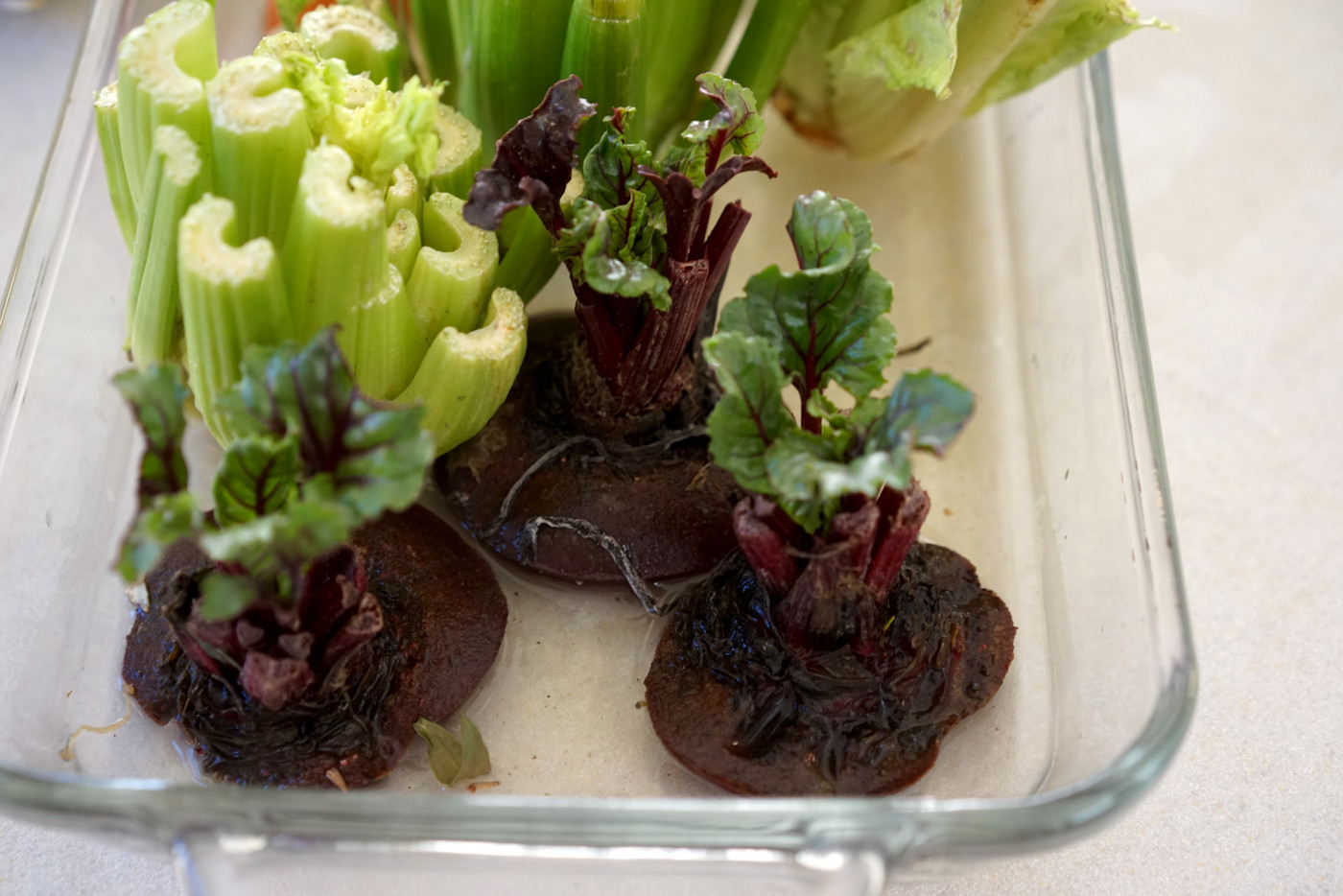
Vegetable scraps like celery, lettuce, and green onions regrow fast. Place the base of these scraps in water. Change water every few days. New leaves will start to grow from the top. After roots form, plant them in soil for better growth.
- Celery bases regrow crunchy stalks.
- Green onion roots produce fresh shoots.
- Lettuce cores sprout new leaves.
Herb Cuttings
Herb cuttings from parsley, basil, and mint grow easily in water. Snip a few inches from a healthy stem. Remove leaves from the bottom. Place the cutting in a glass of water. Roots appear in one to two weeks. Transfer to soil to keep herbs growing strong.
- Basil cuttings thrive indoors with sunlight.
- Mint spreads quickly and needs space.
- Parsley cuttings root well in water.
Fruit Seeds And Pits
Fruit seeds and pits can sprout into trees or plants. Clean seeds from apples, oranges, or lemons before planting. Avocado pits and peach stones also grow well. Plant seeds in moist soil and keep warm. Germination may take weeks or months.
| Fruit | Seed Type | Notes |
|---|---|---|
| Avocado | Pit | Use toothpicks to suspend in water before planting. |
| Apple | Seeds | Needs cold stratification for better germination. |
| Peach | Stone | Remove outer shell before planting. |
Easy Plants From Vegetable Scraps
Growing plants from vegetable scraps saves money and reduces waste. It also brings fresh greens to your kitchen. Many common vegetables regrow quickly with minimal care. These easy plants suit beginners and busy gardeners alike.
Start simple. Place scraps in water or soil, then watch new growth appear. This process connects you to nature and encourages sustainable habits.
Green Onions
Green onions regrow fast from their white root ends. Place the roots in a glass with water. Change water every few days to keep it fresh. Within a week, green shoots will sprout. Trim as needed and use in cooking. They grow well on windowsills with sunlight.
Lettuce And Romaine
Save the base of lettuce or romaine heads. Put the base in a shallow bowl of water. Keep it in a bright spot but out of direct sun. New leaves will start to grow in about a week. Transplant to soil for stronger growth. Harvest leaves gradually for fresh salads.
Celery And Bok Choy
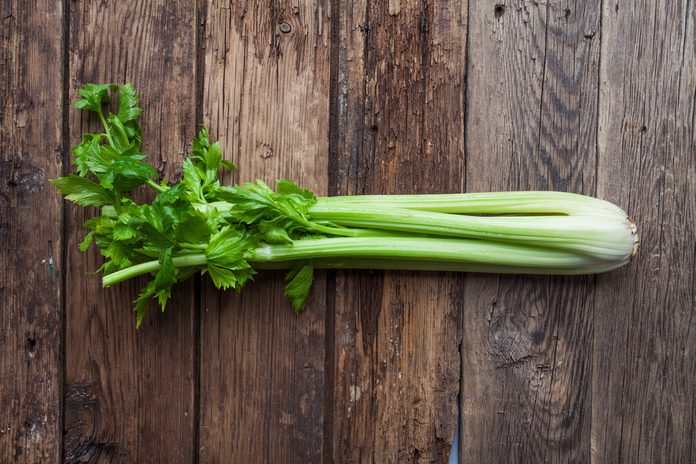
Celery and bok choy regrow from their stalk bases. Cut the base and place it in a small dish of water. Change water every two days to prevent rot. New leaves will emerge from the center. After roots form, plant in soil. These veggies thrive indoors with enough light.
Regrowing Herbs At Home
Regrowing herbs at home from kitchen scraps is a simple way to keep fresh flavors on hand and reduce waste. You don’t need a garden or special tools—just a few scraps and some patience. It’s rewarding to see green shoots emerge from what you might have tossed out.
Have you ever wondered how easy it is to turn leftover herb stems into a thriving mini garden? Let’s look at some common herbs you can regrow and how to do it effectively.
Basil And Mint
Basil and mint regrow well from cuttings placed in water. Choose healthy stems about 4 inches long, removing leaves from the bottom half. Set them in a glass of water on a sunny windowsill and change the water every few days.
Roots usually appear within one to two weeks. Once roots are a few inches long, transfer the cuttings to soil. You’ll be surprised how quickly these herbs bounce back, ready for your next meal.
Cilantro And Parsley
Cilantro and parsley can regrow from their stems if you leave about an inch of the base. Place the stems in a shallow dish of water, ensuring only the stems are submerged, not the leaves. Keep the dish in a bright spot but out of direct sunlight.
New leaves should start to sprout in about 10 days. These herbs prefer moist soil once potted, so water regularly but avoid soggy conditions. Have you tried regrowing these flavorful herbs yet?
Chives And Green Garlic
Chives and green garlic regrow easily from root ends. After using the green tops, keep the white root base with about an inch attached. Place the roots in a glass with a little water, just enough to cover the bottom.
Set the glass in a sunny spot and watch green shoots grow within days. You can snip the new greens as needed and let them regrow multiple times. This method saves money and keeps your kitchen stocked with fresh garnishes.
Credit: www.familyhandyman.com
Fruits To Regrow From Seeds
Many fruits like apples, oranges, and avocados can grow from seeds found in kitchen scraps. Planting these seeds helps reduce waste and creates fresh, homegrown produce. Regrowing fruit from scraps is simple and fun for any gardener.
Growing fruits from seeds is a rewarding experience. You can turn kitchen scraps into a lush garden. Many fruits can regrow from seeds with patience and care. Let's explore some popular choices.
Avocado Pits
Avocado pits are simple to regrow. Wash the pit gently to remove any fruit. Use toothpicks to suspend it over a glass of water. Ensure the bottom half is submerged. Place it in a sunny spot. In a few weeks, roots and a sprout will appear. Once the stem reaches 6 inches, plant it in soil. Keep the soil moist and watch it grow.
Lemon And Orange Seeds
Citrus seeds are easy to regrow. Start by cleaning the seeds thoroughly. Let them dry overnight. Plant them in a pot with damp soil. Cover with a thin layer of soil. Keep the pot in a warm, sunny place. Water regularly to keep the soil moist. The seeds will sprout in a few weeks. Enjoy watching your citrus plant thrive.
Apple And Pear Seeds
Apple and pear seeds can grow into trees. Wash the seeds and let them dry for a day. Plant them in a container with rich soil. Cover with a light layer of soil. Place the container in a sunny spot. Water the soil to keep it moist. Seedlings will appear after several weeks. With time, these seeds can grow into fruit-bearing trees.
Tips For Successful Regrowth
Growing plants from kitchen scraps is a rewarding way to reduce waste and add fresh greens to your home. However, success depends on a few key factors. Paying attention to how you regrow scraps can make all the difference between thriving plants and disappointing results.
Choosing The Right Containers
Your choice of container affects root development and overall plant health. Use containers with drainage holes to prevent water from pooling and causing root rot.
Clear containers work well for some scraps like green onions because you can watch the roots grow. Wider containers give plants more space to spread, while deeper pots suit root vegetables.
Think about what you’re growing. A shallow dish might work for lettuce scraps, but carrots need something deeper. Have you ever tried regrowing celery in a tiny cup only to see it wilt quickly? The wrong container can stunt growth fast.
Proper Watering Techniques
Too much water drowns your scraps; too little dries them out. Keep the base of your scraps just moist enough to encourage roots to form without letting the water sit stagnant.
Use a spray bottle to mist your plants daily instead of flooding them. Changing water regularly—every two or three days—prevents bacteria buildup and keeps the cuttings fresh.
Have you noticed how some scraps start turning slimy? That’s a sign you’re overwatering. Balancing moisture is simple but crucial for healthy regrowth.
Light And Temperature Needs
Light fuels photosynthesis, which your scraps need to grow new leaves and roots. Place your containers near a bright window but avoid direct harsh sunlight that can scorch tender shoots.
Most kitchen scraps prefer temperatures between 65°F and 75°F. Keeping your regrowing scraps in a stable, warm spot encourages faster growth.
Have you ever wondered why some scraps thrive by the window while others flop? It often comes down to matching their light and warmth preferences.

Credit: www.everydaycheapskate.com
Benefits Of Growing From Scraps
Growing plants from kitchen scraps offers more than just a fun gardening activity. It brings real benefits that can change how you view food and waste. By using scraps, you can make your garden more productive and your lifestyle more sustainable.
Reducing Food Waste
Do you toss vegetable ends or fruit pits without a second thought? These scraps often end up in the trash, contributing to unnecessary waste. Growing from scraps lets you transform what would be garbage into new plants, cutting down the amount you throw away.
For example, regrowing green onions or lettuce from roots means fewer trips to the store. It also encourages you to use every part of your food. Could your kitchen scraps be the start of a fresh harvest?
Saving Money
Buying seeds or seedlings costs money, but scraps are free. When you regrow veggies like celery or potatoes from leftovers, you save on grocery bills. It’s a simple way to stretch your food budget.
Imagine harvesting fresh herbs or greens right from your windowsill without spending extra. This approach turns your kitchen into a mini farm. What could you do with the money saved on produce?
Eco-friendly Gardening
Growing from scraps reduces the need for packaged seeds and plastic containers. It lowers your carbon footprint by cutting down on transportation and waste. Plus, it encourages natural recycling in your home.
Using scraps also means fewer chemicals and fertilizers since many regrown plants thrive on minimal care. This method supports a greener lifestyle with less environmental impact. How much difference could your small garden make in the bigger picture?
Common Challenges And Solutions
Growing plants from kitchen scraps is fun and eco-friendly. Challenges often appear during the process. Knowing common problems and their solutions helps keep your plants healthy. Small fixes can lead to better growth and success in your kitchen garden.
Pest Control
Pests like aphids and gnats can attack your plants. They eat leaves and damage roots. Use natural pest control methods to protect your plants. Spray water gently to remove pests. Introduce ladybugs or use neem oil for organic control. Keep the area clean and remove dead leaves to avoid pests.
Preventing Mold And Rot
Too much moisture causes mold and rot in kitchen scrap plants. Avoid overwatering by checking soil moisture first. Use well-draining soil to keep roots dry. Provide good air circulation around plants. Remove any moldy or rotten parts immediately. This keeps plants healthy and growing strong.
Dealing With Slow Growth
Slow growth happens due to poor light or weak nutrients. Place plants where they get enough sunlight daily. Use natural fertilizers like compost or diluted liquid fertilizer. Trim dead leaves to encourage new growth. Be patient as some plants take time to grow from scraps.

Credit: www.youtube.com
Frequently Asked Questions
What Kitchen Scraps Can You Regrow Easily At Home?
You can regrow green onions, celery, lettuce, and garlic from scraps. These plants root quickly in water or soil, making them ideal for beginners. Using scraps reduces waste and saves money on fresh produce.
How Do You Regrow Vegetables From Kitchen Scraps?
Place vegetable bases or stems in water or moist soil. Change water regularly to prevent rot. Once roots form, transplant into soil for continued growth. This method works well for herbs, onions, and leafy greens.
Which Fruits Can Grow From Kitchen Scraps?
Citrus seeds, avocado pits, and pineapple tops can sprout at home. These require patience and proper care like sunlight and watering. Growing fruit from scraps is rewarding but may take months to years.
Can You Grow Herbs From Kitchen Scraps?
Yes, herbs like basil, mint, and cilantro regrow well from cuttings. Place stems in water until roots develop, then plant in soil. This saves money and ensures fresh herbs always on hand.
Conclusion
Growing plants from kitchen scraps saves money and reduces waste. You can start with simple scraps like potato eyes, onion ends, and lettuce leaves. These scraps often sprout quickly and need little care. Watching new plants grow brings joy and teaches patience.
Small efforts lead to fresh herbs and veggies at home. Try it yourself and enjoy nature’s gifts every day.