

Are you tired of feeling sore and exhausted after standing for long hours in your kitchen? Your floors might be adding to your discomfort.
The right anti-fatigue kitchen mat can make a huge difference in how you feel while cooking, cleaning, or just standing around. But with so many options out there, how do you find the best one for your needs? You’ll discover exactly what makes an anti-fatigue mat effective and which features can help keep your feet, legs, and back feeling great.
Keep reading to find the perfect mat that will transform your kitchen experience and bring comfort back to your daily routine.
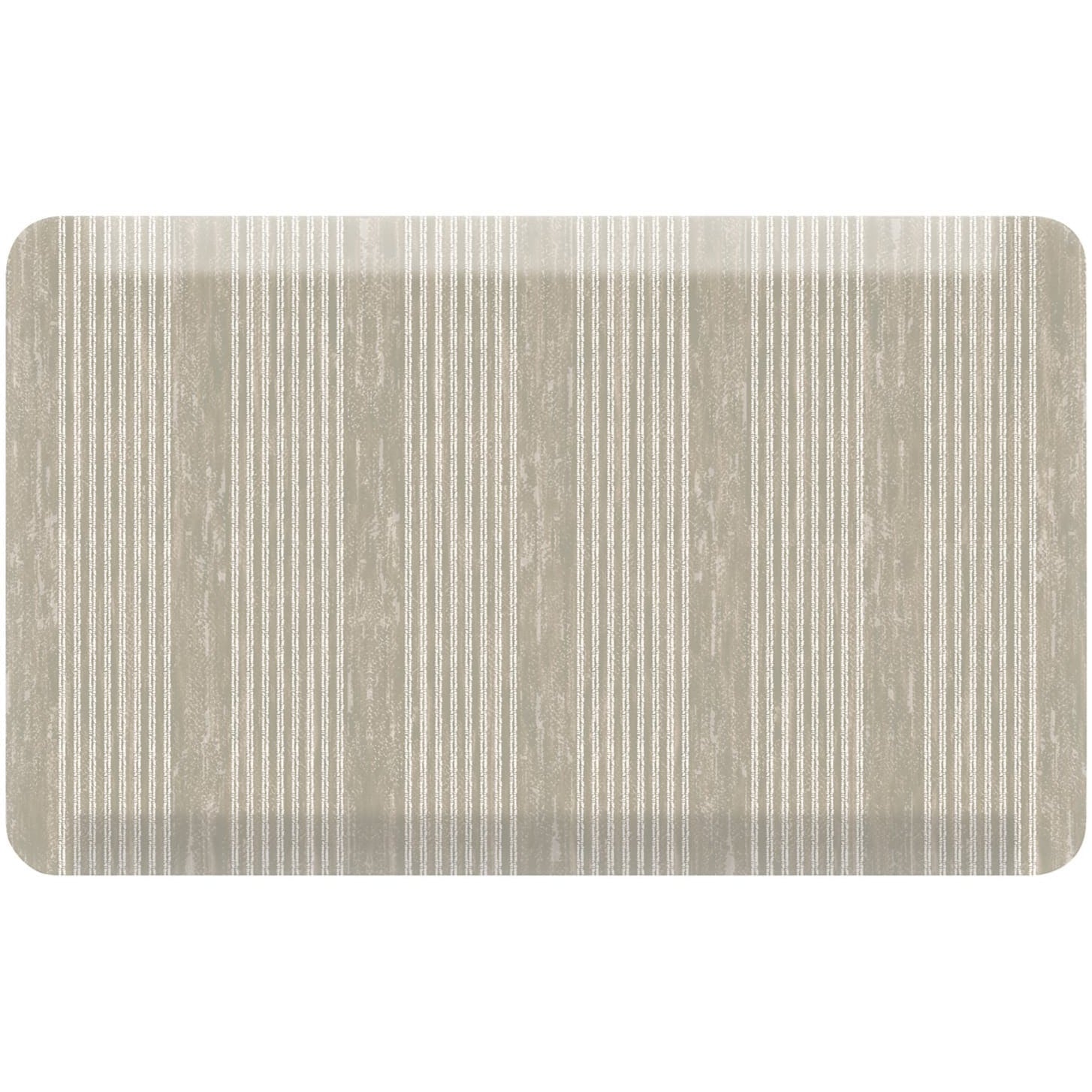
Credit: www.thehouseofnoa.com
Benefits Of Anti Fatigue Mats
Anti fatigue kitchen mats offer more than just comfort. They provide key health and safety benefits. Standing for long hours can cause pain and fatigue. These mats help reduce that strain. They improve blood flow and make kitchens safer places.
Reducing Joint Strain
Standing on hard floors puts pressure on joints. This leads to aches in knees, hips, and back. Anti fatigue mats soften the surface underfoot. They absorb shock and reduce impact on joints. This lowers pain and discomfort during long cooking sessions.
Improving Circulation
Standing still for too long slows blood flow. Poor circulation causes tired and swollen legs. These mats encourage subtle foot movement. This movement boosts blood flow in the legs. It helps keep legs fresh and less tired throughout the day.
Enhancing Kitchen Safety
Kitchen floors can become slippery and dangerous. Anti fatigue mats provide a non-slip surface to stand on. They reduce the risk of slips and falls. Many mats also have water-resistant features. This keeps the kitchen safer during busy cooking times.
Key Features To Look For
Choosing the best anti-fatigue kitchen mat requires attention to specific features. These features impact comfort, durability, and safety. Understanding these key aspects helps make a smart choice. The following sections explain important features to consider.
Material Types
Anti-fatigue mats come in various materials, each with unique benefits.
- Foam:Soft and lightweight, offers good cushioning.
- Gel:Provides excellent support and relieves pressure points.
- Rubber:Durable and slip-resistant, ideal for wet areas.
- Vinyl:Easy to clean and resistant to stains.
Select a material that fits your kitchen needs and cleaning routine.
Thickness And Density
Thickness affects comfort and support during long standing periods.
- Thicker mats usually offer better cushioning.
- Density impacts firmness and durability.
- A balance between softness and support prevents foot fatigue.
Choose thickness and density based on how long you stand daily.
Size And Shape Options
Kitchen spaces vary, so mat size and shape matter.
- Long runners fit narrow spaces along counters.
- Square or rectangular mats cover larger work areas.
- Rounded edges reduce tripping hazards.
- Choose a size that covers your standing area completely.
Proper fit ensures maximum comfort and safety in the kitchen.
Top Materials Used In Mats
Choosing the right anti-fatigue kitchen mat makes a big difference. The material is key. It affects comfort, durability, and ease of cleaning. Let’s explore the top materials used in these mats.
Gel And Foam Combinations
These mats blend gel and foam for superior cushioning. They offer a soft yet supportive feel. Gel and foam mats reduce strain on your feet and legs. They are popular for their comfort and stylish designs. Cleaning is easy, making them a practical choice.
Rubber Mats
Rubber mats are known for durability and slip resistance. They provide a firm surface that supports long periods of standing. These mats are water-resistant, which makes them perfect for kitchens. Rubber mats are easy to clean and maintain. They come in various textures and thicknesses, catering to different needs.
Memory Foam Varieties
Memory foam mats adapt to your foot shape. They offer personalized comfort and reduce pressure on your joints. These mats are soft, making them ideal for long kitchen sessions. Memory foam absorbs impact, which helps in reducing fatigue. They are available in various colors and patterns, adding aesthetic value to your space.

Credit: www.amazon.com
Comparing Popular Brands
Choosing the right anti-fatigue kitchen mat can make a huge difference in how you feel after standing for long periods. Comparing popular brands helps you find the best balance between comfort, durability, and style. Let’s take a closer look at three well-known options to see what each one offers.
Brand A Overview
Brand A stands out for its thick cushioning and ergonomic design. The mat uses high-density foam that contours to your feet, reducing pressure on joints. Many users mention how their back pain eased after switching to this mat.
It also features a non-slip surface, which keeps it securely in place even during busy cooking sessions. However, some find its size a bit small for larger kitchen areas. Would a thicker mat always mean better comfort for you?
Brand B Overview
Brand B offers a sleek, modern design that fits well in contemporary kitchens. Its material combines gel and foam layers to provide responsive support and durability. You’ll notice it stays cooler underfoot, which is great if you cook in warm environments.
The mat is easy to clean and resists stains, a practical feature for any kitchen. On the downside, a few users say it loses cushioning after several months. How important is long-term durability compared to initial comfort in your choice?
Brand C Overview
Brand C focuses on eco-friendly materials without compromising comfort. The natural rubber base and plant-based foam create a supportive yet soft surface. This mat is also water-resistant, making it easy to wipe down spills quickly.
Its larger dimensions cover more floor space, ideal for those who move around a lot while cooking. Some find the mat’s firmness a bit too much if you prefer softer cushioning. Would you trade softness for sustainability in your kitchen mat?
Maintenance And Durability Tips
Keeping your anti fatigue kitchen mat in top shape takes more than just placing it on the floor. Proper maintenance and understanding what affects its durability can save you money and keep your kitchen comfortable for years. Let’s dive into some practical tips that help you care for your mat effectively.
Cleaning Methods
Regular cleaning prevents dirt and grime from wearing down your mat’s surface. Most mats respond well to gentle cleaning with warm water and mild soap. Avoid harsh chemicals or abrasive scrubbing, which can damage the material.
If you notice spills, wipe them up immediately to avoid stains setting in. For tougher messes, a soft brush can help lift debris without scratching. Dry your mat completely after cleaning to prevent mold or mildew buildup.
Longevity Factors
The lifespan of your mat depends on the quality of its material and how you use it daily. High-density foam mats usually last longer but can compress over time if subjected to heavy, constant pressure. Avoid standing in the same spot for hours to reduce wear.
Temperature also plays a role—extreme heat or cold can cause some mats to crack or lose flexibility. If your kitchen gets very warm near appliances, consider placing your mat slightly away from direct heat sources.
Storage Advice
When you need to store your mat, roll it loosely instead of folding it to prevent creases or damage. Store it in a dry, cool area away from direct sunlight, which can fade colors and weaken materials.
Think about where you keep it during off-seasons or renovations—keeping it near heavy objects can cause unwanted pressure marks. Do you have a dedicated spot for your kitchen essentials? Adding your mat there can protect its shape and extend its life.
Price Ranges And Value
Choosing the right anti fatigue kitchen mat depends on your budget and the value you want. Mats come in various price ranges, each offering different features and comfort levels. Understanding these price points helps you find the best fit for your kitchen and your wallet.
Budget-friendly Options
Budget mats usually cost less than $30. They offer basic cushioning and reduce some fatigue. These mats often use simple foam or gel materials. They work well for short periods of standing. Expect fewer design options and shorter lifespans. Good for small kitchens or occasional use.
Mid-range Choices
Mats in this range typically cost between $30 and $70. They use higher quality materials for better support. Many include features like anti-slip surfaces and stain resistance. These mats provide more comfort for longer cooking sessions. They balance price and durability nicely. Suitable for regular kitchen use and moderate budgets.
Premium Mats Worth Investing In
Premium mats often cost over $70 and offer superior comfort. They use advanced materials like memory foam or gel layers. These mats reduce pressure on feet, legs, and back effectively. Many come with stylish designs and longer warranties. Ideal for those who spend hours cooking or standing. A smart choice for long-term comfort and quality.
User Experiences And Reviews
User experiences and reviews offer valuable insights into the best anti fatigue kitchen mats. They reveal real-life comfort, durability, and design. Reading these opinions helps to understand what works and what doesn’t.
Many users share honest feedback about their daily use. These reviews highlight strengths and weaknesses. They also guide buyers toward informed decisions.
Positive Feedback
- Users praise mats for reducing foot and back pain during long cooking sessions.
- Many mention the soft yet firm cushioning that supports standing for hours.
- Easy cleaning and non-slip features receive frequent compliments.
- Several appreciate the mats’ stylish look that fits modern kitchens.
- Durability stands out as a common positive point, lasting months without wear.
Common Complaints
- Some users report mats becoming slippery when wet.
- A few mention a strong odor when first unpacked, fading after airing out.
- Thin mats may lose cushioning quickly according to some reviews.
- Edges curling up over time is a complaint in several cases.
- Price is sometimes seen as high for lower-quality materials.
Expert Recommendations
- Look for mats with high-density foam for better support and longevity.
- Non-slip backing is essential for safety in kitchen environments.
- Choose mats that are easy to clean and resistant to stains.
- Consider size and thickness based on your kitchen layout and standing time.
- Experts advise checking user reviews to match mats with specific needs.
Choosing The Right Mat For Your Kitchen
Choosing the right anti-fatigue kitchen mat can make a huge difference in your daily cooking experience. It’s not just about comfort; it’s about finding a mat that fits your unique kitchen space and style. Let’s break down how you can select the perfect mat that works for you.
Assessing Your Needs
Start by thinking about how long you typically stand in the kitchen. Do you spend hours prepping meals or just quick snacks? The thickness and material of the mat should reflect this—thicker mats provide more cushioning for longer standing periods.
Consider any health issues like joint pain or back discomfort. Some mats offer extra support or ergonomic features designed to reduce strain. Also, think about ease of cleaning—if your kitchen gets messy often, a water-resistant and easy-to-wipe mat will save you time.
Matching Mat To Kitchen Layout
Look at the size and shape of your kitchen workspace. Do you have a narrow area in front of the sink or a large island where you cook? Choose a mat that fits these spaces without causing tripping hazards.
Measure carefully—too small and it won’t offer the support you need; too large and it might get in the way. Some mats come in modular pieces, letting you customize the shape to match your kitchen layout perfectly.
Considering Aesthetics
Your kitchen is a space you spend a lot of time in, so the mat should complement your décor. Do you prefer bold colors to brighten the room or neutral tones that blend in?
Texture and pattern also matter. A mat with a subtle texture can add interest without overwhelming your design. Think about how the mat will look with your flooring—will it highlight or clash with it?
What’s your priority: comfort, style, or a balance of both? Your answer will guide you to the best choice for your kitchen.

Credit: www.tasteofhome.com
Frequently Asked Questions
What Makes The Best Anti Fatigue Kitchen Mat?
The best anti fatigue kitchen mat offers comfort, durability, and slip resistance. It reduces leg and back pain during long standing periods. Quality foam or gel materials improve support and cushioning. Easy cleaning and non-slip backing are also essential features.
How Does An Anti Fatigue Mat Reduce Kitchen Fatigue?
Anti fatigue mats absorb pressure from standing, improving blood flow. They reduce muscle strain and joint stress in legs and feet. This leads to less discomfort and fatigue while cooking or cleaning. The cushioning effect helps maintain posture and energy.
Are All Anti Fatigue Kitchen Mats Washable?
Most anti fatigue kitchen mats are easy to clean with mild soap and water. Some models are machine washable, but check manufacturer instructions first. Mats with stain-resistant surfaces resist spills and dirt. Regular cleaning maintains hygiene and mat longevity.
Can Anti Fatigue Mats Prevent Kitchen Injuries?
Yes, anti fatigue mats reduce slip risks with non-slip backing. They provide stable footing, decreasing chances of falls. The cushioning also absorbs shocks, protecting joints during sudden movements. Proper mat use enhances kitchen safety and comfort.
Conclusion
Choosing the best anti fatigue kitchen mat can ease your daily standing. Comfort and support reduce tired feet and back pain. Look for mats that offer good cushioning and durability. A simple mat can make cooking and cleaning more pleasant.
Remember, your comfort matters in the kitchen. Pick a mat that fits your needs and space well. Enjoy a more comfortable kitchen experience every day.