
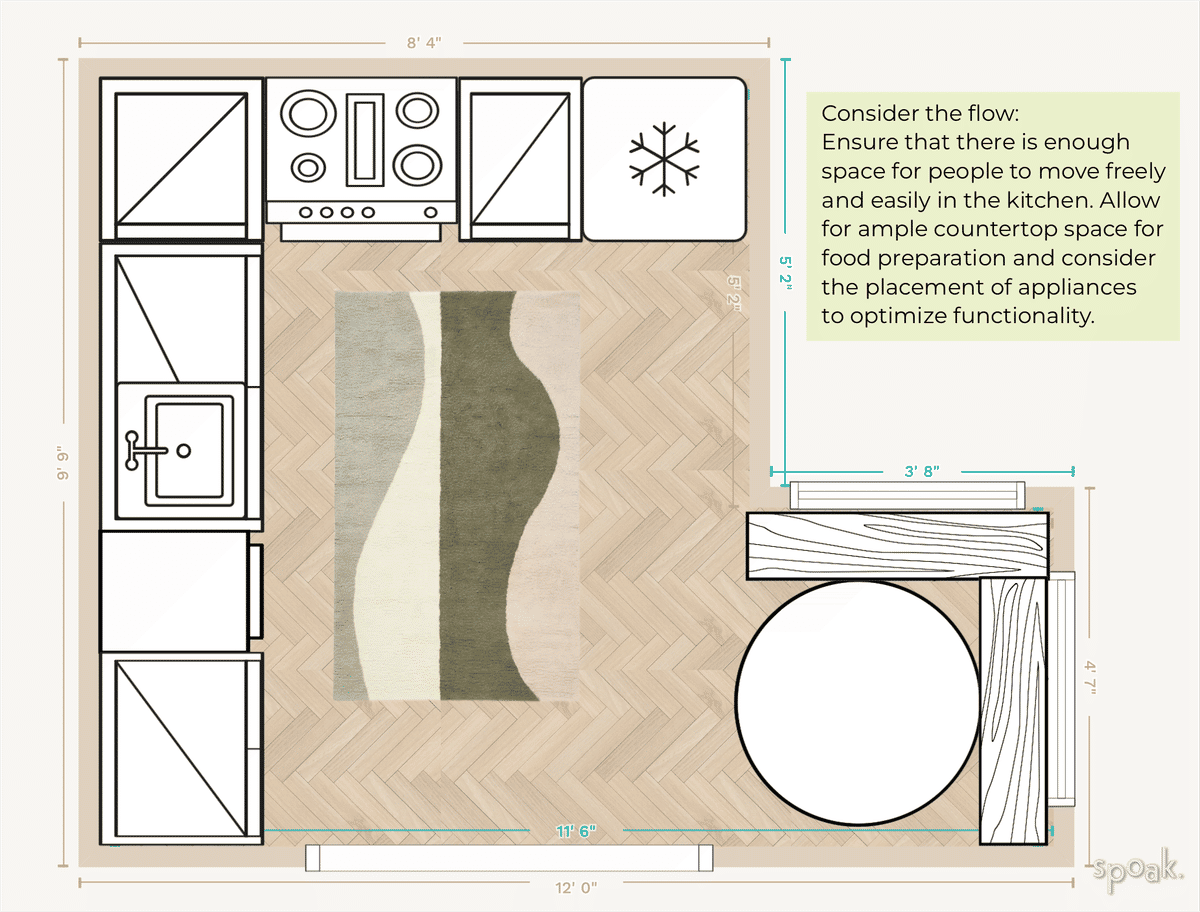
Are you thinking about designing your dream kitchen but don’t know where to start? Drawing an L shaped kitchen is easier than you might think, and it’s the perfect way to create a space that’s both functional and stylish.
Whether you’re planning a remodel or just sketching ideas, this guide will help you visualize every detail clearly. By the end, you’ll have the confidence to draw your own L shaped kitchen layout that fits your needs and makes cooking a joy.
Ready to see how simple it can be? Let’s get started!
Benefits Of L Shaped Kitchens
The benefits of L shaped kitchens make them a popular choice for many homeowners. This layout combines efficiency with style, allowing you to make the most out of your kitchen space. Whether your kitchen is small or large, an L shaped design adapts well to different needs and preferences.
Maximizing Space
L shaped kitchens use two adjacent walls, freeing up more open floor area. This setup fits perfectly into corners, often turning underused space into functional zones.
You can add extra cabinets or shelves along the walls without overcrowding the room. This means more storage without losing walking space, especially useful in smaller homes.
Enhancing Workflow
The L shape naturally creates a work triangle between the sink, stove, and refrigerator. This keeps everything within easy reach, reducing unnecessary steps while cooking.
Think about how much time you spend moving around your kitchen. With an L shaped design, your cooking flow becomes smoother, saving effort and keeping you focused on your meal.
Creating Open Layouts
This kitchen style often opens up to dining or living areas, promoting a connected and social environment. You can chat with guests or keep an eye on kids while preparing food.
Open layouts also let natural light spread throughout the space, making your kitchen feel bright and welcoming. Could a more open kitchen change how you entertain or relax at home?
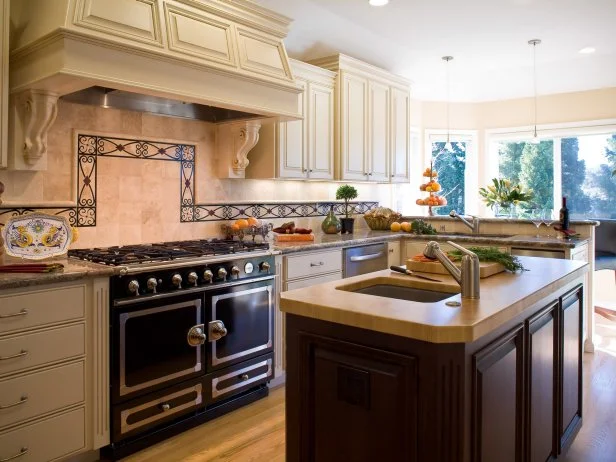
Credit: www.hgtv.com
Essential Tools And Materials
Gathering the right tools and materials is key for drawing an L shaped kitchen. Accurate measurements and clear sketches create a solid plan. Using proper supplies makes the drawing process easier and more precise. Choose tools that fit your skill level and project needs.
Measuring Tools
- Tape measure: Essential for taking room dimensions and cabinet sizes.
- Laser measure: Offers quick, precise distance readings for larger spaces.
- Ruler or straight edge: Helps draw straight lines with accuracy.
- Level: Ensures your kitchen layout stays even and balanced.
Drawing Supplies
- Graph paper: Useful for scaling your kitchen design accurately.
- Pencils: Choose soft pencils for easy corrections and clear lines.
- Eraser: Correct mistakes without damaging the paper or design.
- Colored markers or pens: Highlight different kitchen elements and zones.
Design Software Options
- SketchUp: User-friendly 3D modeling tool for detailed kitchen plans.
- RoomSketcher: Simple software for creating floor plans and layouts.
- AutoCAD: Advanced option for precise and professional kitchen designs.
- HomeByMe: Online tool with drag-and-drop features for easy use.
Planning Your Kitchen Layout
Planning your kitchen layout is the first step in drawing an effective L shaped kitchen. A well-planned layout helps use space wisely. It makes cooking and cleaning easier. Careful planning also ensures the kitchen looks balanced and functional.
Determining Kitchen Dimensions
Start by measuring the length and width of the kitchen area. Note the position of doors, windows, and any fixed features. These details affect the placement of cabinets and appliances. Draw a rough floor plan with accurate measurements. This plan guides the shape and size of your L shaped kitchen.
Identifying Key Zones
Divide the kitchen into main zones for better workflow. These zones include cooking, cleaning, and storage areas. Place the cooking zone near the stove and oven. The cleaning zone should be near the sink and dishwasher. Storage zones hold food, utensils, and cookware. Proper zoning saves time and effort during kitchen tasks.
Choosing Appliance Placement
Choose the best spots for major appliances in the L shaped kitchen. Keep the refrigerator at one end for easy access. Place the stove along one leg of the L for safety and space. The sink fits well on the other leg, close to the dishwasher. Leave enough counter space between appliances for food prep. Appliance placement affects kitchen flow and comfort.

Credit: cadbull.com
Step-by-step Drawing Process
Creating an L-shaped kitchen drawing involves a clear, step-by-step approach. This method helps visualize the layout effectively. Follow these simple steps to draw your ideal kitchen space.
Sketching The Basic Shape
Begin with the kitchen's main outline. Draw two lines forming an 'L' shape. Ensure one line is longer, representing the primary workspace. Keep proportions realistic to your room size.
Adding Cabinets And Counters
Next, draw rectangles along the L-shape for cabinets. Position the upper cabinets above the counters. Add base cabinets below. Include counters by drawing thin rectangles atop base cabinets.
Incorporating Appliances And Fixtures
Add key appliances like the stove, refrigerator, and sink. Place the stove along the longer line. Position the refrigerator at the shorter end. Draw the sink between these for easy access.
Tips For Perfect Proportions
Achieving perfect proportions in an L shaped kitchen makes the space functional and comfortable. Proper layout planning helps balance work areas and storage. Smart design keeps the kitchen efficient and visually appealing.
Maintaining Work Triangle
The work triangle links the sink, stove, and refrigerator. These three points should be close but not crowded. Keep each side of the triangle between 4 and 9 feet. Avoid obstacles in this path to move freely.
This layout saves time and effort during cooking. It prevents unnecessary steps and improves kitchen flow.
Allocating Counter Space
Counter space is vital for food prep and small appliances. Leave enough room on either side of the sink and stove. Ideally, 36 inches near the sink and 24 inches near the stove works well.
Use corners wisely to add extra workspace. Avoid clutter by keeping counters clear and organized.
Ensuring Adequate Storage
Storage must be easy to reach and well-organized. Use base cabinets and wall units to maximize space. Drawers work better for pots, pans, and utensils than shelves.
Consider tall cabinets for pantry items. Plan storage so items used often are closest to work areas.
Common Mistakes To Avoid
Designing an L-shaped kitchen can be exciting, but there are common pitfalls that can turn your dream space into a daily frustration. Avoiding these mistakes will save you time, money, and headaches. Let’s look at some key areas where many people slip up and how you can steer clear of these issues.
Overcrowding The Layout
It's tempting to fit every gadget and cabinet into your kitchen, but overcrowding kills both function and style. Too many elements crammed into the L shape limit your workspace and make movement difficult.
Think about what you really use daily. Do you need that extra island or a wall full of upper cabinets? Sometimes less is more, especially when you want to keep the area open and efficient.
Ask yourself: Does this addition block easy access to appliances or the sink? If yes, it’s probably overcrowding.
Ignoring Traffic Flow
How people move through your kitchen matters more than you might realize. Ignoring natural traffic patterns can cause bottlenecks and frustration, especially during busy meal times.
Make sure the walkways around the L shape are wide enough for at least two people. Avoid placing the refrigerator or oven in spots where opening doors block passage.
Think about your daily kitchen routine. Does the layout allow smooth movement between cooking, cleaning, and storage? If you hesitate or have to go around obstacles, it’s time to rethink.
Neglecting Lighting Needs
Good lighting can transform an L-shaped kitchen from dull to delightful. Many overlook this and end up with dark corners that make cooking a chore.
Layer your lighting: use ceiling lights for general brightness, under-cabinet lights for work areas, and maybe a pendant light over a breakfast nook.
Consider natural light too. If your kitchen has windows, arrange your layout to maximize daylight. Poor lighting not only affects mood but also safety in the kitchen.
Customizing Your Design
Customizing your L shaped kitchen design lets you tailor the space to fit how you live and cook. It’s not just about placing cabinets and appliances; it’s about creating a kitchen that feels personal and works well daily. Small changes can make a big difference in functionality and style.
Adding Islands Or Peninsulas
Islands and peninsulas add valuable workspace and storage to your L shaped kitchen. An island in the center can serve as a prep area or a spot for casual dining. Peninsulas, attached to one leg of the L, help define the kitchen boundary and offer extra counter space without crowding the room.
Think about how you move around while cooking. Would you benefit more from an island you can walk around, or a peninsula that creates a natural divide? Also, consider the size of your kitchen—too big an island can block traffic flow and make the space feel cramped.
Incorporating Seating Areas
Seating areas in your kitchen turn it into a social hub. Adding bar stools at the island or peninsula invites family and friends to gather while you cook. Even a small breakfast nook tucked into the corner can make the kitchen feel welcoming and practical.
What kind of seating fits your lifestyle? Do you want a quick spot for morning coffee or a place where guests can linger and chat? Choosing the right seating arrangement can transform your kitchen from just a cooking zone to a lively gathering place.
Choosing Styles And Finishes
Your choice of styles and finishes sets the tone for the entire kitchen. From sleek modern cabinets to rustic wood textures, the options are endless. Mixing different materials, like matte cabinets with glossy countertops, adds depth and interest.
Consider durability alongside aesthetics. Matte finishes hide fingerprints well, while glossy surfaces reflect light and brighten the space. How do you want your kitchen to feel—cozy and warm or bright and airy? Your design choices should answer that question clearly.
Finalizing Your Drawing
Finalizing your drawing is the last and most crucial phase of designing your L shaped kitchen. This step ensures accuracy and prepares your plan for a smooth installation. Attention to detail here saves time and avoids costly mistakes later.
Reviewing Measurements
Check every dimension carefully. Confirm the length of each wall and placement of cabinets. Measure doorways, windows, and appliances spaces. Use a tape measure or digital tool. Mark any changes or adjustments clearly on your drawing. Double-checking prevents errors during construction.
Seeking Professional Feedback
Show your drawing to a kitchen designer or contractor. They can spot issues you might miss. Ask for advice on workflow, space use, and safety. A professional’s input improves the kitchen’s function and style. Consider their suggestions and update your plan accordingly.
Preparing For Installation
Organize your final drawing and related documents. Create a clear list of materials and tools needed. Share the plan with your installer or builder. Make sure they understand every detail. Proper preparation speeds up installation and ensures a better kitchen.
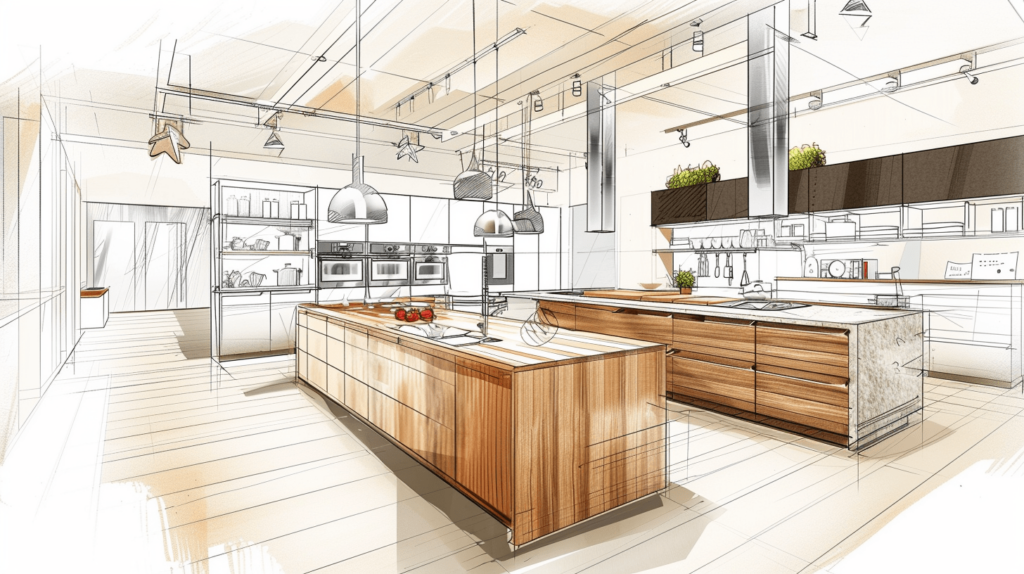
Credit: alocokitchens.ie
Frequently Asked Questions
What Are The Essential Steps To Draw An L Shaped Kitchen?
Start by sketching the two perpendicular walls. Add cabinets, countertops, and appliances along both walls. Include dimensions for accuracy. Finish with details like windows and lighting.
How To Plan Countertop Space In An L Shaped Kitchen?
Allocate ample continuous countertop space on both walls. Ensure at least 24 inches between the sink and stove. Balance prep and cooking areas for efficient workflow.
Which Appliances Fit Best In An L Shaped Kitchen?
Common choices include a fridge, stove, and sink along the walls. Position appliances to create a functional work triangle. Choose sizes that complement available space.
How To Maximize Storage In An L Shaped Kitchen?
Use upper and lower cabinets along both walls. Add corner cabinets or lazy Susans for hard-to-reach spots. Incorporate drawers and pull-out shelves for easy access.
Conclusion
Drawing an L shaped kitchen can be simple and fun. Start with clear measurements and basic shapes. Add cabinets, appliances, and counters step by step. Keep your lines clean and details clear. This design works well in many homes. It saves space and helps with cooking flow.
Practice often to improve your skills. Soon, you will draw kitchens with confidence. Try different ideas to find your style. Enjoy creating your perfect kitchen layout.