
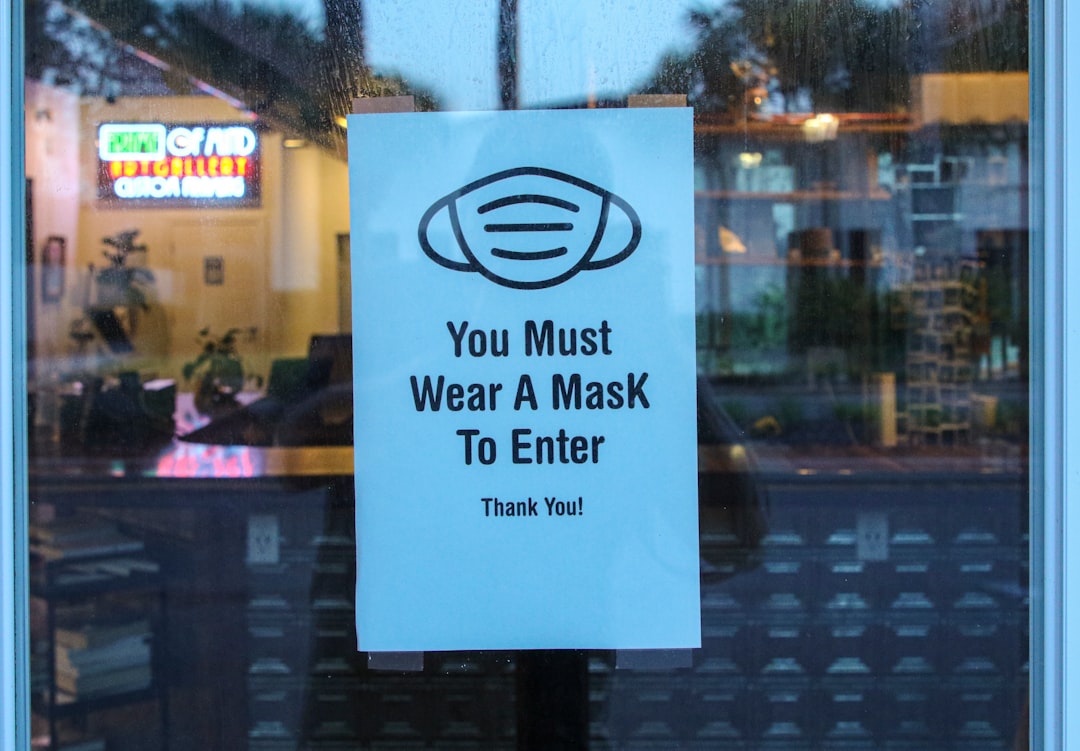
Are you wondering if kitchen employees need to wear masks while working? Whether you run a restaurant, manage a café, or just want to understand the rules better, this question matters a lot.
Masks can affect safety, comfort, and how your team works together. Keep reading to discover what the current guidelines say, why masks might still be important, and how this impacts your kitchen every day. You’ll get clear answers that help you make smart decisions for your staff and customers.
Mask Mandates In Kitchens
Mask mandates in kitchens have become a hot topic as businesses navigate health and safety during ongoing public health concerns. Whether kitchen staff must wear masks depends on various factors including regulations, type of establishment, and current health advisories. Understanding these mandates helps you ensure safety without disrupting your kitchen’s workflow.
Current Regulations
Health authorities like the CDC and OSHA provide guidelines on mask usage in food preparation areas. Many kitchens require employees to wear masks to minimize contamination risks, especially in close-contact environments.
Some regulations focus on protecting vulnerable workers or customers, while others emphasize maintaining hygiene standards. For instance, during recent outbreaks, several states reinstated mandatory masks for kitchen employees to reduce virus transmission.
Are you aware of how these rules impact your kitchen’s daily operations? Knowing this can help you plan shifts, breaks, and sanitation routines more effectively.
Local Vs National Rules
Local health departments often set mask requirements that can be stricter than national guidelines. This means your kitchen may have to follow city or county mandates even if federal rules are more relaxed.
For example, a restaurant in New York City might need all kitchen staff to wear masks, while a similar establishment in a less regulated area might not. This variation can affect your hiring, training, and compliance strategies.
Checking with local authorities regularly ensures your kitchen stays compliant and avoids penalties. How often do you review local health updates to adjust your mask policies?
Health Benefits Of Masks
Wearing masks in the kitchen isn't just about following rules; it carries clear health benefits that can affect everyone around you. Understanding these benefits can help you appreciate why masks remain important in food preparation areas.
Preventing Contamination
Masks act as a barrier to stop droplets from your mouth or nose from reaching food or surfaces. This reduces the chance of spreading germs and bacteria while you work.
Imagine preparing a fresh salad or slicing vegetables without worrying if tiny particles could land on the food. Masks help you maintain that level of cleanliness effortlessly.
Protecting Employees And Customers
When you wear a mask, you protect not only yourself but also your coworkers and the people who eat the food you prepare. This shared protection helps keep the kitchen environment safer.
Think about a time when a team member caught a cold and still came to work. If everyone wore masks, the risk of spreading illness would drop significantly, keeping the entire team healthier.
Types Of Masks For Kitchen Staff
Choosing the right mask for kitchen staff is crucial for safety and comfort. Different types of masks offer various levels of protection and breathability. Understanding these options helps you decide what fits best for your kitchen environment.
Cloth Masks
Cloth masks are reusable and often made from cotton or polyester blends. They provide basic protection by reducing the spread of droplets but are less effective against smaller particles. Many kitchen workers prefer them for comfort during long shifts, especially in hot kitchens.
However, cloth masks need regular washing to stay hygienic. Have you noticed how some fabrics feel cooler or more breathable during intense cooking hours? Choosing the right material can make a big difference in your comfort.
Surgical Masks
Surgical masks are disposable and designed to block large droplets and sprays. They offer better filtration than cloth masks and are widely used in food service settings for hygiene. These masks are lightweight and generally comfortable, but they need to be replaced frequently.
Using surgical masks helps reduce the risk of contaminating food with saliva or respiratory droplets. Think about how often you touch your mask during a busy shift—disposables can reduce the chance of transferring germs that way.
Respirators
Respirators like N95 masks provide the highest level of protection by filtering out very small particles. They are usually reserved for environments with higher health risks, but some kitchens might use them during outbreaks or for vulnerable staff. These masks fit tightly and can feel restrictive.
Wearing a respirator in the kitchen can be uncomfortable due to heat and moisture buildup. Ask yourself if your kitchen conditions justify this level of protection, balancing safety with practicality for your team.
Compliance Challenges
Compliance with mask mandates in kitchen settings presents unique challenges. Ensuring safety and adherence to regulations is vital. Yet, achieving this balance can be difficult. Workers face obstacles that impact both their comfort and communication.
Comfort And Breathability
Masks can be uncomfortable for kitchen staff working long hours. Heat and humidity in kitchens add to discomfort. Breathability becomes a serious issue. Employees may struggle to breathe easily, affecting their performance. Finding masks that balance safety and comfort is essential.
Communication Barriers
Masks can hinder verbal communication among kitchen employees. Clear speech is crucial in busy kitchen environments. Masks can muffle voices, leading to misunderstandings. This can disrupt workflow and safety. Finding solutions to improve communication while wearing masks is important. Consider using clear masks or alternative communication methods.
Enforcement And Penalties
Enforcement and penalties ensure kitchen mask rules are followed strictly. These rules protect both employees and customers from health risks. Authorities monitor compliance and take action against violations. Understanding employer duties and consequences helps maintain a safe workplace.
Employer Responsibilities
Employers must provide masks to kitchen staff at no cost. They should train employees on proper mask use and hygiene. Regular checks help ensure rules are followed during shifts. Employers must also keep records of compliance efforts. Clear communication about mask policies is essential.
Consequences Of Non-compliance
Failing to enforce mask rules can lead to fines for businesses. Penalties vary by location but can be costly. Repeat violations might result in temporary closure of the establishment. Non-compliance risks employee health and damages business reputation. Authorities may also require corrective actions to regain compliance.
Best Practices For Mask Usage
Wearing masks properly in the kitchen helps reduce the spread of germs. Employees must follow best practices to keep themselves and customers safe. Using masks the right way and maintaining them is key to effective protection. Below are some simple tips to ensure mask use is both safe and comfortable.
Proper Wearing Techniques
- Cover both nose and mouth completely.
- Fit the mask snugly against the sides of the face.
- Avoid touching the mask while working.
- Secure the mask with ear loops or ties to prevent slipping.
- Check for gaps and adjust as needed.
- Remove the mask by the straps, not the front.
Mask Maintenance And Replacement
- Wash reusable masks daily with hot water and detergent.
- Let masks dry completely before reuse.
- Use disposable masks only once and discard properly.
- Replace masks that are wet, dirty, or damaged immediately.
- Store clean masks in a clean, dry place.
- Keep multiple masks available to change during shifts.
Impact On Kitchen Operations
The requirement for kitchen employees to wear masks affects daily operations in many ways. It changes how staff interact, work, and feel during their shifts. Understanding these impacts helps managers create a smooth workflow while keeping safety a priority.
Employee Morale
Wearing masks can make employees feel uncomfortable or hot. Some may find it hard to communicate clearly with teammates. This can lead to frustration or stress.
Still, knowing masks protect everyone builds trust. Workers often feel safer and cared for. Positive morale grows when employees see health as a shared goal.
Efficiency And Safety Balance
Masks may slow down some tasks, like speaking or breathing easily. This can affect speed and teamwork in a busy kitchen.
Managers must find a balance. Safety cannot be ignored, but work must stay efficient. Clear rules and regular breaks help maintain this balance.
- Provide breathable mask options
- Encourage short mask-free breaks in safe areas
- Train staff on clear communication methods
Following these steps supports both safety and smooth kitchen operations.
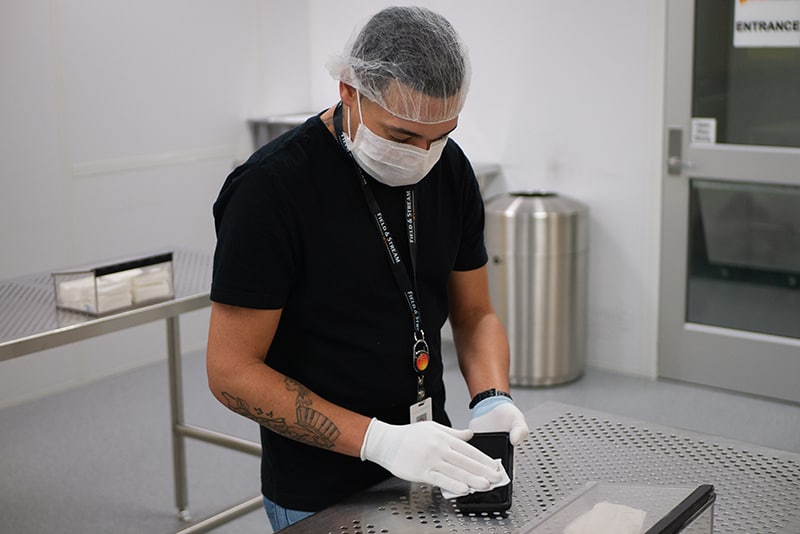
Credit: gf.com
Frequently Asked Questions
Are Kitchen Employees Legally Required To Wear Masks?
Mask mandates for kitchen employees vary by location and health guidelines. Many regions recommend masks to prevent contamination, but legal requirements depend on local laws and health authority directives.
Do Masks Improve Kitchen Hygiene And Safety?
Yes, masks help reduce airborne germs and protect food from contamination. Wearing masks in kitchens enhances hygiene, promoting a safer environment for both staff and customers.
When Should Kitchen Staff Wear Masks?
Kitchen staff should wear masks during food preparation, handling, and when social distancing isn’t possible. Masks are crucial in preventing virus spread and maintaining sanitary conditions.
Can Wearing Masks Affect Kitchen Employee Comfort?
Masks may cause slight discomfort but are essential for health safety. Proper mask selection and breaks can help employees stay comfortable while maintaining safety standards.
Conclusion
Wearing masks in kitchens helps keep workers and customers safe. Many rules ask kitchen staff to wear masks during busy times. Masks can stop germs from spreading while handling food. Each place may have different mask rules to follow. Staying updated on local guidelines is very important.
Wearing a mask shows care for health and safety. It also helps kitchens run smoothly without interruptions. Keeping kitchens safe means healthier food and happier people. Simple steps like masks make a big difference every day.