
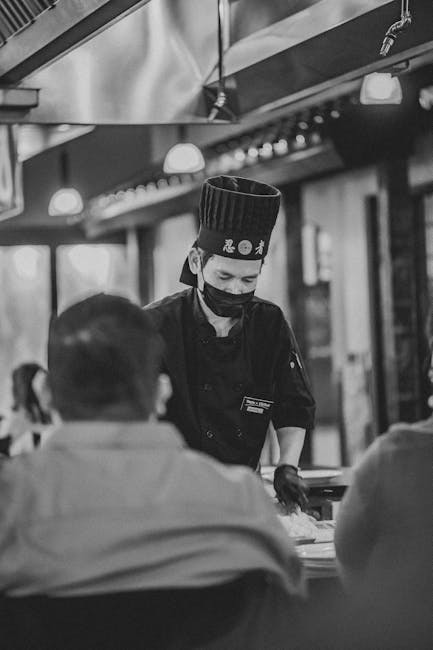
Have you ever wondered if kitchen staff really need to wear masks while preparing your food? Whether you’re a restaurant owner, a chef, or just someone who cares about food safety, this question matters to you.
Masks can feel uncomfortable, but they might play a key role in keeping your kitchen clean and your meals safe. You’ll discover the reasons behind mask-wearing rules, how they protect everyone involved, and what the latest guidelines say. Keep reading to find out what you should expect the next time you dine out or work behind the scenes in a kitchen.

Credit: www.weforum.org
Mask Requirements For Kitchen Staff
Mask requirements for kitchen staff vary depending on health guidelines, employer rules, and specific situations. Understanding these factors helps you stay compliant and protect both your team and customers. Let’s break down what you need to know to navigate mask use in the kitchen effectively.
Current Health Regulations
Health authorities set rules based on local COVID-19 trends and food safety standards. In many areas, masks are mandatory in food preparation zones to reduce contamination risks. However, these rules can change quickly, so checking your local health department’s website regularly is essential.
For instance, some states require masks only during outbreaks or when social distancing isn’t possible. Are you aware of the exact regulations in your area? Staying informed helps avoid fines and keeps your kitchen running smoothly.
Employer Policies
Your workplace might have stricter rules than local laws. Employers often require masks to protect employees and customers, even if it’s not legally required. This can include all kitchen staff or only those handling ready-to-eat foods.
Remember when a friend told me her restaurant required masks despite lifted mandates? It showed me how businesses prioritize safety and customer trust. What’s your employer’s mask policy? Following it is key to job security and workplace health.
Situations Necessitating Masks
Even if not always required, masks become crucial in certain situations. These include:
- Handling food that won’t be cooked again
- Working in close proximity to others
- Experiencing symptoms or recent exposure to illness
Wearing a mask in these moments protects everyone and prevents potential outbreaks. Have you noticed how mask use can boost confidence among your coworkers and customers? It’s a simple step with a big impact.

Credit: merchants.ubereats.com
Benefits Of Wearing Masks In The Kitchen
Wearing masks in the kitchen offers clear benefits that go beyond just following rules. It helps create a safer, cleaner environment where food is prepared with care. Understanding these benefits can help you see why masks might be essential in your kitchen routine.
Reducing Contamination Risks
Masks act as a barrier to stop droplets from your mouth and nose from landing on food or surfaces. This simple step cuts down the chance of spreading germs that can spoil food or cause illness.
Think about a time when you sneezed unexpectedly in a busy kitchen—wearing a mask could have prevented germs from spreading. It's a small action that makes a big difference in keeping contamination out of your workspace.
Protecting Staff And Customers
Wearing masks protects both kitchen staff and customers by lowering the risk of airborne illnesses. Staff members work closely together, so masks help reduce the chance of passing infections around.
Customers also feel safer knowing you take extra steps for their health. This trust can boost your reputation and encourage repeat visits, which benefits your business directly.
Maintaining Food Safety Standards
Masks support compliance with food safety regulations, which often require minimizing contamination risks. Following these standards helps you avoid penalties and maintains your kitchen’s credibility.
Keeping masks on shows your commitment to hygiene and professionalism. When you prioritize safety, you set a positive example for your team and create a culture where food safety is a top priority.
Types Of Masks Suitable For Kitchen Use
Choosing the right mask for kitchen staff is more than a safety measure; it impacts comfort and hygiene throughout the shift. The type of mask you wear can influence how well you breathe, how often you need to replace it, and how it affects your interaction with food and coworkers. Understanding the different mask options can help you pick one that fits your kitchen environment and health standards.
Disposable Masks
Disposable masks are widely used in kitchens due to their convenience and hygiene. They are designed for single use, which reduces the risk of contamination. If you want a mask that you can throw away after a shift or after it becomes damp, these are a good choice.
Most disposable masks are made from lightweight materials and provide a good balance of breathability and protection. However, they may not be the most environmentally friendly option if you work in a kitchen with long hours or frequent mask changes.
Reusable Cloth Masks
Reusable cloth masks have become popular for their eco-friendliness and cost-effectiveness. You can wash and wear them multiple times, making them practical if you prefer a more sustainable option.
Look for cloth masks with multiple layers and a tight weave to ensure adequate protection. Some kitchen staff find that cloth masks with adjustable ear loops and a nose wire offer better fit and comfort during long shifts.
Specialized Kitchen Masks
Specialized kitchen masks are designed specifically for food service environments. These masks often include features like moisture resistance, antimicrobial fabrics, and enhanced breathability to handle the heat and humidity of a busy kitchen.
Some models even have clear panels to allow better communication with coworkers and customers without compromising safety. If you want a mask tailored for kitchen work, these options might provide the best balance between protection and comfort.
Challenges Of Wearing Masks In Kitchens
Wearing masks in kitchens can make breathing and communication harder for staff. Masks may also become wet or dirty quickly, causing discomfort during long shifts. Safety rules often require masks to protect food and workers alike.
Wearing masks in kitchen environments presents unique challenges for staff. The hustle and bustle of a busy kitchen, combined with the need for clear communication and maintaining hygiene, makes mask-wearing a complex issue. While masks are important for safety, they can also hinder the efficiency and comfort of kitchen operations.
Breathing Difficulties
Working in a hot kitchen is already demanding, and wearing a mask can make it even more so. The heat from ovens and stoves, combined with the physical exertion, can cause staff to experience breathing difficulties. You might find yourself short of breath more quickly than usual, which can impact performance. Consider adjusting the type of mask to a more breathable fabric while still ensuring safety. It's crucial to take regular breaks, allowing time to step outside the kitchen to breathe freely. Are your kitchen staff getting enough opportunities to remove their masks in a safe environment to catch their breath?
Communication Barriers
Clear communication is key in any kitchen. Masks, however, can muffle voices and make it hard to understand instructions. You may notice that repeating orders becomes more frequent, which can slow down the workflow. To counteract this, some kitchens implement visual signals or hand gestures to ensure everyone is on the same page. Encouraging staff to speak louder and more clearly can also help bridge communication gaps. Is there a system in place in your kitchen to ease communication while wearing masks?
Comfort And Hygiene Concerns
Masks can become uncomfortable over long shifts, especially when they get damp from sweat. Uncomfortable staff are less likely to perform at their best, and constantly adjusting masks can pose hygiene risks. Choosing masks with adjustable straps can improve comfort. Regularly changing masks throughout a shift helps maintain hygiene. Are these practices something your kitchen staff are familiar with and have access to? Engaging with kitchen staff to understand their specific challenges and preferences can lead to effective solutions. What other innovative methods can be employed to balance safety and efficiency in your kitchen?
Alternatives And Complementary Safety Measures
Kitchen safety is more than just wearing masks. Many alternatives and extra measures help keep staff and food safe. These options improve hygiene and reduce risks in busy kitchen environments.
Face Shields
Face shields provide a clear barrier covering the face. They protect against droplets without blocking breathing. Staff can see each other’s expressions, helping communication. Face shields can be cleaned and reused easily. They work well along with masks or as a standalone option.
Hand Hygiene Practices
Clean hands stop the spread of germs. Staff should wash hands often with soap and water. Using hand sanitizer is helpful when washing is not possible. Gloves add another layer of protection but must be changed regularly. Proper hand hygiene reduces contamination risk in kitchens.
Proper Ventilation
Good airflow removes airborne particles and keeps air fresh. Ventilation systems help reduce germs in the kitchen. Opening windows or using fans improves air circulation. Proper ventilation lowers the chance of virus spread among staff. It creates a safer working space for everyone.

Credit: www.safetyandhealthmagazine.com
Enforcement And Compliance In Food Establishments
Enforcing mask-wearing in kitchen staff is essential for health safety. Food establishments must ensure staff follow mask rules strictly. Compliance reduces the risk of contamination and protects customers and workers alike.
Monitoring Staff
Managers should regularly check if kitchen staff wear masks properly. Visual inspections during shifts help catch issues early. Supervisors can use checklists to track compliance daily. Peer monitoring also encourages team responsibility.
Training And Awareness
Staff need clear instructions on mask use and hygiene. Training sessions explain why masks matter in food safety. Simple guides and reminders keep the rules fresh in mind. Awareness reduces mistakes and builds a safety culture.
Consequences Of Non-compliance
Failing to wear masks can lead to warnings or suspensions. Repeated violations might result in job termination. Penalties protect the workplace and show mask use is serious. This approach keeps everyone accountable and safe.
Frequently Asked Questions
Do Kitchen Staff Have To Wear Masks By Law?
Mask requirements for kitchen staff depend on local health regulations and COVID-19 guidelines. Some areas mandate masks to reduce virus spread, while others do not. Always check your local health department’s rules to ensure compliance and maintain food safety standards.
Why Should Kitchen Staff Wear Masks?
Kitchen staff should wear masks to prevent contamination from respiratory droplets. Masks help protect food, coworkers, and customers from germs. Wearing masks promotes hygiene and reduces the risk of spreading illnesses in food preparation areas.
Are Masks Mandatory In All Kitchen Environments?
Masks are not mandatory in all kitchens but are often required during health crises. Requirements vary by country, state, or business policy. Many restaurants enforce mask-wearing to ensure safety and build customer trust.
How Do Masks Impact Kitchen Staff Performance?
Masks may slightly affect comfort and communication but improve overall hygiene. Proper mask use can prevent illness, reducing staff absences. Training helps kitchen staff adapt while maintaining efficiency and safety.
Conclusion
Wearing masks helps keep kitchen staff and customers safe. Masks reduce the spread of germs while preparing food. Many restaurants require masks to follow health rules. It shows care for everyone’s health and safety. Staff can work confidently knowing they protect others.
Clear communication and comfort are important when wearing masks. Staying aware of local guidelines helps kitchens stay compliant. Masks are a simple step to support a healthy workplace. Safety and hygiene always come first in food service.