

Are you thinking about adding a countertop convection oven to your kitchen island but aren’t sure if it’s a good idea? You’re not alone.
Many homeowners wonder if their kitchen island can handle the heat, space, and power needs of this handy appliance. Imagine having your oven right where you prep, making cooking faster and more fun. But before you place it there, there are important things you need to know.
Keep reading, and you’ll discover exactly how to make your kitchen island the perfect spot for your countertop convection oven—safely and stylishly.
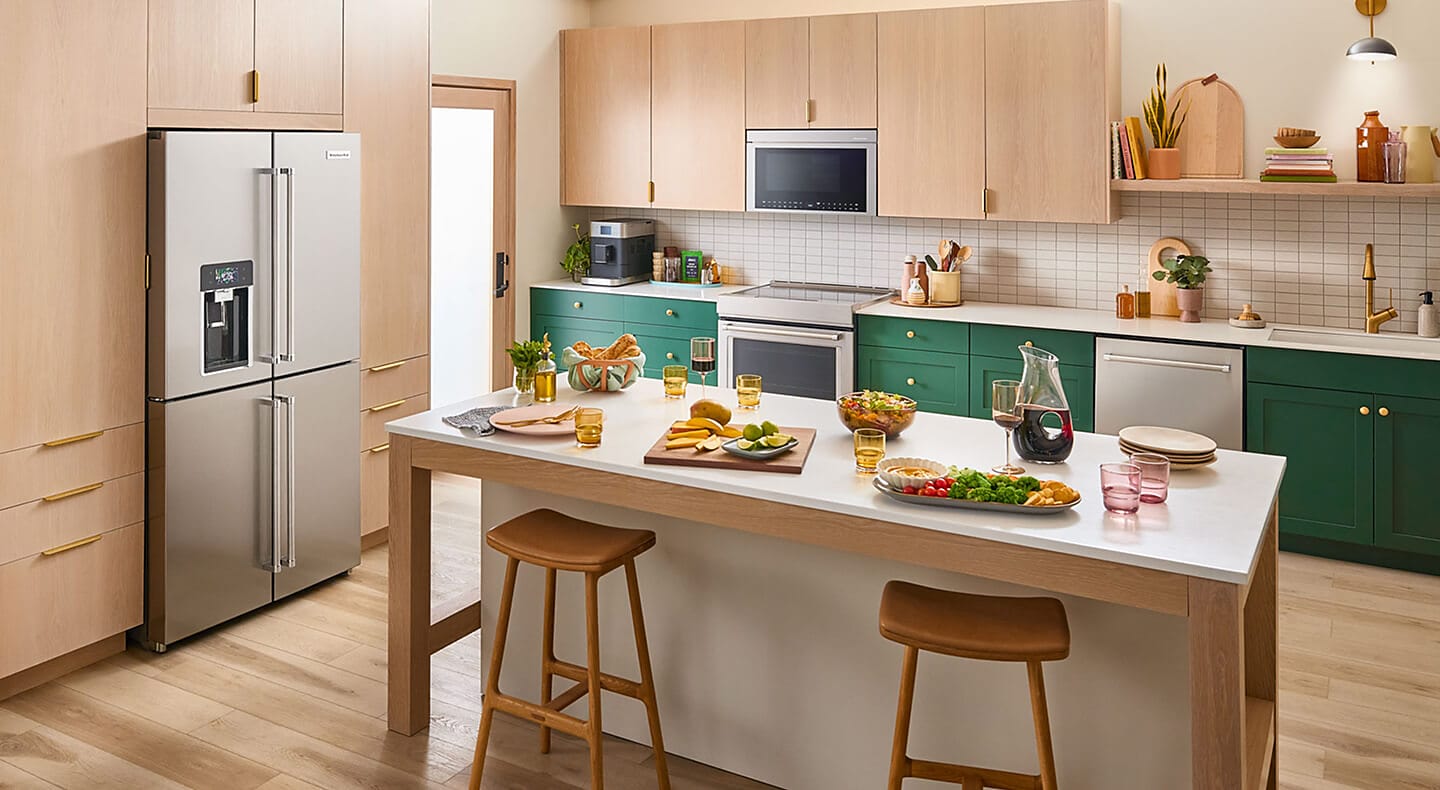
Credit: www.kitchenaid.com
Benefits Of Countertop Convection Ovens
Countertop convection ovens offer many benefits that make them a great choice for kitchens. They combine efficiency, convenience, and versatility in one compact appliance. These ovens cook food faster and more evenly than traditional ovens. Their size and design fit well in various kitchen layouts, including kitchen islands.
Space-saving Cooking Solution
Countertop convection ovens take up less space than full-sized ovens. They fit easily on kitchen islands without crowding the area. This frees up room for meal prep and other kitchen tasks. Their compact size suits small kitchens or homes with limited counter space. You can keep other appliances and tools nearby without clutter.
Energy Efficiency
These ovens use less energy compared to regular ovens. They heat up quickly and maintain even heat distribution. This means cooking times are shorter, saving electricity. Using a countertop convection oven reduces your energy bill. It also helps lower your carbon footprint by using power wisely.
Versatility In Meal Preparation
Countertop convection ovens handle many cooking methods. They bake, roast, toast, and broil with ease. This versatility allows you to prepare a wide range of meals. You can cook everything from vegetables to meats and baked goods. Some models even include special features like air frying or dehydrating. This makes them valuable for creative and healthy cooking.
Choosing The Right Kitchen Island
Choosing the right kitchen island is key when adding a countertop convection oven. The island must fit the oven’s size and function well in your space. Consider how much room you have and how you will use the island daily.
Assessing Island Size And Layout
Measure your kitchen island carefully before placing an oven on it. The countertop convection oven needs enough space around it for safe use. Leave room for opening the oven door and for air circulation.
Think about the island’s shape and how it fits with other kitchen elements. An island with a wider surface works better for appliances. Check if the oven will block walkways or workspace.
Electrical Requirements
Countertop convection ovens need power sources nearby. Verify the island has an electrical outlet that meets the oven’s voltage and wattage needs. This prevents unsafe extension cords and overloads.
Some ovens require a dedicated circuit to run safely. Consult an electrician to confirm your island’s wiring supports the oven. Proper electrical setup keeps your kitchen safe and functional.
Ventilation Considerations
Ovens generate heat and steam during cooking. Good ventilation prevents overheating and keeps the kitchen fresh. Check if your island area allows for proper airflow.
Installing a range hood or vent near the island may help. Avoid placing the oven in enclosed or tight spots without air movement. This protects your appliance and improves cooking comfort.
Placement Tips For Countertop Ovens
Placing a countertop convection oven on your kitchen island can be a game-changer for your cooking space, but it requires careful thought. The right placement ensures safety, efficiency, and ease of use. Here are some practical tips to help you find the perfect spot on your island for your oven.
Optimal Height And Accessibility
Keep your countertop oven at a height where you can easily reach in and out without bending or stretching uncomfortably. Ideally, the oven should be at or just below your waist level to avoid strain during use.
Think about how often you’ll use the oven. If it’s a daily tool, make sure it’s within arm’s reach but not in the way of your main prep area. Accessibility also means leaving enough counter space nearby for placing hot trays safely.
Avoiding Heat Damage
Countertop convection ovens generate significant heat, so placing them near heat-sensitive materials like wood or plastic surfaces can cause damage over time. Use a heat-resistant mat or trivet under your oven if your island surface is vulnerable.
Also, avoid placing the oven directly under cabinets or shelves that might get damaged by heat or steam. Have you noticed discoloration or warping around your oven’s current spot? That’s a clear sign to rethink its placement.
Ensuring Proper Airflow
Good airflow around your oven is crucial to prevent overheating and to allow it to work efficiently. Leave at least 3-4 inches of space on all sides of the oven.
Don’t crowd the oven with other appliances or kitchen tools. If your island is smaller, consider a spot near an open side or edge to help heat escape safely. How does your current setup handle airflow? You might be surprised at the difference it makes.
Safety Measures To Follow
Place countertop convection ovens away from edges to prevent falls. Ensure proper ventilation around the oven to avoid overheating. Keep the area clear of flammable items for safe use on kitchen islands.
Integrating a countertop convection oven into your kitchen island can be a smart move, offering convenience and efficiency. But it's crucial to prioritize safety. Ensuring your kitchen island setup is both functional and safe requires attention to detail and adherence to specific guidelines.
Heat-resistant Surfaces
Placing your convection oven on a heat-resistant surface is non-negotiable. The surface needs to withstand the high temperatures the oven emits. Consider materials like granite or quartz, which are excellent at handling heat. If you have a wooden countertop, adding a heat-resistant mat or pad can help. This small addition protects your countertop from potential damage and prolongs its lifespan. Have you checked if your countertop material is heat-friendly?
Clearance Around The Oven
Proper clearance is essential for ventilation and safety. Ensure there’s ample space around the oven to allow air to circulate freely. At least a few inches on all sides is a good rule of thumb. Avoid placing any items too close to the oven. This can prevent overheating and potential fire hazards. Do you have enough space on your island to accommodate these clearances?
Fire Safety Precautions
Fire safety should always be top of mind. Have a fire extinguisher nearby, and ensure everyone in your household knows how to use it. A small kitchen fire blanket can also be a handy addition. Regularly check the electrical cords for wear and tear. Damaged cords can lead to electrical fires, so replacing them promptly is vital. When was the last time you inspected your kitchen appliances for safety? By following these safety measures, you can enjoy the benefits of your countertop convection oven without compromising safety.
Maintenance And Cleaning Tips
Keeping your countertop convection oven clean and well-maintained is essential for its performance and longevity, especially when it's placed on a kitchen island where it’s highly visible and frequently used. Regular upkeep not only ensures food safety but also keeps your cooking space looking fresh. Let’s dive into some practical tips that make maintenance easier and more effective.
Easy-to-clean Materials
Choose an oven with surfaces made from stainless steel or smooth glass. These materials wipe down easily and resist stains better than textured or porous finishes. I once had a model with a plastic exterior that trapped grease and was a nightmare to clean—stainless steel saved me time and effort.
Look for removable trays and racks that you can soak and scrub separately. This makes cleaning less of a chore and prevents buildup inside the oven. How often do you check if your oven parts can be taken out? It’s a simple habit that can save you from tough scrubbing later.
Regular Vent And Filter Cleaning
Vents and filters trap grease and crumbs, which can reduce airflow and cause your oven to overheat. Clean these areas at least once a month to keep your oven running smoothly. If your oven has a filter, soak it in warm, soapy water and let it dry completely before reinstalling.
Pay attention to how often you cook greasy or smoky foods. You might need to clean the vents more frequently in that case. Don’t let clogged vents sneak up on you—they can affect both performance and safety.
Preventing Odors And Residue
Odors from burnt food or spills can linger if you don’t clean your oven regularly. After each use, wipe down the interior with a damp cloth while it’s still warm but not hot. This quick step keeps residue from hardening and smelling bad.
Consider placing a small bowl of baking soda inside the oven overnight to absorb lingering smells. It’s a simple trick that freshens your appliance without harsh chemicals. What’s your favorite easy trick to keep kitchen appliances smelling fresh?

Credit: glenindia.com
Design Ideas For Kitchen Islands With Ovens
Designing a kitchen island with a countertop convection oven requires more than just placing the appliance on a surface. You want the setup to be practical, stylish, and seamlessly fit into your kitchen’s workflow. Thoughtful design choices can transform your island into a multifunctional hub that enhances both cooking and socializing.
Incorporating Storage Solutions
Adding a countertop convection oven to your kitchen island means you’ll need smart storage around it. Consider drawers or cabinets beneath the oven for pots, pans, and baking trays. This setup keeps everything you need close at hand, reducing clutter on the countertop.
Open shelving next to the oven can hold cookbooks or frequently used ingredients, making your cooking process smoother. Have you tried pull-out spice racks or utensil trays? They save space and keep your tools organized.
Matching Aesthetics And Materials
Choose materials for the island that complement your oven’s design. If your oven has a sleek stainless steel finish, pairing it with quartz or granite countertops enhances a modern look. Wood accents can add warmth, balancing the appliance’s metallic feel.
Think about color coordination too. A black or white oven works well with neutral tones, while a bold appliance can become a statement piece. How do you want your kitchen island to make you feel every time you walk in?
Integrating With Other Appliances
Your island can hold more than just the oven. Placing a microwave, warming drawer, or even a small fridge nearby creates a cooking station that saves time. Make sure there’s enough ventilation space around each appliance to keep them running efficiently.
Grouping appliances in one area also helps when entertaining guests—imagine prepping snacks while chatting without moving across the room. What appliances would help your kitchen flow better?
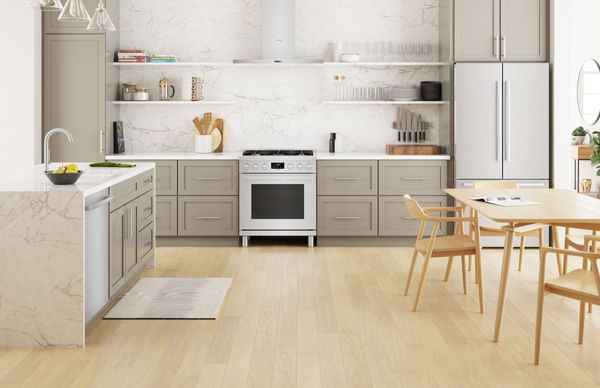
Credit: www.slagerappliances.com
Frequently Asked Questions
Can You Install Countertop Convection Ovens In Kitchen Islands?
Yes, you can install countertop convection ovens in kitchen islands. Ensure proper ventilation and electrical outlets are available. Position the oven away from water sources and heat-sensitive materials to maintain safety and functionality.
What Are The Ventilation Requirements For Kitchen Island Ovens?
Proper ventilation is essential to avoid overheating and odors. Use vents or fans to circulate air around the oven. Check manufacturer guidelines for specific ventilation needs when placing ovens in kitchen islands.
How Much Space Is Needed For A Countertop Convection Oven?
Allow at least 2-3 inches of clearance on all sides for airflow and heat dissipation. Ensure enough countertop space for safe operation and easy access to oven controls.
Are Kitchen Islands Safe For Countertop Convection Ovens?
Yes, kitchen islands are safe if you follow electrical codes and maintain ventilation. Keep the oven away from water and flammable materials to reduce risk and ensure safety.
Conclusion
Countertop convection ovens can fit well on a kitchen island. They save space and keep cooking tools within reach. Make sure to leave enough room around the oven for safety. Proper ventilation is important to avoid heat build-up. Choose a spot that is stable and close to power outlets.
This setup can make cooking easier and more fun. With simple planning, a convection oven on your island works great. It adds convenience without crowding your kitchen space.