
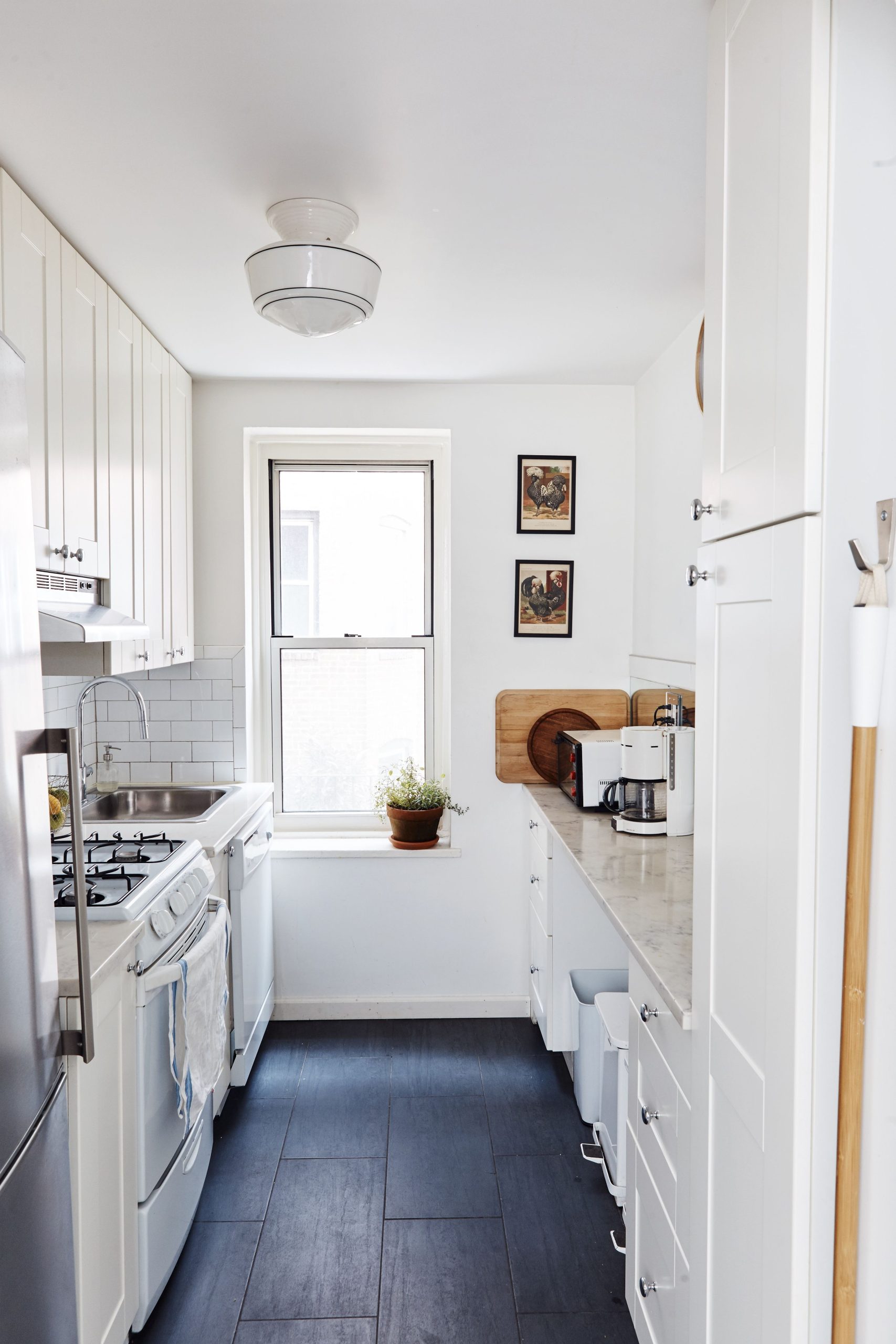
Struggling to find the perfect spot for your refrigerator in a small kitchen? You’re not alone.
When space is tight, placing your fridge can feel like a tricky puzzle. But where you put it matters more than you think—it affects your kitchen’s flow, your cooking speed, and even how much you enjoy your time there. You’ll discover smart, simple ways to position your refrigerator so it fits seamlessly, saves space, and makes your kitchen work better for you.
Keep reading, and you’ll unlock easy tips that transform your small kitchen into a more efficient and enjoyable space.
Choosing The Right Spot
Choosing the right spot for your refrigerator in a small kitchen is more than just finding an empty corner. It affects how efficiently you move around, prepare meals, and keep your space organized. Think about your daily kitchen flow—where do you reach most often, and how can your fridge placement support that?
Near The Cooking Area
Placing your refrigerator close to the cooking area makes grabbing ingredients quick and easy. This setup reduces the time spent walking back and forth, especially when you’re juggling multiple pots and pans.
However, make sure the fridge door can open fully without hitting counters or appliances. You want to avoid any awkward movements that slow down your cooking process.
Close To The Sink
Having the fridge near the sink streamlines tasks like washing vegetables or rinsing leftovers before storing them. It also helps with quick cleanups and reduces the risk of spills on the floor.
Think about how often you fill water bottles or wash fruits—this spot can save you several steps. But ensure there’s enough countertop space between the sink and fridge for placing items temporarily.
Avoiding Heat Sources
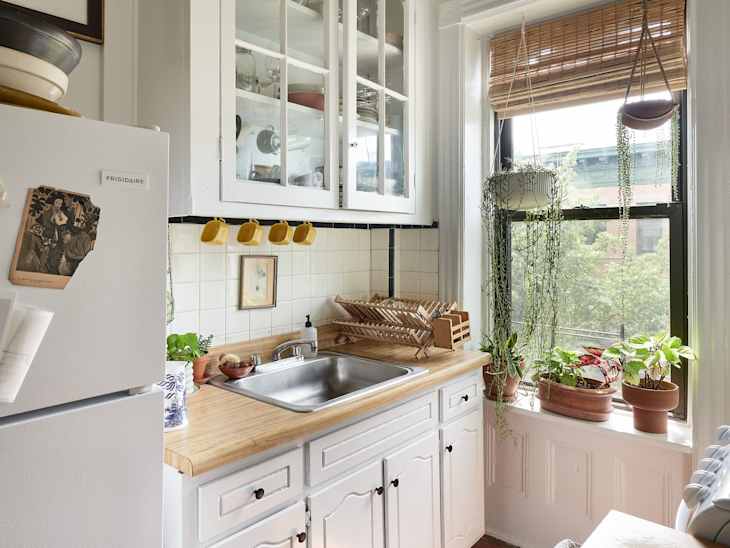
Keep your refrigerator away from ovens, stoves, and direct sunlight. Heat forces your fridge to work harder, increasing energy use and potentially shortening its lifespan.
If your kitchen layout limits options, consider adding a heat shield or extra ventilation. Protecting your fridge from heat keeps it running efficiently and prevents unnecessary wear.
Credit: www.apartmenttherapy.com
Maximizing Kitchen Layout
Maximizing your kitchen layout in a small space is all about smart placement and making every inch count. The refrigerator is a bulky essential, so where you put it can either open up your kitchen or make it feel cramped. Think about how you move around your kitchen and what areas you use the most.
Using Corner Spaces
Corners often get overlooked, but they can be a great spot for your fridge in a small kitchen. Placing the refrigerator in a corner frees up straight wall space for cabinets or countertops.
Make sure the fridge doors can open fully without hitting walls or cabinets. If your kitchen layout allows, a corner fridge can create a nice work triangle between the sink and stove, improving efficiency.
Integrating With Cabinets
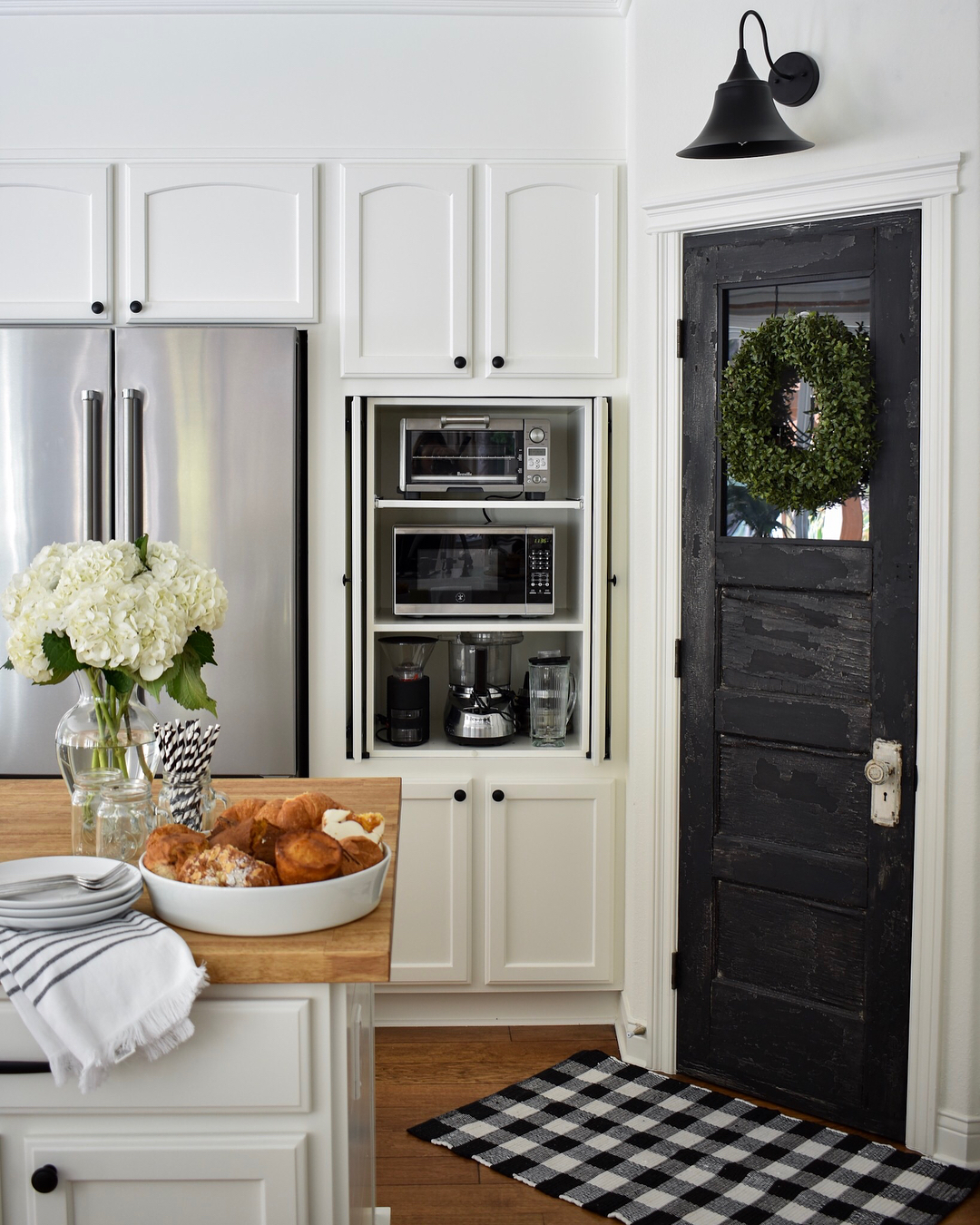
Fitting the refrigerator flush with your cabinets can create a seamless look that makes your kitchen feel larger. Built-in fridge panels or cabinet surrounds help the fridge blend in rather than stand out.
This setup also protects the fridge’s sides and keeps it from sticking out awkwardly. You can use the cabinets above and beside the fridge for extra storage, turning what might be dead space into practical shelving.
Under Counter Placement
If your kitchen is really tight, consider an under-counter fridge or a smaller fridge drawer. These fit below your work surfaces, saving vertical space and keeping the kitchen open.
Under-counter fridges work well for storing drinks, snacks, or smaller items you reach for often. Pairing this with a slim pantry or tall cabinet nearby can keep your main fridge less crowded and your kitchen organized.
Size And Style Considerations
Choosing the right size and style of refrigerator is key in a small kitchen. It affects space, flow, and overall look. The refrigerator must fit well without crowding the room.
Consider the refrigerator's dimensions carefully. A bulky fridge can block pathways and reduce workspace. Style also matters. The fridge should blend with your kitchen’s design for a neat, cohesive look.
Compact Refrigerator Models
Compact refrigerators save space and fit tight spots. They come in various sizes, typically under 60 inches tall. Many models have enough room for essentials, perfect for small kitchens.
- Mini-fridges are great for snacks and drinks.
- Apartment-sized fridges hold more groceries.
- Look for energy-efficient models to save power.
Built-in Vs Freestanding
Built-in refrigerators fit flush with cabinets. They create a seamless, modern look but cost more and need professional installation. Freestanding models are easier to move and install. They offer flexibility in placement and style.
- Built-in: sleek, space-saving, fixed placement.
- Freestanding: flexible, often less expensive, easy to replace.
Color And Finish Options
Choose colors and finishes that match your kitchen decor. Light colors can make a small kitchen feel larger. Stainless steel adds a modern touch and hides fingerprints well. Matte finishes reduce glare and look stylish.
- White and pastel shades brighten tight spaces.
- Stainless steel suits contemporary kitchens.
- Black or dark tones create contrast but may shrink space visually.
Credit: www.extraspace.com
Smart Storage Solutions
Smart storage solutions save space and make small kitchens more functional. Using clever ideas helps place the refrigerator without crowding the area. These solutions keep the kitchen organized and easy to move around in.
Vertical Storage Ideas
Vertical storage uses height instead of floor space. Tall shelves or cabinets next to the fridge can store kitchen tools and food items. This keeps counters clear and maximizes the small kitchen footprint.
Stacking containers or baskets on top of the fridge is another way to use vertical space. It keeps rarely used items accessible but out of the way.
Overhead Shelving
Overhead shelves create extra storage above the fridge. These shelves hold light items like spices, cookbooks, or small appliances. They keep essentials within reach without taking up floor or counter space.
Open shelving also adds a decorative touch while staying practical. Use baskets or jars to keep items neat and easy to find.
Multi-functional Furniture
Multi-functional furniture works well in small kitchens. A kitchen island with built-in storage can hold pots, pans, or pantry goods. It also provides extra counter space near the fridge.
Folding tables or carts with shelves add flexibility. They can move around and store items when needed. This supports efficient use of space and keeps the kitchen tidy.
Improving Kitchen Flow
Improving kitchen flow is key to making a small kitchen feel spacious and efficient. The right refrigerator placement can change how smoothly you move around, cook, and clean. You want to create a layout that helps you work faster without bumping into obstacles or wasting steps.
Maintaining Clear Pathways
Clear pathways prevent your kitchen from feeling cramped and help avoid accidents. Position your refrigerator so it doesn’t block walkways or doorways. Think about where you usually walk most often—keep those routes open to make your kitchen easier to navigate.
Imagine trying to carry groceries through a tight space. If the fridge door blocks the path, it slows you down and makes the kitchen frustrating. Keeping at least 36 inches of clear space in front of the fridge door lets you open it fully without blocking movement.
Balancing Accessibility
Your refrigerator should be easy to reach from key areas like the stove, sink, and countertop. Placing it too far from your prep zone can add unnecessary steps and slow you down. Try to keep it close enough so you can grab ingredients quickly but not so close that it crowds your work area.
Ask yourself: How often do you use the fridge while cooking? If you reach for items frequently, having it within arm’s length from your main prep surface makes sense. This balance helps keep your workflow smooth and efficient.
Minimizing Door Swing Issues
Fridge doors can be surprisingly troublesome in small kitchens if they swing into tight spaces. Check which way your fridge door opens and whether it might hit cabinets, walls, or even block other appliances. Sometimes, choosing a fridge with a reversible door or a sliding door can solve this problem.
Have you ever struggled to open the fridge because the door hits the wall? That’s a sign to rethink its position or the door style. Making sure the door swings freely without obstruction keeps your kitchen functioning without frustrating stops.
Energy Efficiency Tips
Placing your refrigerator correctly in a small kitchen can significantly impact energy efficiency. With limited space, each decision can help in keeping your energy bills down. Let's explore some effective ways to achieve this.
Optimal Ventilation
Ensure your refrigerator has enough space around it to breathe. This means leaving a few inches on all sides for proper air circulation. Without this breathing room, your fridge has to work harder, consuming more energy.
A friend of mine once squeezed her fridge into a tight corner, thinking she'd save space. However, her energy bills soared until she moved it slightly away from the wall. Just a few inches made all the difference.
Avoiding Direct Sunlight
Position your refrigerator away from windows or any area where it might receive direct sunlight. Sunlight can heat the appliance, forcing it to use more energy to stay cool. If you can't avoid sunlight, consider using blinds or curtains during peak sunlight hours.
Ask yourself, is your fridge basking in the sun while you're at work? If so, a simple shift in position or an additional window treatment could help reduce your electricity usage.
Regular Maintenance
Keep the refrigerator's coils clean and ensure the door seals are tight. Dusty coils and loose seals can make your fridge inefficient, leading to higher energy consumption. Regular maintenance might seem like a chore, but it can prevent unexpected energy spikes.
Have you checked your fridge's coils recently? A quick clean every few months can lead to noticeable savings on your energy bill.

Credit: food52.com
Frequently Asked Questions
Where Is The Best Spot For A Refrigerator In A Small Kitchen?
The best spot is near the kitchen entrance or cooking area. This placement saves space and enhances workflow. Avoid blocking pathways or natural light for optimal efficiency.
How To Save Space When Placing A Fridge In Small Kitchens?
Place the fridge in corners or unused nooks. Consider slim or compact models. Use vertical storage above the fridge to maximize space.
Can A Refrigerator Be Placed Next To The Stove In Small Kitchens?
It’s not ideal to place a fridge next to the stove. Heat from the stove affects fridge efficiency. Maintain at least a few inches distance for safety and energy saving.
Should The Refrigerator Door Open Towards Or Away From The Kitchen Workspace?
The fridge door should open towards the kitchen workspace. This allows easy access while cooking and improves kitchen flow. Ensure the door swing doesn’t block pathways.
Conclusion
Choosing the right spot for your refrigerator saves space and boosts kitchen flow. Place it near the cooking area but away from direct heat. Keep enough room to open doors fully and store items easily. Think about your kitchen’s shape and daily habits.
Small kitchens need smart use of every inch. A well-placed fridge helps cooking feel less crowded and more fun. Simple planning makes your kitchen work better every day.