
Are you wondering if you should cover your outdoor kitchen island? It’s a question many homeowners face, especially when trying to protect their investment and keep their space looking great.
Covering your outdoor kitchen island might seem like a small detail, but it can make a big difference in how long it lasts and how well it performs. You’ll discover the key reasons why covering your outdoor kitchen island matters, what options you have, and how to choose the best solution for your space.
Keep reading to make sure you’re protecting your outdoor kitchen the right way.

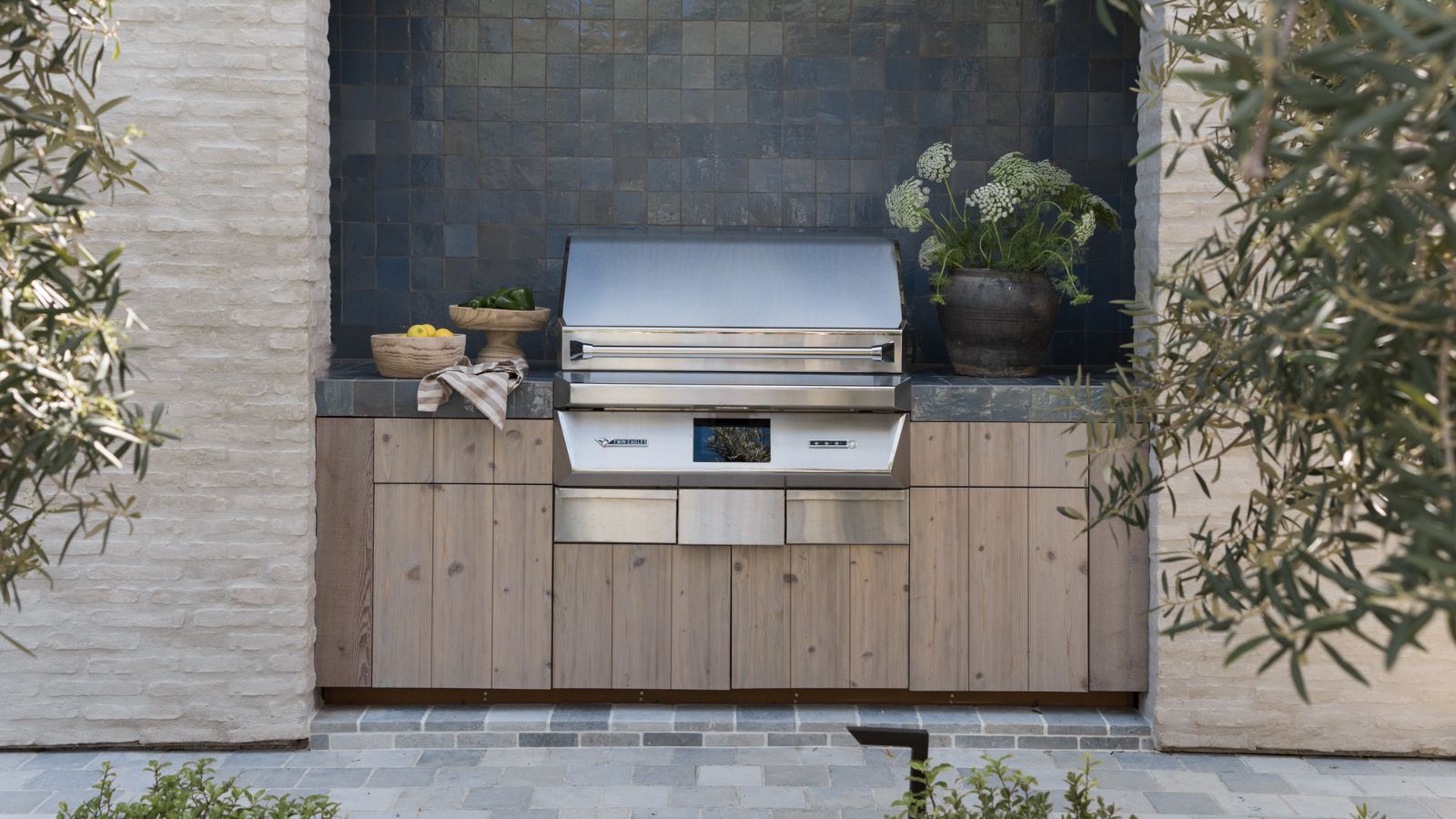
Credit: www.homesandgardens.com
Benefits Of Covering Outdoor Kitchen Islands
Covering an outdoor kitchen island offers many benefits that protect your investment. It helps keep your space functional and attractive over time. A cover can shield your kitchen from harsh outdoor elements. It also keeps appliances and surfaces in good condition. Covering your island makes cleaning easier and keeps the area hygienic. Here are key benefits to consider.
Protecting Against Weather Damage
Outdoor kitchen islands face sun, rain, wind, and snow daily. Covers act as a barrier against these elements. They prevent water from seeping into cracks and causing damage. Sun exposure can fade colors and weaken materials. A cover reduces UV damage and keeps your island looking new. Wind can blow debris and dirt onto surfaces. Covers stop dirt buildup and protect delicate finishes.
Extending Appliance Lifespan
Appliances in outdoor kitchens are costly. Weather can cause rust, corrosion, and mechanical issues. Covers keep moisture and dust off appliances, reducing wear. Protecting appliances helps avoid frequent repairs or replacements. Keeping your grill and fridge covered extends their useful life. This saves money and keeps your kitchen ready for use.
Maintaining Cleanliness And Hygiene
Outdoor kitchens attract dust, leaves, insects, and bird droppings. Covers block these contaminants from settling on surfaces. A clean kitchen island means safer food preparation. Covers reduce the time and effort needed for cleaning. They help keep countertops, sinks, and storage areas sanitary. Covering your island supports a healthier cooking environment outdoors.
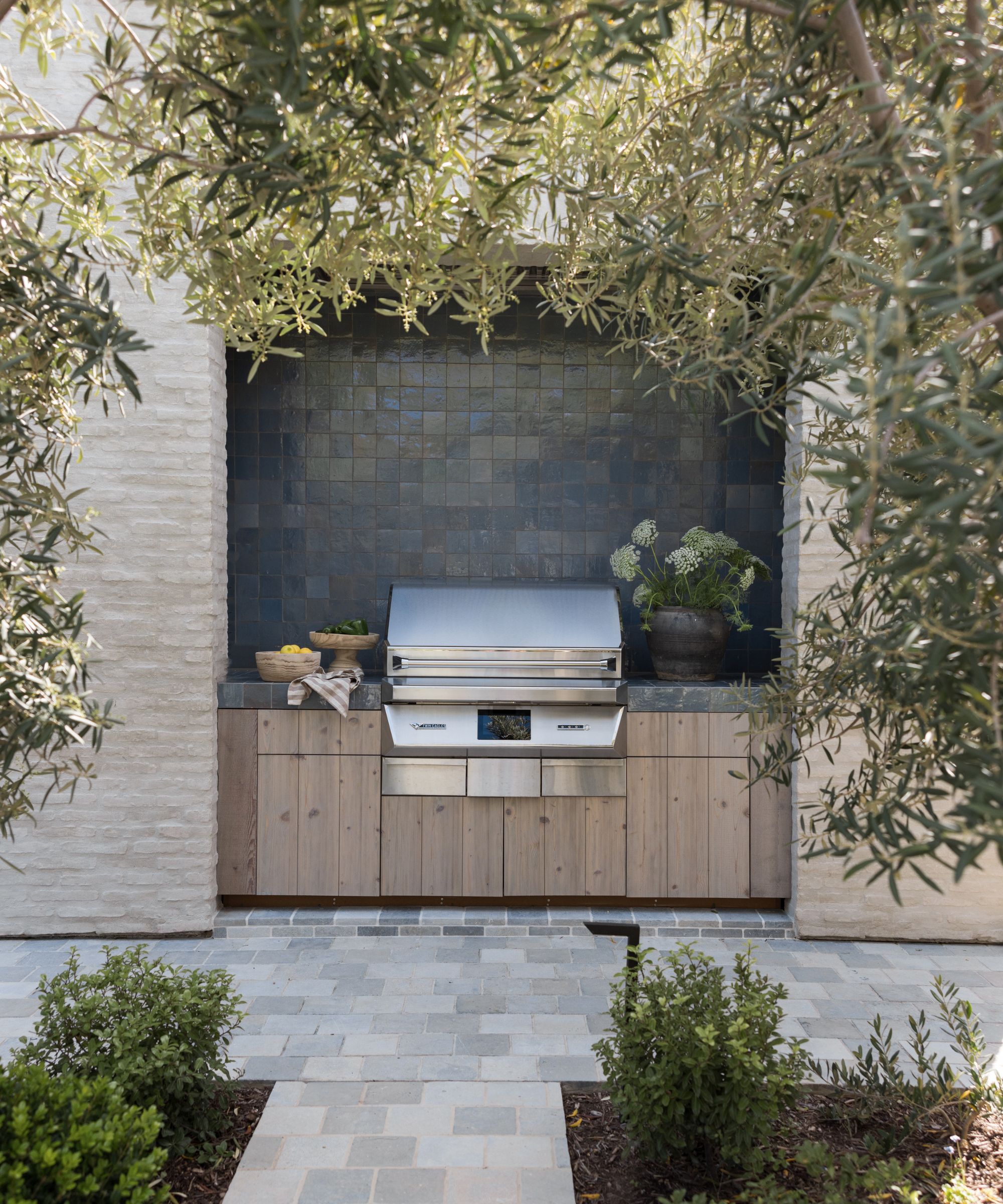
Credit: www.homesandgardens.com
Types Of Covers For Outdoor Kitchen Islands
Outdoor kitchen islands face exposure to rain, sun, dust, and debris. Choosing the right cover protects your investment and extends its life. Different types of covers offer various levels of protection and style. Selecting a suitable cover depends on your needs and outdoor space.
Custom-fit Covers
Custom-fit covers are made to match your kitchen island’s exact size and shape. They offer the best protection against moisture and dirt. These covers fit snugly, preventing wind from lifting them off. Made from durable materials like heavy-duty polyester or vinyl, they last through all seasons. Custom covers often include straps or elastic hems for a secure hold.
Universal Covers
Universal covers come in standard sizes to fit many outdoor kitchen islands. They offer good protection but may not fit perfectly. These covers are ideal for those who want a quick, budget-friendly solution. Materials used are water-resistant and UV-protected. Adjustable features like drawstrings help improve the fit around the island.
Protective Canopies And Pergolas
Canopies and pergolas provide shade and shelter over your outdoor kitchen island. They protect against sun damage and light rain without the need for constant covering. These structures add an aesthetic touch and can be permanent or temporary. Using a canopy or pergola reduces wear on your island’s surface and appliances.
Materials To Consider For Covers
Choosing the right material for your outdoor kitchen island cover is key. It protects your investment from weather and dirt. The right cover lasts longer and keeps your kitchen looking good. Materials vary in strength, resistance, and breathability. Knowing these differences helps you pick the best option.
Waterproof Fabrics
Waterproof fabrics stop rain and moisture from soaking through. They keep your kitchen dry and prevent rust. Common waterproof materials include vinyl and coated polyester. These fabrics are easy to clean and maintain. They are perfect for areas with heavy rain or snow.
Uv-resistant Materials
UV-resistant covers block harmful sun rays. They prevent color fading and material breakdown. Look for fabrics with UV inhibitors for longer life. These covers protect wood, metal, and stone surfaces. UV resistance is important in sunny climates.
Breathable And Durable Options
Breathable fabrics allow air to flow under the cover. This reduces moisture buildup and mold growth. Durable materials resist tearing and wear from wind and sun. Canvas and solution-dyed acrylic fabrics offer both breathability and strength. These covers balance protection and ventilation well.
When To Cover Your Outdoor Kitchen Island
Covering your outdoor kitchen island protects it from rain, dust, and sun damage. Use a cover during bad weather or long periods of inactivity to keep it clean and safe.
When planning for your outdoor kitchen island, consider weather protection. Covering it helps maintain its beauty and functionality. Knowing when to cover it is crucial for its longevity and performance.
During Rain And Snow
Rain and snow can damage your outdoor kitchen island. Moisture can seep into surfaces, causing rust or mold. Cover it during heavy rain or snowfall to avoid damage. Waterproof covers are best for this purpose. They prevent water from reaching your appliances.
Extended Periods Of Non-use
During long periods of non-use, covering your kitchen island is wise. Dust and debris can accumulate over time. A cover keeps everything clean and ready for use. It also protects from UV rays, which can fade surfaces.
Seasonal Protection Strategies
Seasonal changes can affect outdoor kitchen islands. In winter, consider using insulated covers. They protect against cold temperatures. During summer, use UV-resistant covers to prevent sun damage. Tailor your protection strategy to each season's needs.
Tips For Proper Covering And Maintenance
Protecting your outdoor kitchen island with the right cover is essential, but knowing how to cover and maintain it properly makes all the difference. A well-fitted cover shields your investment from harsh weather, while ongoing care prevents damage and extends its life. Let’s look at some practical tips to keep your outdoor kitchen island safe and looking great year-round.
Ensuring A Snug Fit
Choose a cover that matches your island’s exact dimensions. A loose cover can flap in the wind, causing wear and letting moisture inside. Too tight, and it might tear or stress the seams.
Look for adjustable straps or elastic hems to keep the cover secure. If you’ve ever seen a cover blow off during a storm, you know how important a snug fit is. Think about adding weights or tie-downs if your area experiences strong winds.
Preventing Mold And Mildew
Moisture trapped under the cover is a common problem. To avoid mold and mildew, make sure the cover material is breathable. This lets moisture escape while still blocking rain and dust.
Ventilation flaps can make a big difference here. You might also consider occasionally removing the cover on dry days to let your kitchen island air out. If you spot any mold, clean it immediately with a mild bleach solution to stop it from spreading.
Regular Cleaning And Inspection
Don’t wait for dirt and debris to pile up before you clean the cover. Wipe it down regularly with soapy water and a soft brush to keep it looking fresh. This simple habit prevents stains and prolongs the fabric’s life.
Inspect the cover for tears, loose stitching, or broken straps every few months. Small repairs now save you from costly replacements later. Are you noticing any worn spots? Fix them before they grow into bigger issues.
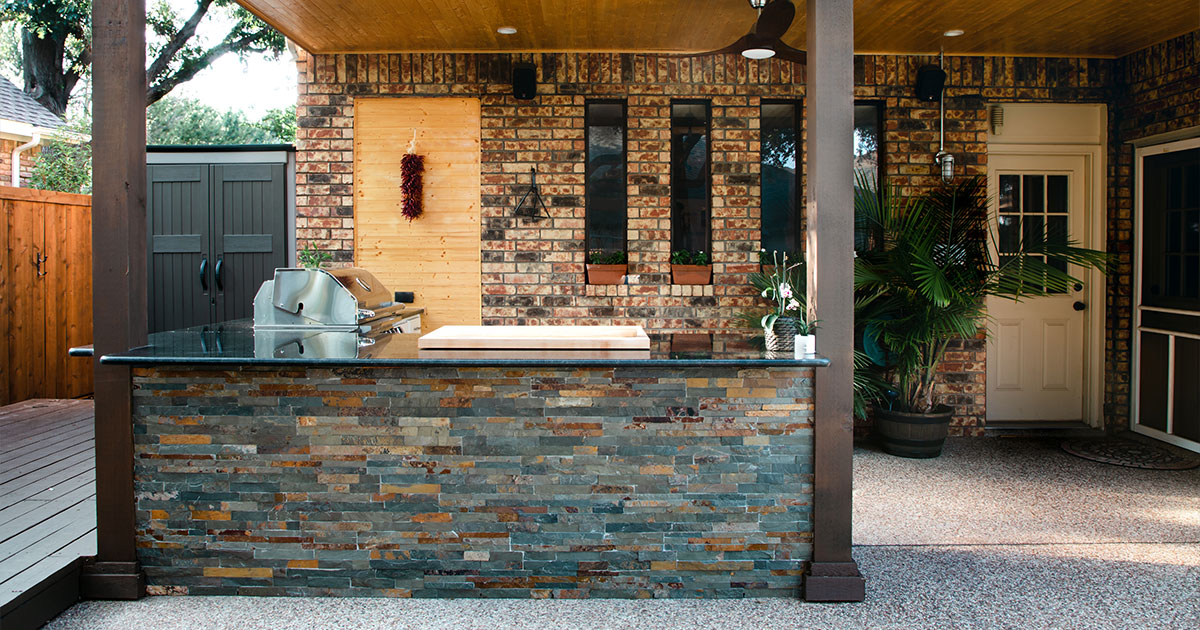
Credit: landdesignsbycolton.com
Alternatives To Covers For Outdoor Kitchen Islands
Protecting your outdoor kitchen island is essential, but covers aren’t the only way to keep it safe and functional. There are smart alternatives that blend protection with style and convenience. These options can enhance your outdoor space while reducing the hassle of constant cover management.
Built-in Shelter Options
Adding a permanent shelter over your outdoor kitchen island offers year-round protection without the need for covers. Pergolas, gazebos, or even a simple roof extension can shield your cooking area from rain, sun, and debris.
Imagine cooking comfortably under a pergola with adjustable slats—you control the sunlight and airflow. This setup reduces wear and tear on your appliances and surfaces while keeping your space inviting for gatherings.
Using Retractable Awnings
Retractable awnings provide flexible protection that you can adjust based on the weather. Pull them out when it rains or when the sun is too strong, then retract them to enjoy clear skies.
These awnings come in various fabrics and styles, adding a touch of elegance to your outdoor kitchen. Have you thought about how easy it would be to avoid the hassle of wet covers or sun-damaged surfaces with this option?
Storage Solutions For Appliances
Keeping your appliances safe doesn’t always mean covering the whole island. Smart storage compartments or weatherproof cabinets built into your island can protect sensitive items like grills, refrigerators, and electronics.
Lockable storage also helps keep your outdoor kitchen tidy and secure. Consider custom-built drawers or cabinets with seals to block moisture and dust, so your appliances stay ready to use without the daily setup and teardown of covers.
Frequently Asked Questions
Should I Cover My Outdoor Kitchen Island?
Yes, covering your outdoor kitchen island protects it from weather damage. It helps prevent rust, fading, and dirt buildup. Covering extends the island’s lifespan and keeps it clean for longer use.
What Materials Are Best For Outdoor Kitchen Covers?
Water-resistant fabrics like polyester and vinyl are ideal for outdoor kitchen covers. They repel moisture, resist UV rays, and are durable. Choose covers with secure fasteners to ensure protection during strong winds.
How Often Should I Cover My Outdoor Kitchen Island?
Cover your outdoor kitchen island whenever it’s not in use, especially during bad weather. Regular coverage prevents damage from rain, sun, and dust. In winter, keeping it covered is essential for long-term protection.
Can I Leave My Outdoor Kitchen Island Uncovered?
Leaving your outdoor kitchen island uncovered exposes it to harsh elements. This can cause rust, fading, and cracks. Covering helps maintain its appearance and functionality, ensuring it lasts for many seasons.
Conclusion
Covering your outdoor kitchen island helps protect it from weather damage. It keeps the surfaces clean and extends the life of your appliances. A good cover stops dirt, rain, and sun from causing wear. Choose a cover that fits well and suits your climate.
Regular use of a cover saves money on repairs and upkeep. Simple care makes your outdoor kitchen look great for years. Think about your needs and environment before deciding to cover it. Taking this step keeps your outdoor space ready for cooking and fun.