
Have you ever wondered what happens to your kitchen gloves after you toss them in the trash? You might be surprised to learn that not all gloves are created equal when it comes to recycling.
If you care about cutting down waste and protecting the environment, knowing whether you can recycle your kitchen gloves is key. Stick with me, and I’ll guide you through the simple facts that can help you make smarter choices and keep your kitchen—and planet—clean.
Ready to find out what to do with those gloves? Let’s dive in.

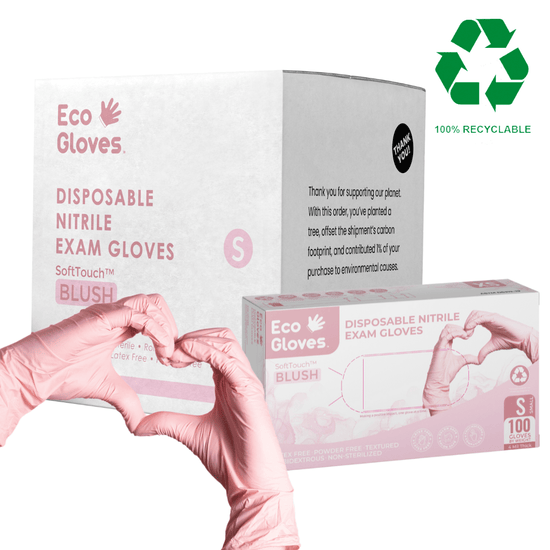
Credit: ecogloves.co
Types Of Kitchen Gloves
Kitchen gloves protect your hands during cooking, cleaning, and food handling. They come in different materials with various uses and recycling options. Understanding the types helps you choose the right gloves and handle disposal properly.
Latex Gloves
Latex gloves are made from natural rubber. They fit tightly and offer good flexibility. These gloves protect well against bacteria and viruses. Some people may have allergies to latex. They are biodegradable but need special recycling programs.
Nitrile Gloves
Nitrile gloves are synthetic and strong. They resist punctures and chemicals better than latex. These gloves are popular in kitchens and medical fields. Nitrile is not biodegradable but some facilities recycle it. Check local rules before disposal.
Vinyl Gloves
Vinyl gloves are made from PVC plastic. They are loose-fitting and less durable. Vinyl gloves are cheaper and good for short tasks. They do not protect well against chemicals. Vinyl is hard to recycle and usually ends up in landfills.
Rubber Gloves
Rubber gloves are thick and reusable. They protect hands from hot water and cleaning chemicals. These gloves last longer than disposable ones. Rubber gloves are biodegradable but recycling options are limited. Proper cleaning extends their life.

Credit: www.angi.com
Recyclability Of Kitchen Gloves
Understanding the recyclability of kitchen gloves is key to reducing waste in your home. These gloves come in various materials, which affects how—and if—they can be recycled. Knowing what your gloves are made of helps you decide the best way to dispose of them responsibly.
Material Composition And Recycling
Kitchen gloves are typically made from materials like latex, nitrile, vinyl, or rubber. Each material has a different recycling path, and not all are accepted by standard recycling programs.
- Latex gloves:Natural latex is biodegradable but rarely recycled through curbside programs. Specialized facilities may accept them.
- Nitrile gloves:These are synthetic and usually not recyclable through regular channels.
- Vinyl gloves:Made from PVC, vinyl is tough to recycle and often ends up in landfills.
- Rubber gloves:Thick rubber gloves might be repurposed but rarely recycled.
If you’ve ever tried tossing kitchen gloves in your recycling bin, you might have noticed they often get rejected. This is because recycling facilities struggle to process mixed or flexible materials like gloves.
Common Recycling Challenges
Flexible materials like gloves can jam sorting machines at recycling centers. This means your gloves might cause problems rather than help the environment.
Contamination is another big issue. Gloves used in the kitchen often carry food residues or chemicals, which can spoil recyclable batches. This is why many programs advise against recycling them.
What can you do instead? Some companies offer take-back programs specifically for gloves. You might also consider reusable gloves to cut down on waste.
Have you checked if your local recycling center accepts kitchen gloves? Sometimes a quick call or website visit can save you from tossing them into the wrong bin.
Eco-friendly Disposal Methods
Disposing of kitchen gloves in an eco-friendly way can make a real difference. Instead of tossing them in the trash, you have options that reduce environmental impact. Let’s look at practical ways you can handle your used gloves responsibly.
Proper Cleaning Before Disposal
Before recycling or disposing of kitchen gloves, clean them thoroughly. Rinse off any food residue or chemicals to avoid contaminating recycling streams. Dry them completely to prevent mold growth and make recycling easier.
Have you ever thrown away gloves still covered in grease? It can spoil the whole recycling batch. Taking a few extra minutes to clean your gloves helps keep recycling processes efficient and effective.
Local Recycling Programs
Not all recycling centers accept kitchen gloves, so check what your local facilities take. Some specialized programs handle latex or rubber gloves separately from regular plastic recycling. Call your waste management service or visit their website to find the right drop-off points.
Sometimes, community centers or eco-friendly stores offer collection bins for gloves. Don’t hesitate to ask around—you might discover convenient recycling options close to home.
Alternative Disposal Options
If recycling isn’t available, consider reusing your gloves. Use them for messy chores like painting, gardening, or cleaning to extend their life. This reduces waste and saves money on buying new gloves.
When gloves are no longer usable, dispose of them in the trash responsibly. Avoid burning gloves, as this releases harmful chemicals. Could you swap single-use gloves for reusable ones to cut down on waste in the first place?

Credit: waster.com.au
Reducing Waste With Reusable Gloves
Reusable kitchen gloves help cut down on single-use waste. Most gloves cannot be recycled in regular bins. Choosing durable gloves reduces trash and protects the environment.
Reducing Waste with Reusable Gloves The kitchen is a hub of activity and, often, waste. Disposable kitchen gloves, although convenient, contribute significantly to this problem. By opting for reusable gloves, you can make a tangible impact on reducing waste in your household.
Benefits Of Reusable Options
Reusable kitchen gloves offer numerous advantages. They reduce the frequency of purchases, saving both money and resources. Additionally, they often provide better durability and protection, allowing you to handle kitchen tasks more efficiently. Consider the environmental benefit: each pair of reusable gloves can replace dozens of disposable ones. This small change can significantly reduce the amount of plastic waste in landfills.
Maintenance And Longevity Tips
Proper care can extend the life of your reusable gloves. After each use, rinse them thoroughly with mild soap and water. Allow them to dry completely before storing, ideally in a cool, dry place. Regularly check for wear and tear. Patching small holes with a rubber adhesive can prolong their use. By taking these simple steps, you ensure your gloves remain effective and hygienic for a longer period. Have you ever thought about how your small choices in the kitchen could affect the planet? Switching to reusable gloves is a simple yet impactful decision towards a more sustainable lifestyle.
Environmental Impact Of Improper Disposal
Improper disposal of kitchen gloves can harm the environment. These gloves often contain materials that do not break down easily. Tossing them in the trash leads to long-term environmental problems. Understanding these impacts helps us make better choices.
Effects On Landfills
Kitchen gloves add bulk to landfills. They take many years to decompose. This slows down landfill space availability. Overfilled landfills can cause soil and water contamination. Harmful chemicals from gloves may leak into the ground. This affects plants, animals, and nearby communities.
Pollution Concerns
Gloves made of latex or nitrile release toxins when burned or left to rot. These toxins pollute the air and water. Microplastics can break off and enter water systems. They harm aquatic life and disrupt ecosystems. Pollution from glove waste contributes to global environmental problems.
Tips For Sustainable Kitchen Practices
Sustainable kitchen practices help reduce waste and protect the environment. Small changes in daily habits add up. Choosing the right products and reducing waste can make your kitchen greener. These tips focus on how to handle kitchen gloves and other materials sustainably.
Choosing Eco-friendly Gloves
Pick gloves made from natural or biodegradable materials. Latex and cotton gloves break down faster than plastic ones. Avoid gloves with harmful chemicals or synthetic plastics. Look for brands that use recycled or compostable materials. Use gloves labeled as eco-friendly or sustainable. These choices reduce landfill waste and pollution.
Minimizing Single-use Products
Limit the use of disposable gloves by using reusable ones. Wash and dry reusable gloves properly to extend their life. Use gloves only when necessary to avoid waste. Try alternatives like silicone gloves for heavy-duty tasks. Store gloves carefully to prevent damage and reduce replacements. Less single-use waste means a smaller environmental footprint.
Frequently Asked Questions
Can Kitchen Gloves Be Recycled In Regular Bins?
Most kitchen gloves are made from materials not accepted in regular recycling bins. They often contain mixed plastics or latex, which complicates recycling. Always check local guidelines to confirm if your area accepts them. Otherwise, dispose of them as general waste to avoid contamination.
What Types Of Kitchen Gloves Are Recyclable?
Nitrile and some rubber gloves may be recyclable if your local program accepts them. Vinyl and latex gloves usually are not recyclable due to material composition. Verify with your local recycling center before discarding gloves to ensure proper handling and recycling.
How To Recycle Disposable Kitchen Gloves Safely?
Before recycling, remove food residue and contaminants from gloves. Some recycling centers require gloves to be clean and dry. Place them in designated recycling bins if accepted, or use specialized recycling programs. Never mix contaminated gloves with other recyclables to prevent pollution.
Are Biodegradable Kitchen Gloves Better For Recycling?
Biodegradable gloves break down naturally but often do not belong in recycling bins. They are best composted if industrial composting facilities are available. Always confirm disposal methods on the packaging or with local waste management services for eco-friendly disposal.
Conclusion
Recycling kitchen gloves can be tricky because of the materials used. Many gloves are made from plastics that recycling centers do not accept. Try to check local recycling rules before tossing gloves in the bin. Consider using reusable gloves to reduce waste.
Small changes in daily habits help protect the environment. Every effort counts in keeping our planet clean. Choose wisely and care for nature.