
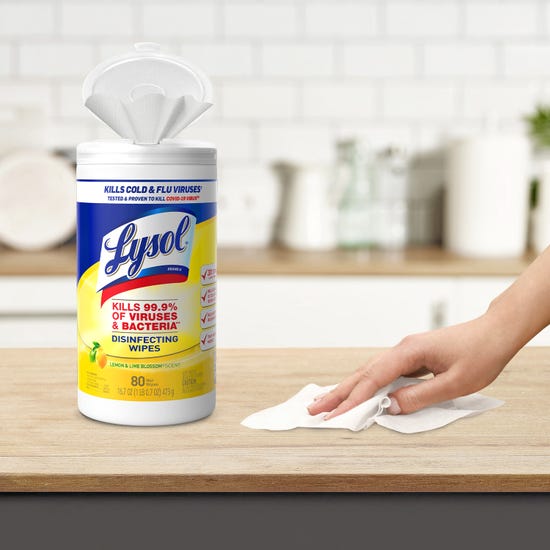
You probably reach for hand sanitizer wipes to clean your hands quickly. But have you ever wondered if those same wipes are safe and effective for your kitchen counter?
Your kitchen is where you prepare food for yourself and your loved ones, so keeping it clean is super important. Using the wrong product could leave harmful residues or miss germs hiding on the surface. If you want to know whether hand sanitizer wipes are a smart choice for your kitchen counter, keep reading.
We’ll break down what you need to know to keep your space truly clean and safe.
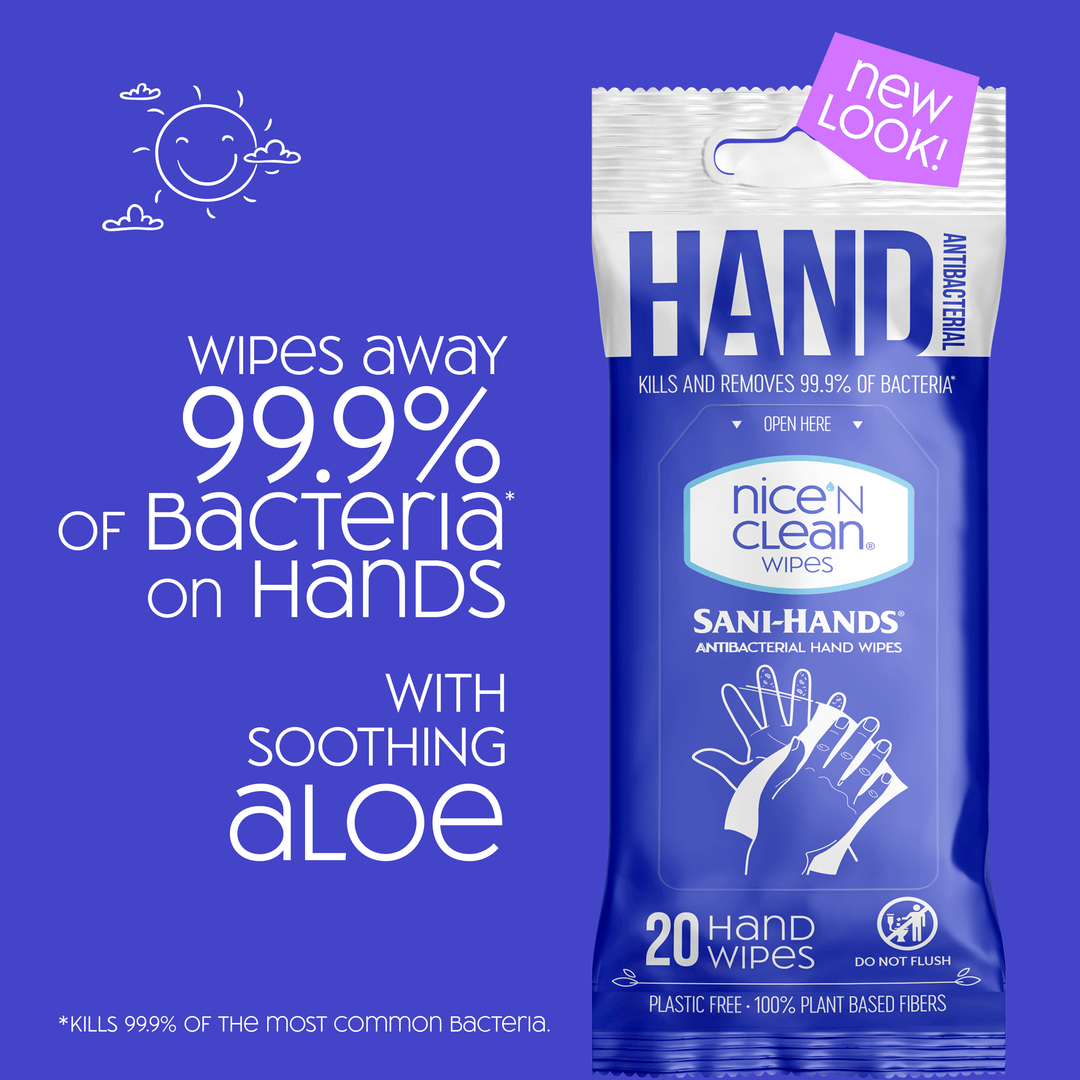
Credit: nicencleanwipes.com
Hand Sanitizer Wipes Basics
Understanding the basics of hand sanitizer wipes helps decide their use on kitchen counters. These wipes are common for quick cleaning and killing germs on hands. Knowing their composition and purpose clarifies their suitability for surfaces like kitchen counters.
What Are Hand Sanitizer Wipes
Hand sanitizer wipes are moist towelettes designed to clean and disinfect hands. They kill many types of bacteria and viruses instantly. People carry them for use when soap and water are not available. These wipes are small, portable, and easy to use.
They usually do not require rinsing after use. Their main role is to reduce germs on the skin. They are not primarily made for cleaning surfaces but for personal hygiene.
Common Ingredients In Sanitizer Wipes
Most sanitizer wipes contain alcohol as the active ingredient. Alcohol kills germs by breaking down their outer layers. The alcohol content is usually between 60% and 70%.
Other ingredients include:
- Water – keeps the wipe moist
- Emollients – protect skin from drying
- Fragrances – add a pleasant smell
- Preservatives – prevent bacteria growth in the wipe
The alcohol and moisture work together to disinfect hands quickly. These ingredients may not be safe or effective for all types of kitchen surfaces.

Credit: ca.attitudeliving.com
Kitchen Counter Surfaces
Kitchen counters see a lot of action daily. They host meal prep, spills, and lots of germs. Keeping these surfaces clean is a top priority. Choosing the right cleaning method depends on the counter material. Some surfaces handle harsh cleaners well, while others need gentle care. Understanding your kitchen counter helps protect it from damage and keeps it safe for food.
Types Of Kitchen Counter Materials
- Granite: Durable and heat-resistant but can stain if not sealed.
- Marble: Elegant but porous; prone to scratches and stains.
- Quartz: Engineered stone, strong and non-porous, easy to clean.
- Laminate: Affordable, made of plastic layers, can scratch easily.
- Wood: Warm appearance, needs regular sealing and careful cleaning.
- Stainless Steel: Modern look, resists heat and stains, can scratch.
Surface Sensitivity And Cleaning Needs
Each material reacts differently to cleaning products. Granite and quartz handle most cleaners well but avoid acidic wipes. Marble and wood require gentle, pH-neutral wipes to prevent damage. Laminate can be cleaned with mild soap but avoid abrasives. Stainless steel wipes should be non-abrasive and alcohol-free to keep shine.
Hand sanitizer wipes may contain alcohol or harsh chemicals. These can dull or damage some surfaces over time. Always check the wipe ingredients and test on a small spot first. For sensitive counters, use wipes made for delicate surfaces or plain soapy water.
Effectiveness On Kitchen Counters
Using hand sanitizer wipes on kitchen counters raises questions about their true effectiveness. Kitchen surfaces need proper cleaning and sanitizing to keep harmful germs away. Understanding how these wipes work helps decide if they are suitable for kitchen use.
Sanitizing Vs Cleaning
Cleaning removes dirt, grease, and food particles from surfaces. It makes the counter look clean but may not kill germs. Sanitizing uses chemicals to lower the number of germs to a safe level.
Hand sanitizer wipes mainly sanitize. They may not remove visible dirt or sticky residues. For kitchen counters, cleaning first with soap and water is essential. After cleaning, sanitizer wipes can reduce bacteria and viruses.
Kill Rate Of Germs And Bacteria
Hand sanitizer wipes contain alcohol, usually 60-70%. This alcohol kills many germs quickly. The wipes can kill bacteria like E. coli and Salmonella, common on kitchen surfaces.
Effectiveness depends on contact time. The wipe must stay wet on the surface for at least 30 seconds. Drying too fast lowers kill rates. Some viruses and spores are harder to kill with sanitizer alone.
For best results:
- Remove visible dirt before using wipes
- Wipe thoroughly, covering all areas
- Let the surface air dry for full germ kill
Safety Considerations
Hand sanitizer wipes may contain chemicals not safe for food surfaces. Always check labels to ensure they are food-safe before use. Wiping counters with proper kitchen cleaners reduces health risks.
When using hand sanitizer wipes on your kitchen counter, safety considerations play a crucial role in determining whether it's a wise choice. The kitchen is a hub of activity, and ensuring a clean, safe environment is paramount. However, using the wrong products might introduce more harm than good. Let's dive into some key safety aspects you should keep in mind.
Chemical Residue Concerns
Hand sanitizer wipes often contain chemicals designed to kill germs effectively. While these ingredients are great for sanitizing hands, they might leave residues on your kitchen counter. Have you ever thought about the impact of these residues on your food preparation surface? These residues could potentially mix with food, especially if the surface isn't rinsed properly afterward. It's essential to read the product label to ensure it's safe for surfaces that come into contact with food.
Food Contact Safety
The kitchen counter is where you prepare your meals, making food contact safety a top priority. Are the ingredients in your hand sanitizer wipes food-safe? If not, they might pose a risk to your health if ingested. Consider whether the wipes you're using are approved for use on food-contact surfaces. If you're unsure, it might be safer to opt for a cleaner specifically designed for kitchen surfaces. Always err on the side of caution to ensure your kitchen remains a safe space for meal preparation.
Proper Use Of Sanitizer Wipes
Using sanitizer wipes on your kitchen counter can be a quick way to reduce germs, but proper use is essential to ensure effectiveness and safety. If used incorrectly, these wipes might not fully sanitize surfaces or could leave harmful residues. Paying attention to how you apply and handle the wipes makes a big difference in keeping your kitchen both clean and safe.
Application Tips
Start by removing any visible dirt or food crumbs from your kitchen counter. Sanitizer wipes work best on clean surfaces, so a quick wipe with a damp cloth before using the sanitizer can help.
Use a fresh wipe for each section of the counter to avoid spreading germs. Press firmly and wipe the surface thoroughly, covering every inch you want to sanitize.
Don’t rush the process. Let the wipe sit on the surface for the time recommended on the label—usually around 30 seconds to a minute—to kill bacteria and viruses effectively.
Drying And Rinsing Recommendations
After wiping, allow the surface to air dry completely. This drying time ensures the sanitizer has enough contact to work properly.
Think about whether you need to rinse the counter afterward. Many sanitizer wipes leave residues that aren’t food-safe, so if you’re preparing food directly on the surface, rinsing with water is a smart move.
Using a damp cloth to wipe down the counter after sanitizing removes any leftover chemicals and prevents potential contamination of your food. Have you noticed any sticky or strong smells after using wipes? That’s a sign your surface might need rinsing.
Alternatives For Kitchen Cleaning
Cleaning kitchen counters requires effective products that kill germs without damaging surfaces. Hand sanitizer wipes often lack the right ingredients for kitchen use. Choosing the right alternative keeps your kitchen safe and clean. Here are options that work well for kitchen counters.
Approved Disinfectants
Disinfectants made for kitchens kill bacteria and viruses effectively. Look for products approved by health authorities. These usually contain:
- Bleach solutions diluted properly
- Alcohol-based cleaners with at least 70% alcohol
- Quaternary ammonium compounds (quats)
These disinfectants work on food contact surfaces safely. Follow instructions on the label for best results. Allow the surface to stay wet for the recommended time. This ensures germs are fully killed.
Natural Cleaning Options
Natural cleaners offer a gentle way to clean counters. They reduce chemical use and still remove dirt and some germs. Common natural options include:
- White vinegar mixed with water
- Baking soda paste for scrubbing
- Lemon juice for its natural acidity
These ingredients help clean and deodorize kitchen surfaces. They are safe for most countertops but may not kill all germs. Use natural options for daily cleaning and approved disinfectants for deeper sanitation.
Maintaining A Clean Kitchen
Maintaining a clean kitchen is essential for your health and the safety of your family. It goes beyond just appearance; a spotless kitchen helps prevent foodborne illnesses and keeps your cooking space inviting. But how can you keep your kitchen surfaces truly clean without risking damage or ineffective sanitizing?
Daily Cleaning Habits
Start with wiping down your counters every day. Use a damp cloth or kitchen-safe wipes to remove crumbs and spills immediately. This simple habit stops dirt and bacteria from building up over time.
Hand sanitizer wipes might seem like a quick fix, but they often contain ingredients that can leave residues or damage certain countertop materials. Instead, choose wipes designed specifically for kitchen surfaces or use a mild soap solution.
Also, don’t forget to clean under appliances and behind the sink regularly. These spots often hide grime that can spread germs if ignored.
Preventing Cross-contamination
Cross-contamination is a hidden danger in kitchens, especially if you prepare raw meat, poultry, or seafood. Use separate cutting boards and cleaning cloths for raw and cooked foods. This small step drastically reduces the risk of spreading harmful bacteria.
After handling raw ingredients, always clean your counters with a disinfectant safe for kitchen use. This prevents germs from transferring to other foods or utensils.
Ask yourself: Have you ever cleaned your kitchen counter with the same wipe you used for your hands? It’s tempting, but it can spread germs rather than kill them.
Keeping your kitchen clean takes more than just wiping surfaces. It requires consistent habits and choosing the right cleaning tools to protect your health and your home.
Credit: www.rd.com
Frequently Asked Questions
Can Hand Sanitizer Wipes Clean Kitchen Counters Effectively?
Hand sanitizer wipes can kill some germs but are not ideal for kitchen counters. They may not remove dirt and food residues properly. Use disinfectant wipes designed for surfaces or a mix of soap and water for thorough cleaning and sanitizing.
Are Hand Sanitizer Wipes Safe For Kitchen Surfaces?
Hand sanitizer wipes contain alcohol and chemicals that might damage some kitchen surfaces. Frequent use can cause discoloration or degradation. Always check the countertop material and test a small area before using them regularly.
Do Hand Sanitizer Wipes Kill Kitchen Bacteria Completely?
Hand sanitizer wipes kill many bacteria but may not eliminate all types found on kitchen counters. For complete disinfection, use products specifically labeled for surface sanitizing and follow the manufacturer’s instructions.
Can I Replace Kitchen Cleaning Wipes With Hand Sanitizer Wipes?
Hand sanitizer wipes are not a full replacement for kitchen cleaning wipes. They lack cleaning agents to remove grease and grime effectively. Use kitchen wipes or cleaners designed for food preparation areas to maintain hygiene.
Conclusion
Hand sanitizer wipes can clean some kitchen surfaces but are not always safe. They may leave harmful residues or damage counters. Use wipes made for kitchens to protect your space. Always read the label to check if they are safe for food areas.
Regular cleaning with mild soap and water works best. Keep your kitchen clean and safe for your family. Choosing the right product matters a lot. Clean smart, stay healthy.