
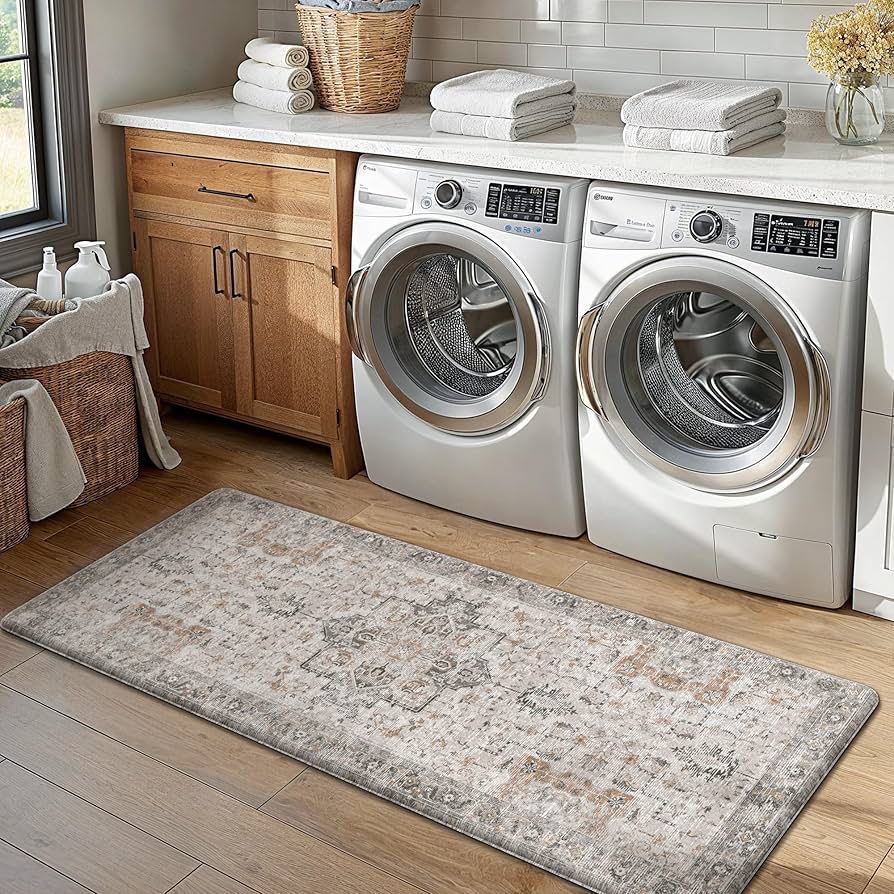
Have you ever wondered if you can toss your kitchen floor mat into the washing machine? You’re not alone.
Keeping your kitchen clean is important, and your floor mat plays a big role in that. But when it gets dirty, how do you clean it without ruining it? If you’re tired of guessing or worried about damaging your mat, this article is for you.
Keep reading to discover simple, effective tips that will help you refresh your kitchen floor mat safely and easily.

Credit: www.amazon.com
Choosing The Right Floor Mat
Choosing the right floor mat for your kitchen is important. A good mat protects your floor and stays clean easily. Not all mats can go in the washing machine. Picking the right material and size makes washing simple and effective.
Materials That Withstand Washing
Choose mats made from durable materials. Rubber, cotton, and microfiber handle machine washing well. Rubber mats resist water and dry quickly. Cotton mats absorb spills and clean easily. Microfiber mats trap dirt and are soft underfoot.
Avoid mats with glued parts or foam backing. These can break down in the washing machine. Look for mats labeled as machine washable or water-resistant. This ensures they keep their shape and color after washing.
Size And Thickness Considerations
Pick a mat size that fits your washing machine. Large mats may not fit or wash well. Thick mats can trap water and take longer to dry. Thin mats dry faster and clean better in the machine.
Measure your washing machine drum before buying a mat. Check the mat’s thickness on the label. Aim for mats that are easy to lift and handle. This helps keep your kitchen floor fresh and clean with less effort.

Credit: markandday.com
Preparing The Mat For Washing
Preparing your kitchen floor mat before washing ensures a better clean and protects the mat. This step removes dirt and avoids damage during the wash. Proper preparation also helps maintain the mat’s look and texture for longer use.
Removing Loose Dirt And Debris
Start by shaking the mat outside to remove dust and crumbs. Use a vacuum cleaner to clear any small particles stuck in the fibers. Pay extra attention to corners and edges. This prevents dirt from spreading during the wash.
- Shake the mat firmly to drop loose debris.
- Vacuum both sides for a thorough clean.
- Brush away any stubborn dirt with a soft brush.
Checking Manufacturer's Instructions
Read the care label carefully before washing. It shows if the mat is machine washable or needs hand cleaning. Follow water temperature and detergent guidelines to avoid damage. Some mats may require gentle cycles or no bleach.
- Look for washing symbols on the tag.
- Note any warnings about water temperature or detergents.
- Check if the mat can be tumble dried or air dried only.
Washing Machine Settings
Adjusting your washing machine settings correctly is key to cleaning your kitchen floor mat effectively without causing damage. The right settings help maintain the mat’s texture and color, ensuring it lasts longer and stays fresh. Understanding which cycle, water temperature, and detergent to use makes your cleaning routine simpler and more efficient.
Selecting The Appropriate Cycle
Choose a gentle or delicate cycle to protect the mat’s material from excessive wear and tear. These cycles use slower spin speeds and less agitation, which is perfect for mats that might have rubber backing or special textures. Avoid heavy-duty or bulky cycles that can stretch or damage the mat.
Recommended Water Temperature
Opt for cold or warm water settings to clean your kitchen floor mat effectively without shrinking or fading it. Hot water can break down adhesives or cause rubber backing to warp. If the mat is heavily soiled, warm water works well to loosen dirt but always check the care label first.
Choosing Suitable Detergents
Use mild liquid detergents free from bleach or strong chemicals to keep the mat’s colors vibrant and materials intact. Avoid powdered detergents that might not dissolve fully and leave residues. If you want to remove odors, add a small amount of baking soda with your detergent for a natural freshening boost.
Step-by-step Washing Process
Remove loose dirt by shaking the mat outside. Place the mat in the washing machine with mild detergent. Use a gentle cycle and air dry to keep the mat in good shape.
Washing your kitchen floor mat in a washing machine might seem unconventional, but it’s an efficient way to keep it fresh and clean. However, ensuring the longevity of both your mat and your washing machine requires following a specific process. Let's dive into the step-by-step washing process that makes this task both easy and effective.
Loading The Mat Properly
First, check the care label on your mat for washing instructions. Some mats might require hand washing or other special care. If machine washing is safe, roll or fold the mat tightly to ensure it fits into your machine without causing an imbalance. Placing a few towels around the mat can help maintain balance and prevent damage during the wash cycle.
Starting The Wash
Select a gentle cycle and use cold water to prevent any damage to the mat's material. Add a mild detergent, as harsh chemicals can wear out the mat over time. Have you ever wondered if a splash of vinegar could work wonders? Adding a small cup of white vinegar can help eliminate odors and keep colors vibrant.
Post-wash Inspection
Once the cycle finishes, carefully remove the mat to inspect it. Check for any remaining stains or soap residues. If the mat appears clean, hang it to dry in a well-ventilated area. Avoid using a dryer as high heat can warp the mat and shorten its lifespan. Keeping your kitchen floor mat clean is not just about aesthetics. It's about maintaining a hygienic environment where you prepare food. Wouldn't you agree that a fresh mat adds a sense of satisfaction to your kitchen routine?
Drying The Floor Mat
Drying your kitchen floor mat properly is essential to keep it fresh and durable. After washing, the mat holds moisture that can cause mold or bad smells if not dried well. Choosing the right drying method helps maintain the mat’s texture and shape. It also prevents damage and extends the mat’s life.
Air Drying Vs. Machine Drying
Air drying is gentle and safe for most floor mats. Hang the mat outside or lay it flat in a well-ventilated spot. Sunlight helps kill bacteria but avoid strong direct sun for too long to prevent fading.
Machine drying is faster but riskier. Use low heat or air fluff settings to reduce damage. Some mats may shrink or lose softness if dried with high heat. Check the care label before using a dryer.
Avoiding Damage During Drying
- Remove excess water by shaking or pressing the mat gently.
- Do not twist or wring the mat; it can deform the fibers.
- Keep the mat flat or hang it evenly to avoid creases.
- Avoid placing heavy objects on the mat while drying.
- Ensure the drying area is clean to prevent dirt sticking back.
Credit: www.walmart.com
Alternative Cleaning Methods
Alternative cleaning methods offer simple ways to clean kitchen floor mats without a washing machine. These methods work well for mats that are delicate or too large. They help remove dirt, stains, and odors effectively. You can use common household items and gentle techniques for fresh results.
Hand Washing Techniques
Start by shaking the mat outdoors to remove loose dirt. Fill a bucket with warm water and mild detergent. Use a soft brush or cloth to scrub the mat gently. Focus on stained or dirty areas. Rinse the mat thoroughly with clean water. Hang the mat to air dry completely before placing it back on the floor.
Using Baking Soda And Vinegar
Sprinkle baking soda evenly over the mat’s surface. Let it sit for 10 to 15 minutes to absorb odors. Mix equal parts of white vinegar and water in a spray bottle. Spray the vinegar solution onto the baking soda. The mixture will fizz, helping to lift dirt. Scrub gently with a soft brush. Rinse with clean water and air dry the mat.
Maintenance Tips For Longevity
Maintaining a kitchen floor mat that you wash in the machine helps it last longer. Proper care keeps it clean, fresh, and safe from damage. Simple habits protect the mat’s material and appearance. These tips ensure your mat stays in good shape over time.
Regular Cleaning Schedule
Set a cleaning routine for your kitchen floor mat. Wash it every one to two weeks depending on use. Remove crumbs and spills before washing. Use mild detergent to avoid harming the mat’s fibers. Air dry the mat fully to prevent damp spots. Regular cleaning stops dirt from building up and wearing out the mat.
Preventing Mold And Odors
Keep the mat dry after washing or spills. Avoid leaving it rolled or folded when wet. Place it in a well-ventilated area to dry faster. Use natural deodorizers like baking soda to absorb smells. Check the mat often for signs of mold or mildew. Early action stops odors and health risks from mold growth.
Frequently Asked Questions
Can You Wash Kitchen Floor Mats In A Washing Machine?
Yes, most kitchen floor mats can be washed in a washing machine. Use a gentle cycle with cold water to avoid damage. Check the mat’s care label first for specific instructions to ensure safe cleaning.
What Is The Best Washing Method For Kitchen Floor Mats?
Machine washing on a gentle cycle is best for most kitchen mats. Use mild detergent and avoid bleach. Air dry the mat to maintain its shape and prevent shrinking or damage.
How Often Should Kitchen Floor Mats Be Washed?
Washing kitchen floor mats every 1-2 weeks is ideal. Frequent cleaning helps remove dirt, bacteria, and spills. Regular washing keeps mats hygienic and extends their lifespan.
Can Washing Damage Kitchen Floor Mats?
Improper washing, like using hot water or harsh detergents, can damage mats. Always follow care instructions and use gentle settings. Avoid machine drying if the label advises against it to prevent shrinkage.
Conclusion
Washing machine kitchen floor mats can be cleaned safely at home. Check the mat’s label for washing instructions first. Use gentle cycles and mild detergent to protect the material. Avoid hot water to prevent damage or shrinking. Let the mat air dry fully before placing it back.
Regular cleaning keeps your kitchen floor mat fresh and hygienic. This simple care helps your mat last longer and look better. Easy to follow steps make washing stress-free and effective. Clean mats create a healthier kitchen environment for your family.