
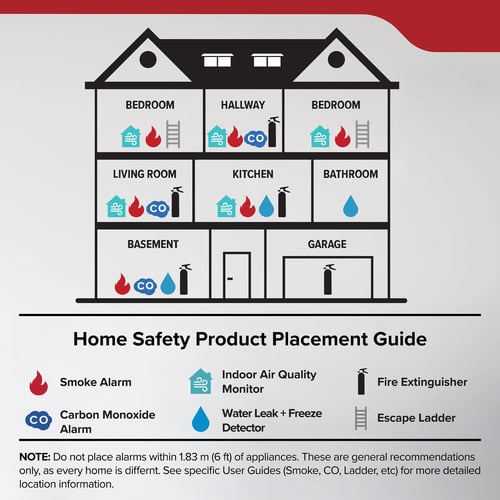
Have you ever wondered if your kitchen needs a smoke detector? You might think it’s a good idea, but is it really necessary or just an extra gadget?
Your kitchen is one of the most active places in your home, filled with heat, steam, and sometimes unexpected smoke. Knowing whether to install a smoke detector here could protect your family and save your home from disaster. You’ll discover the key reasons why a kitchen smoke detector might be a smart move—or why it might cause more trouble than it’s worth.
Keep reading to make the best choice for your safety and peace of mind.

Credit: www.wconline.com
Smoke Detectors And Kitchen Risks
Smoke detectors are crucial safety devices in any home, but placing them in the kitchen raises important questions. The kitchen is both a hotspot for fires and a challenging environment for smoke detectors due to cooking fumes and steam. Understanding the risks and how detectors function can help you decide the best way to protect your kitchen without causing false alarms.
Common Kitchen Fire Hazards
The kitchen contains many potential fire starters that you might overlook. Cooking oils can ignite quickly if left unattended on the stove. Electrical appliances, like toasters and microwaves, can malfunction and spark fires.
Other hazards include:
- Grease buildup in vents and filters
- Flammable items near heat sources, such as dish towels or paper towels
- Overheated pots or pans left on burners
Have you ever had a smoke alarm go off just because you burned toast? These common incidents highlight why kitchens are tricky areas for smoke detectors.
How Smoke Detectors Work
Smoke detectors sense smoke particles in the air to warn you of a fire. There are two main types: ionization and photoelectric detectors. Ionization alarms react quickly to flaming fires, while photoelectric alarms are better at detecting smoldering fires.
In kitchens, ionization alarms often cause false alerts due to steam and cooking smoke. Photoelectric detectors reduce these false alarms by responding to larger smoke particles typical of real fires. You can also find combination alarms designed to balance sensitivity and reduce nuisance alerts.
Would you prefer a detector that wakes you up for every burnt toast, or one that alerts you only when a real fire starts? Choosing the right type and placement is key to keeping your kitchen safe and your nerves calm.
Pros And Cons Of Kitchen Smoke Detectors
Deciding whether to install a smoke detector in the kitchen requires weighing its advantages and disadvantages. Smoke detectors near cooking areas can alert you quickly to real fires. Yet, they might also cause frequent false alarms due to normal cooking activities. Understanding these pros and cons helps in making a safe and practical choice for your home.
Benefits Of Placement Near Cooking Areas
- Early detection of actual kitchen fires prevents serious damage.
- Alerts occupants quickly, allowing fast response and evacuation.
- Increases overall home safety by covering a high-risk area.
- May reduce insurance premiums by improving fire protection.
- Peace of mind knowing the kitchen is monitored for smoke.
Challenges And False Alarms
- Smoke from cooking often triggers alarms unnecessarily.
- Steam and heat from pots can cause false alerts.
- Frequent false alarms may lead to ignoring important warnings.
- Detectors too close to stoves can wear out faster.
- Placement requires careful planning to minimize nuisance alarms.
Best Types Of Smoke Detectors For Kitchens
Choosing the right smoke detector for your kitchen is important. Kitchens have unique conditions like steam, smoke, and heat from cooking. Some detectors might give false alarms or miss real dangers. Picking the best type helps keep your home safe without constant beeping. Understand the main types before installing one in your kitchen.
Ionization Vs Photoelectric Detectors
Ionization detectors react fast to small, fast-burning fires. They use a small amount of radioactive material to detect smoke particles. But kitchens often cause false alarms due to cooking smoke or steam.
Photoelectric detectors spot larger smoke particles from slow, smoldering fires. They use a light beam and sensor to detect smoke. These detectors are less likely to be triggered by cooking fumes, making them better for kitchens.
Combination Alarms And Heat Sensors
Combination alarms include both ionization and photoelectric sensors. They offer broader fire detection but still might react to cooking smoke. Some models have a hush button to stop false alarms temporarily.
Heat sensors detect temperature changes, not smoke. They trigger alarms if the room gets too hot. Heat sensors work well in kitchens since they avoid false alarms from steam or cooking smoke.

Credit: www.reddit.com
Optimal Placement Tips
Placing smoke detectors in the kitchen can be tricky. You want to ensure they detect real fires, not false alarms from cooking. Here are some tips for optimal placement.
Distance From Cooking Appliances
Keep the detector at least 10 feet from cooking appliances. This reduces false alarms from steam and smoke. Place it closer, and regular cooking activities might trigger it.
Use this distance to maintain a balance. It ensures safety while minimizing nuisances. Consider open windows or fans that affect airflow.
Mounting Height And Location
Mount the detector on the ceiling for best results. Smoke rises, and ceiling placement increases detection speed. Ensure it’s at least 4 inches from the wall.
If ceiling placement isn't an option, place it high on a wall. Ensure it’s 4-12 inches from the ceiling. Avoid corners, as smoke might not reach them easily.
Choose a spot away from air vents. Avoid placing near doors or windows, as drafts can interfere with operation.
Maintenance And Testing
Keeping a smoke detector in your kitchen is only half the battle. Maintenance and regular testing are critical to ensure it functions properly when you need it most. Neglecting these tasks can lead to false alarms or, worse, a failure to alert you during an actual fire.
Regular Cleaning To Prevent False Alarms
Smoke detectors in kitchens are prone to false alarms due to cooking smoke and steam. Dust and grease can also build up inside the detector, triggering it unnecessarily. Cleaning your smoke detector every month can help avoid these nuisances.
Use a soft brush or vacuum cleaner to remove dust and debris from the detector’s vents. Avoid spraying cleaning products directly on the unit, as this can damage the sensitive sensors. Have you noticed your alarm going off every time you fry bacon? Regular cleaning might be the fix you need.
Testing Frequency And Battery Replacement
Testing your smoke detector should be a monthly habit. Press the test button to make sure the alarm sounds loud and clear. If you don’t hear a strong beep, it’s time to check the batteries or the entire unit.
Replace batteries at least once a year or when the detector signals a low battery with a chirping sound. Consider using long-life lithium batteries to reduce replacement frequency. Would you trust your smoke detector if it failed during a real emergency? Regular testing ensures you won’t have to find out.

Credit: www.firedetectionshop.co.uk
Alternative Safety Devices For Kitchens
Smoke detectors can be tricky in kitchens due to cooking smoke and steam. False alarms often happen, causing annoyance and distrust. Alternative safety devices offer better protection tailored for kitchen conditions. These devices reduce false alarms and enhance fire safety effectively.
Heat Detectors
Heat detectors sense a rapid rise in temperature. They activate only when the heat reaches a dangerous level. This makes them ideal for kitchens where smoke is common but fires are rare.
Heat detectors do not react to cooking smoke or steam. They provide reliable alerts without unnecessary interruptions. Installing heat detectors near cooking areas improves safety and reduces false alarms.
Fire Extinguishers And Suppression Systems
Fire extinguishers are essential for immediate fire control. Keep a multi-purpose extinguisher easily accessible in the kitchen. Learn how to use it correctly to stop small fires fast.
Automatic fire suppression systems activate quickly during a fire. These systems release chemicals or water to control flames. They protect kitchen appliances and prevent fire spread effectively.
Frequently Asked Questions
Should I Install A Smoke Detector In The Kitchen?
Yes, but avoid placing it too close to cooking appliances. Kitchen smoke detectors help detect real fires but can cause false alarms if installed improperly.
What Type Of Smoke Detector Is Best For Kitchens?
Photoelectric smoke detectors are best for kitchens. They detect smoldering fires quickly and reduce false alarms from cooking smoke or steam.
How Far Should Smoke Detectors Be From The Stove?
Smoke detectors should be installed at least 10 feet away from the stove. This distance minimizes false alarms caused by normal cooking smoke or steam.
Can A Smoke Detector Prevent Kitchen Fires?
A smoke detector alerts you early, giving time to act. It doesn't prevent fires but significantly improves safety by providing an early warning.
Conclusion
Placing a smoke detector in the kitchen can save lives. It alerts you quickly if a fire starts. But, avoid false alarms by choosing the right type and location. Keep the detector away from steam and cooking smoke. Test it regularly to ensure it works well.
Safety in the kitchen is worth the extra care. A smart choice for every home.