
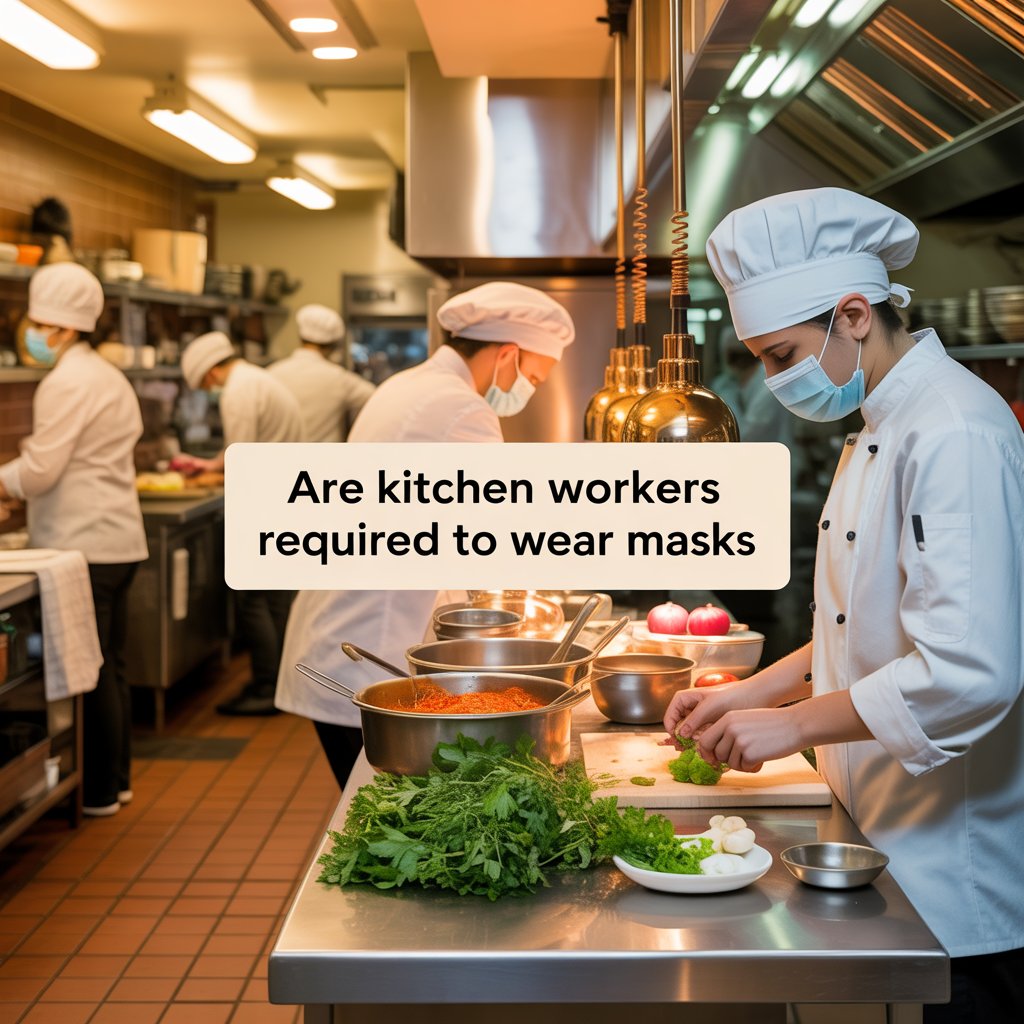
Are kitchen workers required to wear masks. If you run a restaurant or work in food service, this question might be on your mind.
Masks can feel uncomfortable, but they play a big role in keeping everyone safe. You want to protect your team, your customers, and your business. Understanding the rules and reasons behind mask-wearing can help you make the best decisions for your kitchen.
Keep reading to find out what the latest guidelines say and why masks might be more important than you think.

Credit: www.safetyandhealthmagazine.com
Mask Mandates In Kitchens
Mask mandates in kitchens have become a hot topic, especially as health and safety take center stage in food service. Whether kitchen workers are required to wear masks depends heavily on regulations designed to protect both staff and customers. Understanding these rules can help you navigate your workplace better and keep everyone safe.
Current Regulations
Many health departments require kitchen staff to wear masks, especially during periods of high illness transmission. These rules aim to prevent respiratory droplets from contaminating food and surfaces. You might notice signs in kitchens reminding workers to keep masks on, which shows how seriously some places take these mandates.
Some businesses even go beyond local regulations, requiring masks to maintain customer confidence. If you work in a kitchen, ask your manager about the current mask policy—rules can change quickly based on new health data.
Variations By Region
Mask requirements differ widely depending on where you live or work. In some states or countries, masks are mandatory in all indoor food preparation areas. Elsewhere, masks might only be recommended, not required, especially if workers are vaccinated.
For example, some cities enforce strict mask rules during flu season or COVID-19 surges, while others leave it up to individual businesses. This patchwork of rules means you need to stay informed about your specific location. Have you checked the latest updates from your local health authority lately?
Health Benefits Of Mask Wearing
Wearing masks in the kitchen is more than just a rule; it offers clear health benefits that affect everyone on the team. Masks act as a simple barrier that helps reduce the spread of germs and protects those who might be more at risk. Understanding these benefits can help you see why mask-wearing is a smart choice in any busy kitchen environment.
Preventing Germ Spread
Kitchens are full of close interactions and shared surfaces, which can easily pass germs from person to person. Masks catch droplets from coughs, sneezes, or even talking, stopping those invisible germs before they float through the air.
Think about a time when you or a coworker caught a cold at work. Wouldn't you want to prevent that from happening again? Wearing a mask cuts down the chances of these illnesses spreading, keeping your team healthier and reducing sick days.
Protecting Vulnerable Staff
Not all kitchen workers are equally healthy. Some may have underlying conditions or weaker immune systems that make them more vulnerable to infections. Masks provide an extra layer of protection, helping keep these team members safe from potentially serious illnesses.
Imagine how it feels to work alongside someone who worries about their health every day. By wearing a mask, you show respect and care for your coworkers’ well-being. It’s a small action with a big impact on creating a supportive workplace.
Employer Responsibilities
Employers hold a key role in keeping kitchen workers safe. They must provide the right tools and clear instructions. This helps reduce health risks and maintain hygiene. Employers also set the tone for a safe workplace. Their actions show how seriously they take safety rules.
Providing Masks And Training
Employers must supply masks to all kitchen staff. Masks should fit well and meet safety standards. They need to explain why masks are important. Training helps workers understand how to wear masks correctly.
Training can include:
- How to put on and take off masks safely
- When masks must be worn during work
- How to dispose of or clean masks properly
Enforcing Safety Protocols
Employers must ensure workers follow mask rules. This means regular checks and reminders. They should create clear policies on mask use. Consistent enforcement helps protect everyone in the kitchen.
Employers can use:
- Signage to remind workers about mask rules
- Regular spot checks during shifts
- Consequences for not following safety guidelines

Credit: www.safetyandhealthmagazine.com
Challenges For Kitchen Workers
Wearing masks can be tough for kitchen workers during long shifts. It affects breathing and communication but helps keep food safe and workers protected. Rules vary by location and employer policies.
The COVID-19 pandemic has changed many workplace norms, including in kitchens. Kitchen workers often face unique challenges while wearing masks. These difficulties affect both their work performance and well-being. Understanding these challenges is crucial for creating a better work environment.
Breathing And Comfort Issues
Masks can make breathing difficult. This is especially true in hot kitchens. Workers often move quickly and handle heavy tasks. This physical exertion makes them breathe harder. Masks can trap heat and moisture. This can cause discomfort and even skin irritation. Many workers find it hard to stay focused due to these issues. A comfortable mask is essential for a safe work environment.
Communication Barriers
Clear communication is vital in a busy kitchen. Workers need to hear orders and give instructions. Masks can muffle voices, making it hard to understand each other. Reading facial expressions becomes difficult. This can lead to misunderstandings and mistakes. Workers may need to repeat themselves often. This takes extra time and can cause frustration. Effective communication tools can help overcome these barriers.
Alternative Safety Measures
When masks are not mandatory for kitchen workers, alternative safety measures become essential to maintain a healthy work environment. These measures help protect both staff and customers from potential health risks. Let’s look at some practical ways you can boost safety without relying solely on masks.
Physical Distancing
Keeping a safe distance between workers can significantly reduce the risk of virus transmission. In a busy kitchen, this might mean rearranging workstations or limiting the number of staff working simultaneously in tight spaces.
Have you noticed how spacing out tasks can also improve workflow and reduce mistakes? It’s a win-win for safety and efficiency. Encourage your team to respect these distances, even during quick interactions.
Hand Hygiene Practices
Frequent handwashing is one of the simplest yet most effective safety habits. Make sure your kitchen has accessible handwashing stations stocked with soap and disposable towels.
Remind your team to wash hands before handling food, after touching surfaces, and after breaks. Sometimes, a gentle reminder or visible signage can make a big difference in keeping everyone on track.

Credit: www.nature.com
Future Trends In Kitchen Safety
Future trends in kitchen safety focus on protecting workers and food quality. Kitchens are adapting with new rules and better tools. Safety is becoming smarter and easier to follow. This helps keep everyone healthy and kitchens running smoothly.
Innovative Mask Designs
Mask designs for kitchen workers are improving fast. New masks offer better breathability and comfort. Materials now prevent fogging of glasses and reduce heat buildup.
Some masks include features like:
- Antimicrobial fabrics to reduce germs
- Adjustable straps for a secure fit
- Clear panels to show facial expressions
- Lightweight and washable materials
These changes help workers wear masks longer without discomfort. Clear masks improve communication during busy shifts. Comfort and hygiene go hand in hand in future kitchen gear.
Evolving Health Guidelines
Health guidelines for kitchens are changing with new research. Authorities update rules based on virus spread and hygiene studies. Mask policies may shift as risks change over time.
Expect guidelines to:
- Focus more on ventilation and air quality
- Include regular health checks for staff
- Emphasize hand hygiene alongside masks
- Allow flexibility based on local conditions
These updates aim to balance safety and practicality. Kitchens will follow clearer, science-based rules to protect workers and customers.
Frequently Asked Questions
Are Kitchen Workers Legally Required To Wear Masks?
Mask requirements for kitchen workers depend on local health regulations and workplace policies. Many regions mandate masks to reduce COVID-19 spread. Employers may enforce mask use to ensure safety and hygiene standards in food preparation areas.
When Should Kitchen Staff Wear Masks During Work?
Kitchen staff should wear masks when social distancing is not possible or when handling food. Masks help prevent contamination and protect both workers and customers. Policies may vary by location and employer guidelines.
Do Masks Affect Kitchen Workers’ Safety And Hygiene?
Yes, masks enhance safety by reducing airborne contaminants and cross-contamination risks. They support hygiene standards in food preparation and handling. Proper mask use complements other safety measures like handwashing and sanitizing.
Are Cloth Masks Acceptable For Kitchen Workers?
Cloth masks are often allowed but should be clean, breathable, and secure. Some workplaces may require surgical or disposable masks for better protection. Employers typically specify acceptable mask types based on health guidelines.
Conclusion
Wearing masks in the kitchen helps keep everyone safe and healthy. Many health rules ask kitchen workers to wear masks. Masks stop germs from spreading while cooking or serving food. Some places may have different mask rules, so check local guidelines.
Keeping clean and wearing a mask shows care for customers and coworkers. This small step makes a big difference in food safety. Stay informed and follow the rules to protect yourself and others. Safety in the kitchen is simple with a mask.