
Can You Use Hand Soap to Clean Kitchen Counters? You probably wonder if the hand soap you use every day can double as a cleaner for your kitchen counters. After all, it’s easy to grab and smells fresh.
But is it really safe and effective? Using the wrong cleaner on your kitchen surfaces can leave behind germs or even cause damage. You’ll discover the truth about hand soap and kitchen counters—so you can keep your space spotless without risking your health or your countertops.
Keep reading to find out what works best for your kitchen cleaning routine.
Credit: mpgstone.com
Hand Soap And Kitchen Counters
Using hand soap to clean kitchen counters is a question many of us wonder about, especially when we run out of specialized cleaners. Your kitchen counters face a lot of daily mess, from food spills to bacteria. Understanding how hand soap works and the types available can help you decide if it’s a good option for keeping your surfaces clean and safe.
How Hand Soap Works
Hand soap contains ingredients called surfactants. These surfactants break down oils and dirt, making it easier to wash them away with water.
When you apply hand soap to your kitchen counter, it can remove grease and food residue effectively. However, hand soap is designed mainly for skin, so it may not kill all types of bacteria or viruses on surfaces.
Have you ever noticed how some soaps leave a residue or a sticky feel? That’s because some hand soaps have moisturizers or fragrances that aren’t ideal for kitchen surfaces.
Types Of Hand Soaps
Not all hand soaps are the same. Here are the common types you might find:
- Liquid Hand Soap:The most common type, easy to apply and rinse. It usually contains moisturizers that might leave a film on counters.
- Antibacterial Hand Soap:Contains ingredients to kill bacteria on hands. It might seem perfect for counters, but these soaps can be harsh and sometimes unnecessary for kitchen surfaces.
- Foaming Hand Soap:Light and gentle, but often less effective at cutting through tough grease on counters.
- Natural or Organic Hand Soap:Made with plant-based ingredients and fewer chemicals. These can be gentler but might not be as strong in cleaning tough kitchen messes.
Knowing the type of soap you have can guide you on whether it’s suitable for your kitchen counters. Would you want to risk sticky or less hygienic surfaces just because you used hand soap? Think about what’s best for your kitchen’s cleanliness.
:max_bytes(150000):strip_icc()/clean-every-type-of-countertop-butcher-block-getty-0823-20431b977efe48cd973c489f353fb49b.jpg)
Credit: www.marthastewart.com
Effectiveness On Kitchen Surfaces
Cleaning kitchen counters requires effective products to keep surfaces safe and spotless. Hand soap is designed primarily for skin, but many wonder about its role on kitchen surfaces. Its effectiveness depends on the type of dirt and the need for disinfection. Understanding how hand soap works on grease, dirt, and germs helps decide if it suits your kitchen cleaning tasks.
Removing Grease And Dirt
Hand soap contains mild surfactants that break down oils and grime. It can remove light grease and food particles from counters. However, it may struggle with heavy buildup or sticky residues. For quick cleanups, hand soap works fine. For tougher stains, stronger kitchen cleaners perform better.
Disinfecting Capabilities
Hand soap cleans but does not kill most bacteria and viruses effectively. It lacks strong disinfectants found in kitchen sanitizers. Washing counters with hand soap reduces germs by physical removal. For proper disinfection, use products labeled to kill kitchen pathogens. Relying on hand soap alone may leave harmful microbes behind.
Safety And Surface Impact
Understanding the safety and surface impact of using hand soap on kitchen counters is important. Not all soaps suit every countertop material. Using the wrong cleaner may harm your surfaces or reduce their lifespan.
Potential Damage To Counters
Hand soap often contains moisturizers and fragrances. These ingredients can leave residues on counters. Over time, residue buildup may cause dullness or stickiness.
Some soaps have a slightly acidic or alkaline pH. This can wear down delicate surfaces. For example, natural stone like marble or granite may etch or lose shine.
Repeated use of hand soap might also weaken protective coatings. This makes counters more vulnerable to stains and scratches.
Suitability For Different Materials
Hand soap generally works better on sealed surfaces. These include laminate and sealed quartz. It can clean without causing immediate harm.
Unsealed or porous materials may absorb soap and moisture. This leads to stains or swelling over time. Surfaces like wood or unsealed stone need gentler care.
- Granite and marble:Avoid hand soap to prevent etching.
- Laminate:Hand soap is usually safe for routine cleaning.
- Quartz:Can tolerate mild hand soap if sealed properly.
- Wood:Use specially made cleaners to avoid damage.
Best Practices For Cleaning Counters
Cleaning kitchen counters is essential for maintaining a healthy home. Counters can host germs and bacteria, especially after preparing food. Using the right cleaning practices ensures a safe cooking space. Let's explore the best methods for keeping your counters spotless.
Proper Usage Of Hand Soap
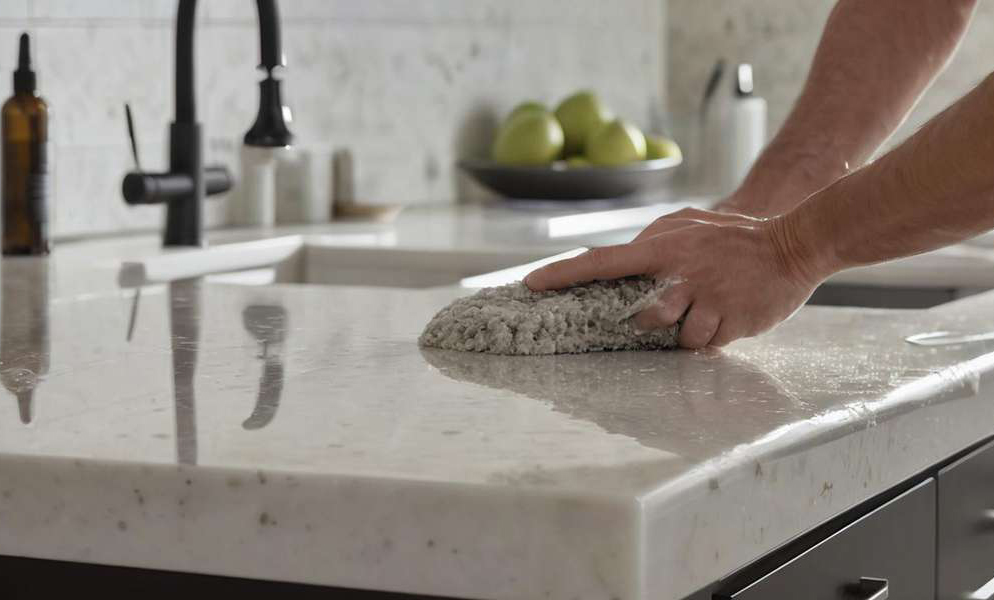
Hand soap can clean counters effectively. Use a small amount on a damp cloth. Gently scrub the counter surface in a circular motion. Rinse the cloth and wipe again to remove soap residue. Ensure the counter is dry to prevent any streaks. Hand soap works well for quick, light cleaning tasks.
Alternatives To Hand Soap
Consider other cleaning agents for different counter materials. Vinegar mixed with water is excellent for natural stone. Baking soda can tackle stubborn stains on laminate surfaces. For wood, use a mild dish soap solution to avoid damage. Always test new cleaning products on a small area first.
Expert Recommendations
Experts suggest using the right cleaning agents for kitchen counters. Hand soap can work in some cases but is not always ideal. Knowing when to use it and how to maintain cleanliness helps keep your kitchen safe and spotless.
When To Use Hand Soap
Hand soap is gentle and designed for skin. It can clean light dirt and spills on counters. Use it for quick cleaning or when no other cleaner is available. Avoid using hand soap on porous surfaces like wood or natural stone. It may not remove grease or tough stains well. For heavy kitchen messes, choose a cleaner made for kitchen surfaces. Hand soap works best on smooth, sealed countertops.
Tips For Maintaining Clean Counters
- Wipe counters daily with a damp cloth to remove crumbs and spills.
- Use warm water with a few drops of hand soap for mild cleaning.
- Rinse with clean water after washing to avoid soap residue.
- Dry counters with a soft towel to prevent water spots.
- Disinfect regularly using a safe kitchen surface spray or diluted bleach.
- Avoid harsh scrubbing to protect the counter finish.
- Always test new cleaners on a small area first.

Credit: www.tastingtable.com
Frequently Asked Questions
Can Hand Soap Effectively Clean Kitchen Counters?
Hand soap can clean light dirt and grease on kitchen counters. It’s gentle and safe for most surfaces but may not kill all germs. For thorough disinfection, use a kitchen-safe sanitizer after cleaning with hand soap.
Is Hand Soap Safe For All Kitchen Countertop Materials?
Hand soap is generally safe for most countertop materials like laminate, granite, and quartz. Avoid harsh scrubbing to prevent surface damage. Always test a small area first to ensure no discoloration or wear occurs.
How To Use Hand Soap To Clean Kitchen Counters?
Mix a few drops of hand soap with warm water. Use a soft cloth or sponge to wipe the counters gently. Rinse with clean water afterward and dry with a towel for a streak-free finish.
Can Hand Soap Replace Kitchen-specific Cleaners?
Hand soap can be a temporary solution but isn’t a full replacement. Kitchen cleaners contain ingredients for grease removal and disinfection. For best hygiene, use hand soap for quick cleaning and kitchen cleaners for deep cleaning.
Conclusion
Hand soap can clean kitchen counters in a pinch. It removes dirt and some germs but may not kill all bacteria. For deeper cleaning, use a kitchen cleaner or disinfectant. Always rinse the surface well to avoid sticky residue. Keep your kitchen safe by cleaning regularly and drying counters after use.
Simple steps keep your space fresh and healthy every day.