
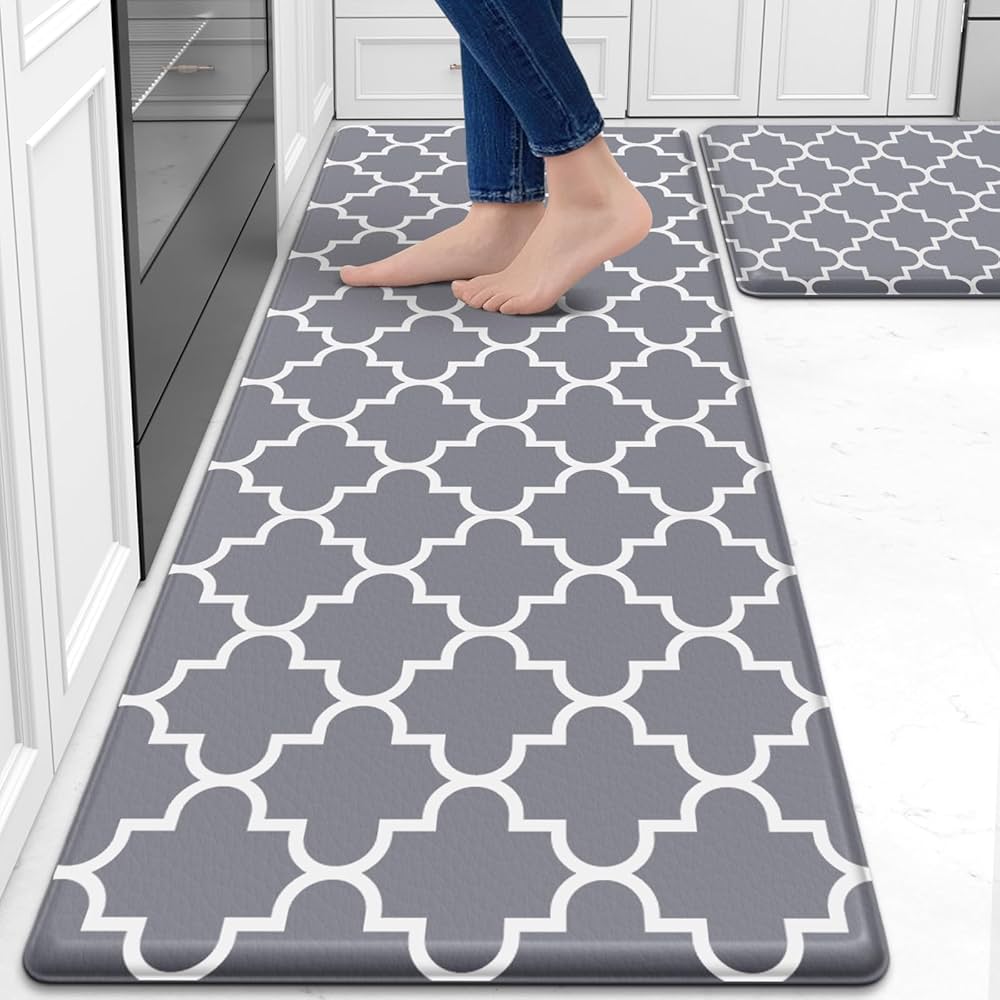
Can You Machine Wash Anti Fatigue Kitchen Mats?. Are you tired of standing on hard kitchen floors all day? Anti fatigue kitchen mats are a great way to ease your feet and reduce discomfort.
But what happens when these mats get dirty? You might wonder, can you machine wash anti fatigue kitchen mats without ruining them? Finding the right answer will save you time, effort, and keep your kitchen fresh. Keep reading to discover the best cleaning methods and how to take care of your mat so it lasts longer and stays comfortable every day.
What Are Anti Fatigue Kitchen Mats
Anti fatigue kitchen mats help reduce tiredness while standing in the kitchen. They provide comfort and support by cushioning your feet. These mats are designed to make long cooking or cleaning sessions easier on your legs and back.
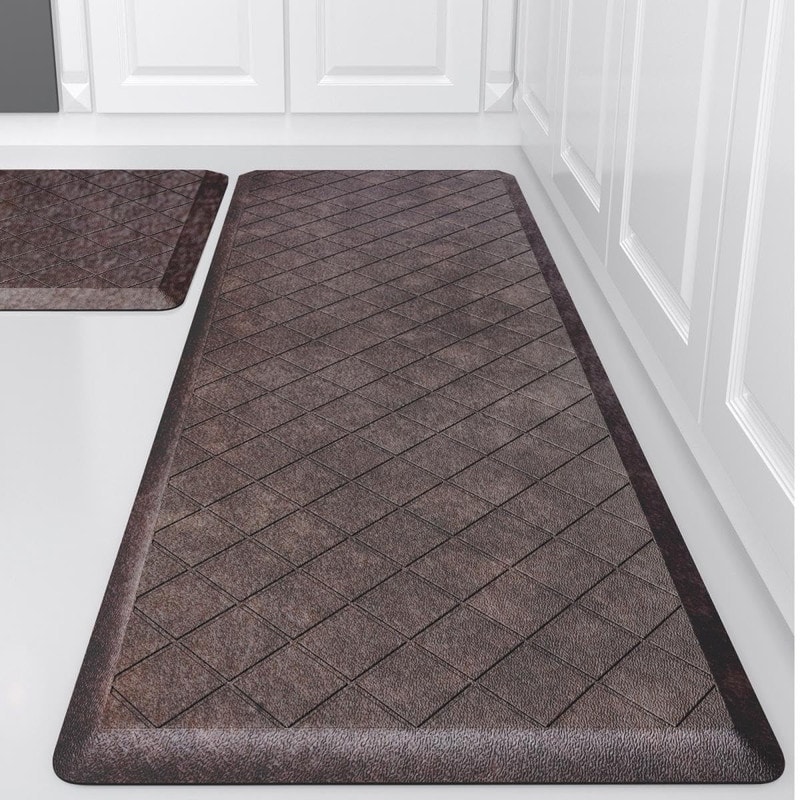
They come in different shapes, sizes, and materials. Most are made with foam, gel, or rubber to absorb pressure. This helps improve blood flow and reduce strain during long periods of standing.
Material Composition Of Anti Fatigue Kitchen Mats
Common materials include:
- High-density foam for soft cushioning
- Gel inserts for extra comfort
- Rubber bases to prevent slipping
- Vinyl tops for easy cleaning
Benefits Of Using Anti Fatigue Kitchen Mats
- Reduces foot and leg pain
- Supports better posture
- Increases comfort during long standing
- Prevents slips and falls
Common Uses Of Anti Fatigue Mats In Kitchens
- Standing near the stove
- At kitchen sinks for washing dishes
- Food prep areas
- Home or commercial kitchens
Credit: www.bedbathandbeyond.com
Materials Used In Anti Fatigue Mats
Anti fatigue kitchen mats come in a variety of materials, each with unique qualities affecting comfort, durability, and care instructions. Understanding what these mats are made of can help you decide if machine washing is a good option for your specific mat. Let's look at the most common materials used and how they influence cleaning methods.
Polyurethane Foam
This material is popular because it provides excellent cushioning and supports your feet and legs during long kitchen tasks. Polyurethane foam is lightweight and flexible but can absorb water if not sealed properly. Machine washing may damage its structure or cause it to lose its cushioning, so spot cleaning is often recommended.
Gel-filled Mats
Gel mats offer targeted support by containing a gel layer inside a durable outer cover. The outer layer is usually made of vinyl or rubber, which can handle moisture well, but the gel inside might be sensitive to extreme temperatures or agitation. Washing these mats in a machine might cause leaks or deform the gel, so gentle hand cleaning is safer.
Rubber And Pvc
Rubber and PVC mats are known for their durability and water resistance. These materials can generally withstand more vigorous cleaning, including machine washing, but you should always check the manufacturer’s instructions. If machine washing is allowed, use a gentle cycle with cold water to avoid warping or cracking.
Memory Foam
Memory foam mats contour to your feet, providing personalized support and reducing fatigue. However, memory foam is highly sensitive to water and agitation, which can cause it to break down or lose shape. Machine washing is usually not recommended, and spot cleaning or hand washing is a better choice.
Have you noticed how the material affects how you clean your mat? Choosing the right material means you can keep your mat fresh without risking damage, making your kitchen a more comfortable place to stand.
Can You Machine Wash Them
Wondering if you can toss your anti fatigue kitchen mat into the washing machine? It’s a common question since these mats often gather spills and grime from daily cooking. While machine washing might sound like a quick fix, the answer depends on a few important factors that affect both the mat’s cleanliness and its durability.
Manufacturer Recommendations
Always start by checking the care label or the manufacturer’s instructions. Some brands explicitly state whether their mats are machine washable or if they require hand cleaning only.
Ignoring these guidelines can void warranties or damage the mat permanently. If the label says no machine wash, consider spot cleaning or using a gentle scrub instead. Have you ever ruined a good mat by skipping this step? It’s a costly mistake you want to avoid.
Material Considerations
The material of your anti fatigue mat plays a big role in how it should be cleaned. Mats made from foam or gel often absorb water and can lose their cushioning if washed in a machine.
Vinyl or rubber-backed mats might handle a gentle cycle better, but even then, the agitation can cause wear and tear. Think about whether your mat has delicate textures or layers that could separate during washing.
Size And Weight Factors
Large or heavy mats can strain your washing machine, potentially damaging both the appliance and the mat. If the mat is bulky, it’s usually safer to clean it manually.
For smaller mats, a gentle machine wash on cold with mild detergent might work, but avoid the dryer — air drying is best to keep the mat’s shape intact.
Do you have a mat that fits easily in your washer drum? If so, test a gentle cycle and check for any changes afterward before making it a routine.

Credit: www.amazon.ca
Step-by-step Machine Washing Guide
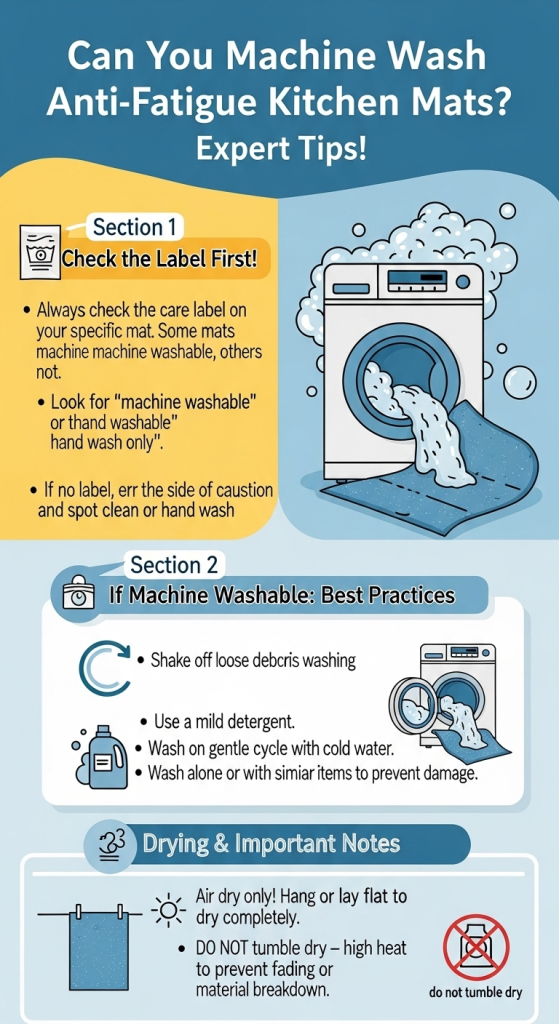
Anti fatigue kitchen mats can often be machine washed, but check the care label first. Use a gentle cycle with cold water and mild detergent to protect the mat’s material. Air dry the mat to keep it in good shape and avoid damage.
Keeping your anti-fatigue kitchen mats clean is essential for maintaining hygiene and prolonging their lifespan. But can you toss them into the washing machine without a second thought? The answer is yes, but with a few specific steps to ensure they come out looking fresh and undamaged. Here's a comprehensive guide to machine washing your anti-fatigue kitchen mats.
Pre-wash Preparation
Before you start, take a moment to check for any specific cleaning instructions on the mat's label. Some mats may have particular guidelines that you'll need to follow. Shake off any loose dirt or crumbs outside. This helps prevent your washing machine from clogging and ensures a more thorough clean. Consider spot-treating any visible stains with a mild detergent. Gently scrub the area with a soft brush to lift the stain without damaging the material.
Choosing The Right Wash Cycle
Select a gentle cycle on your washing machine. This reduces wear and tear on the mat and prevents any potential damage. Use cold water to maintain the mat's structure and color. Hot water can cause shrinkage or fading over time. Add a small amount of mild detergent. Avoid using bleach or fabric softeners, as these can degrade the mat's material and reduce its effectiveness.
Drying Tips
Once washed, lay the mat flat to air dry. Avoid using a tumble dryer, as the heat can damage the mat's structure and reduce its cushioning effect. Place the mat in a well-ventilated area. This will speed up the drying process and prevent any unpleasant odors from developing. Consider flipping the mat halfway through drying to ensure both sides dry evenly. This simple step can help maintain the mat's shape and longevity. How do you keep your kitchen mats clean and fresh? Share your tips or questions below!
Alternative Cleaning Methods
Keeping your anti fatigue kitchen mats clean doesn’t always mean tossing them into the washing machine. Sometimes, alternative cleaning methods can be gentler and more effective, especially if the mat’s material is delicate or the label advises against machine washing. These options let you maintain your mat’s comfort and durability without risking damage.
Hand Washing
Hand washing gives you control over how much water and pressure your mat gets. Fill a basin with warm water and a mild detergent, then gently scrub the mat with a soft brush or cloth. This approach helps remove dirt and grime without stressing the material.
Try rinsing it thoroughly afterward to avoid soap buildup, which can make the surface slippery. Let the mat air dry completely before placing it back in your kitchen to prevent mold or mildew. Have you noticed how much longer your mats last when you take this extra care?
Spot Cleaning
Spot cleaning targets specific stains or spills without soaking the entire mat. Use a damp cloth with a small amount of soap or a gentle cleaner and rub the stained area softly. This method saves time and keeps the rest of the mat dry.
It’s perfect for quick clean-ups after cooking accidents or spills. You can even keep a spray bottle with a homemade cleaning solution handy to tackle messes as soon as they happen. What stains have you found hardest to remove with just spot cleaning?
Using Cleaning Solutions
Some mats benefit from specially formulated cleaning solutions designed for their material. Look for cleaners labeled safe for rubber, foam, or vinyl to avoid damaging your mat. Apply the solution according to instructions, usually by spraying or wiping, then rinse or wipe down.
Natural options like diluted vinegar or baking soda paste can also work well and avoid harsh chemicals. Experiment with these solutions to find what keeps your mat fresh without losing its anti-fatigue properties. Have you tried any natural cleaning tricks that surprised you with their effectiveness?

Credit: www.thepioneerwoman.com
Common Mistakes To Avoid
Washing your anti fatigue kitchen mat might seem straightforward, but several common mistakes can damage it or shorten its life. Avoiding these errors will keep your mat effective and looking great. Let’s look at what not to do when machine washing your mat.
Ignoring The Care Label Instructions
Every mat comes with care instructions that are easy to overlook. These labels tell you if the mat is machine washable and at what temperature. Ignoring these guidelines can lead to fading, shrinking, or damage to the mat’s cushioning.
Ask yourself: Have you checked the label before tossing the mat in the washer? If not, you risk ruining it unintentionally.
Using Harsh Detergents Or Bleach
Many people think stronger detergents clean better, but harsh chemicals can break down the mat’s material. Bleach, in particular, can degrade foam layers and ruin anti-slip backing.
Stick to mild detergents designed for delicate fabrics to protect your mat’s integrity. Have you ever noticed your mat getting sticky or crumbly after washing? That’s a sign of chemical damage.
Washing With Heavy Or Sharp Items
Throwing your mat in the washer with heavy pots or sharp utensils is a recipe for tears and scratches. These items can snag or puncture the mat during the wash cycle.
Always wash your mat separately or with soft, light laundry. Do you want to risk turning your comfy mat into a torn mess?
Using High Heat Settings
High temperatures in the washer or dryer can warp the foam and cause the backing to peel off. Anti fatigue mats are sensitive to heat, so a gentle, cold wash is usually best.
Consider if heat is really necessary or if a cooler wash can do the job. Have you noticed your mat losing its cushion after a hot wash? That’s heat damage.
Skipping Regular Cleaning
Some think washing only when the mat looks dirty is enough, but oils and sweat build up over time. This can degrade materials and cause odors.
Cleaning your mat regularly keeps it fresh and extends its life. How often do you clean your mat? Setting a schedule can prevent buildup before it becomes a problem.
Maintaining Your Anti Fatigue Mat
Maintaining your anti fatigue kitchen mat extends its life and keeps it effective. Regular care ensures comfort and safety while you stand. Proper upkeep prevents damage and keeps the mat clean and fresh.
Regular Cleaning Routine
Wipe the mat daily with a damp cloth to remove dirt and spills. Use mild soap and warm water for deeper cleaning. Avoid harsh chemicals that can damage the mat’s surface. Let the mat air dry completely before placing it back on the floor.
Storage Tips
Roll the mat loosely when storing to avoid creases and cracks. Keep it in a dry area away from direct sunlight. Avoid folding the mat, as it can cause permanent damage. Store the mat flat if space allows.
When To Replace Your Mat
Replace the mat if it shows signs of wear like cracks or thinning. If the mat loses its cushioning or becomes slippery, it’s time for a new one. Regularly check the mat for damage to maintain safety and comfort.
Frequently Asked Questions
Can You Machine Wash Anti Fatigue Kitchen Mats?
Most anti fatigue mats are not machine washable. Check the manufacturer's care instructions before cleaning. Spot cleaning with mild detergent is usually recommended.
How Do You Clean Anti Fatigue Kitchen Mats Safely?
Use a damp cloth and mild soap for regular cleaning. Avoid harsh chemicals and excessive water to prevent damage.
Will Machine Washing Damage Anti Fatigue Mats?
Yes, machine washing can cause the mats to lose their cushioning and shape. It may also damage the surface material.
Can Anti Fatigue Mats Be Hand Washed Instead?
Yes, hand washing with mild soap and water is a safe method. Gently scrub and air dry the mat completely before use.
Conclusion
Anti fatigue kitchen mats need gentle care to last longer. Most mats cannot handle machine washing safely. Instead, use mild soap and water for cleaning. Avoid harsh chemicals or rough scrubbing to protect the mat’s surface. Regular light cleaning keeps the mat fresh and effective.
Taking care this way saves you money and effort. Remember, proper cleaning helps maintain comfort in your kitchen. Choose the best method to keep your mat in good shape. Simple care makes a big difference over time.