
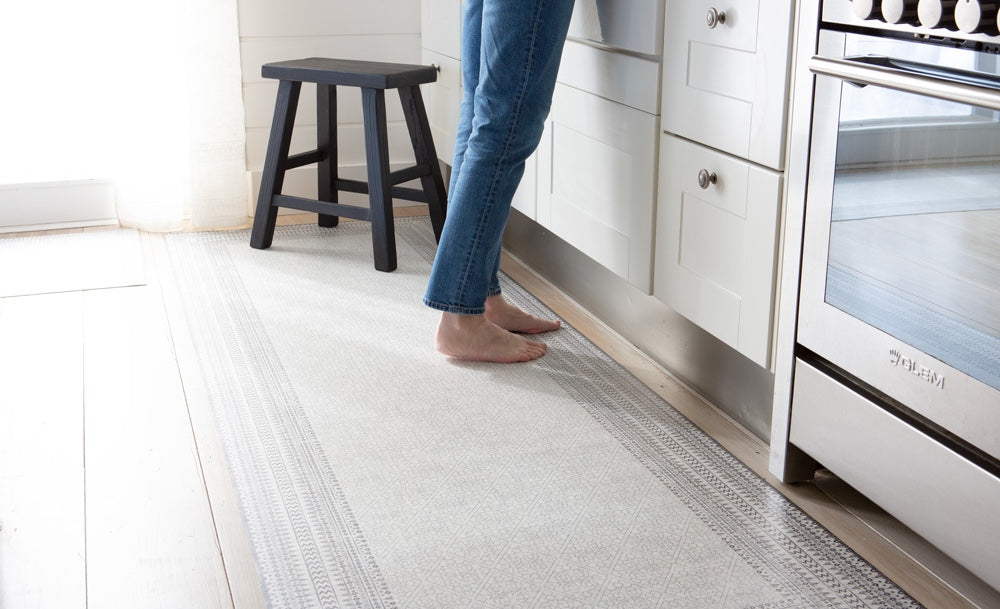
Are Kitchen Mats Normally Cleaned Everyday? Have you ever stopped to think about how often your kitchen mat gets cleaned? You walk on it every day, spill food, and track in dirt without even noticing.
But is it really safe to leave it that way? Your kitchen mat can hide germs and bacteria that might affect your health more than you realize. Keep reading to find out if cleaning your kitchen mat every day is necessary and how doing so can make your kitchen a healthier place for you and your family.

Credit: pepperwhites.com.au
Kitchen Mat Cleaning Frequency
Kitchen mats protect floors and provide comfort while cooking. They collect dirt, spills, and crumbs daily. Cleaning frequency depends on use and environment. Keeping mats clean helps maintain hygiene and appearance. Understanding how often to clean mats prevents buildup and odors.
Daily Cleaning Practices
Wipe kitchen mats with a damp cloth each day. Sweep or vacuum crumbs and dust regularly. Spot clean spills immediately to avoid stains. These small steps keep mats fresh longer. They reduce the need for deep cleaning too.
Factors Influencing Cleaning Needs
- How often the kitchen is used
- Number of people in the household
- Presence of pets that shed hair
- Type of mat material
- Exposure to food spills and grease
High traffic or messy kitchens require more frequent cleaning. Mats made of fabric may need washing often. Rubber or plastic mats can be wiped or rinsed easily.
Signs Your Mat Needs Cleaning
- Visible stains or discoloration
- Sticky or greasy surface
- Unpleasant odors coming from the mat
- Accumulated dust or crumbs
- Mat feels slippery or worn out
Cleaning mats at these signs prevents damage. It keeps your kitchen safe and tidy. Regular checks help decide the right cleaning schedule.
Types Of Kitchen Mats
Kitchen mats come in different types, each designed to suit various needs and preferences. Knowing the type of mat you have can help you decide how often it needs cleaning and the best way to do it. Let's look closely at the most common kitchen mats and what makes them unique.
Rubber Mats
Rubber mats are popular for their durability and slip-resistant qualities. They handle spills and heavy foot traffic well, making them a favorite in busy kitchens. Because they don't absorb liquids, they are usually easier to wipe down daily, but a thorough wash might be needed weekly.
Foam Mats
Foam mats provide extra comfort, reducing strain when you stand for long periods. They can absorb some moisture, so you might notice stains or odors if not cleaned regularly. Quick daily wiping helps, but foam mats often need deep cleaning less frequently to maintain their softness and freshness.
Fabric Mats
Fabric mats add a cozy touch and come in many designs to brighten your kitchen. They absorb spills and crumbs easily, which means they often require more frequent cleaning. Regular vacuuming or shaking out helps, but washing them every few days keeps them looking and smelling fresh.
Daily Cleaning Tips
Keeping kitchen mats clean every day helps maintain a fresh and safe cooking space. Regular cleaning stops dirt and germs from building up. Simple daily habits keep mats looking good and extend their life.
Sweeping And Spot Cleaning
Start by sweeping the mat to remove loose dirt and crumbs. Use a soft brush or broom for this task. For small spills or stains, blot the area immediately with a clean cloth. Avoid rubbing, as it can spread the stain. Quick spot cleaning prevents dirt from settling deeply.
Wiping With Mild Detergents
Mix a small amount of mild detergent with warm water. Use a soft cloth or sponge dipped in the solution to gently wipe the mat. Focus on areas with stains or grease spots. Avoid harsh chemicals that can damage the mat’s surface. Rinse the cloth often to avoid spreading dirt.
Drying Techniques
After cleaning, always dry the mat thoroughly. Hang it outside or place it in a well-ventilated area. Avoid leaving mats damp to prevent mold and bad odors. Ensure both sides are dry before putting the mat back in place. Proper drying keeps mats fresh and safe.
Deep Cleaning Methods
Deep cleaning kitchen mats removes stubborn dirt and bacteria. Regular surface cleaning is not enough. Deep cleaning keeps mats fresh and hygienic for daily use. Various techniques suit different mat materials and levels of dirt.
Machine Washing
Many kitchen mats can go in the washing machine. Use a gentle cycle with cold water to protect the mat. Add mild detergent, avoiding bleach or harsh chemicals. After washing, air dry the mat flat to keep its shape. Machine washing removes dirt, stains, and germs effectively.
Hand Washing
Hand washing works well for delicate or non-machine washable mats. Fill a basin with warm water and mild soap. Scrub the mat gently using a soft brush or cloth. Focus on stained or dirty areas for better results. Rinse thoroughly and air dry the mat completely before use.
Using Natural Cleaners
Natural cleaners offer a safe way to deep clean kitchen mats. Baking soda helps remove odors and stains. Mix baking soda with water to form a paste and scrub the mat. White vinegar kills bacteria and dissolves grime. Spray vinegar on the mat, let it sit, then rinse well. These cleaners avoid harsh chemicals and keep mats fresh.
Maintaining Kitchen Mat Hygiene
Maintaining kitchen mat hygiene is crucial for a clean and safe cooking space. Kitchen mats collect dirt, spills, and moisture daily. These factors make them a hotspot for germs and bacteria. Regular care keeps mats fresh and extends their lifespan. Simple habits prevent bad odors and health risks.
Preventing Mold And Mildew
Moisture trapped under kitchen mats causes mold and mildew growth. Always dry mats after cleaning or spills. Use a fan or place mats in sunlight to speed drying. Avoid placing mats in damp or humid areas. Choose mats made with quick-drying materials for better hygiene.
Regular Inspection
Check kitchen mats often for stains, tears, or unusual smells. Look under the mat for hidden dirt or moisture. Replace mats if they show signs of mold or damage. Inspecting mats helps catch problems early before they worsen. A clean mat supports a healthier kitchen environment.
Proper Storage
Store kitchen mats in a dry and clean place when not in use. Roll or fold mats loosely to avoid creases. Keep mats away from direct sunlight to prevent fading. Proper storage stops mats from becoming breeding grounds for bacteria. Clean storage extends the life of your kitchen mats.
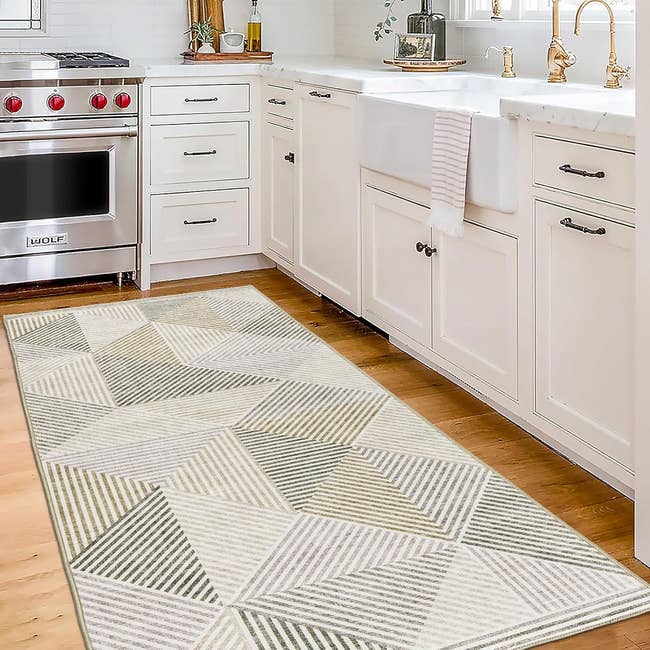
Credit: www.buzzfeed.com
Benefits Of Clean Kitchen Mats
Kitchen mats protect floors and keep the cooking area clean. Regular cleaning prevents dirt buildup and bacteria growth. Daily care helps maintain a fresh and safe kitchen environment.
Keeping kitchen mats clean isn't just a mundane chore. It's a practice that offers numerous benefits, impacting everything from safety to aesthetics. Let's dive into the reasons why maintaining spotless kitchen mats can be a game-changer for your kitchen environment.
Improved Kitchen Safety
Clean kitchen mats significantly enhance safety. A dirty or greasy mat can become slippery, increasing the risk of slips and falls. Regular cleaning ensures that your mats provide the traction needed, especially in high-traffic areas. Imagine cooking a big family dinner. A quick slip could turn a joyful occasion into an unwanted accident. By keeping your mats clean, you're not only ensuring your safety but also that of your loved ones.
Enhanced Aesthetic Appeal
A clean kitchen mat contributes to the overall look of your kitchen. Dirty mats can make even the most stylish kitchen look unkempt and neglected. On the other hand, a fresh, clean mat can complement your kitchen's design, making it feel more inviting. Think about the satisfaction of walking into a kitchen where everything feels just right. Clean mats add to that sense of order and cleanliness, making your kitchen a space you enjoy spending time in.
Extended Mat Lifespan
Regular cleaning can extend the lifespan of your kitchen mats. Dirt and grime can wear down the materials over time, leading to premature replacement. By maintaining cleanliness, you protect your investment and ensure your mats last longer. Consider the cost of replacing kitchen mats frequently. A bit of regular maintenance can save you money in the long run, allowing you to allocate resources to other kitchen upgrades or necessities. Cleaning your kitchen mats daily might seem like an extra task, but the benefits far outweigh the effort. How often do you clean your kitchen mats? Could a little extra attention transform your kitchen space?
:max_bytes(150000):strip_icc()/Testing_GelProNewLifeEcoProCommercialGradeAnti-FatigueFloorMat_249-ce954eaa30c94ff7b5849ddbb4bcf028.jpeg)
Credit: www.foodandwine.com
Frequently Asked Questions
Are Kitchen Mats Cleaned Every Day?
Kitchen mats are not typically cleaned daily. Regular wiping or spot cleaning is common, with deep cleaning done weekly or monthly. Daily cleaning depends on usage and kitchen traffic.
How Often Should Kitchen Mats Be Cleaned?
Kitchen mats should be cleaned at least once a week. Frequent spills or heavy usage may require more frequent cleaning. Proper cleaning prevents bacteria buildup and maintains hygiene.
What Is The Best Way To Clean Kitchen Mats?
Vacuum or shake out loose dirt first. Then, wash mats with mild detergent and warm water. Air dry completely before placing back in the kitchen to prevent mold.
Can Kitchen Mats Harbor Bacteria If Not Cleaned?
Yes, kitchen mats can harbor bacteria if not cleaned regularly. Moisture and food particles promote bacterial growth. Regular cleaning reduces health risks and keeps kitchens safe.
Conclusion
Kitchen mats collect dirt and spills every day. Cleaning them often keeps your kitchen fresh and safe. A quick daily wipe or shake can help a lot. Deep cleaning once a week removes stubborn stains and germs. Clean mats prevent slips and improve kitchen hygiene.
Small efforts make a big difference in your home. Keep your kitchen mats clean to enjoy a healthier space. Simple habits protect your family and brighten your kitchen.